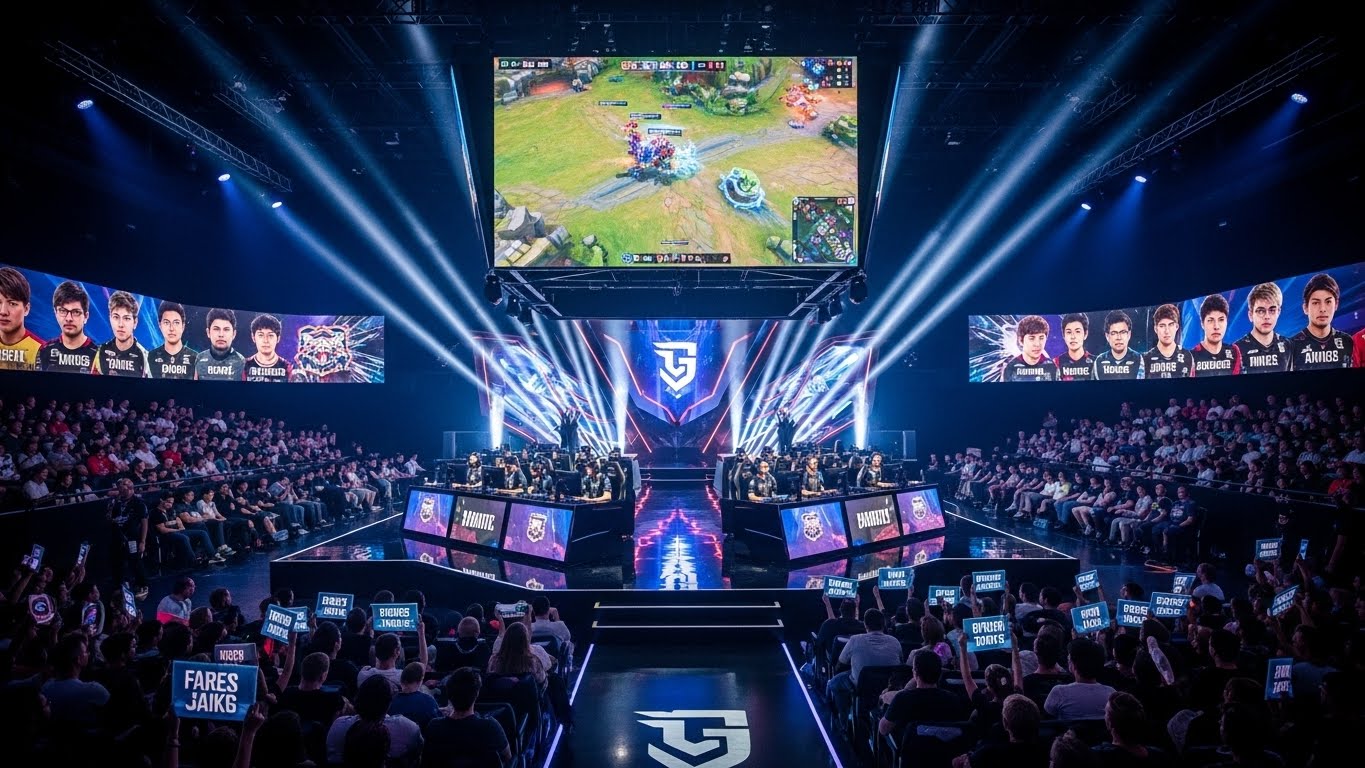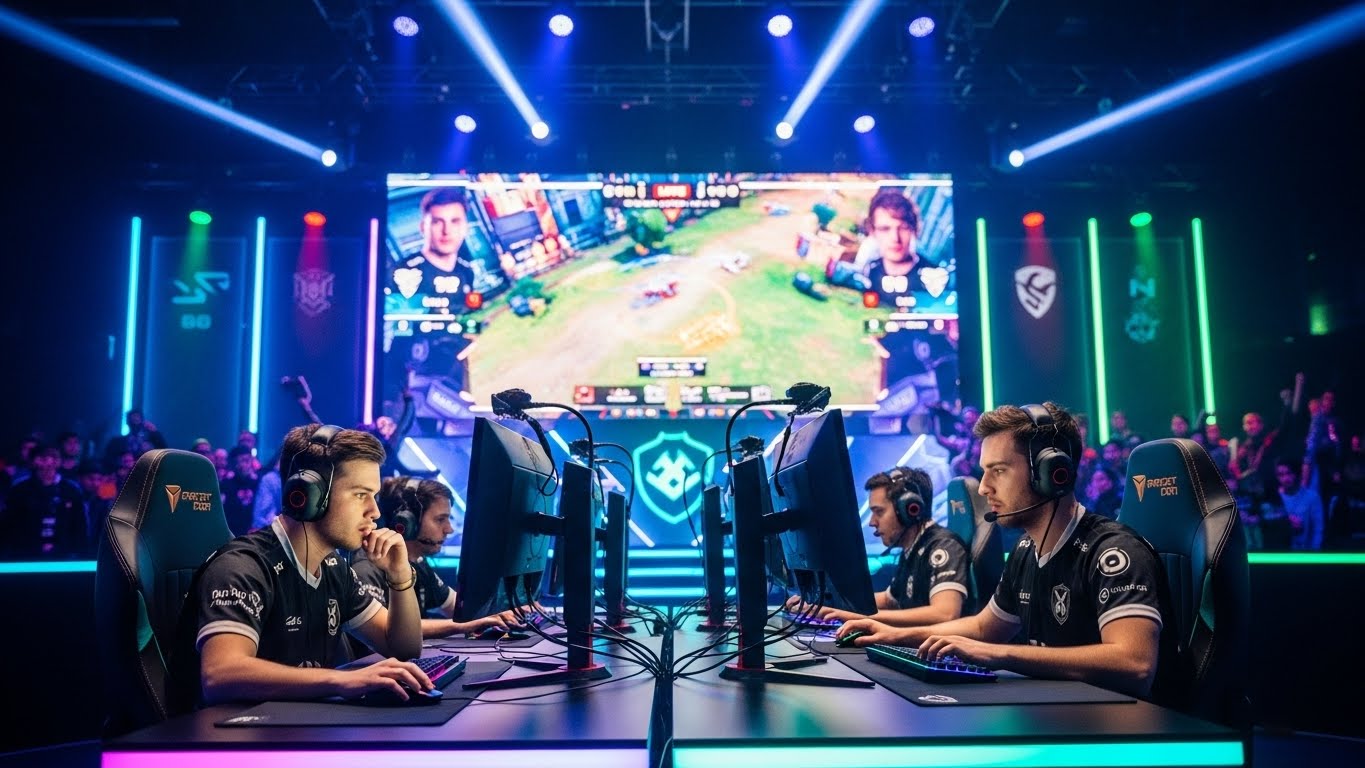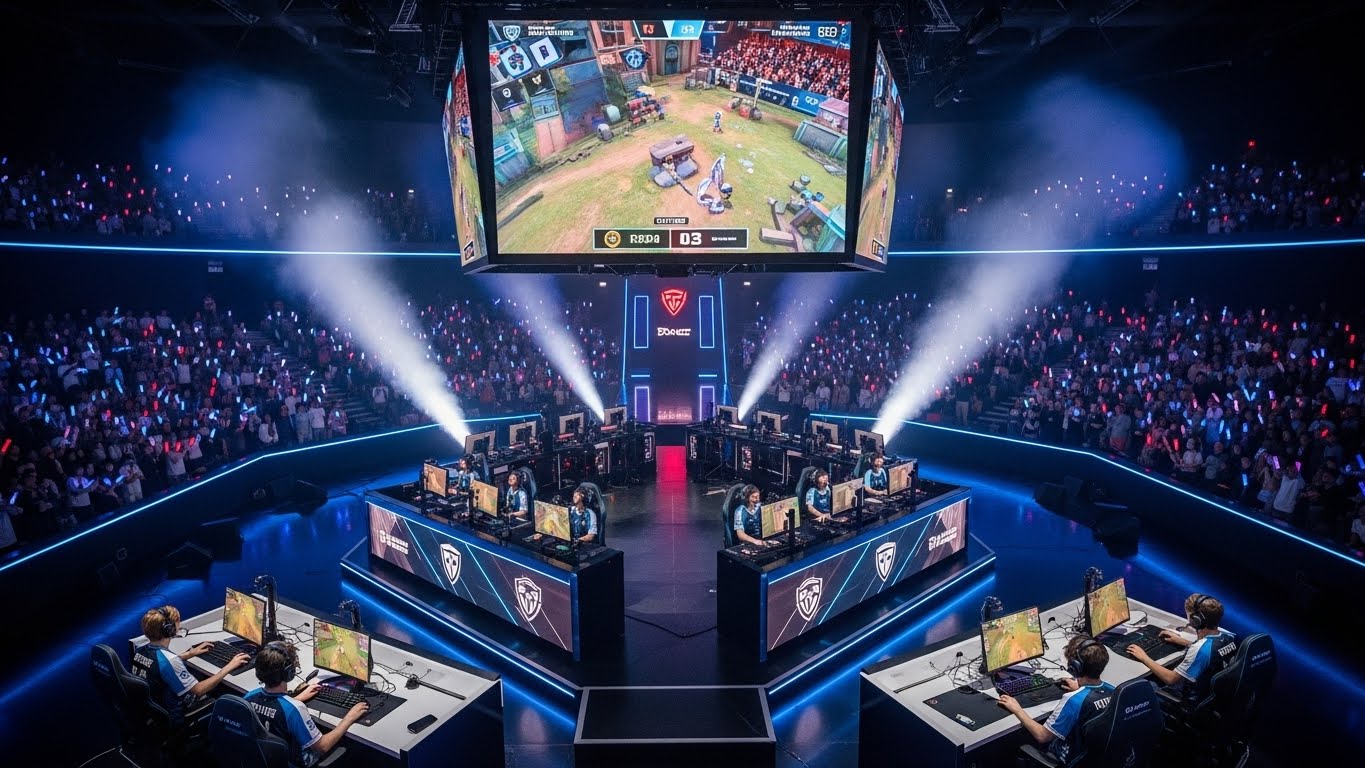
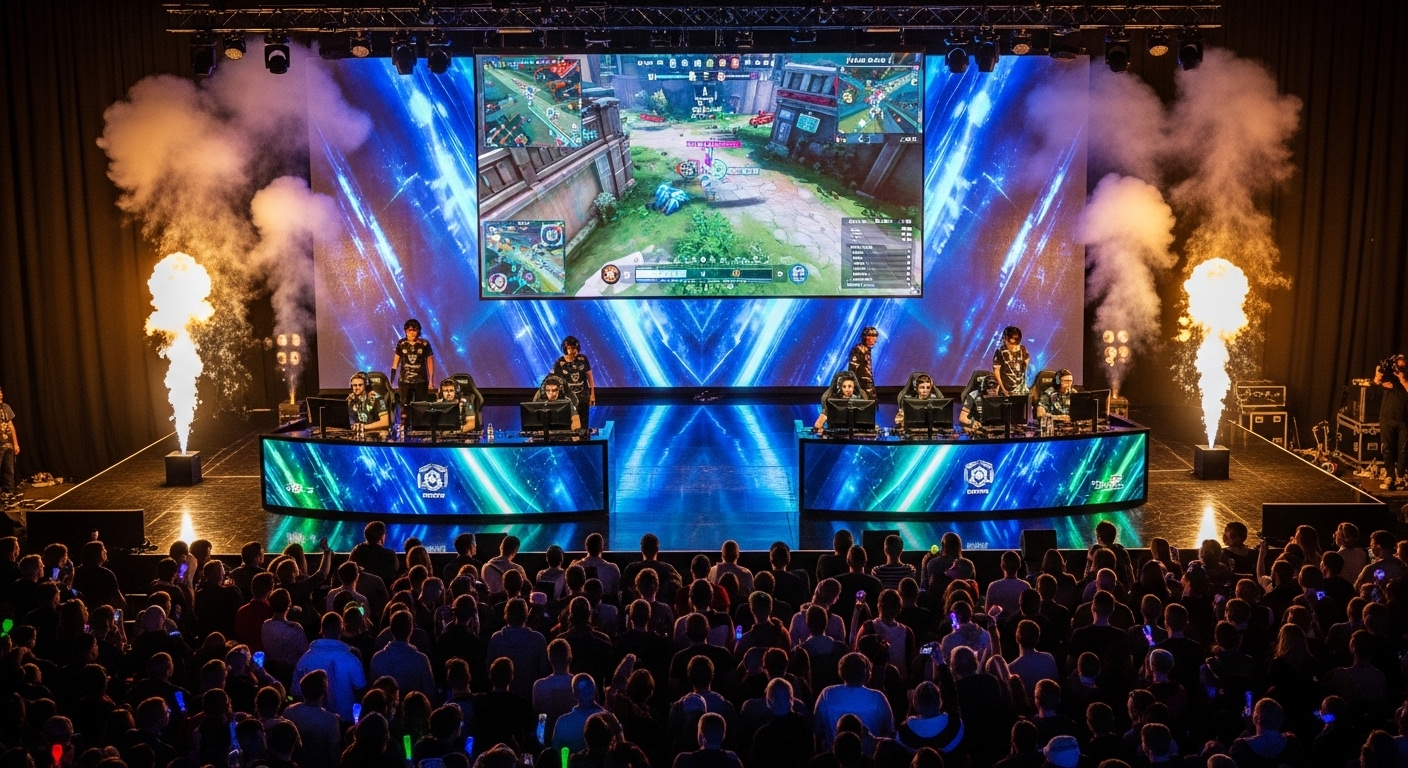
In the last two decades, the world has witnessed an extraordinary transformation in the landscape of entertainment and competition. What began as small gatherings of gamers in arcades and living rooms has evolved into massive global tournaments that fill entire stadiums and draw millions of viewers online. This is the story of esports—an industry that has transcended cultural, geographical, and technological boundaries to become one of the most powerful forces in modern entertainment.
The Origins of Esports
The idea of competitive gaming is not new. The earliest known organized video game competition took place in 1972 at Stanford University, where students competed in a game called Spacewar!. The winner received a year’s subscription to Rolling Stone magazine—a humble beginning compared to the multimillion-dollar prize pools of modern tournaments.
During the 1980s, arcade gaming culture flourished, and players began competing for high scores in titles like Pac-Man and Donkey Kong. Magazines published leaderboards, and arcade owners held small local competitions. The concept of being the best at a video game started to hold real social prestige. By the late 1990s, as home consoles and personal computers became more widespread, online multiplayer games changed everything.
With the advent of the internet, competition was no longer limited by geography. Gamers could challenge opponents from different continents, and online ranking systems allowed players to measure their skills globally. Titles like Quake, StarCraft, and Counter-Strike became the first generation of esports games, laying the foundation for what was to come.
The 2000s: The Birth of a Global Industry
The early 2000s marked the first real boom of esports as a structured global industry. The Korean scene was particularly influential during this period. In South Korea, StarCraft: Brood War became a national obsession, and professional players achieved celebrity status comparable to that of movie stars. Television networks dedicated entire channels to broadcasting matches, complete with commentators, analysis, and fan interviews.
Meanwhile, in North America and Europe, gaming tournaments began to gain momentum through events like the World Cyber Games and Electronic Sports World Cup. These competitions offered international stages where players could represent their countries and prove their dominance. Prize money was still modest compared to today’s standards, but the professional structure and global exposure made esports a legitimate career path for the most skilled players.
The development of broadband internet also helped shape the future of esports. It made online play smoother and more reliable, which in turn fueled the rise of competitive multiplayer games. Titles like Warcraft III, Counter-Strike 1.6, and Halo 2 attracted passionate communities that organized tournaments both online and offline. This period also saw the emergence of dedicated esports organizations that managed players, negotiated sponsorships, and began to build brand identities around teams.
The Streaming Revolution
The late 2000s and early 2010s introduced a transformative force that would redefine esports forever—live streaming. Platforms that allowed gamers to broadcast their gameplay to audiences worldwide democratized access to both players and spectators. Anyone could now watch professional tournaments or casual streams from home.
This shift to digital broadcasting made esports far more accessible than traditional sports. There was no need for expensive cable packages or pay-per-view subscriptions. Instead, viewers could watch their favorite teams and players live from any device. It also created a new class of content creators who blurred the line between athlete and entertainer.
Games like League of Legends, Dota 2, and Call of Duty capitalized on this shift by integrating spectator modes, commentary tools, and in-game features designed for broadcasting. The rise of streaming platforms turned esports into a 24/7 phenomenon, with fans watching tournaments, highlights, and practice sessions at all hours of the day.
For sponsors and advertisers, this created a goldmine. A young, tech-savvy audience was spending countless hours watching and interacting with content. Brands ranging from technology companies to beverage manufacturers began pouring investments into esports teams, events, and platforms.
The Professionalization of Esports
As money flowed into the industry, professionalism followed. Teams began hiring coaches, analysts, nutritionists, and psychologists to optimize player performance. Training facilities equipped with high-end hardware and performance monitoring systems became the standard for top-tier organizations.
The rise of esports leagues mirrored the structure of traditional sports. Franchised leagues, such as the Overwatch League and the League of Legends Championship Series, introduced city-based teams, scheduled seasons, and playoff systems. This structure brought stability to the industry and gave fans consistent narratives to follow.
With these changes came massive growth in viewership and revenue. Esports tournaments began filling stadiums such as Madison Square Garden and the Staples Center. The Dota 2 International tournament set records with its multimillion-dollar prize pools, crowdfunded by the player community itself. In 2019, the Fortnite World Cup offered a staggering $30 million in prizes, cementing esports as a legitimate platform for competitive excellence.
The Culture of Esports
Esports is not just about competition—it is a cultural movement. It has created its own language, fashion, and identity. Players adopt gamer tags that become their global brand. Fans wear team jerseys, wave digital banners, and attend live events with the same energy and enthusiasm found in football or basketball arenas.
Social media plays an essential role in this culture. Players interact directly with fans on platforms like X and Instagram, giving the community an unprecedented level of access. Esports influencers have millions of followers, and their opinions often shape gaming trends and even the popularity of certain titles.
Music, art, and storytelling have also become integral parts of esports. Game developers collaborate with musicians and filmmakers to create cinematic experiences around major tournaments. Opening ceremonies now feature live performances, light shows, and elaborate digital displays that rival the spectacle of global sporting events.
The Global Expansion of Esports
While South Korea laid the foundation, esports has now become a global phenomenon. North America and Europe continue to be major markets, but regions like China, Southeast Asia, and Latin America have seen explosive growth in both viewership and participation.
China, in particular, has emerged as a powerhouse in the esports world. With government recognition and corporate support, the country has invested heavily in infrastructure, education, and events. Esports arenas have been built in cities like Shanghai and Hangzhou, and universities now offer degrees in esports management and production.
In Southeast Asia, mobile esports has taken center stage. Games like Mobile Legends: Bang Bang and PUBG Mobile have attracted millions of players and viewers, thanks to the widespread accessibility of smartphones. Meanwhile, in Latin America, passionate fanbases have turned local tournaments into cultural celebrations, with strong community-driven organizations and local sponsorships driving growth.
This global reach has made esports one of the most inclusive forms of competition ever created. It transcends borders, languages, and backgrounds. Anyone with an internet connection and a passion for gaming can aspire to reach the professional stage.
The Business of Esports
Behind the screens and flashing lights lies a complex business ecosystem. Esports revenue streams include sponsorships, advertising, merchandise, ticket sales, and media rights. Sponsorship remains the largest contributor, as brands seek to associate themselves with a youthful, engaged, and global audience.
Media rights have become increasingly valuable as streaming platforms and broadcasters compete for exclusive coverage of major tournaments. Some leagues have secured multimillion-dollar deals for broadcast rights, further legitimizing esports as a mainstream entertainment product.
Another important factor is game publishers themselves. Unlike traditional sports, esports depends entirely on intellectual property owned by developers. This gives companies like Riot Games, Valve, and Blizzard tremendous influence over the structure and economics of their competitive scenes. Some publishers adopt open tournament systems that encourage grassroots competition, while others favor closed franchise models that emphasize stability and long-term investment.
Merchandising and lifestyle branding also play a key role. Esports teams sell apparel, peripherals, and accessories, often collaborating with major fashion labels to appeal to broader audiences. Limited-edition jerseys and collectibles have become highly sought after, turning esports merchandise into a global trend.
The Challenges Facing Esports
Despite its meteoric rise, esports faces several challenges. One of the most pressing issues is sustainability. Prize pools and sponsorships can fluctuate dramatically depending on a game’s popularity or corporate backing. Teams and players must navigate uncertain financial landscapes, and smaller organizations often struggle to survive between major tournaments.
Another challenge is player burnout. Professional gamers often train for long hours daily, sometimes exceeding twelve hours of gameplay and analysis. The mental and physical strain can lead to early retirements, stress-related illnesses, and declining performance. Organizations have begun addressing this by implementing structured schedules and providing psychological support, but the issue remains prevalent.
Cheating and match-fixing have also tarnished the reputation of esports at times. With so much money at stake, integrity becomes paramount. Anti-cheat software, strict regulations, and independent oversight bodies have been introduced to ensure fair play, but maintaining competitive integrity in a digital environment is an ongoing battle.
Toxicity in online communities presents another concern. While esports thrives on passionate fan engagement, the anonymity of online communication can sometimes lead to harassment or discrimination. The industry has taken steps toward fostering more inclusive and respectful environments, but cultural change takes time and collective effort.
The Future of Esports
The future of esports is boundless. Emerging technologies like virtual reality, augmented reality, and cloud gaming promise to redefine how people experience competition. Virtual arenas may soon allow fans to attend matches in immersive 3D environments, interacting with other spectators and players in real time.
The integration of artificial intelligence could also transform coaching and player development. AI-driven analytics can identify weaknesses, optimize strategies, and even simulate opponents’ tactics. This data-driven approach may usher in a new era of strategic sophistication in competitive gaming.
Education and career pathways in esports are expanding rapidly. Universities around the world now offer scholarships for esports athletes and degrees in game design, management, and broadcasting. This academic recognition further legitimizes esports as a viable professional pursuit.
There is also increasing discussion about including esports in major international sporting events. While the debate over whether video gaming qualifies as a “sport” continues, many argue that the physical dexterity, strategic thinking, and teamwork required for competitive gaming make it deserving of such recognition.
The future will likely see further convergence between traditional sports and esports. Professional athletes are investing in esports teams, and sports organizations are launching their own gaming divisions. This cross-pollination is blurring the lines between physical and digital competition, creating a unified vision of entertainment for future generations.
The Human Element of Esports
Amid all the technology and spectacle, it is easy to forget that esports is fundamentally a human story. Behind every champion is a journey filled with dedication, sacrifice, and passion. Players devote countless hours to refining their skills, mastering teamwork, and developing mental resilience.
Fans, too, play an essential role. They form the lifeblood of the community—creating art, writing stories, and supporting their favorite teams through every win and loss. The connection between player and fan in esports is uniquely personal. Live chats, social media, and direct interaction create an intimacy rarely found in other sports.
Esports also provides a sense of belonging for millions around the world. For some, it’s a form of escapism; for others, it’s a platform for achievement and identity. The diversity within esports—of players, fans, and creators—has made it one of the most inclusive cultural movements of the modern era.
Conclusion
Esports is no longer a niche hobby—it is a global phenomenon that continues to redefine the boundaries of entertainment, competition, and community. It stands at the intersection of technology and human creativity, blending digital innovation with the timeless spirit of play.
From the dimly lit arcades of the 1980s to the dazzling stadiums of today, esports has traveled an extraordinary path. Its future promises even greater integration with mainstream culture, deeper technological innovation, and broader global participation.
The rise of esports is a testament to the power of passion and connection. It shows how a generation that grew up with controllers in their hands turned their love of gaming into a worldwide movement. And as technology continues to evolve, so too will the stage upon which the world’s best compete—not just for trophies or money, but for the joy of mastery, the thrill of victory, and the shared experience that unites millions across the globe.