Introduction: The Rise of Esports in the Digital Age
In the past, sports were defined by physical strength, athletic prowess, and competitive spirit played out on real-world fields and courts. Today, a new form of competition is captivating audiences worldwide, and it’s taking place entirely within the digital realm. Esports—competitive gaming—has evolved from a niche hobby into a global phenomenon, drawing millions of players and fans into its ever-growing ecosystem. What was once a pastime for a select few has now become a mainstream industry, offering high-stakes competitions, celebrity athletes, and even college scholarships. The rapid growth of esports has not only redefined what it means to be a competitor but has also transformed entertainment and the way we engage with sports in the 21st century.
What is Esports? Understanding the Digital Competition
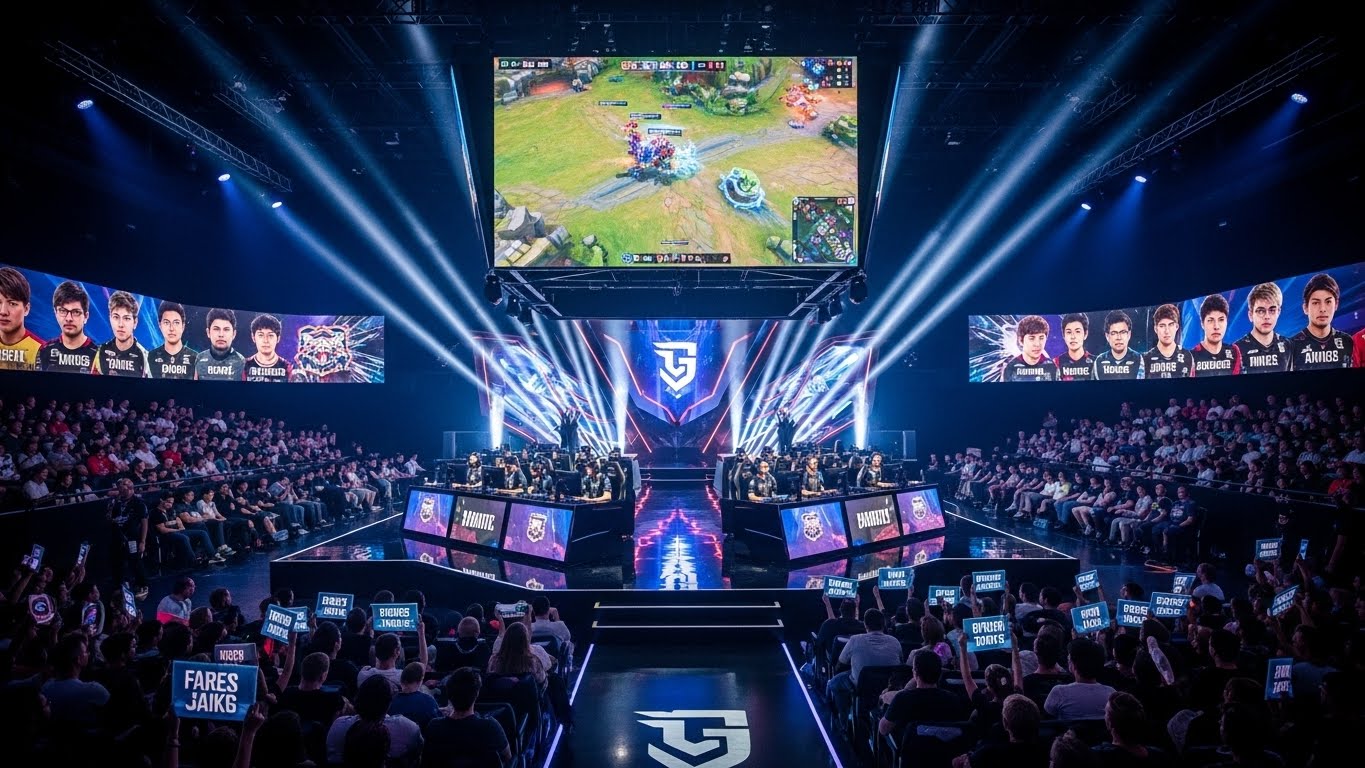
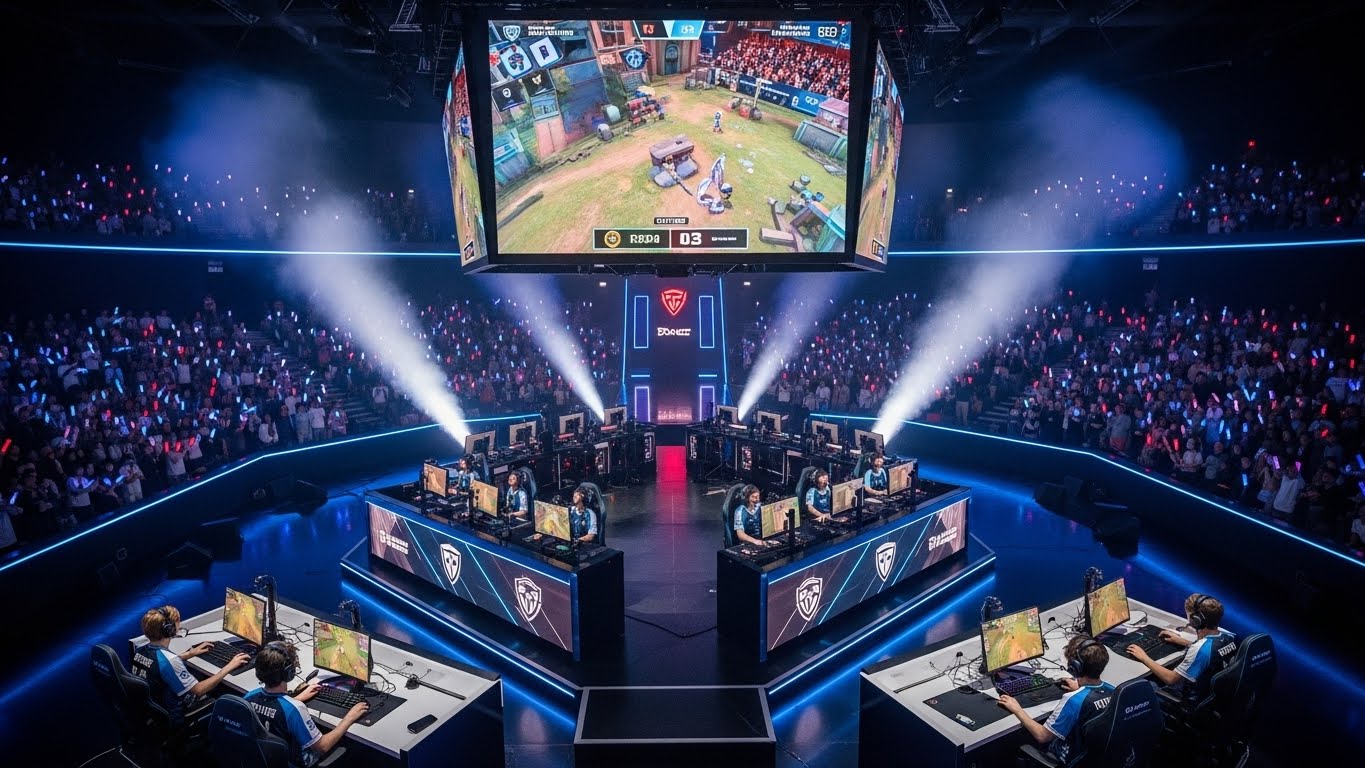
At its core, esports refers to organized, multiplayer video game competitions, typically between professional players, teams, or organizations. These events are often streamed live, with millions of viewers watching online or attending in person. Unlike casual gaming, esports involves high levels of strategy, skill, and teamwork, and players often dedicate countless hours to perfecting their craft. The games played in esports span a variety of genres, including first-person shooters, real-time strategy games, and multiplayer online battle arenas (MOBAs). Titles like League of Legends, Counter-Strike: Global Offensive, Dota 2, Fortnite, and Overwatch are some of the most popular games in the esports scene, each with its own unique gameplay and competitive formats.
Esports is not just about playing video games—it’s about turning gaming into a professional sport, with structured tournaments, sponsorships, team organizations, and broadcasting. The professionalization of gaming has created an entirely new entertainment ecosystem that rivals traditional sports in both viewership and revenue.
The Evolution of Esports: From Hobby to Global Industry
The roots of esports can be traced back to the early 1990s, when multiplayer gaming first became possible over the internet. In the early days, players would gather in local arcades or LAN parties, competing in games like Quake, StarCraft, and Warcraft. While these early competitions were small-scale affairs, they laid the groundwork for the esports ecosystem that would come to dominate the digital age.
As internet speeds increased and broadband became more widely available, online gaming grew in popularity, and so did the idea of competitive tournaments. The turning point came in the early 2000s, with the creation of major esports leagues and tournaments, such as the World Cyber Games and Electronic Sports League (ESL). These events attracted professional players, sponsors, and media attention, signaling the emergence of esports as a legitimate form of entertainment.
In the years since, the rise of platforms like Twitch, YouTube Gaming, and Mixer has provided an avenue for fans to watch esports competitions from anywhere in the world. Major esports tournaments, such as The International (for Dota 2), the League of Legends World Championship, and Fortnite tournaments, have become annual fixtures, drawing millions of viewers and offering multi-million-dollar prize pools. Esports organizations have become global entities, with sponsorships from brands like Coca-Cola, Intel, and Nike, helping to fund competitions and elevate the visibility of esports stars.
The Role of Esports Athletes: Digital Competitors of the New Age
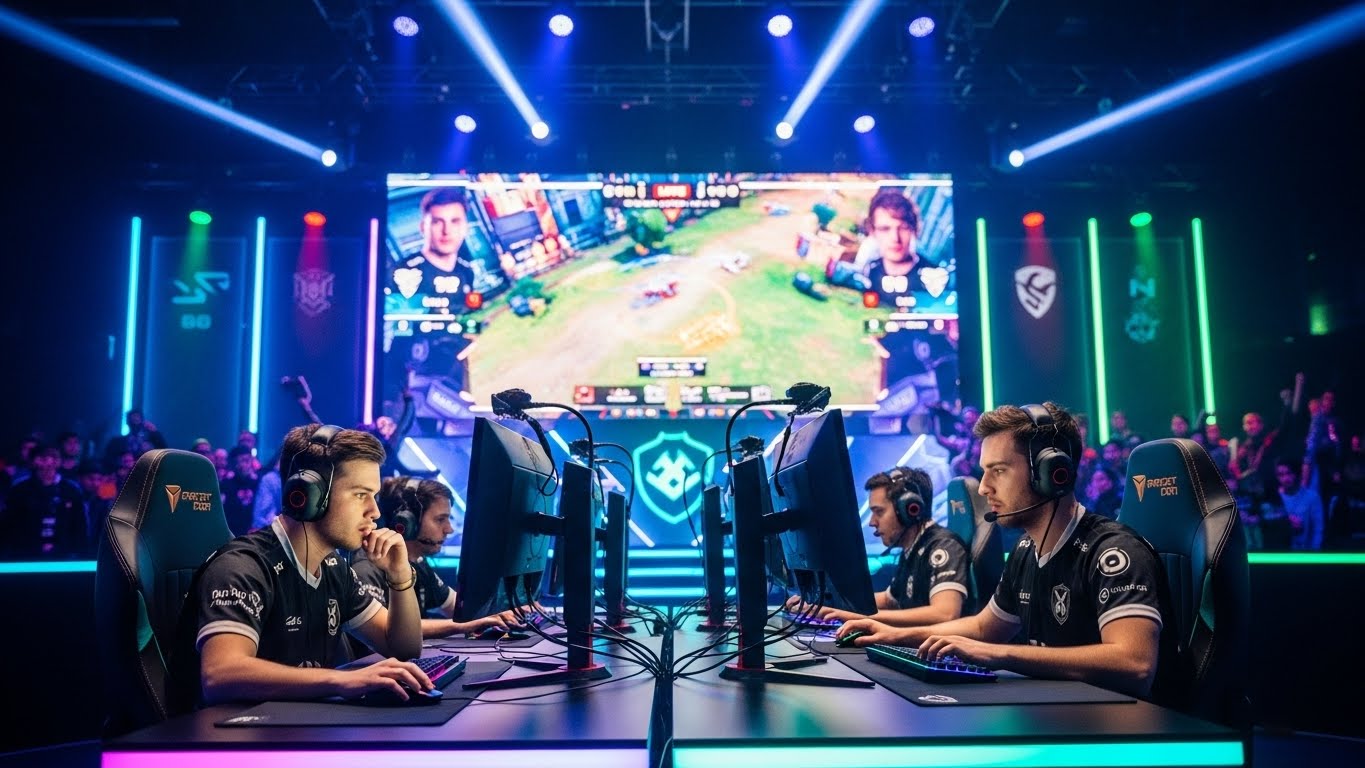
Much like traditional athletes, professional esports players are highly skilled and dedicate their lives to their craft. These players often spend several hours each day practicing, studying game mechanics, analyzing competitors, and engaging with their teams to develop strategies. Mental acuity, quick reflexes, and exceptional teamwork are all essential qualities for a top-tier esports player.
The life of an esports athlete is not unlike that of a traditional sports player. They undergo rigorous training regimens, working with coaches, analysts, and psychologists to maintain peak performance. Many esports players also follow strict diets, engage in physical exercise to prevent injury, and focus on mental health practices to avoid burnout. Despite the sedentary nature of gaming, physical and mental fitness are integral to success in the competitive scene.
Esports players have gained recognition and fame in ways that were previously reserved for athletes in traditional sports. Some of the biggest names in esports, like Faker (Lee Sang-hyeok) from League of Legends, or KuroKy (Kuro Salehi Takhasomi) from Dota 2, have achieved legendary status. These athletes are not only known for their gameplay but also for their ability to inspire the next generation of gamers.
The Business of Esports: A Multi-Billion Dollar Industry
Esports is not just about the players and the games—it’s also a thriving business with millions of dollars in revenue. Sponsorship deals, advertising, merchandise sales, broadcasting rights, and ticket sales for live events contribute to the financial growth of the esports ecosystem. Major esports leagues and tournaments have prize pools that rival those of traditional sports competitions, with The International offering over $40 million in prizes alone.
Sponsorships play a major role in the financial success of esports. Brands from across the corporate spectrum have partnered with esports teams and tournaments to market their products to a young, tech-savvy demographic. Companies like Samsung, Red Bull, and ASUS have found in esports an avenue to connect with consumers who are deeply embedded in gaming culture.
In addition to sponsorships, esports organizations have also found new revenue streams through streaming platforms. Twitch, in particular, has played a significant role in the growth of esports, allowing fans to watch live broadcasts of tournaments and interact with players in real time. The monetization of streams through ads, subscriptions, and donations has made it possible for both players and organizations to generate significant revenue.
Esports Fans: The Driving Force Behind the Industry
Esports would not be what it is today without its passionate fanbase. Fans play an integral role in the growth and success of esports, driving the popularity of games, tournaments, and individual players. Esports fans are highly engaged, often interacting with players on social media, participating in online discussions, and attending live events. Some fans are so dedicated to their favorite games and teams that they watch every match, follow every update, and buy merchandise to show their support.
Esports has a unique relationship with its fans, as many fans consider themselves a part of the community. Streaming platforms like Twitch allow viewers to interact with players directly, creating a sense of camaraderie and connection that goes beyond just watching a game. Fans also help support the growth of the industry by attending live events, contributing to crowdfunding campaigns for tournaments, and purchasing in-game items and merchandise to support their favorite players and teams.
The Impact of Esports on Traditional Sports
While esports has carved out its own space in the entertainment world, it is also having a significant impact on traditional sports. Many traditional sports organizations, including major football leagues and basketball franchises, are increasingly investing in esports. These organizations see esports as a way to expand their brand and reach younger audiences who are more likely to engage with digital entertainment.
Several sports leagues now have their own esports teams and competitions. The NBA has the NBA 2K League, which allows players to compete in NBA 2K, a basketball simulation game, while soccer leagues around the world have partnered with FIFA to host official esports competitions. These crossovers show that esports and traditional sports are not competitors but complementary forms of entertainment.
Esports is also influencing how traditional sports are broadcasted. The success of live-streaming platforms has prompted traditional sports broadcasters to explore digital avenues to engage with younger viewers. Major broadcasters now recognize the value of streaming sports content online, especially as younger generations move away from traditional cable television and turn to digital platforms for entertainment.
The Future of Esports: Growth and Evolution
The future of esports is incredibly promising. As technology continues to advance, so too will the experiences offered to players and fans. Virtual reality and augmented reality have the potential to completely transform the way esports competitions are played and viewed. VR could offer an immersive experience where players are physically inside the game, interacting with opponents in a virtual world.
Moreover, the accessibility of esports is set to increase, with cloud gaming allowing players to compete at a high level without needing expensive hardware. This shift will open up competitive gaming to a larger audience, making esports more inclusive and available to players across the world.
The global expansion of esports also presents new opportunities for growth. While esports is already incredibly popular in North America, Europe, and Asia, emerging markets in Latin America, Africa, and the Middle East are beginning to embrace the sport. As the infrastructure for esports grows in these regions, the global fanbase will continue to expand, creating new markets and opportunities for organizations, sponsors, and players.
Challenges Facing Esports
While esports has seen remarkable growth, it faces a few challenges that must be addressed for long-term success. Issues such as player burnout, mental health, and the need for better regulation to ensure fair play remain ongoing concerns. Additionally, there is a need for greater diversity and inclusion in the esports industry, particularly in terms of gender representation and the treatment of marginalized groups.
Another challenge is the potential for exploitation of young players, many of whom start their careers at a very young age. Esports organizations must implement strong ethical practices to ensure the well-being of players, including providing them with adequate training, psychological support, and long-term career planning.
Conclusion: Esports – The Future of Competition
Esports is no longer a passing trend—it is a global industry that has transformed the way we view competition and entertainment. It has provided new career opportunities, entertainment experiences, and social connections for millions of people worldwide.