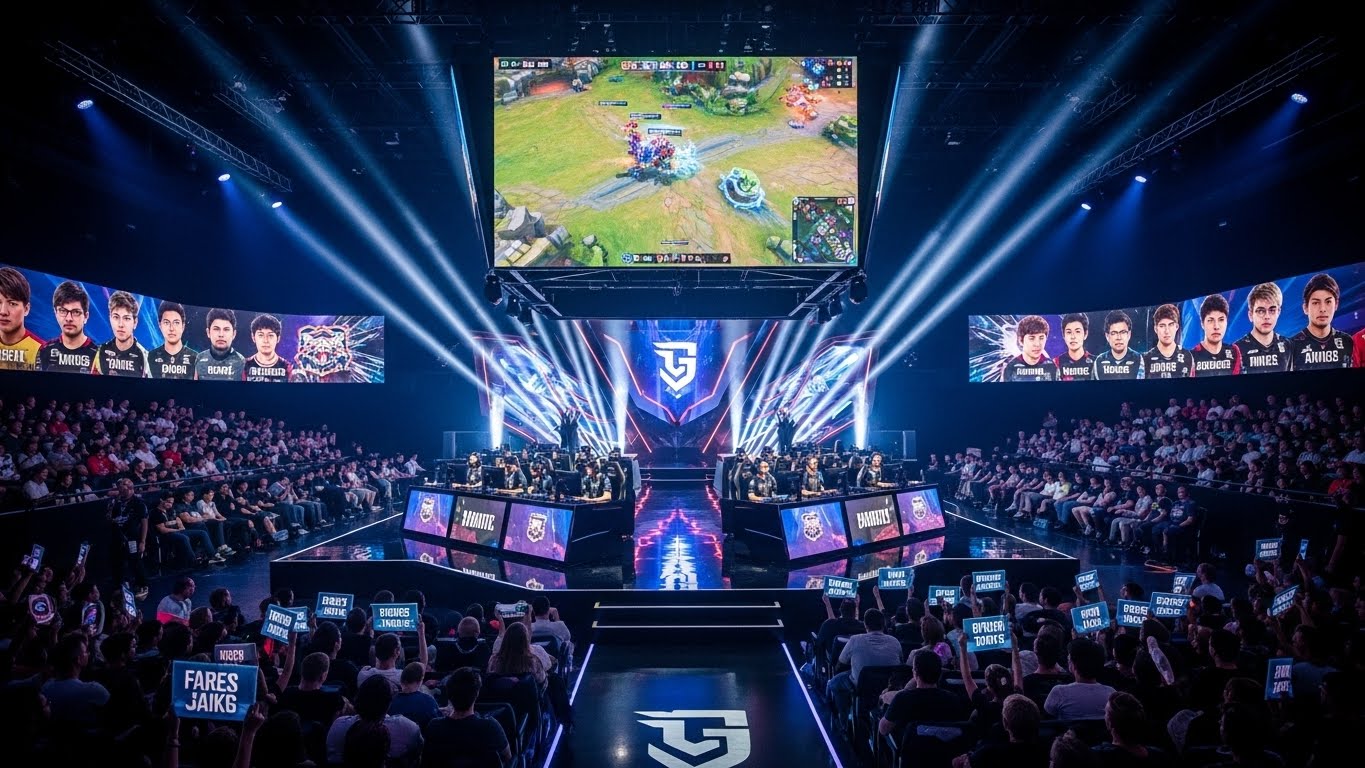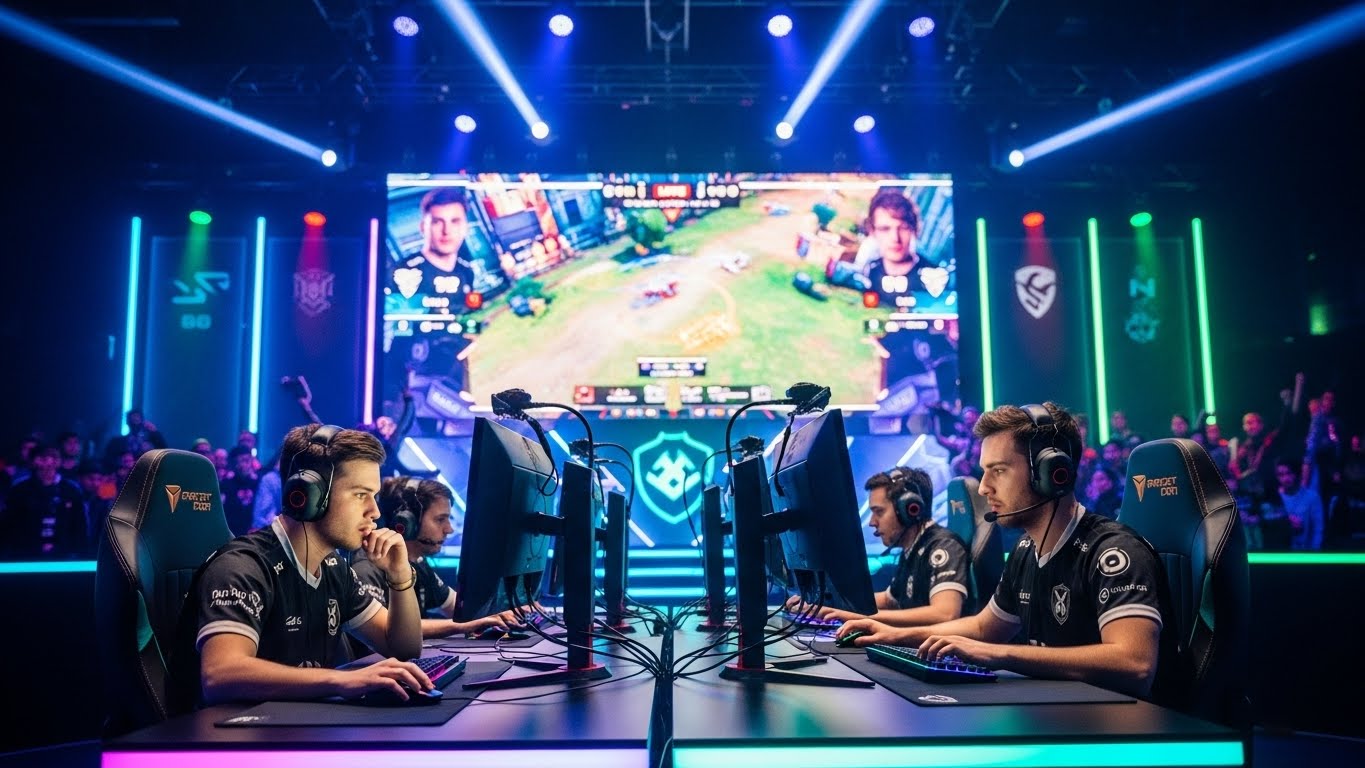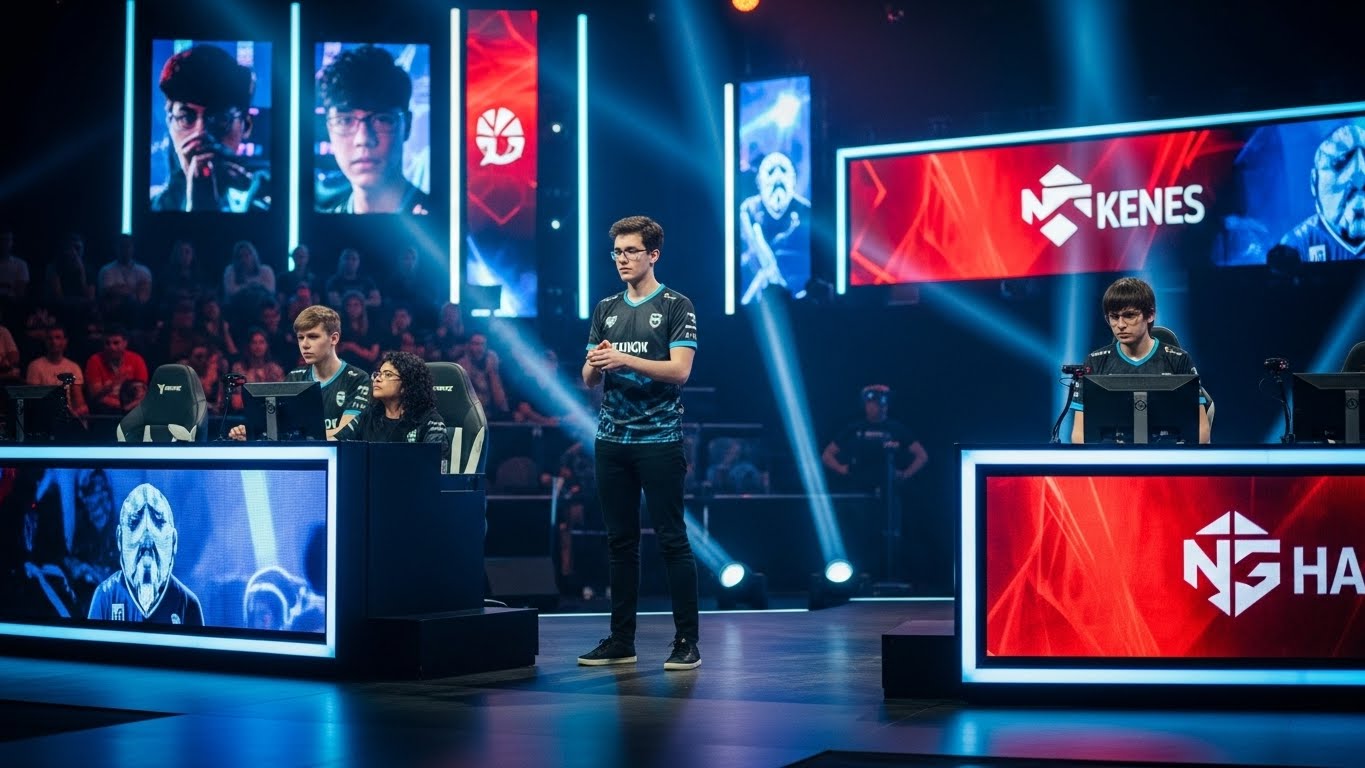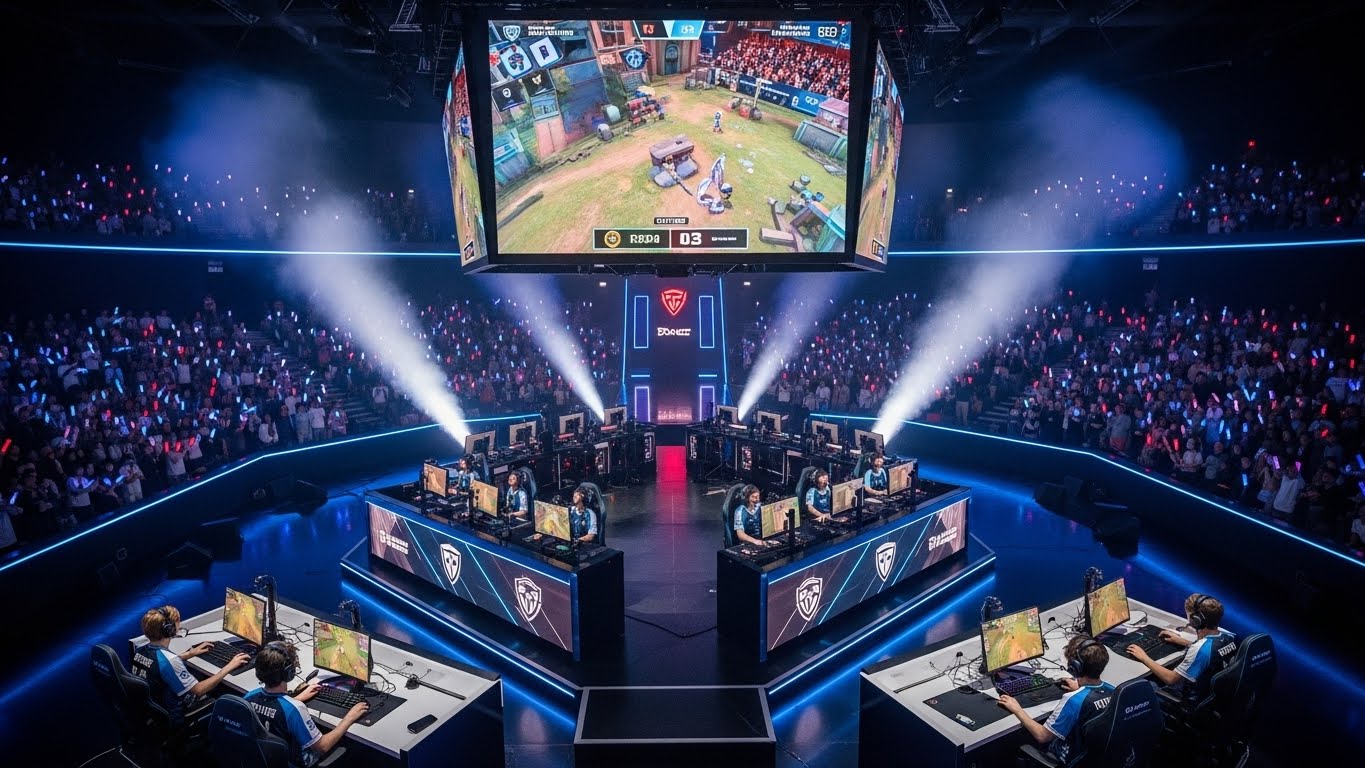
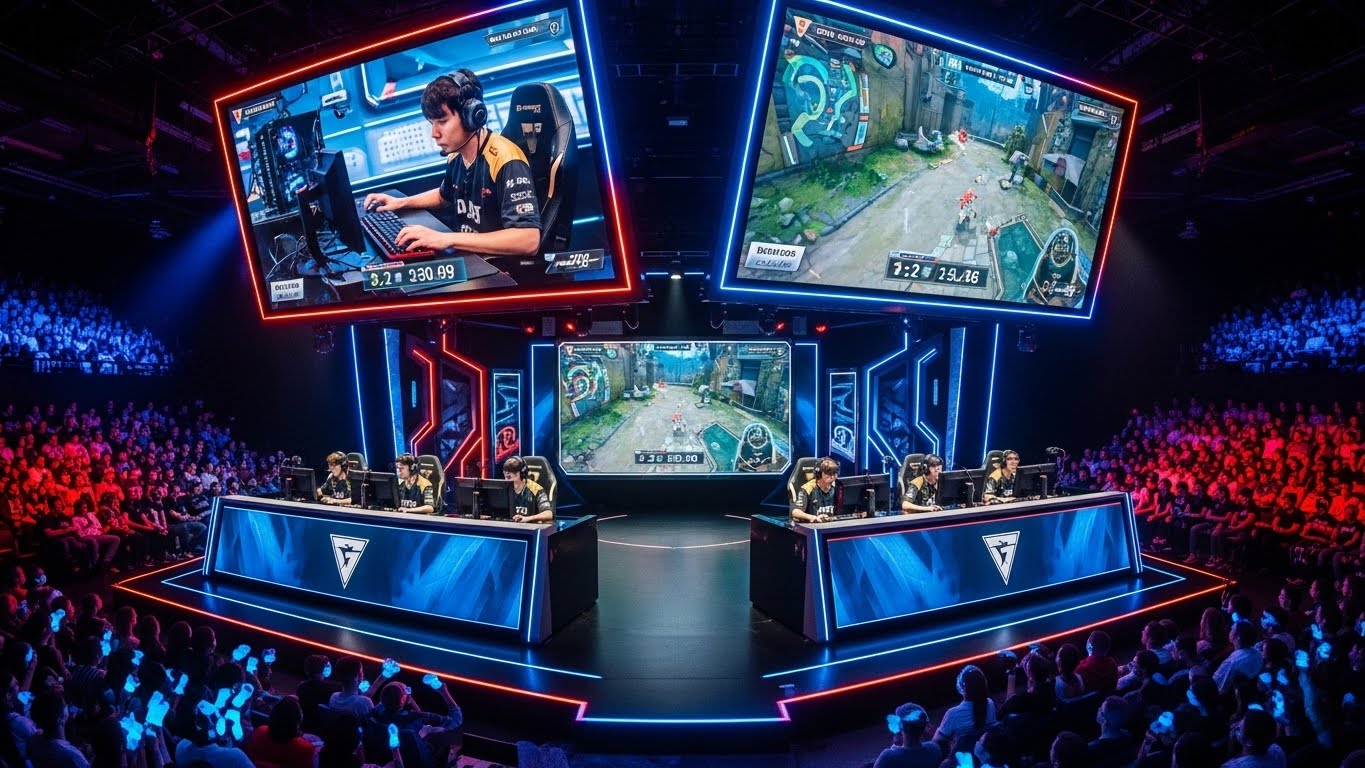
Esports has undergone a remarkable transformation from being a niche hobby enjoyed by a small group of gamers to a global industry that draws millions of fans, investors, and sponsors. The competitive gaming scene has become a multi-billion-dollar business, with top players and teams earning sponsorships, recognition, and fame similar to traditional athletes. In this blog post, we’ll explore the origins, growth, and impact of esports on the gaming world and beyond, while taking a closer look at the key factors that have helped esports become a global phenomenon.
The Early Days of Esports: Humble Beginnings
To understand the rise of esports, it’s essential to trace its roots back to the early days of gaming. While video games themselves began to take shape in the 1970s with arcade games like Pong and Space Invaders, it wasn’t until the 1990s that competitive gaming began to emerge in a more formalized way.
In the late 1990s, games like Quake, StarCraft, and Counter-Strike introduced multiplayer functionality, paving the way for competitive tournaments. Players could now compete against one another over local area networks (LANs) and eventually the internet. These early games laid the groundwork for the competitive esports culture we know today.
One of the first organized tournaments was the Red Annihilation tournament for Quake in 1997, which featured a prize pool of a car. The tournament brought together some of the world’s best players, highlighting the potential for competitive gaming to attract not only skilled players but also viewers. The prize pool, although modest by today’s standards, was a sign that there was interest in making competitive gaming a viable form of entertainment.
However, it wasn’t until the early 2000s, especially in South Korea, that esports truly began to take off. StarCraft, a real-time strategy game, became a cultural phenomenon in the country, where it was played professionally and broadcasted on national television. South Korea became the epicenter of esports, and many of the world’s first professional gaming leagues were formed there. In fact, by the mid-2000s, StarCraft players were celebrated as national heroes, earning sponsorship deals, salaries, and even endorsements.
The Growth of Online Platforms: Twitch and the Global Community
The next big catalyst in the rise of esports came with the advent of streaming platforms, particularly Twitch. Launched in 2011, Twitch allowed gamers to stream their gameplay in real-time, creating an unprecedented level of interactivity between players and their audiences. This shift marked the beginning of a new era for esports, where fans could watch live events, cheer for their favorite players or teams, and interact with fellow enthusiasts across the globe.
The platform quickly grew in popularity and became the go-to space for gamers to watch and engage with competitive gaming. Major tournaments like The International (Dota 2), League of Legends World Championship, and Overwatch League began streaming on Twitch, attracting millions of viewers from around the world. The rise of Twitch didn’t just fuel the growth of esports; it helped build an esports culture. Streamers became celebrities, and their interactions with their fans turned esports into a form of entertainment, rather than just a competitive event.
With Twitch, fans could follow their favorite players and teams more easily, access live commentary, and watch tournaments from home. The platform’s user-friendly interface and ability to broadcast in high-definition further enhanced the viewing experience, making it easier for people to become engaged in esports.
By the mid-2010s, it was clear that esports had transcended its niche origins. Fans could now watch major tournaments from anywhere in the world, giving esports a level of accessibility that few traditional sports could match. Moreover, Twitch’s global reach helped esports develop a truly international audience, with players and fans connecting from different countries and cultures, fostering a sense of community that continues to thrive today.
The Explosion of Esports as a Multibillion-Dollar Industry
As esports continued to grow in popularity, it began attracting serious investment from a range of sources. Game publishers, tech companies, traditional sports organizations, and media outlets began to see the potential in competitive gaming. This influx of investment accelerated the growth of the esports ecosystem, leading to the formation of professional leagues, sponsorship deals, and massive prize pools.
In 2013, the League of Legends World Championship boasted a prize pool of $2 million, and by 2018, The International Dota 2 tournament had reached an astronomical prize pool of $25 million. These tournaments demonstrated the financial potential of esports and the significant interest from both fans and advertisers.
Esports organizations like Cloud9, Fnatic, Team Liquid, and G2 Esports emerged as major players in the industry, signing top-tier players, building teams, and competing in multiple games. The rise of professional esports organizations not only professionalized the scene but also helped to create career paths for players, coaches, analysts, and broadcasters. Esports has truly evolved into a career for many individuals, much like traditional sports.
Furthermore, traditional sports organizations have started investing in esports. Major sports teams, including the Dallas Mavericks, Paris Saint-Germain, and Manchester City, have acquired esports teams or launched their own esports divisions. This trend highlights the mainstream appeal of competitive gaming and its recognition as a legitimate form of entertainment. In addition to these investments, sponsorships from global brands such as Coca-Cola, Red Bull, and Intel have further cemented esports as a serious industry.
As esports grows, so does its revenue potential. The esports industry now generates money from a variety of sources, including media rights, sponsorships, ticket sales, merchandise, and advertising. According to estimates, the global esports industry is expected to surpass $1 billion in revenue annually by the end of the decade, further solidifying its place as a significant player in the entertainment sector.
The Power of Esports as a Global Entertainment Platform
One of the most striking aspects of esports is its ability to unite players and fans across the globe. Unlike traditional sports, which often face geographic limitations, esports is inherently global. Players from different continents can compete in the same tournament, and fans from anywhere can watch and support their favorite teams or players. This international accessibility has made esports incredibly diverse, with communities spanning every corner of the world.
In addition to traditional games like League of Legends and Dota 2, newer titles like Fortnite and Apex Legends have attracted millions of players, creating new sub-genres of esports. Battle royale games like Fortnite introduced a more casual, fast-paced style of competition that appealed to a broader audience, including those who may have never considered themselves “gamers” before. These games helped usher in a new wave of esports viewers, particularly among younger generations.
Esports has also given rise to a unique form of digital culture, blending gaming with entertainment, social interaction, and performance. For instance, top players and streamers have amassed huge followings on social media platforms like YouTube, Instagram, and Twitter. They’re not just known for their gaming skills; their personalities and ability to entertain have turned them into full-fledged celebrities, with millions of followers and lucrative brand deals.
This celebrity culture within esports has helped make competitive gaming appealing not only to hardcore gamers but also to general audiences. Watching esports has become a form of digital entertainment, where fans not only appreciate the gameplay but also engage with the personal stories of the players and the drama that unfolds in the tournaments.
The Future of Esports: Challenges and Opportunities
Despite its incredible growth, esports still faces several challenges as it continues to evolve. One of the most pressing concerns is player health and wellbeing. Competitive gaming demands intense focus, long hours of practice, and physical endurance. This can lead to issues such as repetitive strain injuries, mental fatigue, and burnout. As esports grows in stature, it will be crucial for the industry to address these concerns by promoting better player care and offering support systems to help players maintain a healthy work-life balance.
Another challenge is maintaining the integrity of the competitions. With the rise of betting, match-fixing, and other unethical practices, esports must continue to develop robust regulations and anti-cheating measures to ensure fair play. Organizations and tournament organizers are increasingly taking steps to combat these issues, but as the stakes get higher, the pressure for transparency and accountability will continue to mount.
On the opportunity side, the potential for esports to become a more mainstream entertainment option is immense. As virtual reality (VR) and augmented reality (AR) technologies continue to advance, they may further revolutionize the way esports is experienced, offering fans even more immersive and interactive viewing experiences. Moreover, the integration of esports into education, where gaming-related skills and careers are becoming part of university curricula, will help solidify its long-term cultural impact.
Esports may also continue to benefit from the expansion of online streaming platforms. With the increasing popularity of platforms like YouTube and Twitch, esports could continue to thrive in the digital world. Additionally, major broadcast networks are beginning to realize the appeal of esports, and as more major broadcasters invest in esports content, it’s likely that the popularity of competitive gaming will only continue to soar.
Conclusion: A Bright Future Ahead for Esports
Esports has come a long way from its early days as a hobby enjoyed by a small, passionate community of gamers. It has become a global industry with millions of fans, lucrative sponsorships, and professional athletes. As technology continues to evolve and new generations of players and fans emerge, esports is poised to continue growing and reshaping the landscape of competitive entertainment.
With its ability to unite people from around the world and provide a platform for both competitive gameplay and digital entertainment, esports is more than just a trend—it’s a cultural movement that has redefined what it means to be a sports fan in the 21st century. The future of esports looks incredibly bright, and its impact on the world of entertainment will likely continue to grow for years to come.