Introduction: The Digital Arena of a New Generation
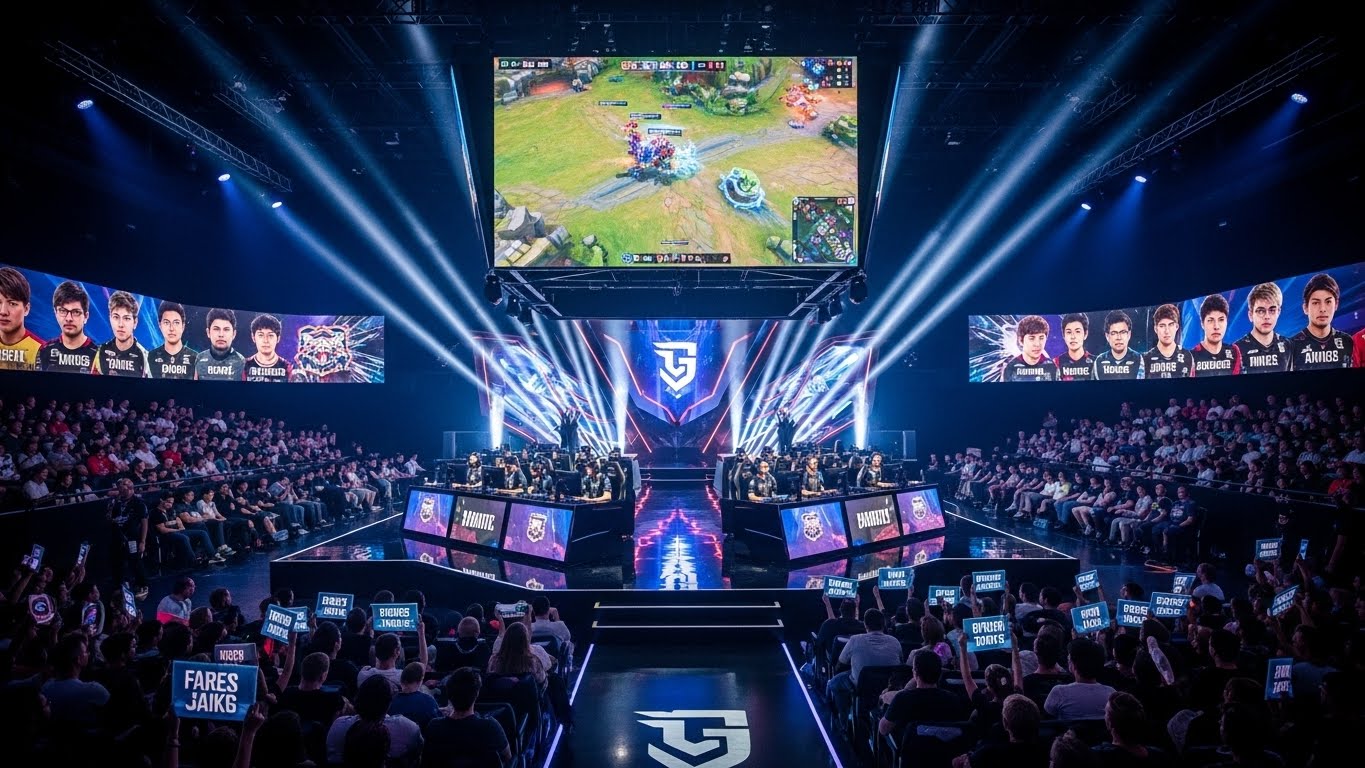
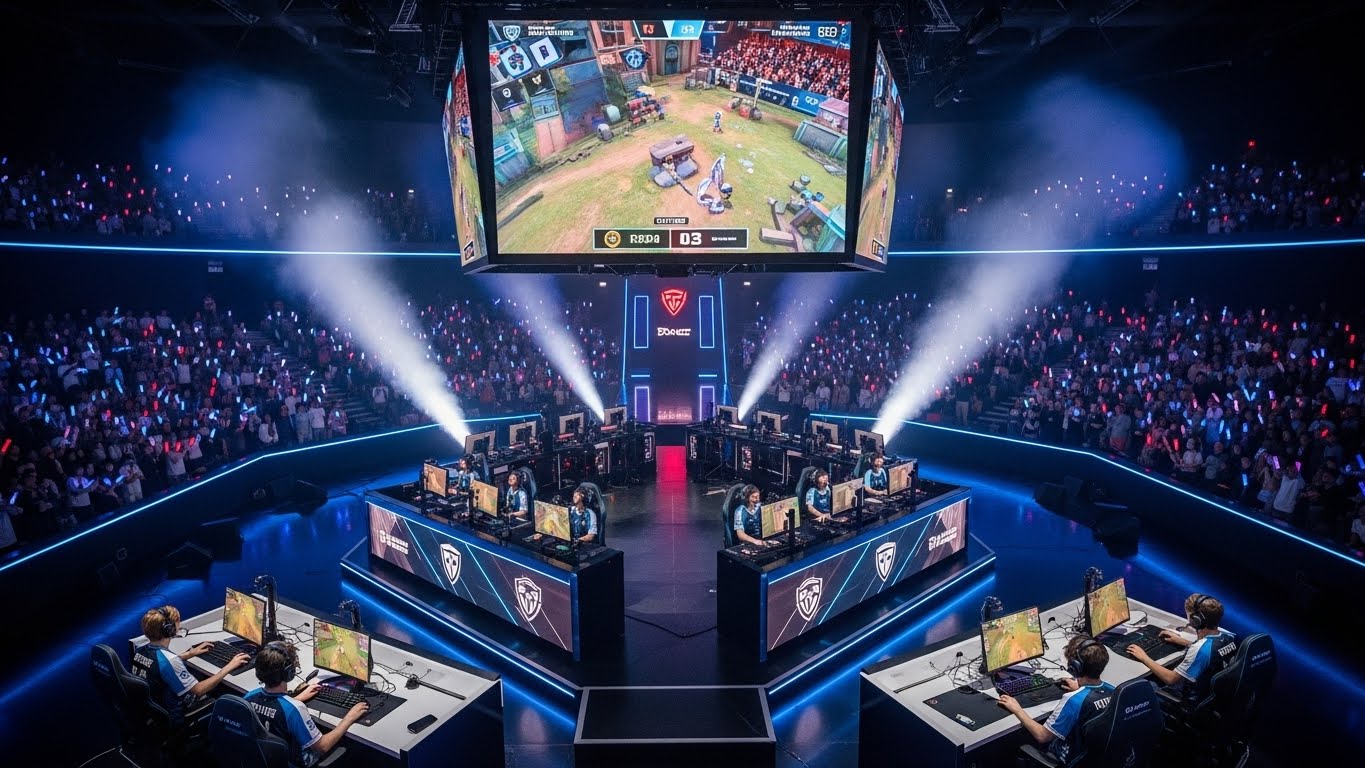
Esports, once a niche pursuit confined to dimly lit gaming cafés and small hobbyist gatherings, has transformed into a global phenomenon that rivals traditional sports in viewership, revenue, and cultural influence. Today, competitive gaming fills stadiums, drives massive online audiences, fuels multimillion-dollar sponsorship deals, and nurtures professional athletes who train with the same intensity and discipline as their physical-sport counterparts. In this blog, we explore the growth, significance, and future of esports, shedding light on how it became one of the most exciting developments in modern entertainment.
The Origin Story: From Arcade Cabinets to Global Stages
Esports did not emerge overnight. Its roots trace back to early arcade competitions in the 1980s, where high-score battles in games like Space Invaders captivated local communities. As technology advanced, the introduction of home consoles and personal computers expanded gaming accessibility. However, the true spark came with online multiplayer capabilities in the late 1990s and early 2000s. Games like StarCraft, Counter-Strike, and Warcraft III built competitive ecosystems that laid the foundation for structured tournaments and professional leagues.
The transition from casual competition to organized esports was marked by passionate fan engagement, dedicated players, and the rise of internet livestreaming. Platforms that allowed spectators to watch tournaments from anywhere in the world accelerated the industry’s growth and opened the door to global audiences.
The Professionalization of Competitive Gaming
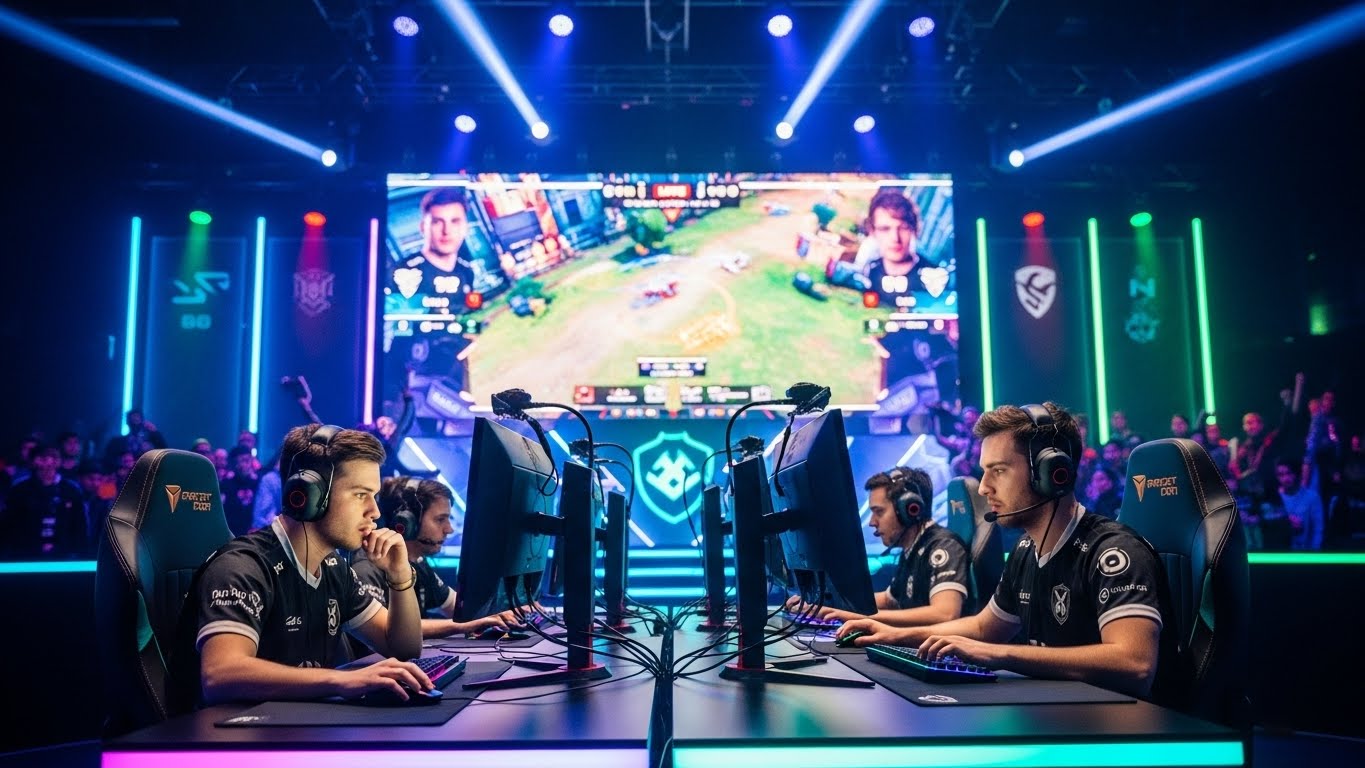
What truly defines modern esports is its professionalism. Today’s esports athletes follow rigorous training schedules, often practicing for eight to twelve hours a day. They study game mechanics, analyze opponents, maintain physical fitness, and work with coaches, analysts, nutritionists, and sports psychologists.
Professional organizations operate much like clubs in traditional sports. They recruit talent, manage media presence, secure sponsorships, and participate in international leagues. The rise of structured coaching systems and strategy development has elevated competitive gaming to an art that requires both mental sharpness and impressive reflexes.
The result is a well-defined ecosystem where teams, leagues, sponsors, and event organizers collaborate to elevate esports into a legitimate global sport.
Popular Esports Titles and Their Massive Communities
Many video games are played competitively, but only a select few reach the upper tier of esports popularity. These titles each develop unique cultures, dedicated fanbases, and professional circuits.
Multiplayer Online Battle Arena Games
Titles like League of Legends and Dota 2 dominate the MOBA genre. Their strategic depth, diverse character rosters, and dynamic gameplay create endless possibilities, keeping the competitive meta constantly evolving.
First-Person Shooters
Games such as Counter-Strike and Valorant offer intense, tactical gameplay that rewards precision and communication. Their global reach and long-standing competitive traditions make them pillars of esports culture.
Battle Royale Games
With massive player counts and unpredictable outcomes, games like Fortnite and PUBG introduced a fresh, chaotic energy to the competitive scene. Their events often draw younger audiences and feature innovative formats.
Sports Simulations and Fighting Games
Titles like FIFA, NBA 2K, and Street Fighter appeal to fans of traditional sports and classic arcade competitions. Their tournaments frequently serve as entry points for new spectators discovering esports.
Each game fosters its own ecosystem, complete with leagues, superstars, signature tournaments, and intense rivalries that captivate millions of fans worldwide.
The Spectator Experience: Why People Love Watching Esports
One of the defining features of esports is its ability to attract massive audiences. But what draws people to watch competitive gaming?
High-Level Skill and Strategy
Just as viewers admire the athleticism of basketball or football players, esports fans marvel at the mechanical skill, rapid decision-making, and teamwork displayed by top competitors.
Community Connection
Esports fosters a powerful sense of community. Fans gather online and at live events to share the excitement of gameplay, discuss strategies, and support their favorite teams.
Accessibility
Unlike traditional sports, viewers can play the same games they watch. This creates a unique bond between players and spectators, as they can practice the skills they see professionals use.
Immersive Production Value
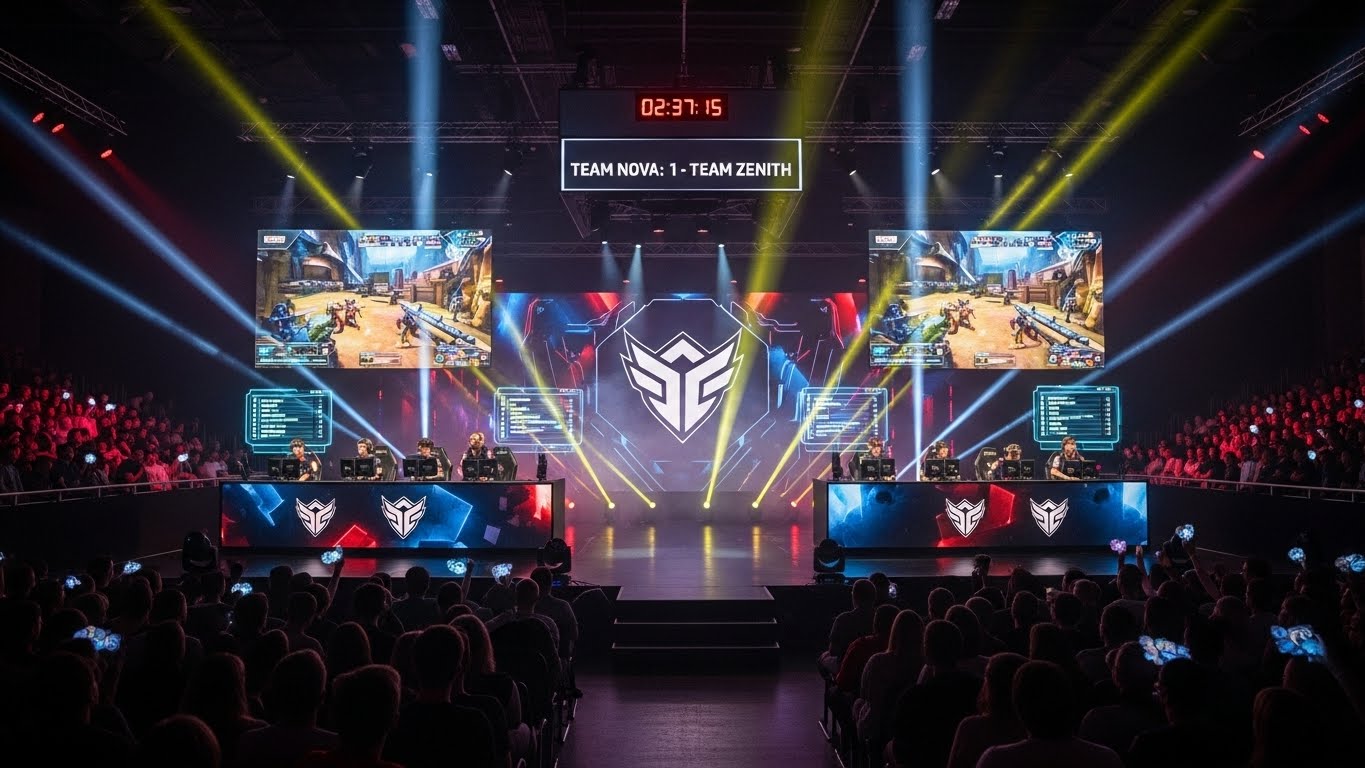
Modern esports events feature impressive graphics, commentary teams, stage lighting, and dramatic storytelling that rival any traditional sporting broadcast.
The Economic Engine Behind Esports
The financial landscape of esports has grown rapidly, with revenue streams coming from sponsorships, advertising, merchandise, media rights, and ticket sales. Professional teams sign sponsorship deals with major brands in technology, energy drinks, apparel, and even automotive industries.
Prize pools for some tournaments reach tens of millions of dollars, attracting elite talent and raising the stakes of competition. Meanwhile, colleges and universities have begun offering esports scholarships, recognizing both the academic value and the career opportunities in this expanding field.
Esports creates jobs far beyond players. Event organizers, shoutcasters, analysts, marketers, content creators, and production specialists all contribute to its thriving economy.
The Role of Technology in Shaping Esports Growth
Technology plays a monumental role in the evolution of esports. High-speed internet, powerful gaming hardware, and advanced graphics technology create seamless and visually stunning gameplay experiences. Streaming platforms allow players to broadcast their matches, interact with audiences, and build personal brands.
Virtual reality and augmented reality may soon push esports into new dimensions, offering immersive formats that were previously impossible. As innovations continue, esports stands to benefit from cutting-edge developments that keep the industry fresh and exciting.
The Social and Cultural Influence of Esports
Esports goes beyond entertainment; it has a meaningful social and cultural impact.
Youth Engagement
Competitive gaming offers young people a sense of belonging, teamwork, and accomplishment. It encourages strategic thinking, improves hand-eye coordination, and helps develop communication skills.
Breaking Geographical Barriers
Esports brings together players and fans from all corners of the world. Cultural exchange is constant, and international competitions highlight the global nature of the industry.
Challenging Stereotypes
Esports players were once dismissed as hobbyists, but the professionalism and athleticism displayed by modern competitors challenge stereotypes about gaming. Esports is increasingly recognized as a legitimate career path.
Inclusivity and Accessibility
Because esports relies on mental agility rather than physical strength alone, it opens doors for participants of all backgrounds, identities, and physical abilities.
The Educational Benefits of Competitive Gaming
More educators and parents are beginning to acknowledge the positive impact of esports. Schools are integrating gaming programs that support teamwork, leadership, and strategic planning. Some students discover their passion for technology, coding, broadcasting, or game design through exposure to esports programs.
Studies have shown that structured gaming can enhance multitasking skills, improve cognitive flexibility, and promote social interaction. When balanced responsibly, esports becomes a learning tool that prepares students for modern careers in a digitally driven world.
Challenges Facing the Esports Industry
Despite its success, esports faces several challenges that must be addressed for long-term sustainability.
Player Burnout
The demanding training schedules and constant travel can lead to physical and mental stress for professional players. The industry continues to explore ways to improve athlete welfare and longevity.
Regulation and Fairness
Esports needs stronger global standards in areas such as doping control, match integrity, and contractual fairness to protect players and maintain trust in the competitive ecosystem.
Gender Representation
While esports is open to all, female players often face harassment and limited opportunities. More initiatives are emerging to support women in gaming, but progress is ongoing.
Stability of Games and Leagues
Because esports depends on game publishers, sudden updates or shifts in developer priorities can impact competitive scenes. Creating stable, long-lasting ecosystems remains a challenge.
The Future of Esports: Boundless Possibilities
The momentum behind esports shows no sign of slowing. With growing investments, technological advancements, and global fan engagement, the future promises extraordinary possibilities.
Esports may soon become a recognized Olympic event. Virtual arenas could host fully immersive competitions. Partnerships with traditional sports organizations are already blending physical and digital worlds in innovative ways. As younger generations integrate gaming into daily life, esports will remain at the forefront of entertainment and cultural expression.
Conclusion: A New Era of Competitive Excellence
Esports has evolved from a pastime into a global cultural and economic force. It represents the future of competition, blending technology, creativity, skill, and community in a way no other activity can. As the digital world expands, esports will continue to break boundaries, inspire new generations, and reshape how society views sports, entertainment, and human potential.