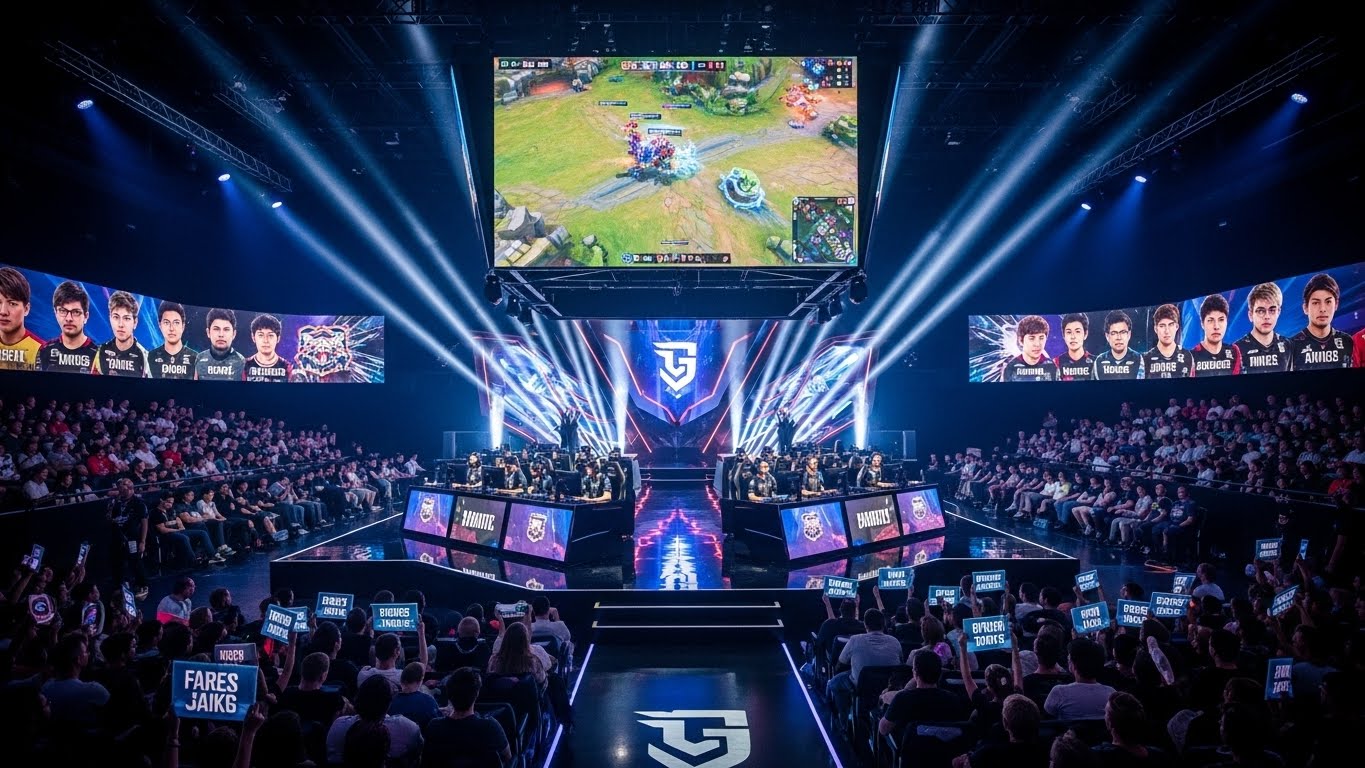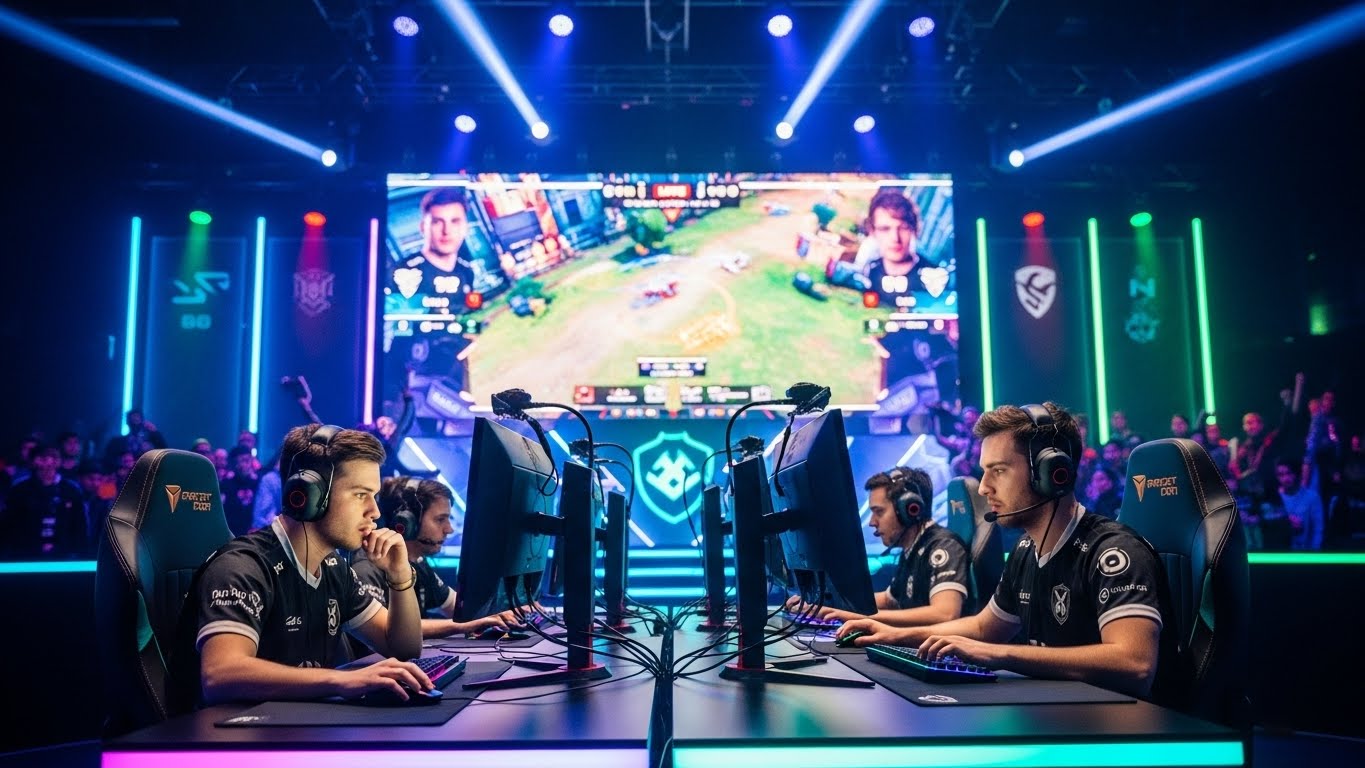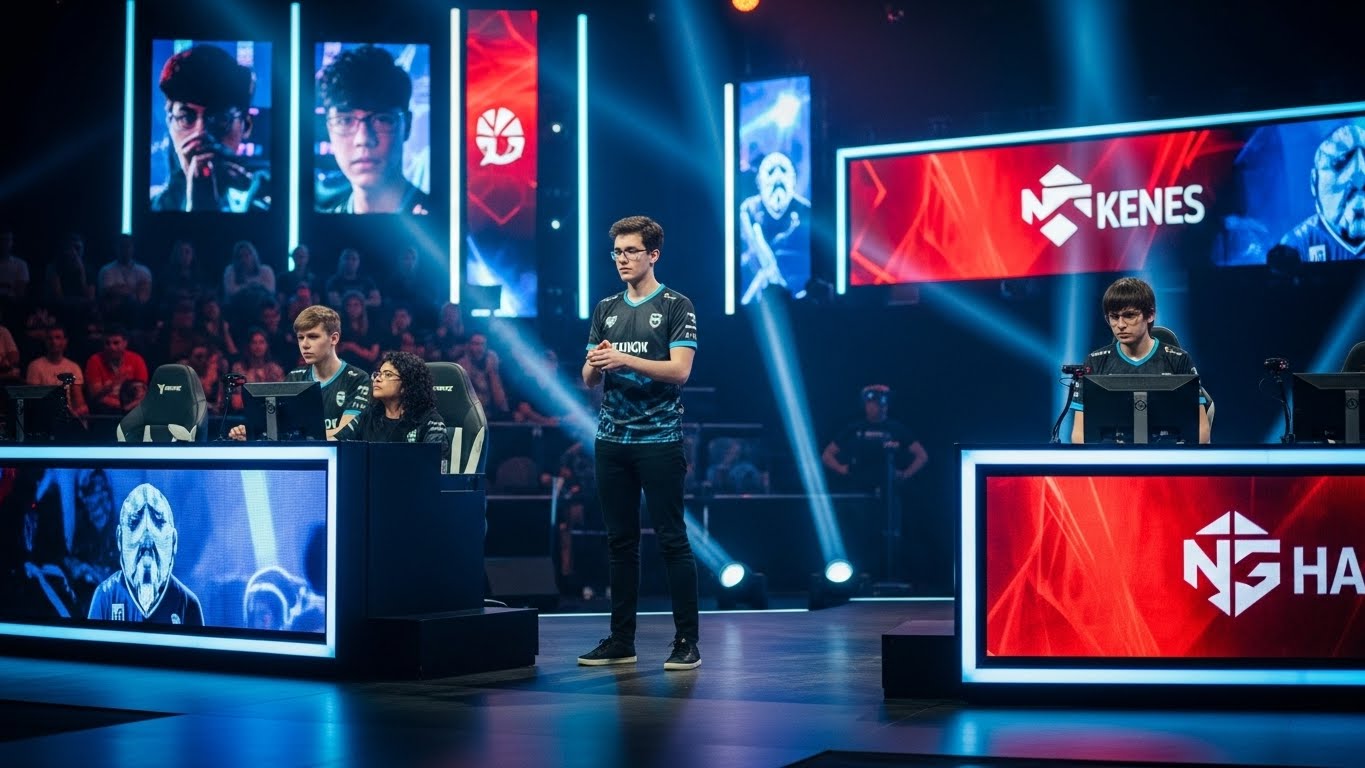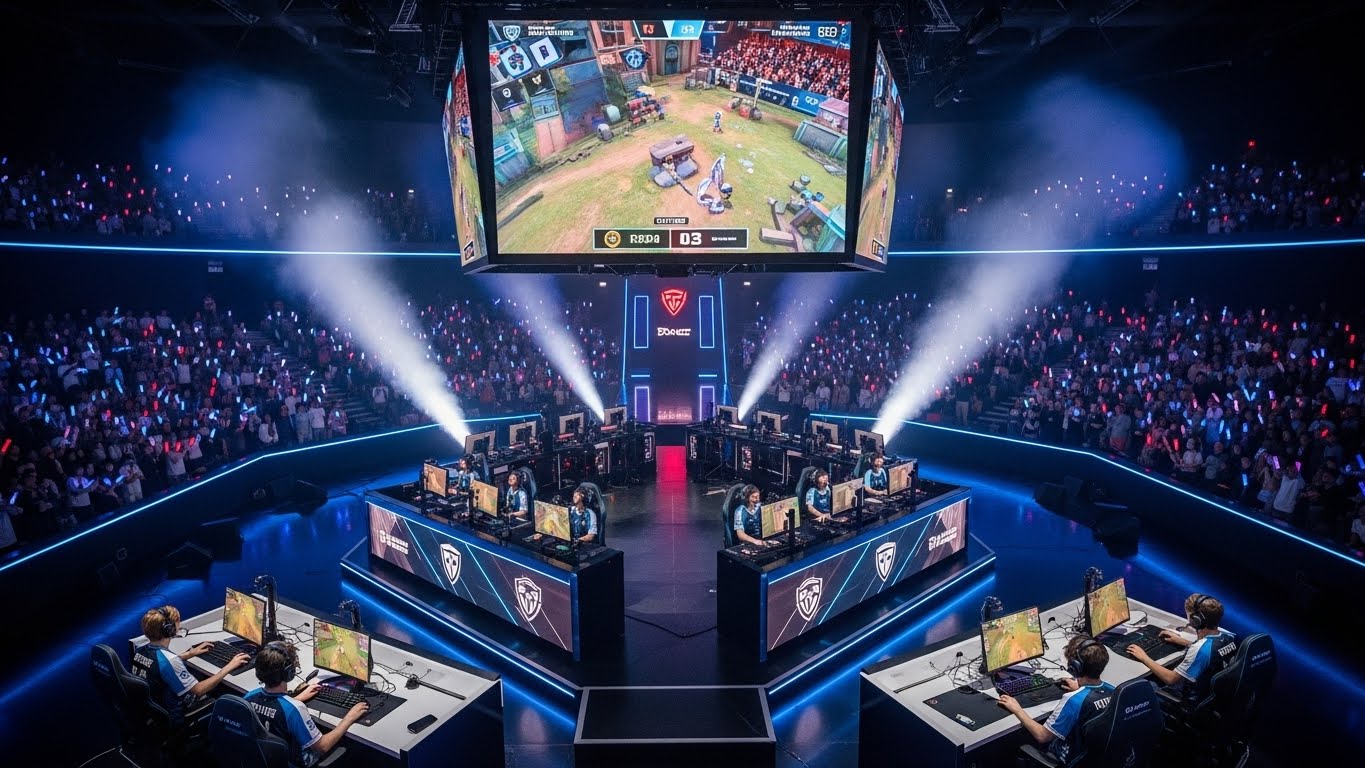
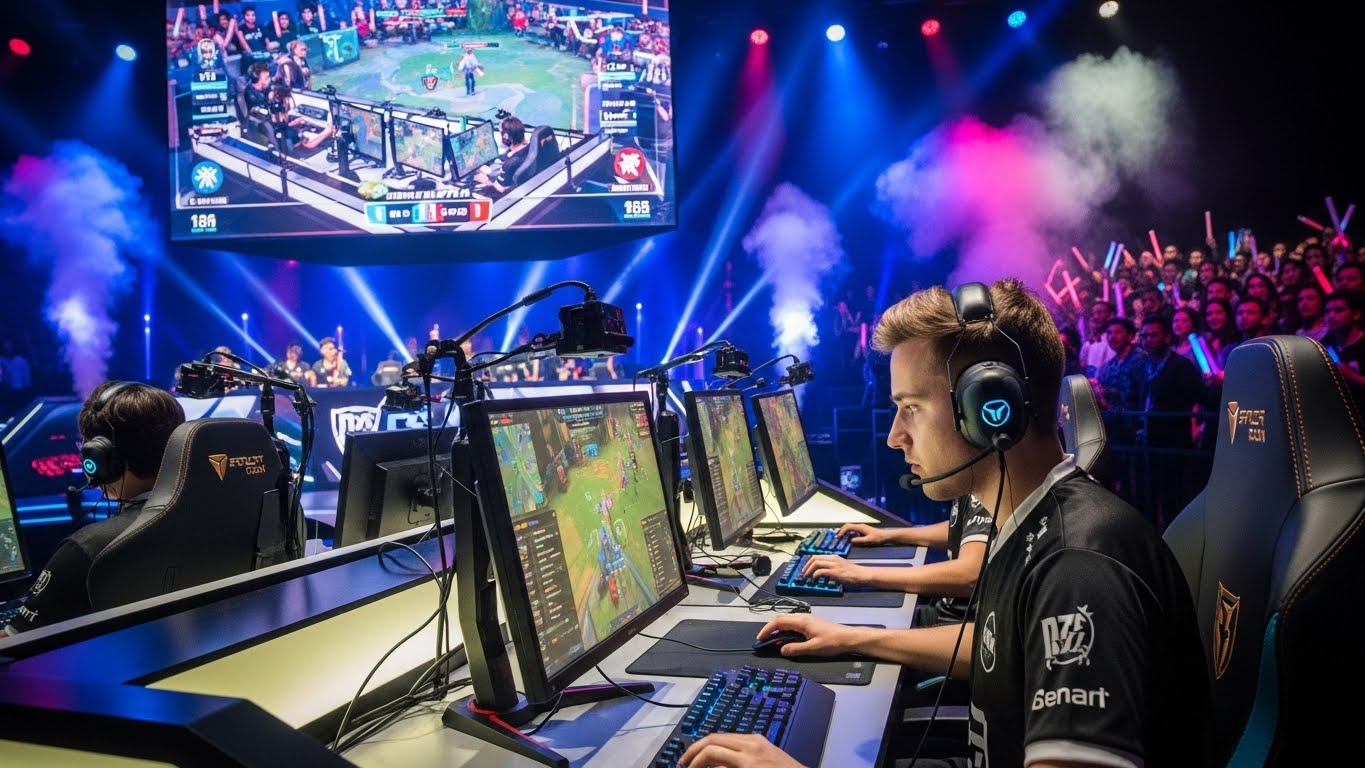
Esports has rapidly transformed from a niche hobby into a billion-dollar global industry, captivating millions of fans and players across the world. What once began as a small gathering of gamers competing for bragging rights is now a sophisticated ecosystem that encompasses professional leagues, streaming platforms, sponsorships, and massive global events. This blog post will explore the evolution of esports, its rise to mainstream popularity, and the elements that make it a unique phenomenon in the world of entertainment and competition.
What is Esports? A Quick Overview
At its core, esports (short for electronic sports) refers to competitive video gaming at a professional level. It involves individuals or teams competing against each other in various video game genres, such as real-time strategy (RTS), multiplayer online battle arenas (MOBAs), first-person shooters (FPS), and sports simulation games. The rise of esports has introduced a new form of competition that mirrors traditional sports in many ways, but it also brings unique aspects to the table, such as digital platforms, virtual arenas, and a global audience.
What makes esports distinct is not just the gameplay, but the structure around it. It includes professional tournaments, sponsorship deals, live streaming platforms, and a dedicated fanbase that rivals those of traditional sports like football, basketball, and baseball.
The Origins of Esports: From Arcade Games to Online Competitions
Esports’ journey began in the late 20th century, where the first seeds of competitive gaming were planted in arcades. The 1980s saw the advent of early video games like Pong, Space Invaders, and Pac-Man, which attracted competitive players, but these were more about high scores rather than formal competition.
The first real esports tournaments began in the 1990s with the rise of games like Doom, Quake, and StarCraft. In 1997, the Red Annihilation tournament for Quake was one of the first major esports events, where players competed for a Ferrari as the grand prize. This marked the first step toward a growing industry of competitive gaming.
By the early 2000s, the proliferation of high-speed internet and the rise of gaming communities like Battle.net (for StarCraft) and Garena (for Warcraft III) laid the groundwork for online competitions. Professional leagues began to form, particularly in countries like South Korea, where games like StarCraft became a national pastime. The Korean eSports Association (KeSPA) formed in 2000, solidifying esports as a serious, structured endeavor.
The Global Expansion of Esports: From Niche to Mainstream
The 2010s marked the decade when esports truly began to flourish on a global scale. With major gaming titles like League of Legends, Dota 2, Counter-Strike: Global Offensive, and Overwatch dominating the competitive scene, esports became an internationally recognized industry.
One of the key drivers behind this global expansion was the rise of live-streaming platforms, most notably Twitch. Launched in 2011, Twitch provided gamers with an easy way to broadcast their gameplay to a global audience, allowing players to share their skills and strategies, and building a fanbase in the process. This platform has since become the epicenter of esports, where fans can watch live tournaments, interact with players, and engage in the broader gaming community.
Furthermore, esports events grew in scale, with prestigious tournaments offering multi-million-dollar prize pools. The Dota 2 International (TI), for example, boasts one of the largest prize pools in all of esports, regularly exceeding $40 million. These events are now held in grand arenas, streamed live to millions of viewers across the globe, and feature world-class commentary and analysis.
Major media outlets began to take notice of esports as well. Traditional television networks and cable channels began airing esports events, further legitimizing gaming as a spectator sport. Major newspapers and magazines now feature esports sections, while high-profile sports franchises have invested in esports teams, further blurring the line between traditional and digital sports.
Esports Ecosystem: Tournaments, Teams, and Sponsors
Esports operates within a complex ecosystem, made up of several interdependent sectors that help the industry thrive. Understanding this ecosystem is crucial to grasping the full scope of esports’ impact.
Esports Tournaments and Leagues
At the heart of esports is its competitive structure. Esports tournaments bring together top-tier players and teams to compete for substantial cash prizes and global recognition. Tournaments like the League of Legends World Championship, Overwatch League, and Intel Extreme Masters attract the best players from around the world.
Tournaments typically follow either a league-based format (where teams compete in a series of matches throughout the season) or a single-elimination tournament format. These events are often held in iconic locations like the Barclays Center in New York or the Mercedes-Benz Arena in Berlin, showcasing the scale of modern esports competitions.
Esports Teams and Players
Esports teams are a fundamental component of the competitive scene. These teams are typically made up of highly skilled players who specialize in specific games or game modes. Just like traditional sports teams, esports organizations often sign players to contracts, provide training facilities, and offer coaching staff to ensure top-tier performance.
Some of the most popular and successful esports organizations include Team Liquid, Cloud9, T1, and FaZe Clan. These organizations not only field top players but also work with brands to secure sponsorships, team apparel, and merchandising deals, ensuring financial sustainability.
Individual players, too, have garnered massive followings. Legendary figures like Faker (League of Legends), Ninja (Fortnite), and s1mple (Counter-Strike: Global Offensive) have become household names in the gaming community, amassing millions of followers on social media and streaming platforms.
Sponsorships and Brand Partnerships
As esports became more mainstream, it caught the attention of major corporations looking to tap into the growing gaming demographic. Tech companies like Intel, Nvidia, and ASUS have long been involved in the esports scene, sponsoring tournaments and providing high-performance equipment to players.
Brands from outside the tech world, such as Coca-Cola, Nike, and even car manufacturers, have also partnered with esports teams and tournaments. These sponsorships help fund esports competitions, improve the quality of production, and elevate the overall experience for players and fans alike. Sponsorships also help to professionalize esports by providing players and teams with financial stability.
The Impact of Esports on the Entertainment Industry
Esports is no longer just a subculture; it is now a legitimate force within the global entertainment industry. The production value of major esports events rivals that of traditional sports broadcasts. In fact, tournaments like The League of Legends World Championship have drawn more viewers than the Super Bowl in recent years.
The impact of esports also extends to the world of sports betting, with millions of dollars being wagered on competitive gaming events each year. The proliferation of mobile esports games has even created a new market segment, allowing casual gamers to engage in competitive play from anywhere at any time.
Moreover, the rise of esports has led to the emergence of academic programs and scholarships dedicated to gaming. Many universities now offer esports management degrees, while top-tier colleges provide gaming scholarships to talented players, helping them pursue both their passion for gaming and higher education.
Challenges Facing the Esports Industry
Despite its rapid growth, esports still faces several challenges that could hinder its future success. One of the most significant concerns is the lack of regulation and standardization across the industry. Unlike traditional sports, which have long-established governing bodies and rules, esports remains fragmented, with different games, tournaments, and leagues operating independently.
Additionally, player burnout is a growing issue in esports, with many top-tier players facing intense pressure and exhaustion due to the demands of constant competition and practice. The physical toll of long hours spent in front of a screen is also a health concern, leading to calls for improved player wellness and work-life balance.
Lastly, while esports has garnered immense popularity in certain regions, it has yet to fully penetrate markets in some parts of the world. The lack of infrastructure, internet access, and cultural barriers in regions like Africa and parts of South America remain significant obstacles.
The Future of Esports: What Lies Ahead?
Looking ahead, the future of esports appears incredibly promising. With global viewership expected to continue growing, the industry’s financial potential is vast. As technology evolves, esports may continue to innovate, with advancements like virtual reality (VR) and augmented reality (AR) adding new layers to competitive gaming.
Moreover, the integration of esports with traditional sports leagues could lead to cross-industry partnerships that bring more exposure and opportunities to competitive gaming. While challenges remain, the esports community’s resilience and adaptability suggest that it will continue to thrive, potentially becoming one of the most dominant entertainment industries of the 21st century.
Conclusion: The Esports Phenomenon Is Here to Stay
Esports has come a long way since its humble beginnings, and it’s clear that it is no passing trend. With a dedicated player base, an expanding fan community, and a thriving ecosystem of teams, leagues, and sponsors, esports is well on its way to becoming a staple of the global entertainment landscape. Whether you’re a casual gamer or a die-hard fan, it’s impossible to ignore the profound impact esports has had on the way we think about competition, entertainment, and sports in general.
As the esports industry continues to grow and evolve, one thing is certain: the future of competitive gaming is bright, and it’s only just getting started.