Introduction: Esports in the Spotlight
Esports, once a niche subculture confined to the corners of internet cafés and underground gaming tournaments, has exploded into a multi-billion-dollar global phenomenon. Today, competitive gaming is not just about playing video games—it’s about entertainment, culture, and professional sports. From sold-out arenas and streaming platforms like Twitch to corporate sponsorships and celebrity players, esports is a force that has reshaped how we view entertainment and competition.
In this blog, we’ll explore the origins of esports, its rapid rise in popularity, the key factors driving its success, and the future that awaits this digital powerhouse.
The Origins of Competitive Gaming
The roots of esports stretch back to the early 1990s, when competitive gaming first started to take shape. At that time, online multiplayer gaming was becoming increasingly accessible, particularly with the rise of games like Doom and Warcraft. While not yet formally recognized as esports, these games allowed players from all over the world to compete against each other via local area networks (LAN) and dial-up internet connections.
The late 1990s marked a crucial turning point for esports when StarCraft and Quake introduced competitive multiplayer tournaments, first on a small scale and then with larger, organized events. These early tournaments were localized, but they laid the groundwork for what would eventually become a global industry. It wasn’t long before international tournaments like the World Cyber Games and Electronic Sports World Cup emerged, giving birth to the idea of esports as we know it today.
The Role of Streaming and Digital Platforms
One of the defining factors of esports’ meteoric rise is the role played by streaming platforms. The advent of Twitch, YouTube Gaming, and other platforms gave fans unprecedented access to live broadcasts of competitive gaming events. Viewers could now watch top players in real-time, much like traditional sports fans tune in to watch their favorite athletes.
Streaming not only brought esports into the mainstream, but it also created an ecosystem where viewers could engage with content creators, chat with fellow fans, and even donate money to support their favorite players. This shift in how fans consume content was a game-changer, both for the industry and the players themselves.
For professional gamers, streaming became not just a way to build a following, but also a revenue stream. Popular streamers and esports players built their careers not just by winning tournaments, but by creating an online presence that allowed them to connect with fans on a personal level. The intimacy that streaming platforms offer has helped turn esports into a global community of passionate, loyal supporters.
Esports as a Profession: From Hobby to Career
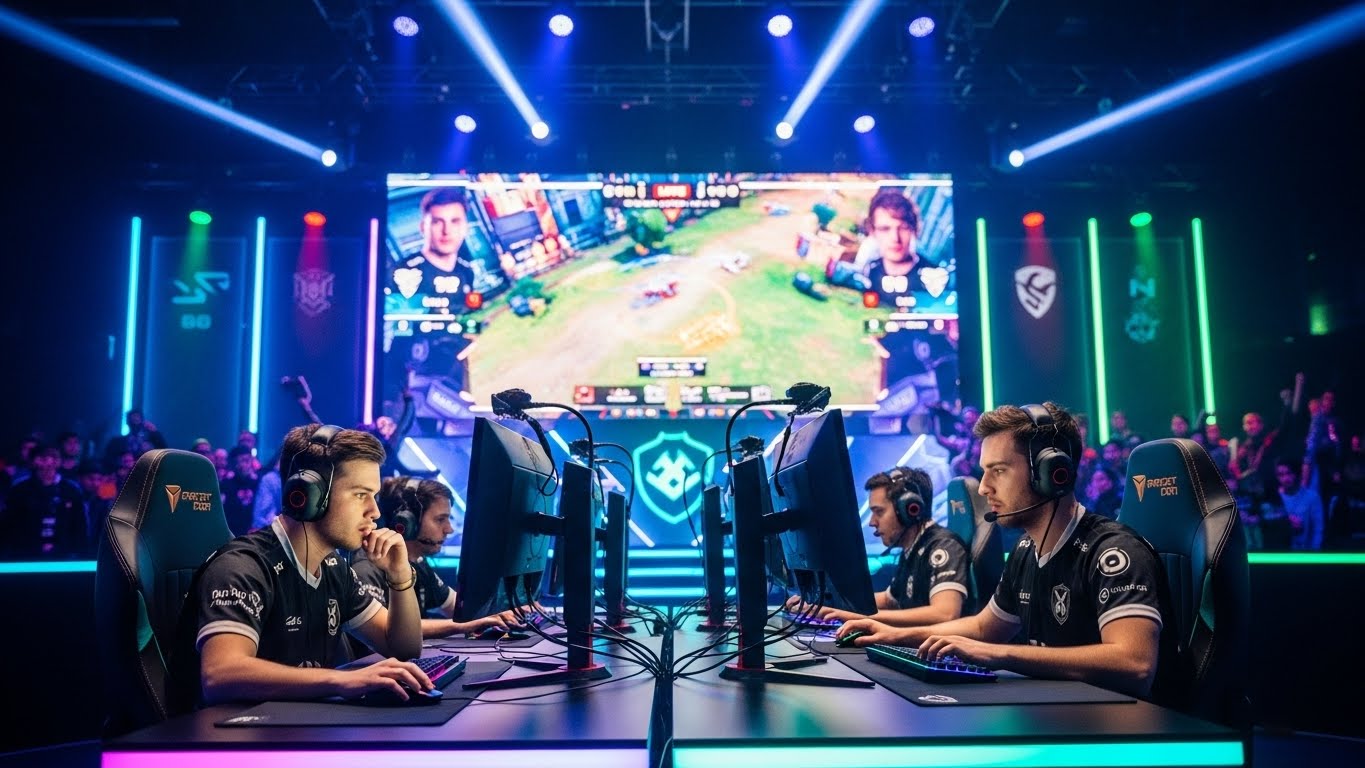
While the casual gamer plays for fun, professional esports players treat gaming as their career. Just as athletes train for physical sports, esports professionals spend countless hours honing their skills. They practice strategies, perfect their reflexes, and analyze their competitors to gain a competitive edge. Esports players typically belong to professional teams, and like traditional sports teams, these organizations provide coaching, sponsorships, and team-oriented support.
The rise of esports has also created job opportunities that extend beyond players. There is a demand for coaches, analysts, event organizers, broadcasters, and even psychologists. Esports organizations hire analysts to help break down strategies, coaches to guide teams, and content creators to build a brand. These professionals ensure that players are at their peak, both mentally and physically.
The salaries of top esports players are substantial. In addition to tournament winnings, which can often exceed millions of dollars, many professional players secure lucrative sponsorships with major brands in the tech, energy drink, and apparel industries. Some esports players even have their own merchandise lines, which further fuels their income. As esports grows, the financial opportunities expand, with players, coaches, and staff seeing their careers evolve into high-paying positions.
The Mechanics of an Esports Tournament
An esports tournament is often much more than just a series of matches; it is an immersive experience that combines entertainment, competition, and fan engagement. The structure of an esports tournament varies by game and region, but many follow a similar format. Competitors are typically placed into brackets based on seeding or regional qualifiers, and the winners advance through elimination rounds until a champion is crowned.
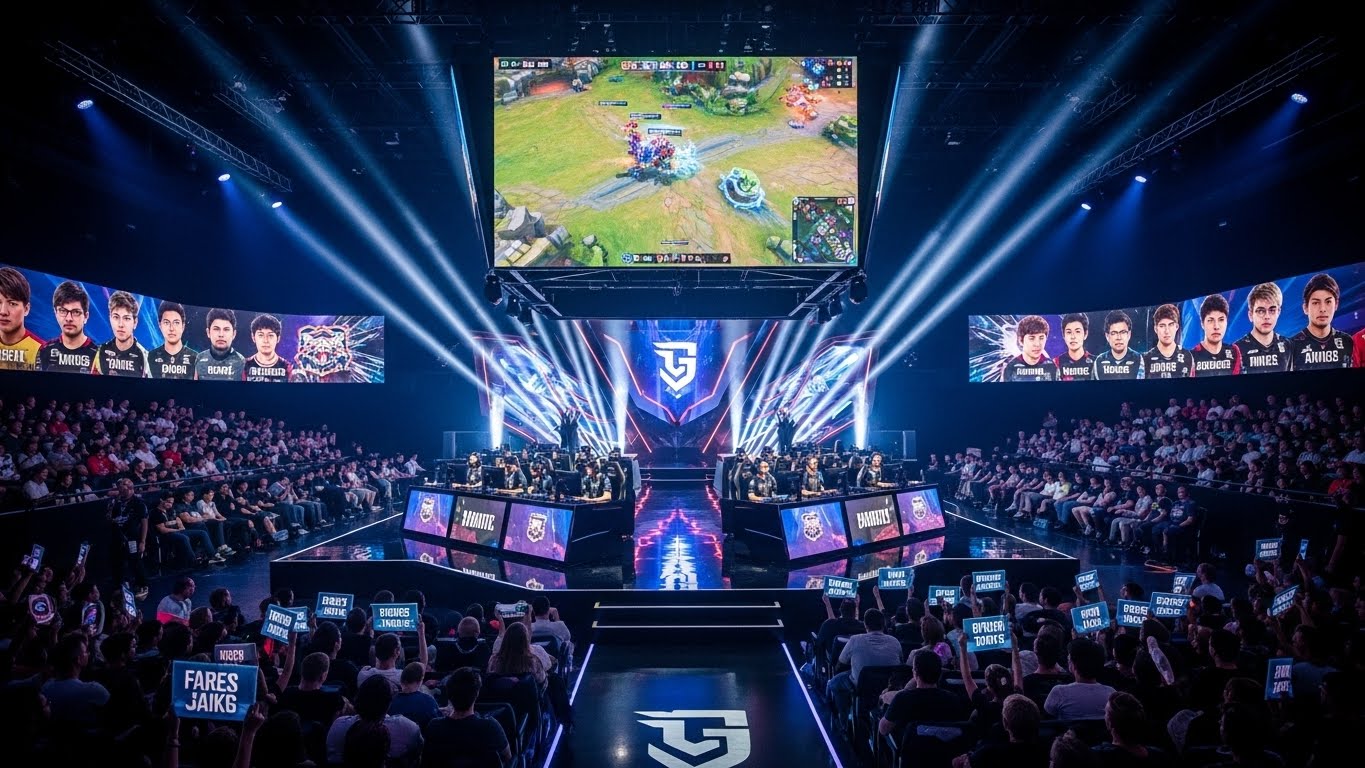
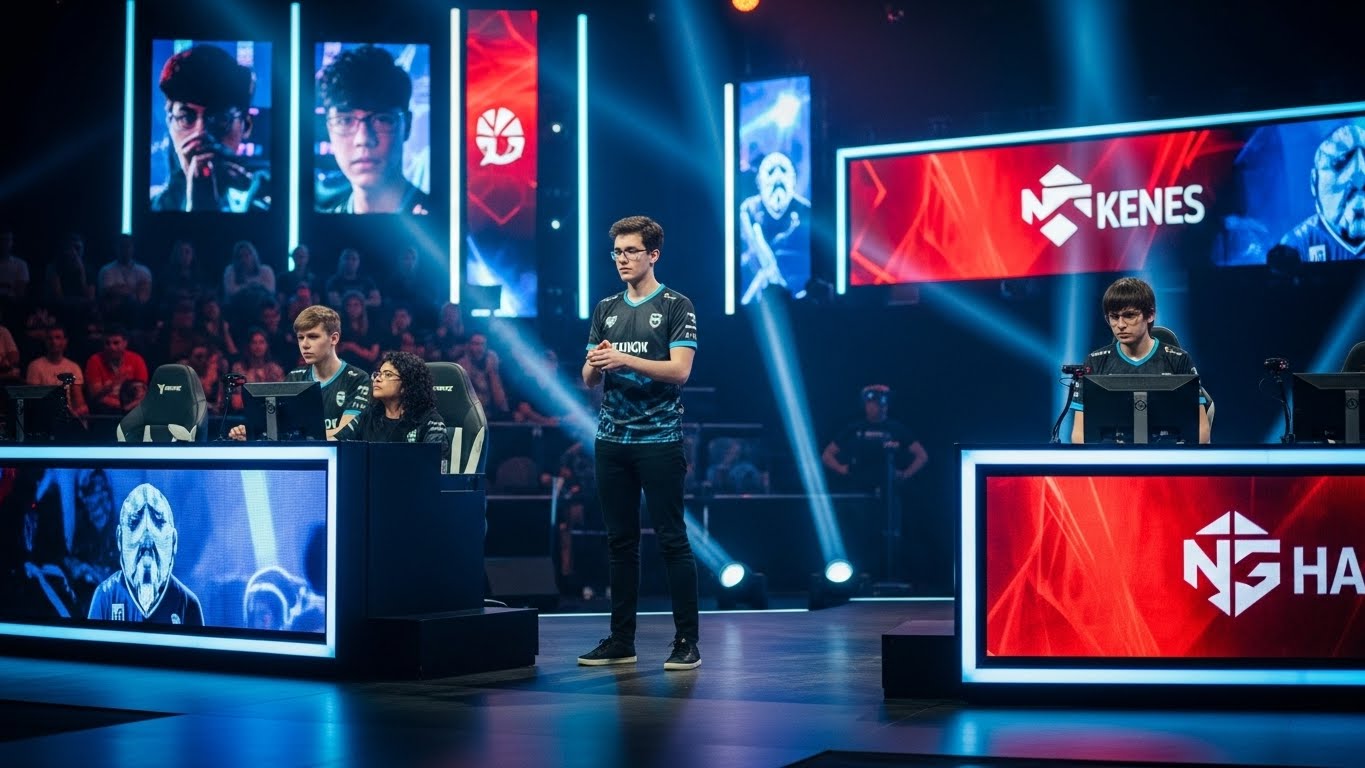
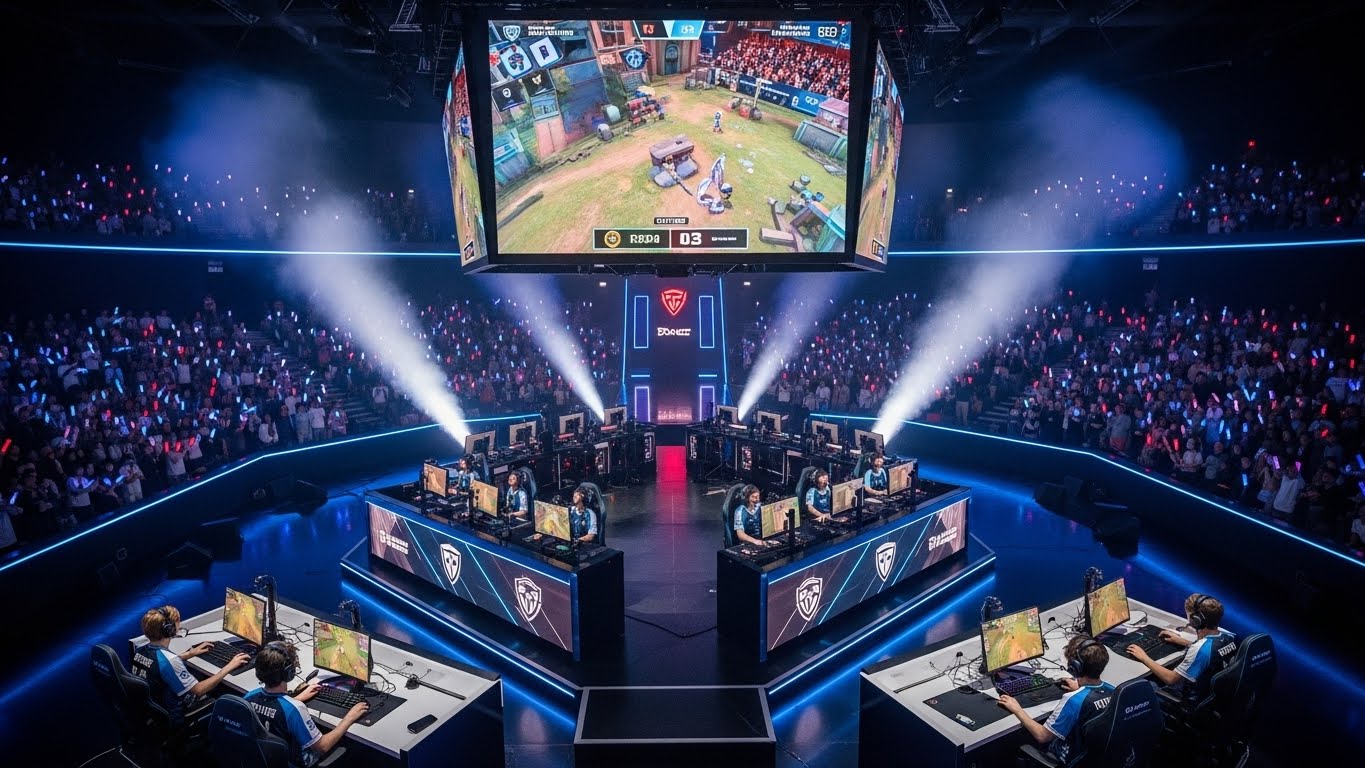
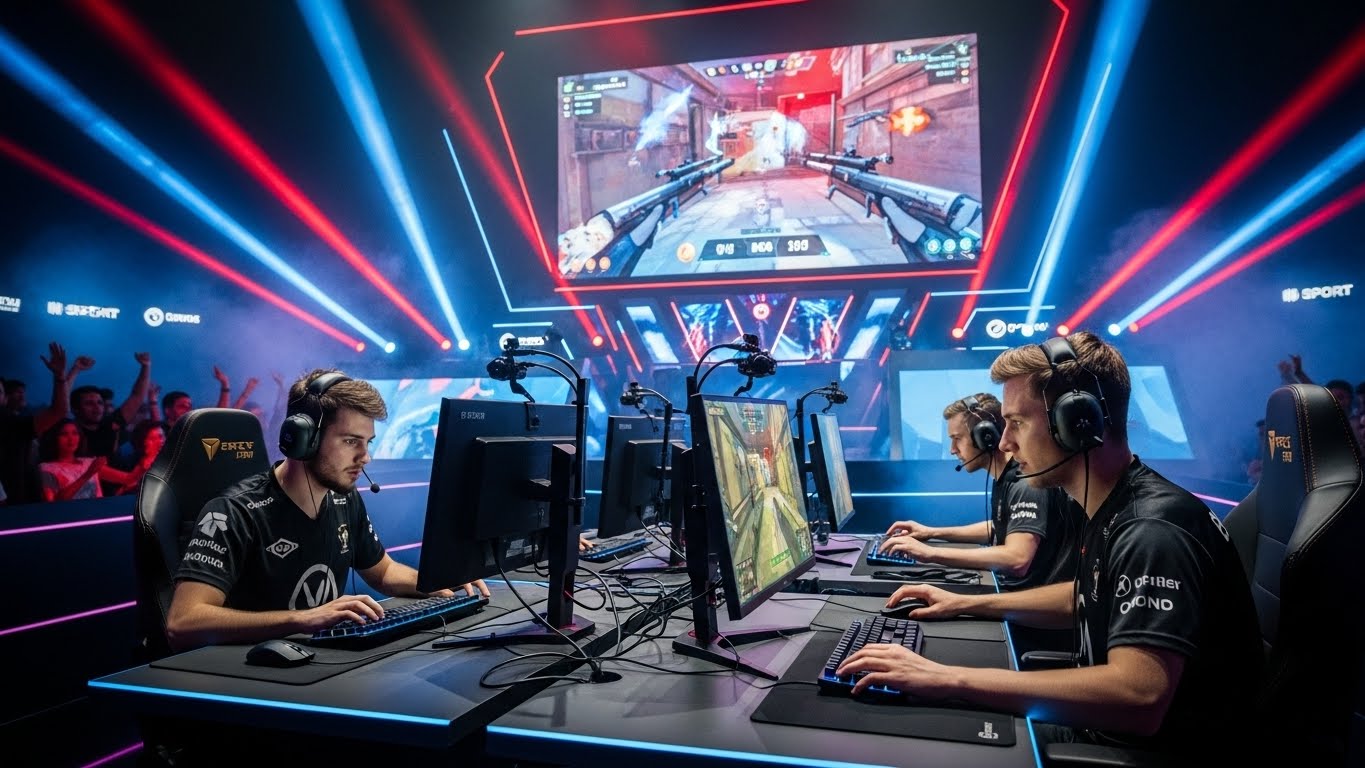
Some of the most prominent esports tournaments, like The International (Dota 2), League of Legends World Championship, and CS:GO Majors, are broadcasted live to millions of viewers around the world. These events feature high production values, with stunning graphics, professional commentators, and stadium-like environments that mimic the atmosphere of traditional sports. Players are often treated like celebrities, with dedicated fans cheering them on, sometimes even in person. The combination of world-class gameplay, intense competition, and massive prize pools makes these events an unparalleled spectacle.
Esports: A Global Community
Esports is unique in that it brings together people from all corners of the globe. Unlike traditional sports, where geographical boundaries often restrict participation and viewership, esports thrives on its international appeal. The internet has eliminated barriers to entry, allowing anyone with a gaming setup and a good internet connection to join in. This global accessibility has made esports a truly universal form of entertainment, uniting fans from different cultures and backgrounds.
Language, too, is no longer an obstacle, as many tournaments provide live translations and multi-language broadcasts. For instance, the League of Legends World Championship features play-by-play commentary in multiple languages, giving fans from all over the world the chance to follow the action in real-time.
In addition to international tournaments, online leagues and regional competitions have become integral parts of the esports ecosystem. These events create opportunities for aspiring players to rise through the ranks and eventually compete at the highest levels. Esports organizations scout talented players from various regions, and many players dream of making it to global stages.
The Rise of Mobile Esports
In recent years, mobile gaming has become a massive part of the esports landscape. Games like PUBG Mobile, Free Fire, and Clash Royale have made it possible for players to compete in professional-level tournaments using just their smartphones. Mobile esports has opened the door for players in regions with less access to gaming PCs or consoles, democratizing competitive gaming even further.
The growing popularity of mobile esports is especially evident in Asia, where mobile gaming has long been a dominant force. Countries like China, India, and Southeast Asia have embraced mobile esports, and large-scale tournaments are now held regularly in these regions. For a new generation of players who may not have the means to afford expensive gaming equipment, mobile esports offers a viable pathway to professional competition.
Esports Sponsorships and Revenue Generation
Esports has become a lucrative business for many companies. Sponsorship deals are one of the primary sources of revenue for esports organizations and tournaments. Major brands such as Intel, Red Bull, Coca-Cola, and BMW have all made significant investments in esports, recognizing the huge potential in reaching a tech-savvy, young, and highly engaged audience.
Sponsorships come in many forms—teams and players may wear branded jerseys, use specific gaming equipment, or partner with companies for exclusive content. These partnerships provide brands with access to millions of viewers, and in return, they inject much-needed financial support into the esports ecosystem.
Media rights, ticket sales, and merchandise also contribute to esports’ growing revenue stream. The streaming platforms that host esports tournaments generate revenue through advertisements, subscriptions, and exclusive broadcasting rights. With esports’ widespread reach and appeal, its market value continues to climb, and companies are eager to cash in on its success.
Challenges Facing Esports
While esports continues to experience explosive growth, it’s not without its challenges. One of the most pressing concerns is the mental and physical toll that professional gaming takes on players. Esports players often spend up to 12 hours a day practicing and competing, leading to burnout, stress, and injuries like repetitive strain injuries. In response, teams are incorporating more holistic approaches to player health, including psychological support and physical therapy.
Another challenge facing esports is the lack of universal governance. While traditional sports have governing bodies that regulate rules, enforce fair play, and mediate disputes, esports is still largely fragmented. Each game has its own rules and governing structure, and issues like cheating, match-fixing, and disputes between organizations can sometimes go unresolved.
The Future of Esports
Looking ahead, the future of esports is incredibly promising. As technology continues to evolve, new opportunities will emerge for players, teams, and fans alike. Virtual reality (VR) and augmented reality (AR) are poised to play a larger role in esports, potentially transforming the way we experience gaming.
In addition to the technological advancements, the continued growth of mobile gaming, the integration of esports into educational institutions, and the rise of new competitive titles all point to a bright future for esports. It’s not just a passing trend; esports is here to stay, with the potential to become one of the dominant forms of global entertainment.
Conclusion: A Cultural and Professional Revolution
Esports has come a long way from its humble beginnings as a niche hobby. Today, it stands as one of the fastest-growing industries in the world, capturing the attention of millions of fans, players, and investors. With its global reach, professional opportunities, and innovative approach to entertainment, esports is not just reshaping the way we think about gaming—it is redefining the concept of competition and leisure in the 21st century.
As the digital revolution continues to evolve, esports is positioned to remain at the forefront of entertainment. Whether you’re a player, fan, or spectator, one thing is certain: esports has changed the game.