Introduction
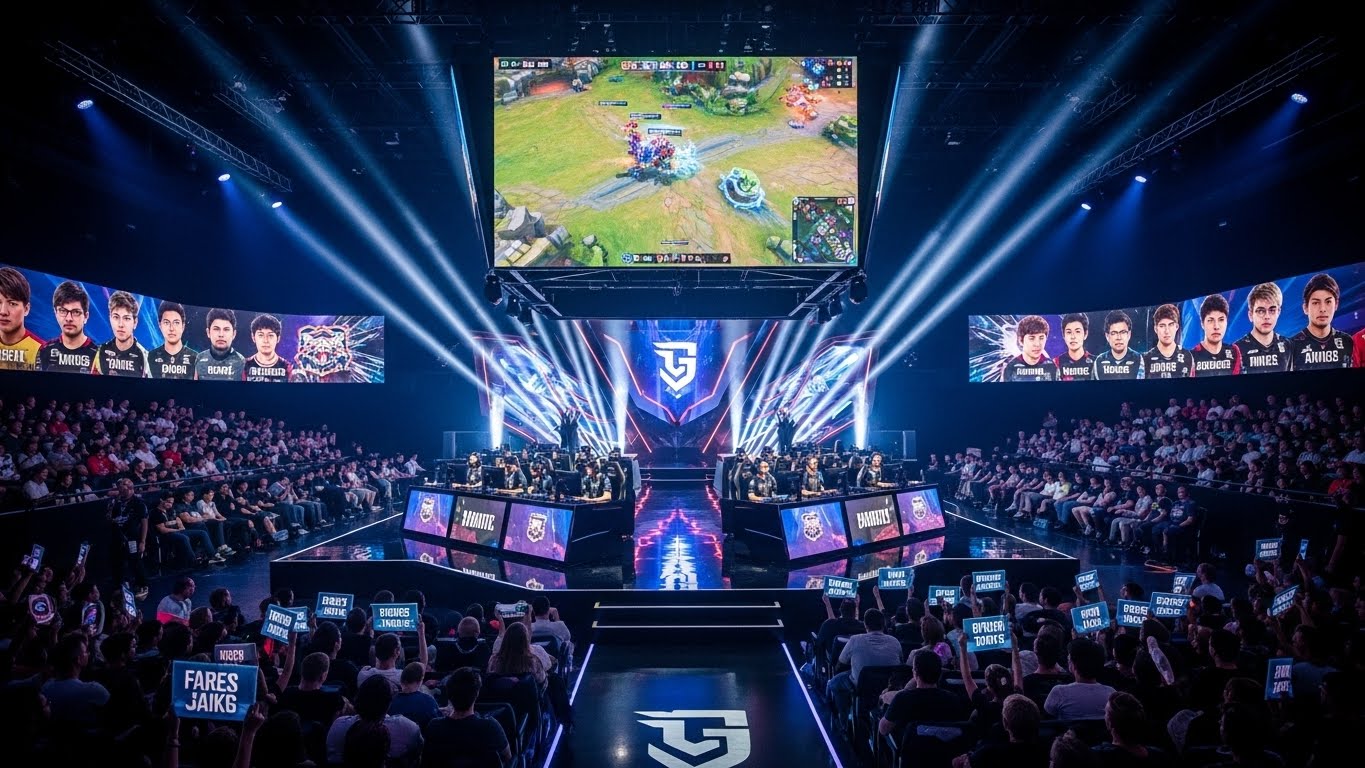
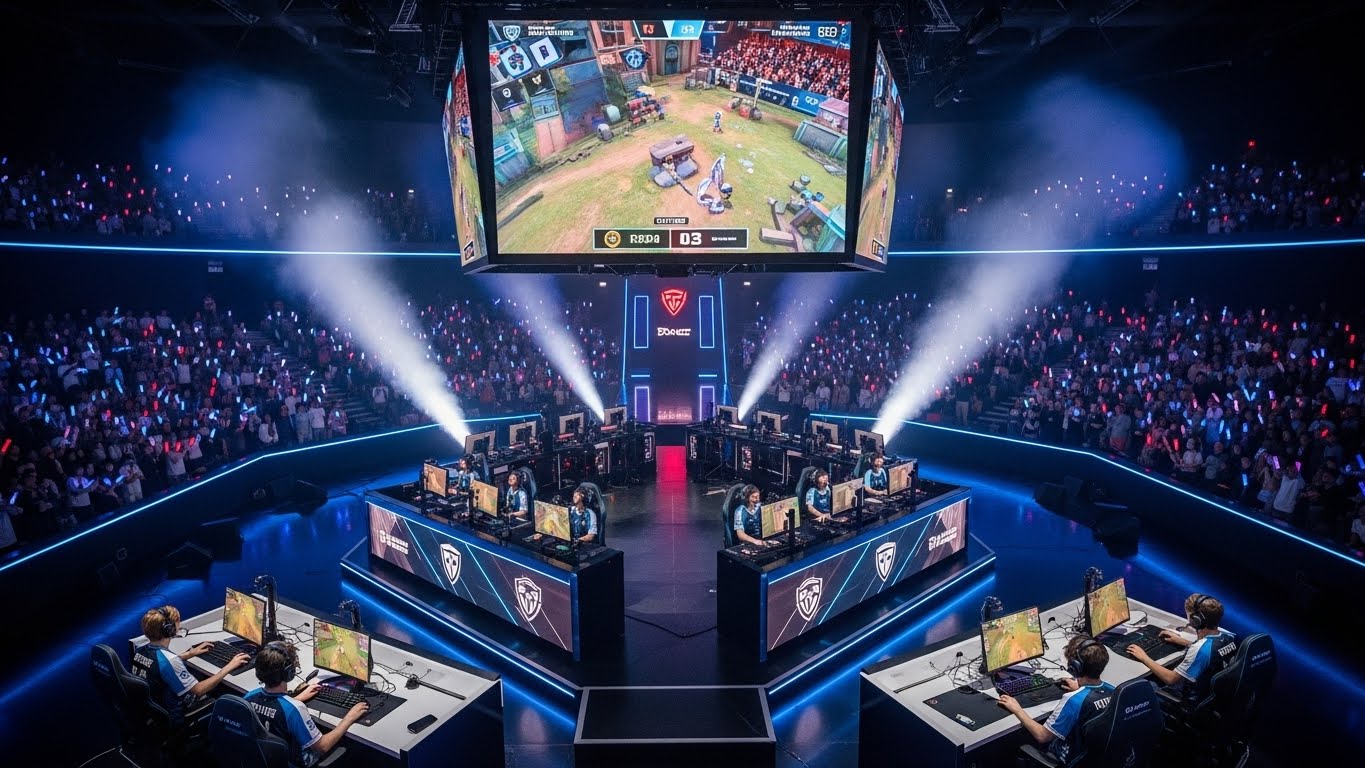
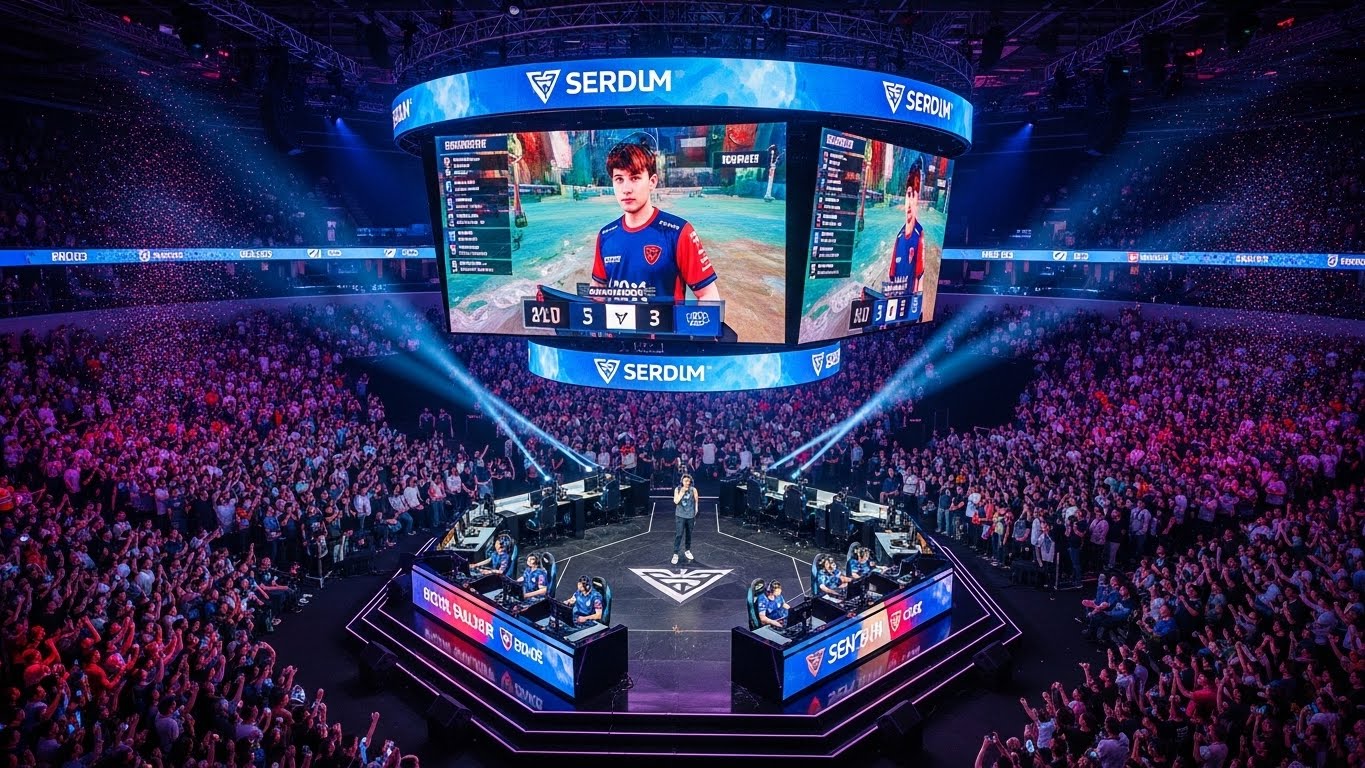
Esports, or electronic sports, has grown from a niche hobby into a global phenomenon in less than three decades. Once considered a pastime for a small community of gamers, it has evolved into a highly organized and lucrative industry, attracting professional players, massive audiences, and corporate sponsorships. Today, esports rivals traditional sports in terms of fan engagement, media attention, and competitive intensity. It represents a unique fusion of technology, strategy, skill, and entertainment. This blog explores the rise of esports, its cultural and economic impact, the challenges it faces, and what the future holds for this transformative industry.
The Origins of Esports
The history of esports can be traced back to the early days of video gaming in the 1970s and 1980s. Early arcade competitions, such as high-score challenges in games like Space Invaders, drew small crowds but demonstrated the human desire for competition. By the 1990s, local area networks and online connectivity enabled players to compete across regions, setting the stage for multiplayer tournaments. Games like Quake, StarCraft, and Counter-Strike laid the foundation for modern esports, emphasizing skill, strategy, and teamwork.
These early competitions were grassroots efforts organized by gaming communities, universities, and small companies. Despite their modest beginnings, they cultivated a culture of competitive gaming that would grow exponentially with the rise of the internet and streaming platforms.
The Rise of Professional Esports
The 2000s marked the professionalization of esports. Game developers began designing competitive games with balanced mechanics and ongoing updates to sustain long-term engagement. Professional leagues emerged, complete with team contracts, coaching staff, analysts, and sponsorships. Titles like League of Legends, Dota 2, Overwatch, and Call of Duty became flagship games for organized esports competitions.
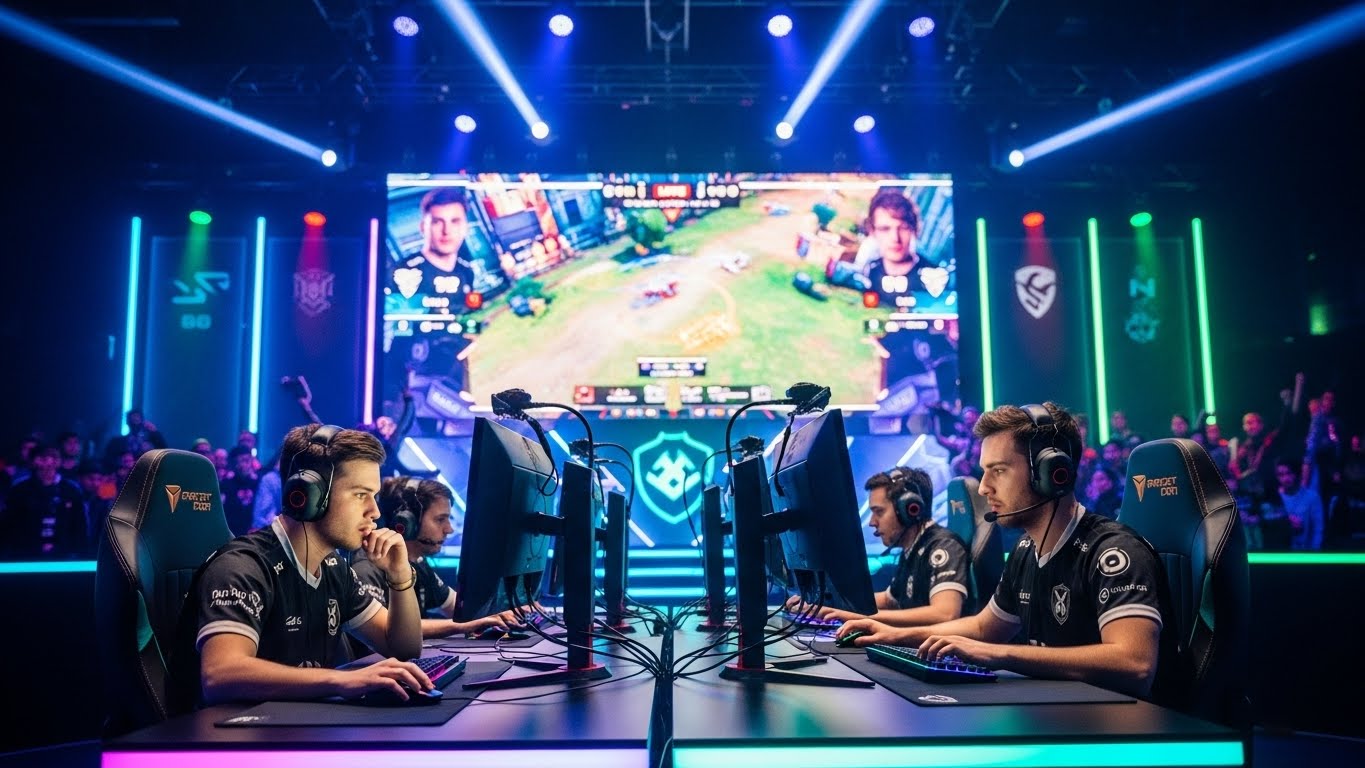
Professional players now dedicate their lives to training, often practicing for eight to ten hours a day to refine their skills and maintain peak performance. Coaching, strategy analysis, and mental conditioning are integral components of their routines. This level of professionalism has helped esports gain legitimacy and recognition as a serious competitive pursuit, comparable to traditional sports.
Why Esports Appeals to Players and Fans
Esports attracts both participants and viewers for several compelling reasons. For players, it offers an avenue to showcase skill, compete at high levels, and gain recognition. Unlike many traditional sports, esports is accessible regardless of age, physical ability, or geographic location. Dedication, strategy, and talent are the primary determinants of success.
Fans are drawn to esports for the excitement, unpredictability, and entertainment value it provides. Streaming platforms allow audiences to watch live tournaments, follow favorite players, and interact in real time through chat or social media. The combination of skill-based competition and community engagement creates a highly immersive experience that continues to expand the global esports fan base.
The Role of Technology in Esports
Technology is at the heart of esports. High-speed internet, advanced gaming hardware, and optimized platforms ensure smooth gameplay and fair competition. Performance-tracking software, analytics tools, and artificial intelligence allow players to analyze strategies, identify weaknesses, and improve decision-making.
Streaming and broadcasting technology have transformed esports into a spectator sport. Millions of viewers can watch live competitions in high definition, with commentary, replays, and interactive features enhancing the experience. Emerging technologies like virtual reality and augmented reality promise to make esports even more immersive, allowing players and fans to engage with digital worlds in unprecedented ways.
Esports as a Career Path
Esports has opened up new professional opportunities. While top players earn substantial income through tournaments, sponsorships, and streaming, the industry also supports careers in coaching, event management, content creation, marketing, and analytics. Teams employ analysts to study opponent strategies, coaches to refine player skills, and managers to handle contracts and logistics.
Educational institutions are beginning to recognize esports as a legitimate field, offering scholarships and academic programs for aspiring professionals. The industry provides a broad ecosystem where talent, creativity, and strategic thinking can be rewarded financially and professionally.
The Community and Cultural Impact of Esports
Esports fosters strong communities and cultural influence. Online forums, social media groups, and streaming platforms allow players and fans to connect across borders. These communities share strategies, celebrate victories, and engage in discussions about games and tournaments.
Cultural influence extends beyond gaming communities. Esports shapes digital trends, influences music, art, and fashion, and inspires a new generation of content creators. Major tournaments bring together global audiences, demonstrating the ability of esports to transcend language, nationality, and social boundaries.
The Mental and Physical Demands of Esports
High-level esports competition requires intense mental focus, strategy, and reflexes. Players must process vast amounts of information, make split-second decisions, and coordinate seamlessly with teammates. Cognitive skills such as memory, multitasking, and spatial awareness are critical for success.
While esports is less physically demanding than traditional sports, physical health plays an important role. Proper posture, regular exercise, nutrition, and rest are essential to maintain reflexes and prevent injuries such as repetitive strain. Mental health is equally important, as professional players face stress, pressure, and long hours of practice. Support systems and awareness of mental well-being are increasingly prioritized in the industry.
The Economic Impact of Esports
Esports has become a multi-billion-dollar industry. Revenue streams include tournament prize pools, sponsorships, advertising, merchandise sales, and media rights. Cities hosting esports tournaments benefit economically from tourism, local spending, and infrastructure development.
Game developers, hardware manufacturers, and content creators also contribute significantly to the economy. The growth of esports has created jobs across multiple sectors, demonstrating its influence as both an entertainment and economic powerhouse.
Challenges Facing Esports
Despite rapid growth, esports faces several challenges. Player burnout, mental health issues, and physical strain are ongoing concerns. Ensuring fair competition, preventing cheating, and maintaining integrity require robust systems and regulations.
Public perception is another challenge. In some regions, esports is still not universally recognized as a legitimate sport. Additionally, regulatory frameworks are inconsistent across countries, complicating global competition and player movement. Addressing these challenges is essential for the continued growth and credibility of esports.
The Future of Esports
The future of esports is filled with possibilities. Advancements in technology, including artificial intelligence, virtual reality, and augmented reality, will enhance gameplay, training, and fan engagement. Cross-platform gaming will further expand accessibility, allowing players to compete seamlessly across devices.
Esports will continue to integrate with traditional sports, creating hybrid events and collaborative competitions. Educational programs and youth initiatives will cultivate the next generation of professional players, ensuring a steady flow of talent. As global digital culture grows, esports will remain a central component of entertainment, competition, and social interaction.
Conclusion
Esports has transformed from informal competitions into a global cultural and economic phenomenon. It combines strategy, skill, entertainment, and community in ways that rival traditional sports. Professional players dedicate themselves to rigorous training, while millions of fans engage with events online and offline.
The industry provides career opportunities, fosters global communities, and contributes significantly to the economy. While challenges such as mental health, fairness, and regulation remain, esports continues to evolve, leveraging technology and creativity to redefine competitive entertainment.
Esports is more than gaming; it is a cultural movement, a professional pursuit, and a source of inspiration for millions worldwide. Its growth demonstrates the enduring human fascination with competition, mastery, and connection in a digital age.