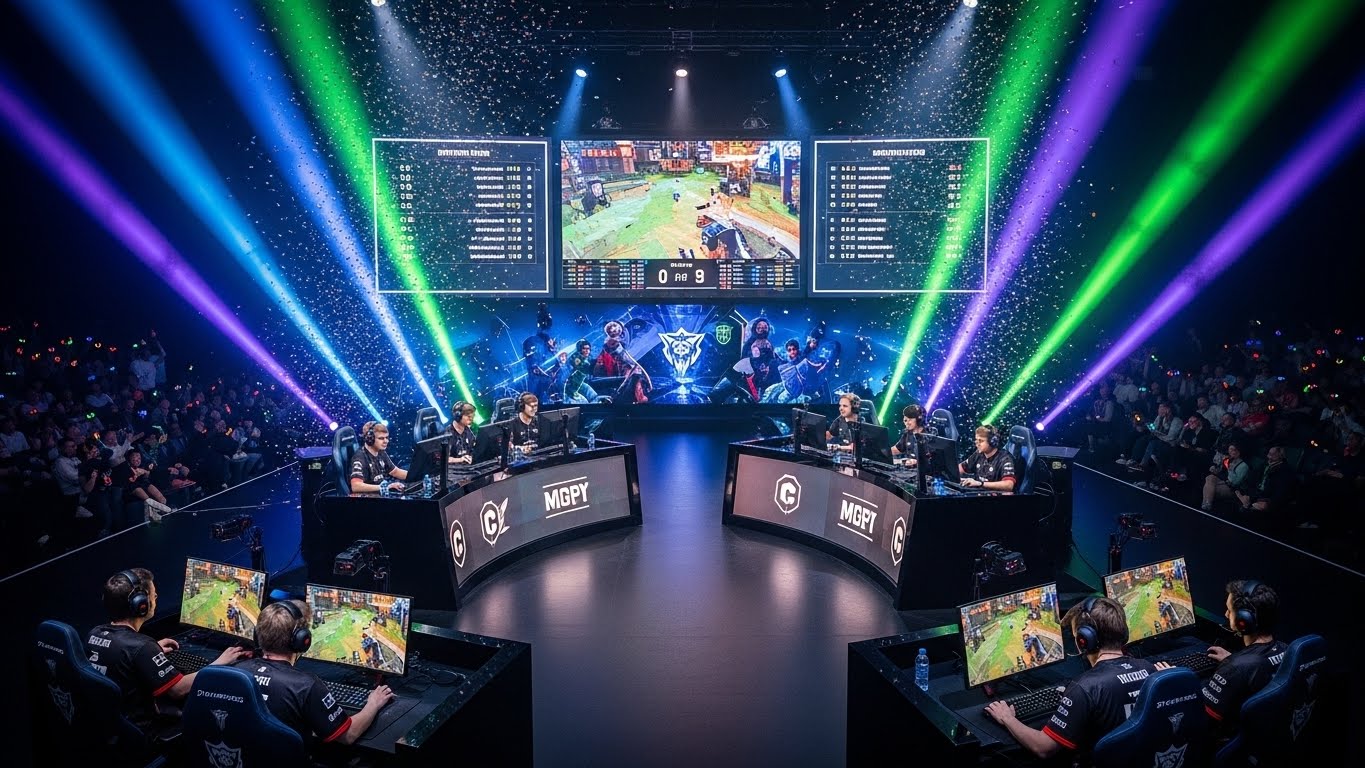
Esports has grown from a casual pastime into a global phenomenon that rivals traditional sports in both popularity and economic impact. Once viewed as a niche hobby, competitive gaming now attracts millions of players and spectators worldwide. It is no longer just about playing video games; esports represents a professional ecosystem that blends skill, strategy, teamwork, and technology. This blog explores how esports has evolved, its influence on players and culture, and why it has become a defining feature of modern entertainment.
The Origins of Esports
The origins of esports date back to the late 1970s and 1980s, when simple arcade competitions and early computer games began to attract players eager to test their skills against one another. Titles like Space Invaders, Pac-Man, and later Street Fighter set the foundation for competitive gaming.
However, the true transformation came with the advent of high-speed internet and personal computers. Online multiplayer gaming allowed players from around the world to compete in real time, creating the first global esports communities. Games such as StarCraft, Counter-Strike, and Warcraft became staples in competitive gaming, leading to organized tournaments and the establishment of professional leagues.
The Global Expansion of Esports
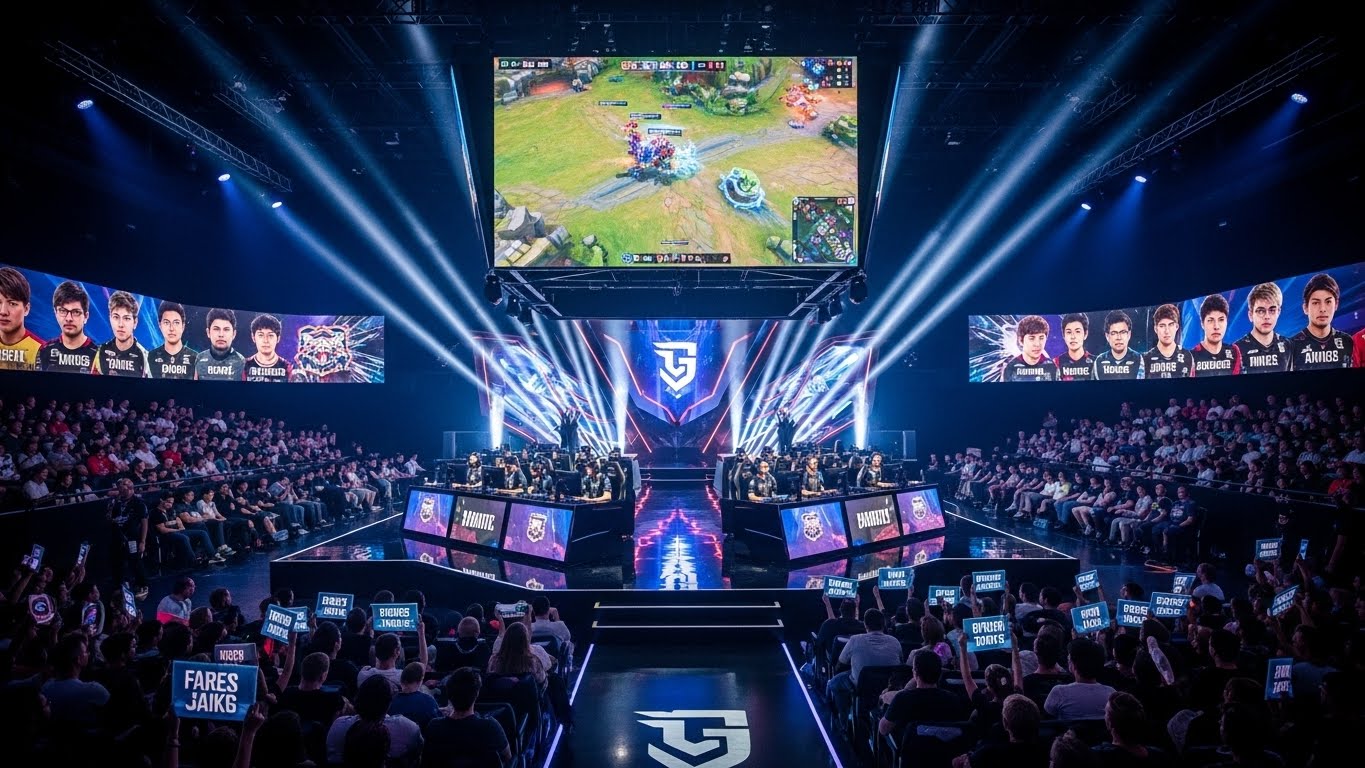
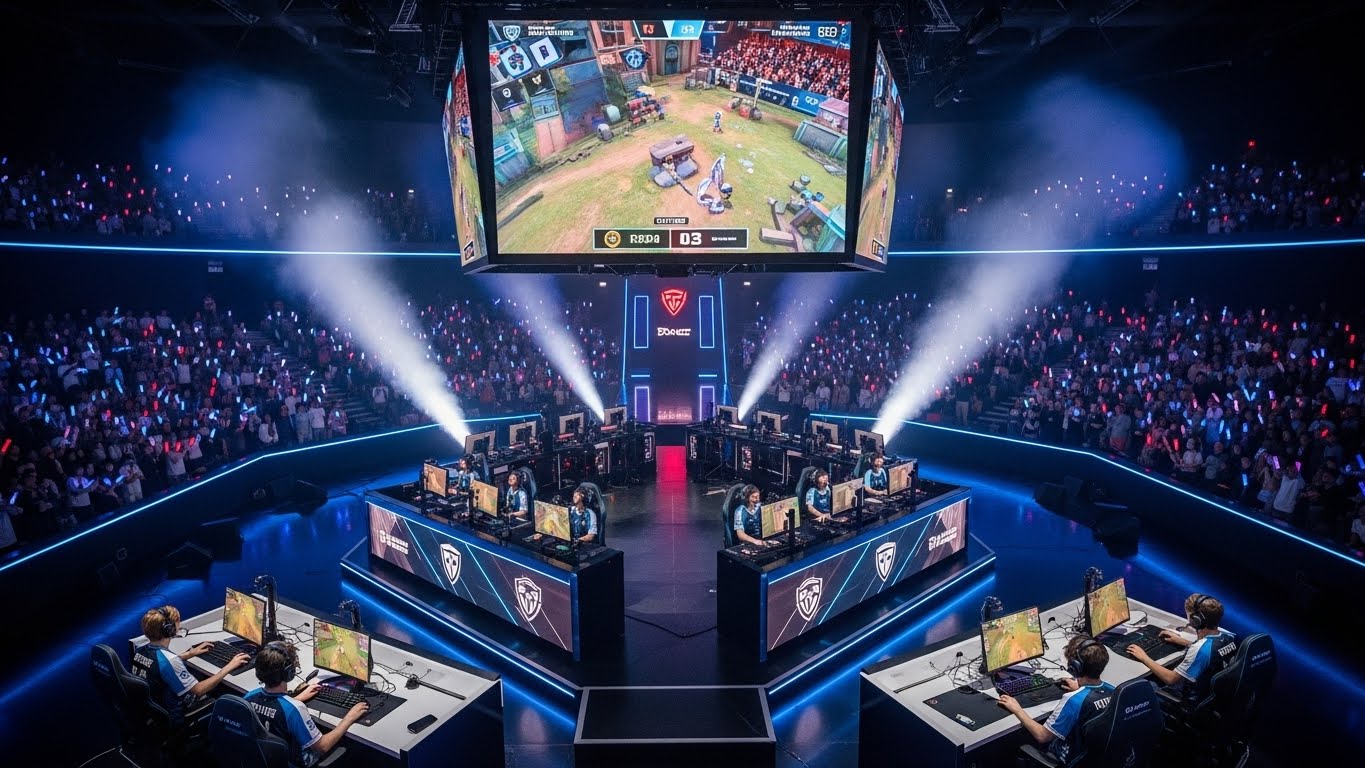
Today, esports is a multi-billion-dollar industry with professional leagues, international tournaments, and millions of fans. Games like League of Legends, Dota 2, Fortnite, and Valorant dominate the competitive scene, attracting sponsorships, media coverage, and celebrity players. Events like The International and the League of Legends World Championship fill stadiums with tens of thousands of spectators while millions watch online.
The growth of streaming platforms has also played a critical role. Fans can watch live matches, interact with players, and engage in communities, creating a social dimension that enhances the experience. This global expansion demonstrates that esports is not just entertainment—it is a cultural movement with worldwide reach.
Physical and Mental Demands of Competitive Gaming
Contrary to the stereotype of gamers as sedentary individuals, esports requires both physical and mental discipline. Quick reflexes, precise hand-eye coordination, and rapid decision-making are essential for high-level play. Many professional players follow structured physical routines to maintain posture, prevent repetitive strain injuries, and enhance endurance.
Mental demands are equally intense. Competitive gaming requires strategic thinking, split-second decision-making, and sustained focus over long periods. Players must remain calm under pressure, adapt strategies in real time, and anticipate opponents’ moves. The cognitive skills developed through esports—such as problem-solving, memory, and multitasking—are applicable far beyond gaming.
Teamwork and Communication
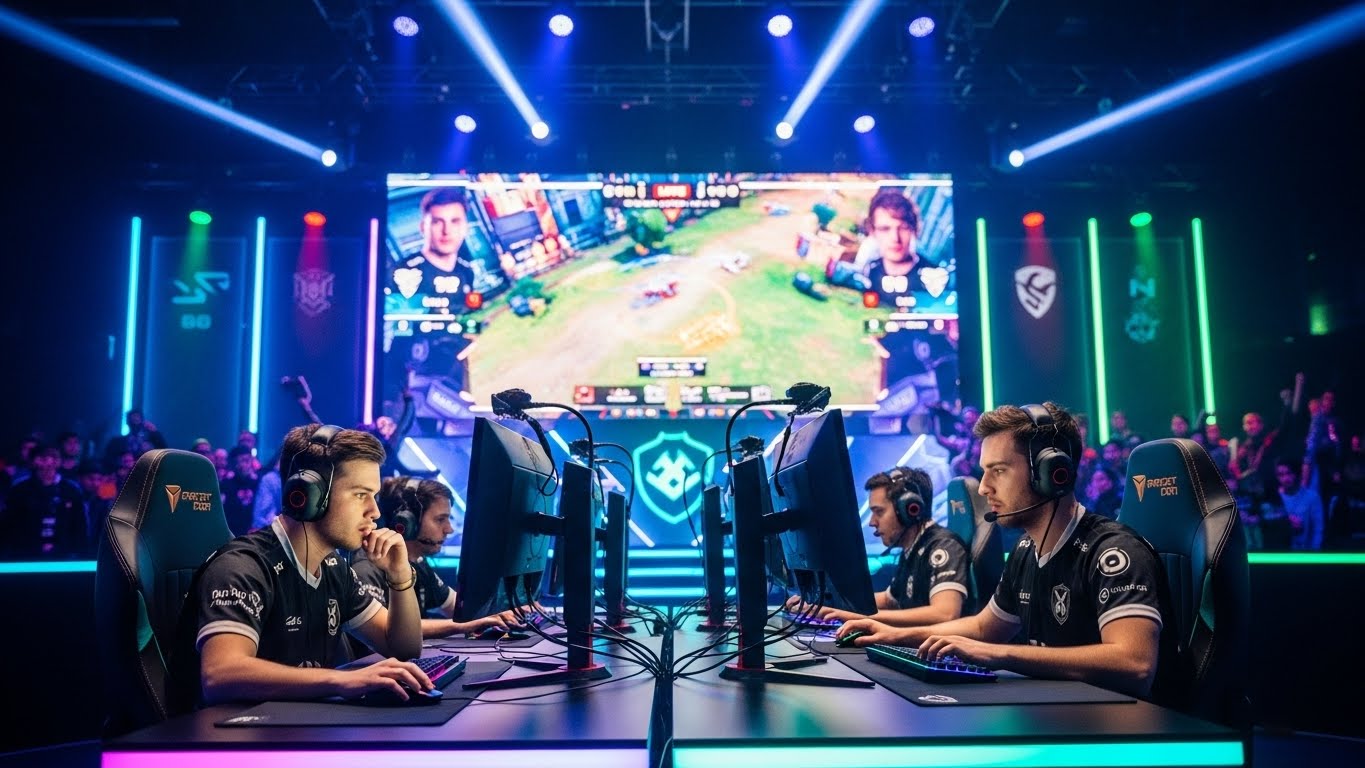
Team-based esports games, such as League of Legends, Overwatch, and Valorant, emphasize the importance of communication and collaboration. Players must coordinate strategies, understand each teammate’s strengths and weaknesses, and adapt quickly to dynamic situations. A single mistake can cost a match, making teamwork essential.
The lessons learned in esports mirror professional and social environments. Leadership, conflict resolution, empathy, and cooperative problem-solving are cultivated in team-based gaming. Even individual games often involve collaboration with coaches, analysts, and community members, highlighting the social aspect of competitive gaming.
Career Opportunities in Esports
Esports has become a legitimate career path with numerous opportunities. Professional players can earn significant income from tournament winnings, sponsorships, merchandise, and content creation. Multi-million-dollar prize pools in major tournaments demonstrate the financial potential of competitive gaming.
Beyond playing, careers exist in coaching, team management, broadcasting, marketing, game development, and content creation. Universities and educational programs now offer esports scholarships, training, and research opportunities, preparing students for professional roles in this rapidly expanding industry. The ecosystem of esports careers extends far beyond gameplay, encompassing a wide range of skills and professions.
Technology and Innovation in Esports
Technology is central to the growth of esports. Advanced gaming systems, high-speed internet, and specialized software enable players to perform at elite levels. Analytics and AI tools assist in performance optimization, strategy analysis, and skill development.
For fans, technology enhances the viewing experience. Live streaming, multi-angle cameras, real-time statistics, and interactive features make watching esports immersive and engaging. This integration of technology not only improves gameplay but also ensures esports remains innovative and globally accessible.
The Cultural Impact of Esports
Esports has evolved into a cultural phenomenon that transcends borders. Online communities bring players and fans together, creating shared experiences and social connections. Professional gamers have become cultural icons, influencing fashion, media, and lifestyle trends.
Esports also emphasizes inclusivity. Unlike traditional sports, competitive gaming allows participation regardless of age, gender, or physical ability. Online platforms provide a space where diverse individuals can compete, collaborate, and form communities. The culture surrounding esports reflects modern values of creativity, collaboration, and technological innovation.
Mental Health in Esports
The intense demands of professional gaming make mental health a critical consideration. Long hours of practice, competitive pressure, and online scrutiny can lead to stress, burnout, and anxiety. Recognizing this, the esports industry has increasingly focused on mental wellness, providing resources for counseling, stress management, and balanced routines.
Maintaining mental health is essential for sustained performance and longevity in esports careers. Many players incorporate mindfulness techniques, regular breaks, and physical exercise into their routines. The recognition of mental health as a key component of esports reflects the industry’s maturity and commitment to sustainable growth.
Economic Influence of Esports
Esports has become a significant economic driver globally. Revenue streams include tournament winnings, sponsorships, advertising, merchandise, and streaming subscriptions. Professional esports organizations operate like traditional sports franchises, with management teams, marketing departments, and fan engagement strategies.
Investment in esports continues to grow as brands seek to engage digitally native audiences. This economic expansion has created jobs, fostered technological innovation, and supported media development, making esports an important contributor to global economies.
Esports and Education
Educational institutions are embracing esports as a tool for skill development and engagement. Schools and universities integrate esports into curricula to teach strategy, teamwork, and digital literacy. Scholarships and collegiate programs allow students to pursue higher education while developing competitive gaming skills.
Esports education promotes critical thinking, leadership, and adaptability. Students gain hands-on experience in decision-making, strategy, and communication. By combining academic learning with esports participation, institutions prepare students for careers in gaming and related industries.
Challenges in Esports
Despite its growth, esports faces challenges that need addressing. Player burnout, online toxicity, and unequal access to resources remain significant concerns. Ensuring fair competition, mental wellness, and safe online environments is essential for sustainable growth.
Regulation, industry standards, and ethical practices are necessary to maintain professionalism and protect participants. Addressing these challenges ensures that esports remains inclusive, competitive, and respected as a legitimate global industry.
The Future of Esports
The future of esports is full of potential. Emerging technologies like virtual reality, augmented reality, and artificial intelligence are likely to enhance gameplay and viewing experiences. Esports may become increasingly immersive, blending physical and digital competition.
Professionalization and global recognition will continue to expand. Esports will integrate further into mainstream entertainment, education, and culture. With its focus on inclusivity, innovation, and community, esports is poised to redefine competition and shape the future of entertainment worldwide.
Conclusion: Esports as a Cultural and Professional Revolution
Esports has redefined competition, entertainment, and culture in the digital age. It combines skill, strategy, teamwork, and technology in ways that traditional sports cannot replicate. Beyond gameplay, esports cultivates mental agility, resilience, leadership, and social connectivity.
As the industry grows, it continues to inspire innovation, provide career opportunities, and challenge conventional notions of athleticism. For players, fans, and businesses alike, esports is more than just gaming—it is a cultural, economic, and professional revolution shaping the digital era.