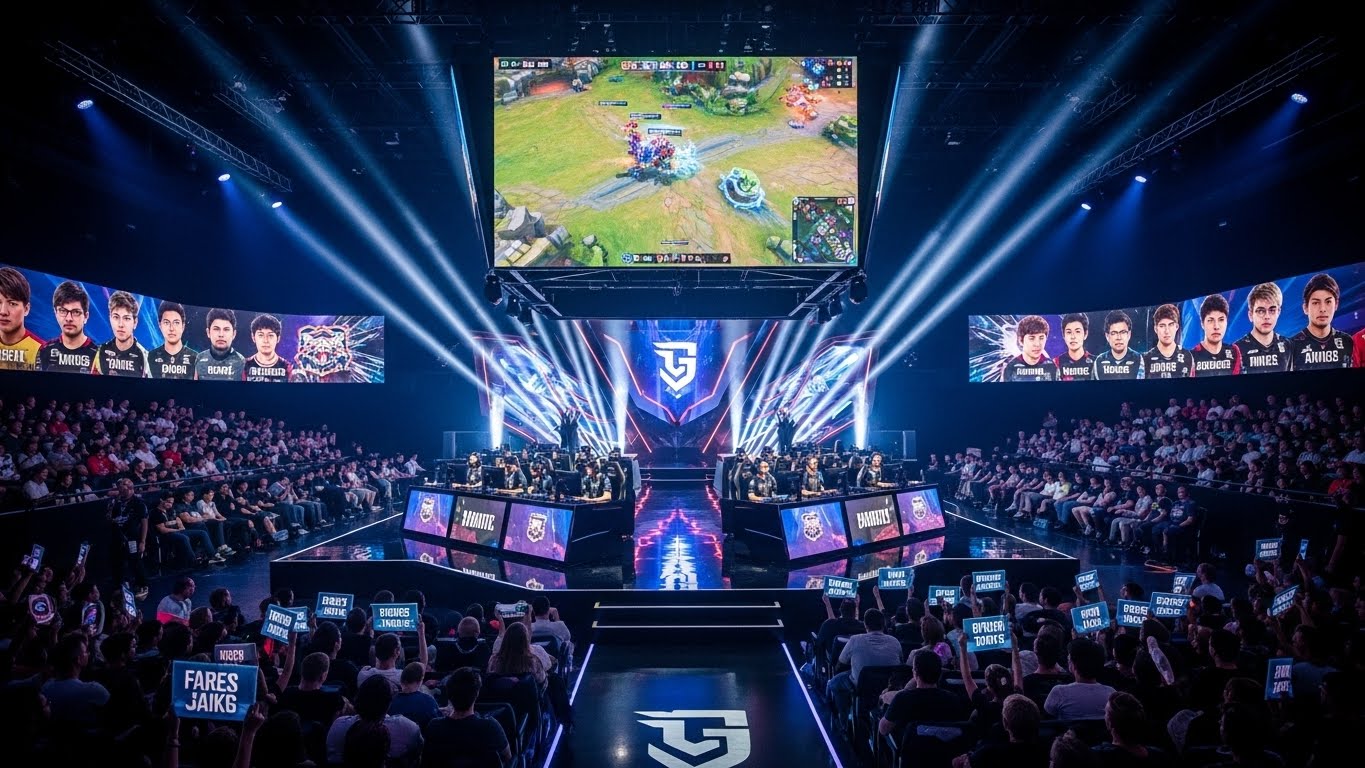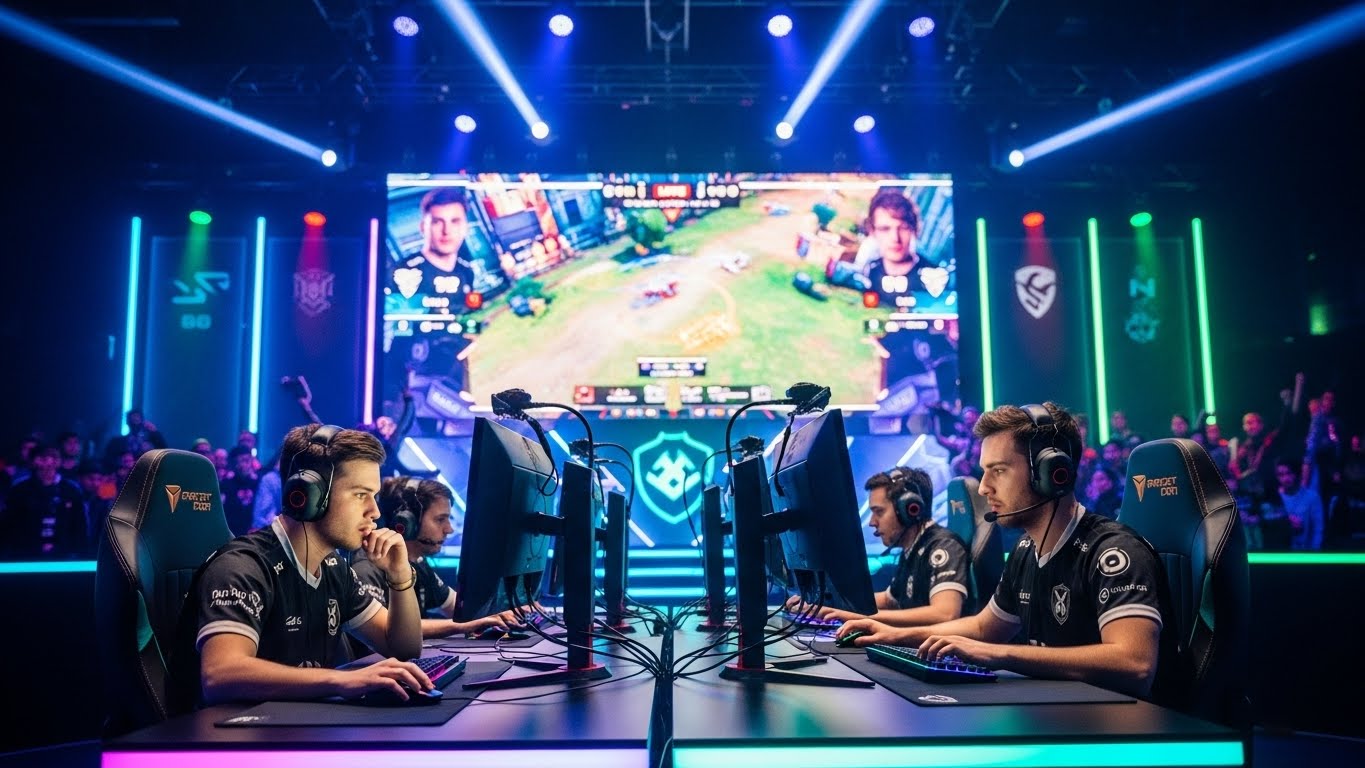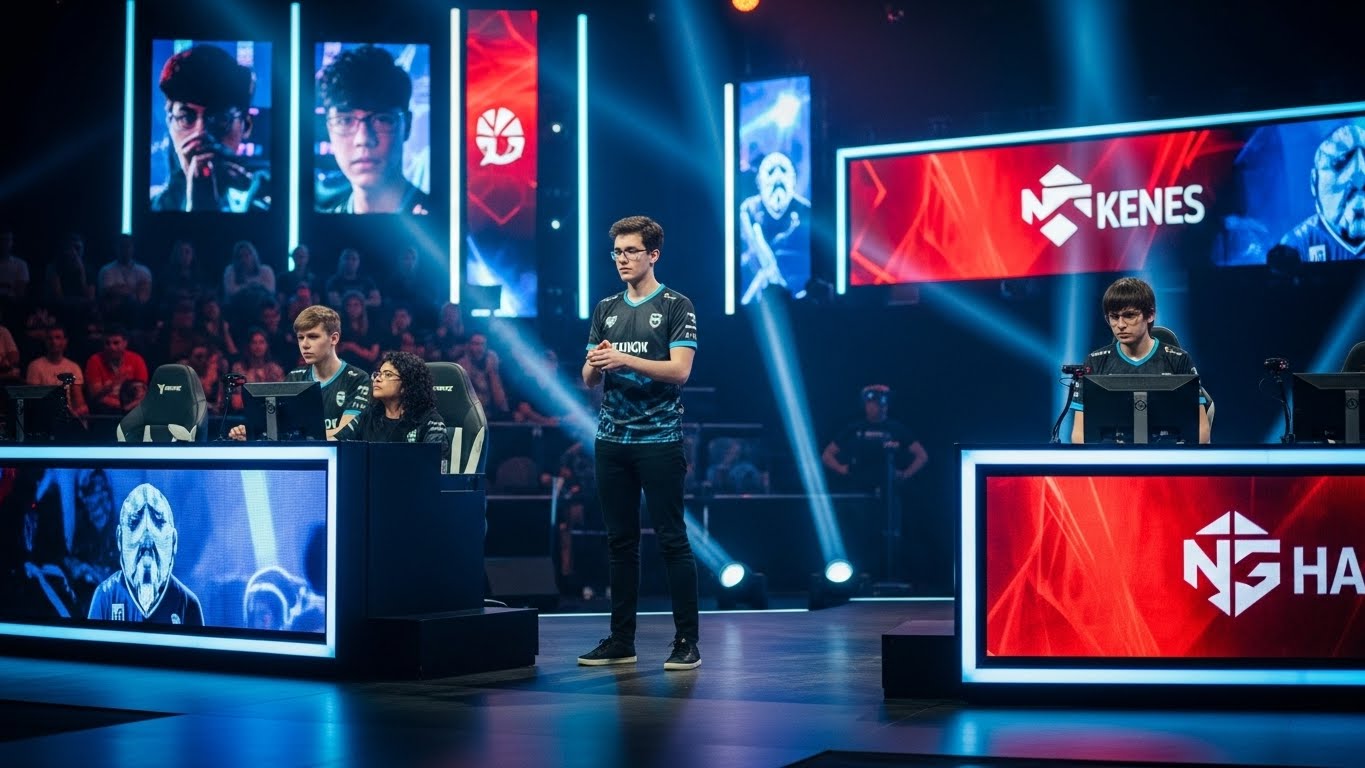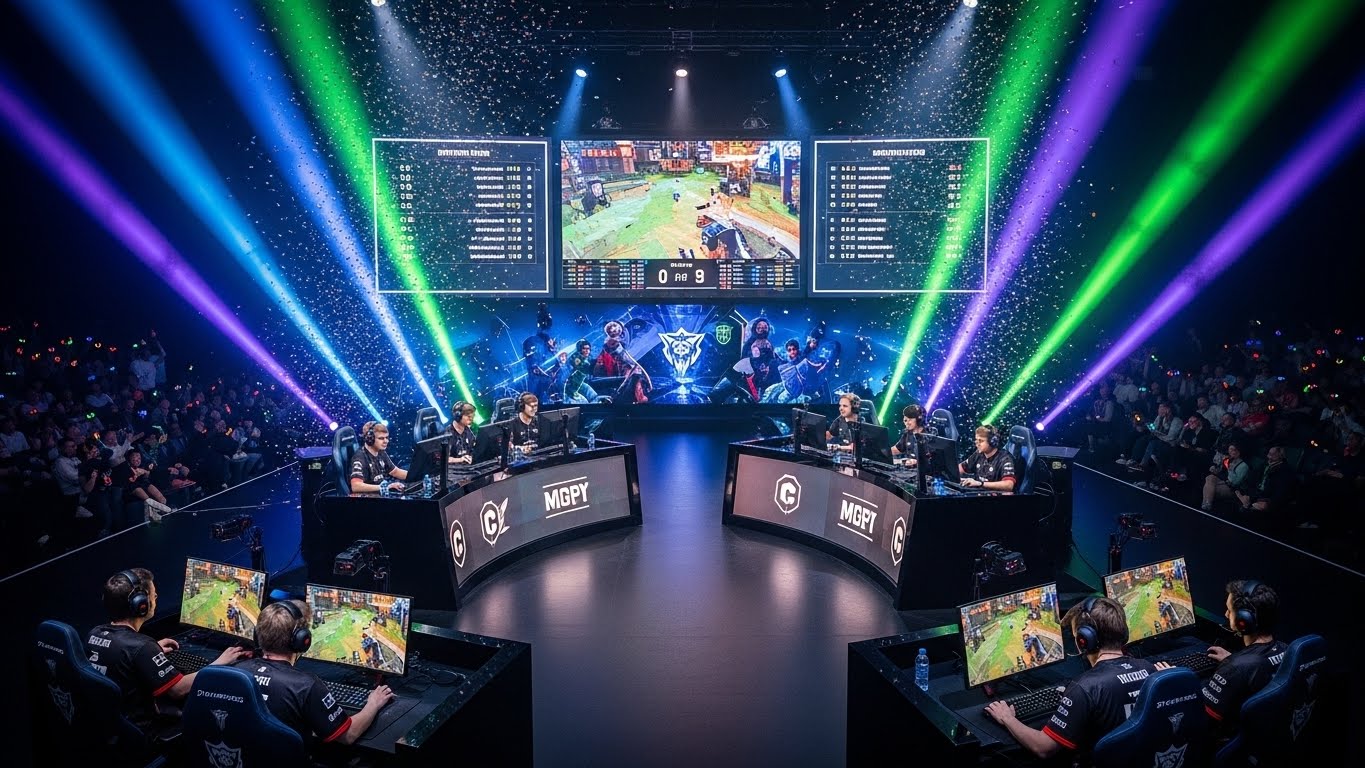
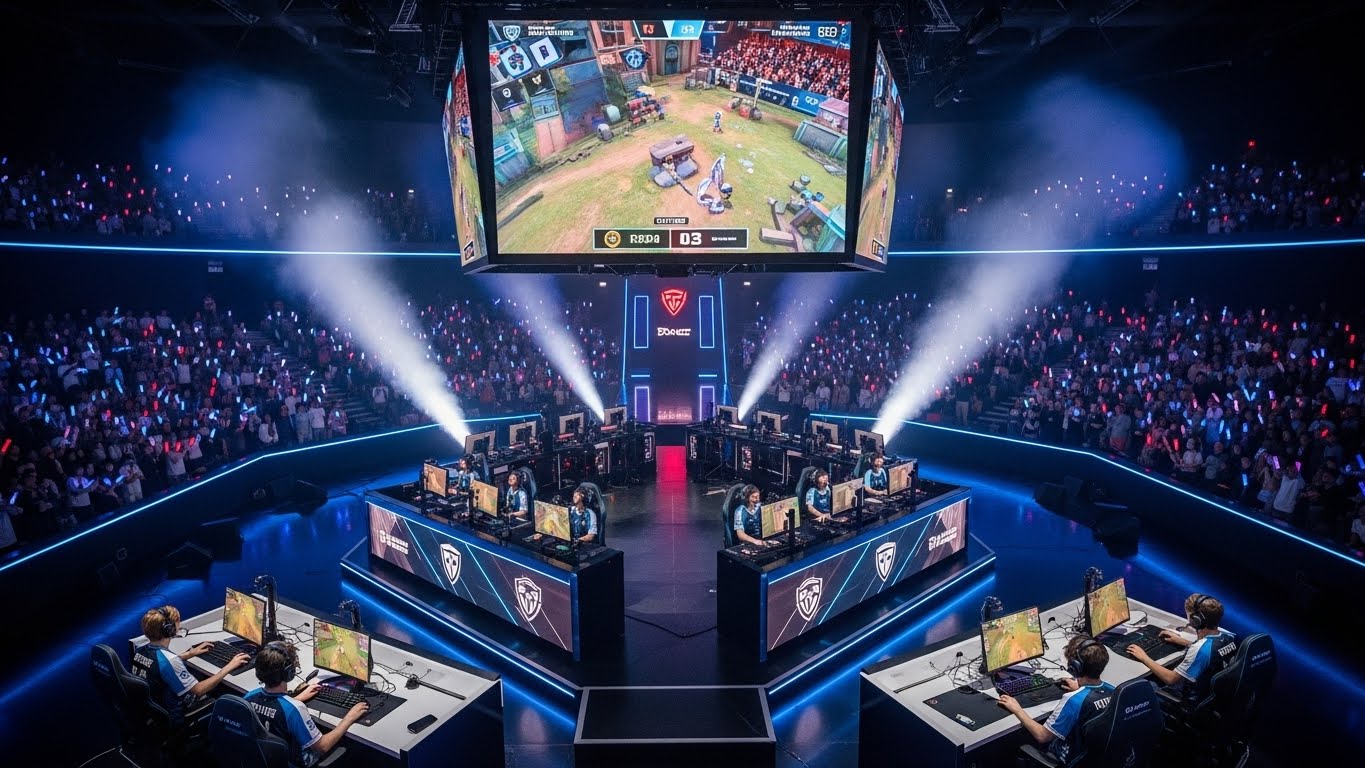
In the past decade, a phenomenon once dismissed as a niche hobby has exploded into a global cultural and economic powerhouse: esports. Competitive gaming has transformed from casual pastime to professional sport, attracting millions of viewers, sponsors, and aspiring athletes worldwide. This blog delves into the rise of esports, its impact on society, the career opportunities it offers, and its potential future.
The Birth of Esports: From Arcades to Online Arenas
Esports, short for electronic sports, has its roots in the early days of video gaming. The competitive nature of games has existed since the first arcade machines, where high-score tables and local tournaments motivated players to outdo one another. In the 1980s and 1990s, games such as “Pac-Man,” “Street Fighter,” and “Doom” became the foundation of competitive gaming culture.
The true evolution of esports, however, emerged with the rise of online connectivity in the 2000s. Multiplayer online games such as “StarCraft” in South Korea and “Counter-Strike” in Western countries introduced the concept of organized competition on a larger scale. Online leaderboards, tournaments, and live streaming started to cultivate a dedicated audience that transcended physical boundaries. From modest local gatherings, esports grew into an industry capable of filling stadiums and drawing millions of viewers online.
The Economics of Esports: More Than Just Playing Games
One of the most remarkable aspects of esports is its economic growth. The industry has evolved into a billion-dollar market, encompassing sponsorships, merchandise, media rights, and event organization. Leading game titles such as “League of Legends,” “Dota 2,” and “Fortnite” host tournaments with prize pools exceeding millions of dollars. These events are broadcast to millions of viewers across the globe, creating an entire ecosystem where advertising and sponsorships thrive.
Esports organizations operate like traditional sports franchises, with teams, managers, coaches, and marketing departments. Brands ranging from energy drink companies to technology firms invest heavily in esports due to its immense reach among younger demographics. The global appeal of esports ensures that even small content creators or players can generate revenue through streaming platforms, sponsorships, and fan support.
The Role of Technology in Shaping Esports
Technology is the backbone of esports. High-performance hardware, high-speed internet, and sophisticated streaming platforms are essential to maintain the quality and competitiveness of tournaments. Advanced graphics, immersive gameplay, and real-time multiplayer experiences have made esports not just engaging but also accessible to audiences worldwide.
Streaming platforms, in particular, have revolutionized esports. They allow players to showcase their skills, interact with fans, and build personal brands. Platforms like Twitch and YouTube Gaming have transformed players into content creators, blurring the lines between entertainment and competitive sports. This democratization of content creation ensures that anyone with skill and dedication can enter the esports scene, regardless of location or background.
The Social Impact of Esports
Esports is more than just a form of entertainment; it has significant social implications. Communities have formed around shared interests, bringing together individuals from diverse backgrounds who might never interact otherwise. Online forums, fan groups, and in-game guilds foster connections and collaboration, offering a sense of belonging.
Furthermore, esports has begun to challenge traditional perceptions of sports and athleticism. While critics often dismiss competitive gaming as sedentary, professional esports players exhibit remarkable levels of strategic thinking, reflexes, and mental stamina. Training regimens for top-tier players are rigorous, often including physical exercise, nutrition planning, and mental coaching to maintain peak performance. This demonstrates that esports, much like traditional sports, requires dedication, discipline, and resilience.
Educational Opportunities and Esports
In recent years, educational institutions have recognized the potential of esports to engage students and develop valuable skills. Universities and high schools are now offering esports scholarships, specialized courses, and organized teams. Students involved in esports learn teamwork, communication, problem-solving, and strategic planning—skills directly transferable to professional environments beyond gaming.
Esports also encourages technological literacy. Understanding game mechanics, data analytics, and streaming software provides practical experience in fields such as software engineering, digital marketing, and content creation. As the industry grows, educational programs aim to prepare students for careers not only as professional players but also as coaches, analysts, event organizers, and industry executives.
The Global Phenomenon: Esports Across Cultures
Esports has a unique ability to transcend cultural and geographical boundaries. Countries like South Korea, China, and the United States have embraced esports as a national pastime, with professional leagues, massive fan bases, and government support. South Korea, in particular, has pioneered professional gaming, creating a model where players are celebrated celebrities and esports tournaments are broadcast on mainstream television.
In Europe and North America, esports is gaining recognition alongside traditional sports. Major cities host esports arenas, and tournaments rival the scale and production quality of professional football or basketball events. The global reach of esports allows for cross-cultural collaboration, international tournaments, and a shared language of competition that unites players worldwide.
Challenges Facing the Esports Industry
Despite its impressive growth, esports faces several challenges. One major issue is the lack of standardized regulation. Unlike traditional sports with governing bodies, esports tournaments are often organized by individual companies or game developers, leading to inconsistencies in rules, player treatment, and competitive fairness.
Player health is another concern. The intense training schedules and high-pressure environments can lead to physical and mental strain, including repetitive stress injuries, eye strain, and burnout. The industry is increasingly addressing these concerns through wellness programs, counseling, and structured practice routines, but the issue remains a challenge.
Additionally, the sustainability of esports careers is uncertain. While top-tier players earn substantial incomes, the majority of competitors struggle to maintain long-term financial stability. This highlights the importance of education, career planning, and diversification of skills for those pursuing professional gaming.
The Future of Esports
The future of esports is bright, with continued growth expected in both audience size and industry value. Technological advancements such as virtual reality and augmented reality may redefine competitive gaming, offering more immersive experiences for players and viewers alike. The integration of artificial intelligence in game development and analytics could also enhance training, strategy, and spectator engagement.
Esports is also likely to become further entwined with mainstream culture. As society increasingly recognizes digital talent and entertainment as legitimate forms of competition, esports may secure a permanent place alongside traditional sports in media coverage, sponsorship opportunities, and cultural discourse.
Moreover, the potential for cross-industry collaboration is enormous. Esports can intersect with education, healthcare, entertainment, and even professional sports, creating hybrid experiences that expand the boundaries of competition and engagement.
Conclusion: More Than Just a Game
Esports is a multifaceted phenomenon that has reshaped the way society interacts with gaming, entertainment, and sports. From humble beginnings in arcades to global stadiums filled with cheering fans, esports represents the convergence of technology, culture, and human ambition. It is a testament to the evolving nature of competition and the limitless potential of digital spaces to connect people, create opportunities, and inspire excellence.
As esports continues to mature, it challenges preconceived notions of athleticism, community, and entertainment. It provides educational opportunities, fosters global connections, and offers viable career paths for those willing to dedicate themselves to their craft. Ultimately, esports is more than just a game—it is a reflection of modern society, a digital arena where skill, strategy, and passion converge to redefine what it means to compete and succeed.