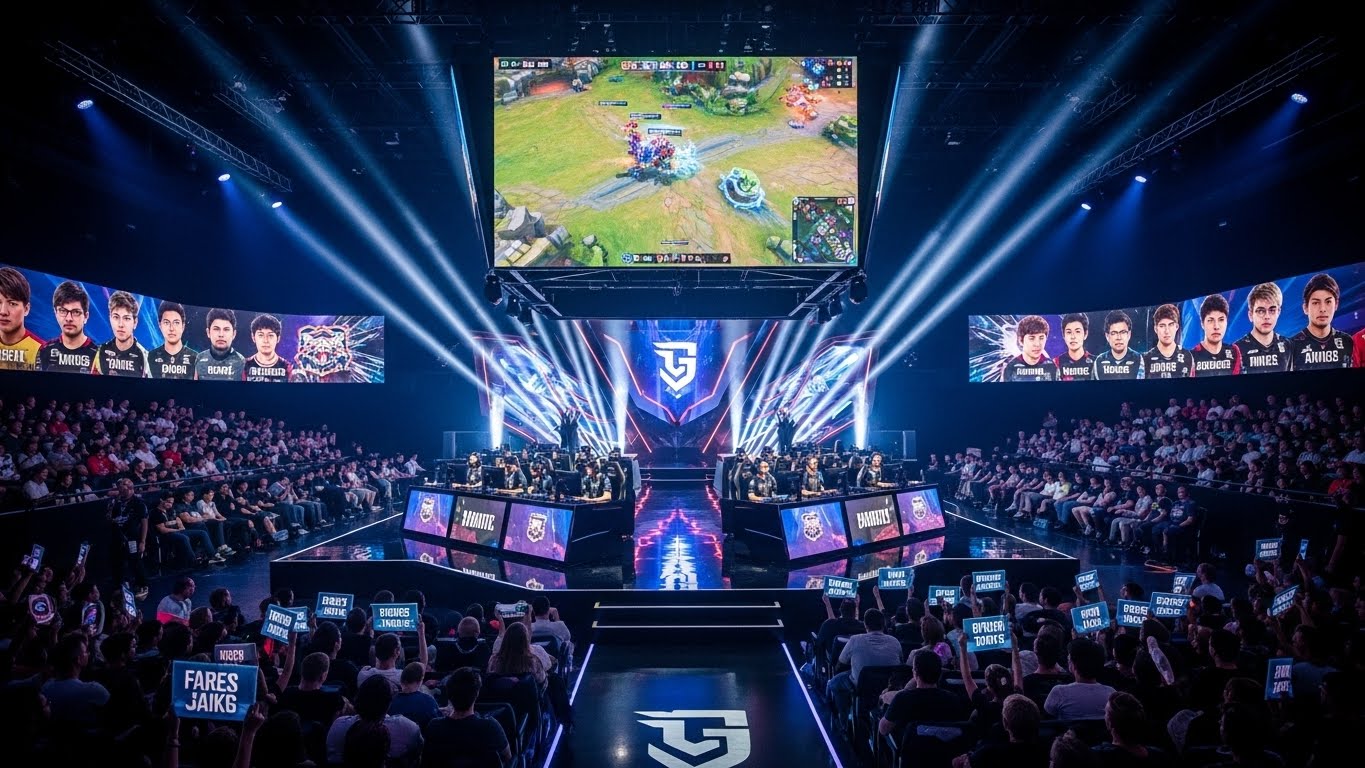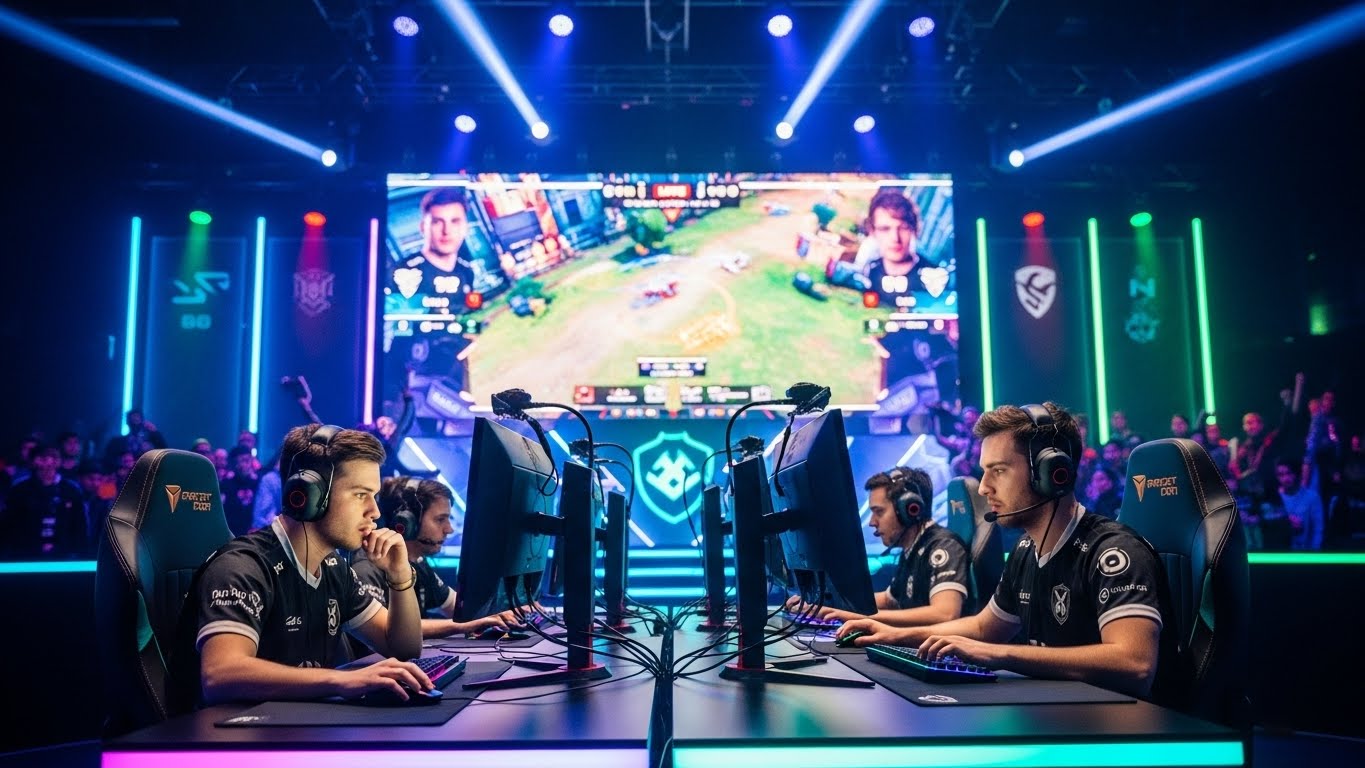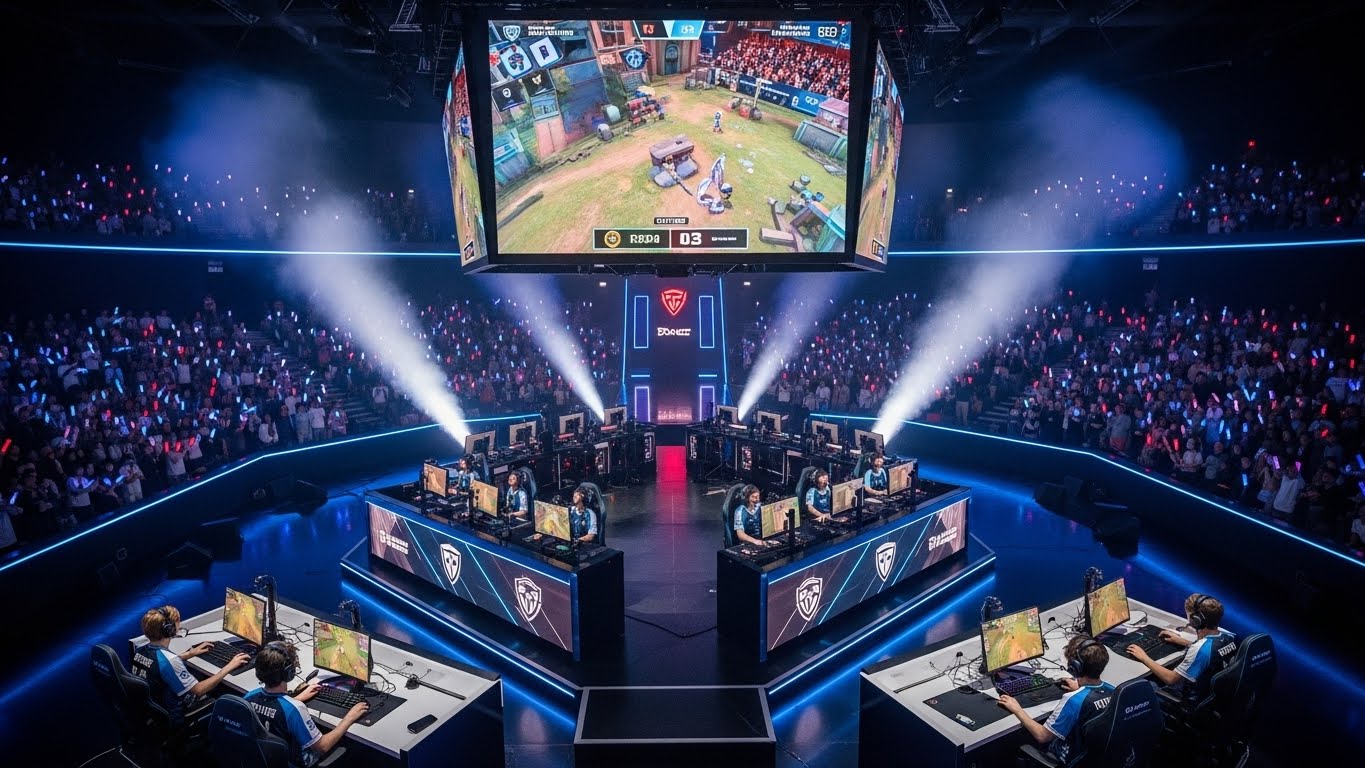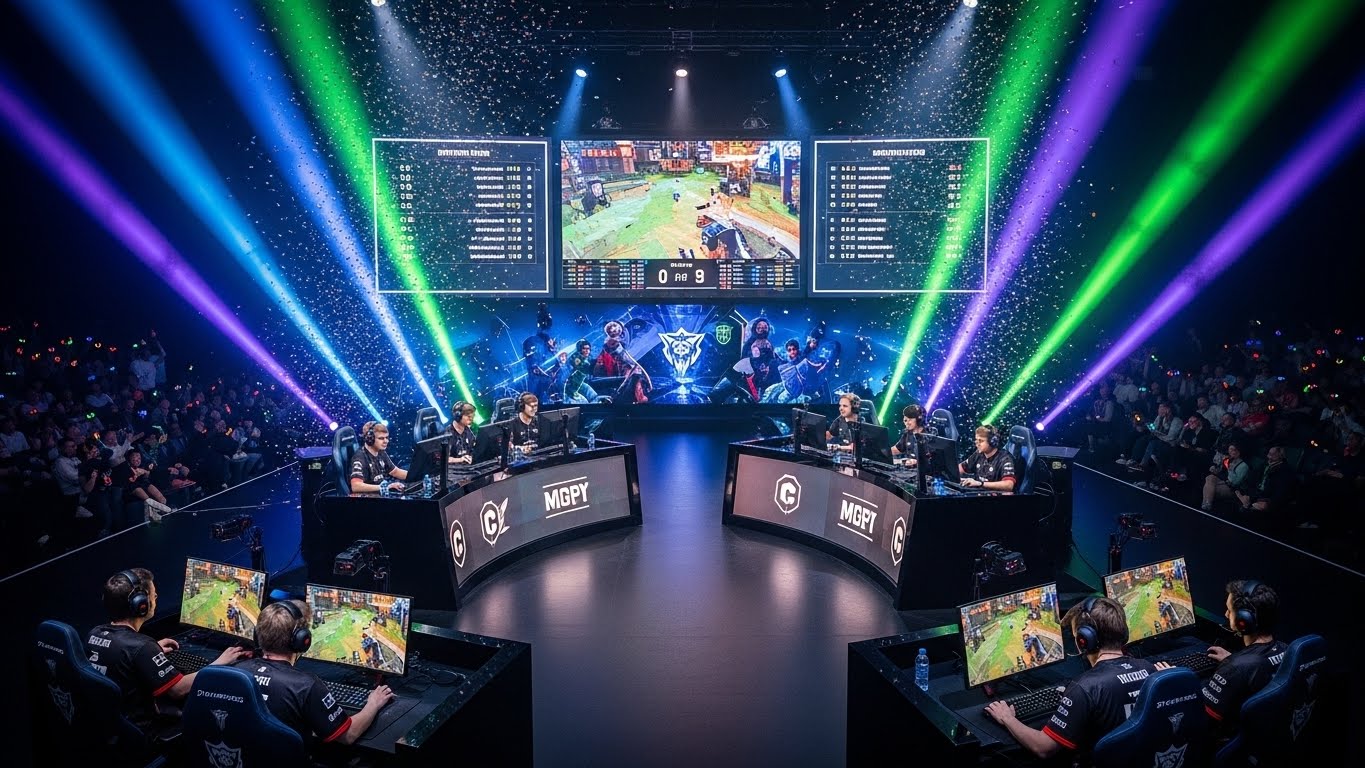
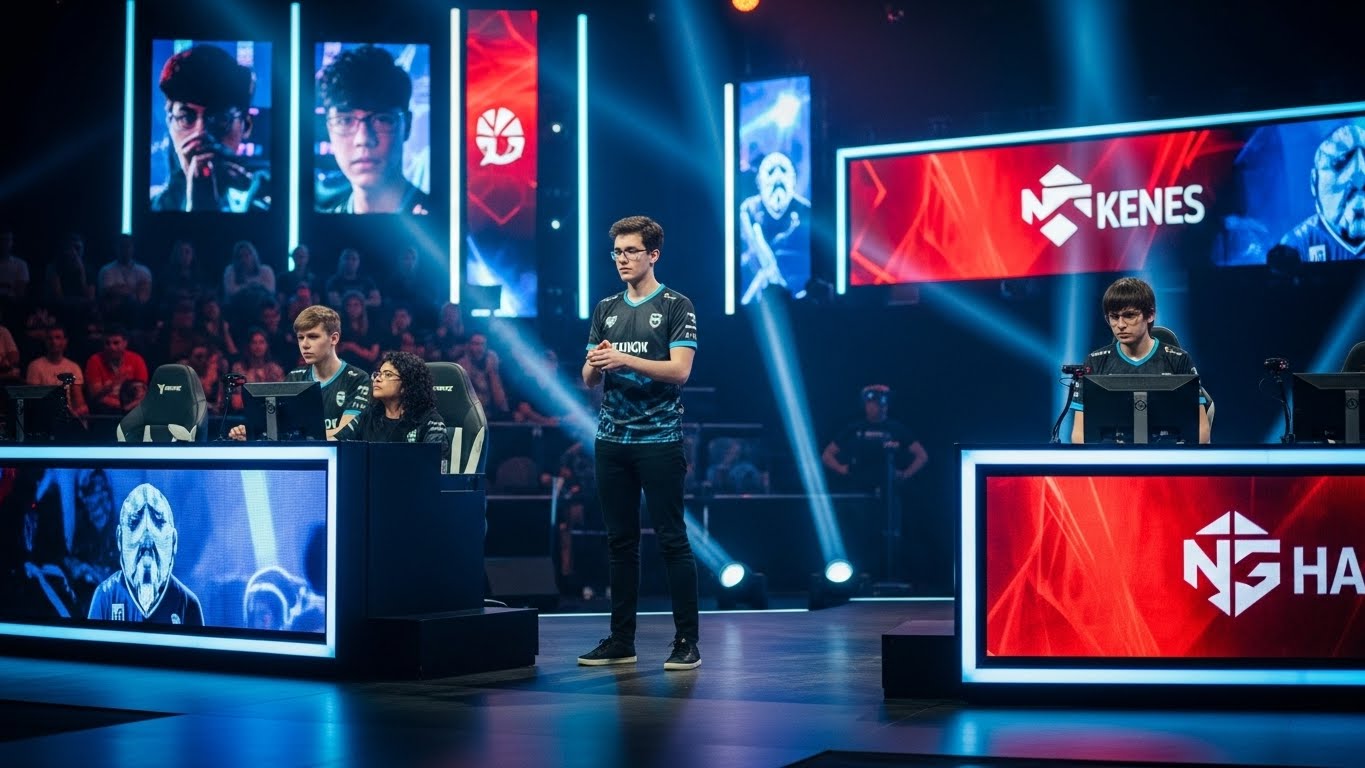
In the last two decades, esports has grown from a niche hobby to a global cultural and economic powerhouse. No longer a pastime confined to basements or college dorms, esports has taken the world by storm, attracting millions of viewers, major sponsorship deals, and even professional leagues. In this blog post, we’ll explore the evolution of esports, its current state, and the future trajectory of this captivating industry.
What is Esports?
Esports, short for electronic sports, refers to organized, multiplayer video game competitions, often between professional players, teams, or individuals. These events can involve a variety of games, such as League of Legends, Dota 2, Counter-Strike: Global Offensive, and Fortnite, to name a few. The scale of these competitions can range from small online tournaments to massive international events held in grand arenas, with prize pools reaching millions of dollars.
Esports has grown into an entertainment format that combines the excitement of traditional sports with the accessibility and technological innovation of video gaming. Just like in conventional sports, players practice, strategize, and compete for titles, recognition, and monetary rewards. However, what sets esports apart is the way it integrates technology, community, and streaming platforms, which have made it more accessible to a global audience.
The Evolution of Esports: From Basement Gaming to Global Stadiums
The origins of esports can be traced back to the early days of competitive gaming, when players would participate in local LAN (Local Area Network) parties or small-scale tournaments. In the 1990s, games like Street Fighter II and Quake helped lay the foundation for competitive gaming communities. However, it wasn’t until the early 2000s that esports began to take a more formal shape with the advent of online multiplayer games.
The release of games such as StarCraft in the late ’90s and Warcraft III in the early 2000s introduced competitive gameplay on a global scale. These games enabled players from around the world to face off against each other over the internet, eliminating geographical barriers. The early days of esports were predominantly centered in South Korea, where StarCraft tournaments became immensely popular. The country’s widespread internet access and growing gaming culture led to the creation of national leagues and televised tournaments, which marked the beginning of esports as a mainstream sport.
Fast forward to the mid-2010s, esports experienced a massive leap in popularity, largely due to the rise of streaming platforms like Twitch. Gamers no longer needed to attend live events to watch professional players in action. They could tune in from the comfort of their homes, adding a new layer of engagement. This shift also allowed esports to attract new audiences who were unfamiliar with gaming but were drawn to the spectacle of high-level competition.
The Ecosystem of Esports: Teams, Tournaments, and Streaming Platforms
One of the key reasons esports has grown so rapidly is the development of a robust ecosystem that supports players, teams, organizations, and fans alike. Let’s break down the major components of this ecosystem:
Professional Teams and Players
Esports has given rise to professional players and teams, who are treated like athletes in traditional sports. These players practice for hours a day, honing their skills in order to compete at the highest level. Some of the most famous esports players—such as Faker (Lee Sang-hyeok) from League of Legends and KennyS (Kenny Schrub) from Counter-Strike—are celebrated like sports stars and often have a massive fan following.
Esports teams are often sponsored by major brands or organizations, just like football or basketball teams. These teams may also have coaching staff, analysts, and managers who work with players to improve performance. High-performing teams may secure lucrative sponsorship deals, sign exclusive contracts with streaming platforms, or even start their own academies to scout and develop the next generation of talent.
Tournaments and Leagues
Esports tournaments are the heart of the industry, with some events offering multi-million-dollar prize pools and attracting global viewership. Popular tournaments like The International (Dota 2) and the League of Legends World Championship offer prize pools of over $30 million, making them some of the most lucrative gaming events worldwide. These tournaments often have regional qualifiers, where teams from different parts of the world battle it out to secure a spot in the global finals.
Esports leagues have also emerged in recent years, similar to traditional sports leagues such as the NBA or NFL. For example, the Overwatch League and Call of Duty League are both professional, franchise-based leagues where teams compete in a season-long series of matches. These leagues offer a more structured competition system and a guaranteed salary for players, further establishing esports as a viable career path.
Streaming Platforms and Viewership
The advent of streaming platforms, most notably Twitch, has been one of the primary drivers behind esports’ rise in popularity. Twitch allows gamers to broadcast their gameplay live to a global audience, which has led to the growth of gaming content creators, streamers, and esports broadcasters. Viewers can tune in to watch both professional tournaments and casual gaming sessions, making esports accessible 24/7.
In addition to Twitch, other platforms like YouTube Gaming and Facebook Gaming also offer esports coverage, and even mainstream networks like ESPN have begun broadcasting esports events. The increased accessibility and widespread availability of esports content has helped it expand its viewership to mainstream audiences, with some events attracting more viewers than traditional sports finals.
The Business of Esports: Sponsorships, Merchandising, and Media Rights
Esports isn’t just a game—it’s big business. In 2023, the global esports industry was valued at over $1.4 billion, with projections indicating it could surpass $2 billion by 2025. This growth can be attributed to multiple revenue streams that have emerged as esports has become a multi-faceted industry.
Sponsorship and Advertising
The sponsorship of esports teams and tournaments has become a cornerstone of the industry’s financial ecosystem. Companies in various industries—ranging from tech and electronics to clothing and beverages—have flocked to esports to target the coveted young, tech-savvy audience. Major brands like Red Bull, Coca-Cola, and Intel have become some of the biggest sponsors of esports events and teams.
Sponsorship deals often include logo placements on jerseys, branded content, and exclusive collaborations. The value of esports sponsorship deals has skyrocketed in recent years, as more companies realize the potential of reaching millions of engaged fans.
Merchandising
Just like traditional sports teams, esports teams have their own merchandise, ranging from jerseys to posters to video game accessories. Fans of top teams such as Cloud9, Fnatic, and Team Liquid proudly wear team jerseys and purchase branded merchandise to support their favorite players.
Merchandising revenue is significant for many esports organizations, helping them fund operations and invest in player development. Furthermore, the collaboration between esports teams and popular gaming brands has given rise to limited-edition merchandise, further driving sales and brand recognition.
Media Rights
As esports events have gained more viewers, the value of broadcasting rights has risen exponentially. Major platforms and networks are now willing to pay top dollar for exclusive rights to air esports tournaments and leagues. For instance, The International and League of Legends events have been broadcast live on platforms like ESPN, and media companies are increasingly investing in esports content.
The growing importance of media rights in esports mirrors the traditional sports world, where broadcasting deals often make up the largest share of revenue for leagues and tournaments.
The Social Impact of Esports: Inclusivity, Education, and Health
While esports is often perceived as just a form of entertainment, its impact goes beyond gaming. It is shaping culture, education, and even social dynamics.
Inclusivity and Community
Esports has fostered a diverse and inclusive community, where players from all walks of life can come together to compete, collaborate, and form lasting friendships. Unlike traditional sports, where physical ability may be a limiting factor, esports provides an even playing field for individuals with varying abilities and backgrounds.
Communities have formed around esports games, with fan groups, online forums, and social media platforms where players and fans can connect. These online communities often transcend geographical boundaries, creating a shared global identity among esports fans.
Educational Opportunities
As esports continues to grow, educational institutions are beginning to recognize the potential of gaming as a career path. Many universities now offer esports programs, ranging from competitive gaming teams to degrees in esports management, marketing, and broadcasting. This is helping students develop skills that will be valuable in both the esports industry and the broader tech industry.
Some schools even offer esports scholarships, attracting talented gamers who may not have had access to traditional athletic scholarships. In this sense, esports is contributing to the education and development of future professionals.
Mental and Physical Health
While there is some concern over the impact of excessive screen time, the esports industry is increasingly focusing on player health and well-being. Professional esports organizations are now hiring dedicated coaches, psychologists, and nutritionists to help players maintain a healthy balance between their gaming careers and physical health.
Players undergo rigorous physical and mental training to improve their reflexes, decision-making abilities, and stress management, much like traditional athletes. Some players also participate in physical fitness routines to stay in peak physical condition, as esports requires a great deal of concentration, reaction time, and mental stamina.
The Future of Esports: Global Domination or Saturation?
Looking ahead, the future of esports seems bright, but there are challenges that may arise as the industry matures. The growth of esports is expected to continue, with new games, tournaments, and leagues emerging all the time. However, as the market becomes more saturated, maintaining long-term growth may require diversification into new technologies like virtual reality (VR) or artificial intelligence (AI).