Introduction: A New Arena of Competition
Esports has evolved from casual multiplayer gaming into a global competitive phenomenon that rivals traditional sports in scale, passion, and influence. What once took place in small internet cafés or bedrooms is now hosted in sold-out arenas, broadcast to millions, and supported by professional teams, coaches, analysts, and sponsors. Esports is no longer just about playing games; it is about community, identity, innovation, and opportunity. This blog explores how esports emerged, why it matters, and where it is headed in the years to come.
The Origins of Esports: From Arcades to Arenas
The roots of esports can be traced back to the early days of video gaming, when competitive play was informal and community-driven. Arcade tournaments and local competitions created the first taste of organized gaming. As personal computers and home consoles became widespread, multiplayer games enabled players to compete across cities and countries.
The rise of the internet transformed everything. Online matchmaking and ranked systems allowed players to measure skill on a global scale. Early competitive titles laid the groundwork for structured leagues and tournaments, while streaming technology made it possible for audiences to watch matches live. These developments turned gaming into a spectator sport and marked the beginning of modern esports.
What Defines Esports Today
Esports refers to organized, competitive video gaming where individuals or teams compete under standardized rules. Unlike casual gaming, esports emphasizes high-level skill, strategy, and consistency. Players often specialize in a single game, dedicating thousands of hours to practice and refinement.
Today’s esports ecosystem includes professional leagues, international tournaments, player contracts, coaching staff, and governing organizations. Matches are analyzed in detail, strategies are studied, and performances are reviewed much like in traditional sports. The difference lies not in the seriousness, but in the medium.
Popular Esports Genres and Their Appeal
Esports spans multiple game genres, each attracting different audiences and skill sets. Multiplayer online battle arenas emphasize teamwork, strategic thinking, and precise execution. First-person shooters focus on reflexes, positioning, and tactical coordination. Real-time strategy games reward decision-making under pressure, while sports simulations mirror real-world athletics in digital form.
The diversity of genres is one of esports’ greatest strengths. It allows players and fans to find games that match their interests, whether they enjoy fast-paced action, deep strategy, or long-term planning. This variety also encourages innovation, as developers continually experiment with new competitive formats.
The Rise of Professional Players and Teams
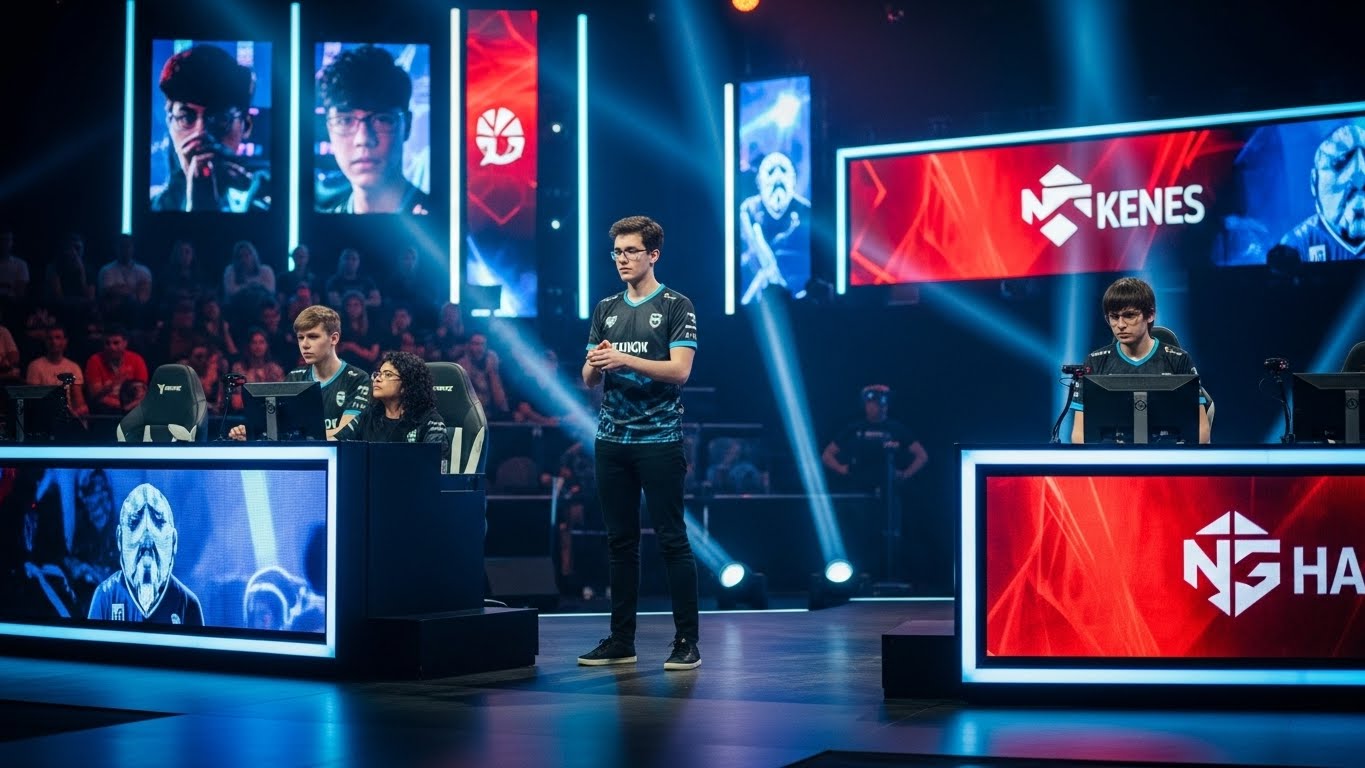
Professional esports players are athletes in their own right. Their training routines include mechanical practice, strategic study, physical fitness, and mental conditioning. Reaction time, hand-eye coordination, and decision-making speed are critical, but so are communication and teamwork.
Teams function as professional organizations with management structures similar to traditional sports clubs. Coaches develop strategies, analysts study opponents, and support staff help players maintain performance and well-being. The result is a highly competitive environment where small improvements can make the difference between victory and defeat.
Esports as a Spectator Experience
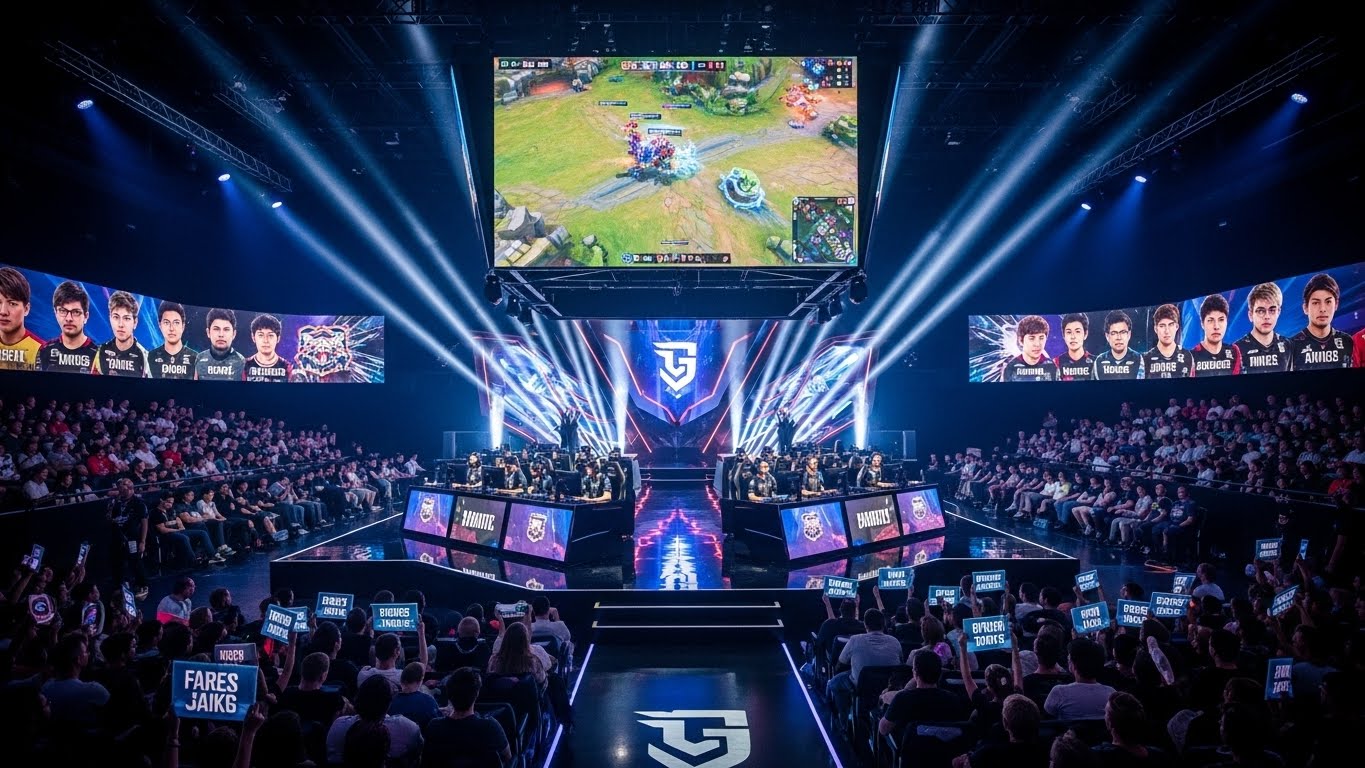
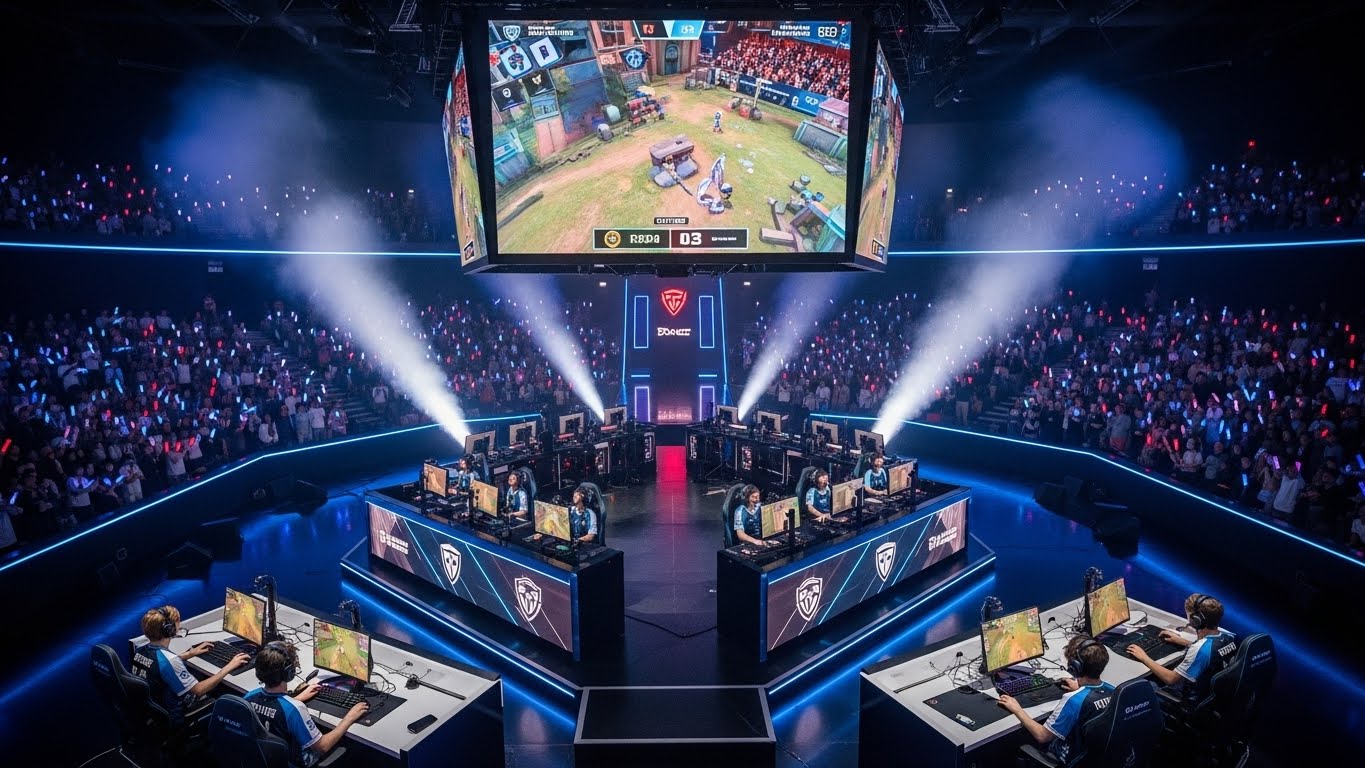
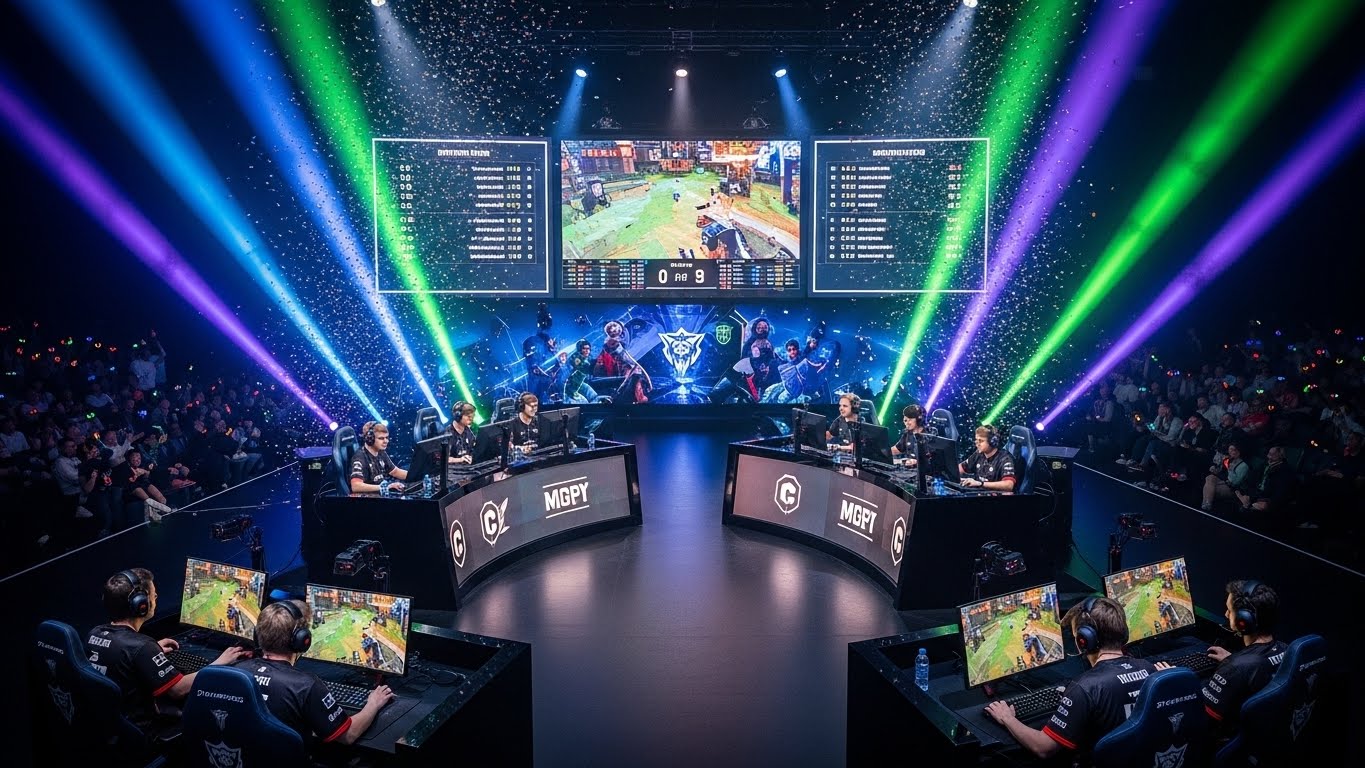
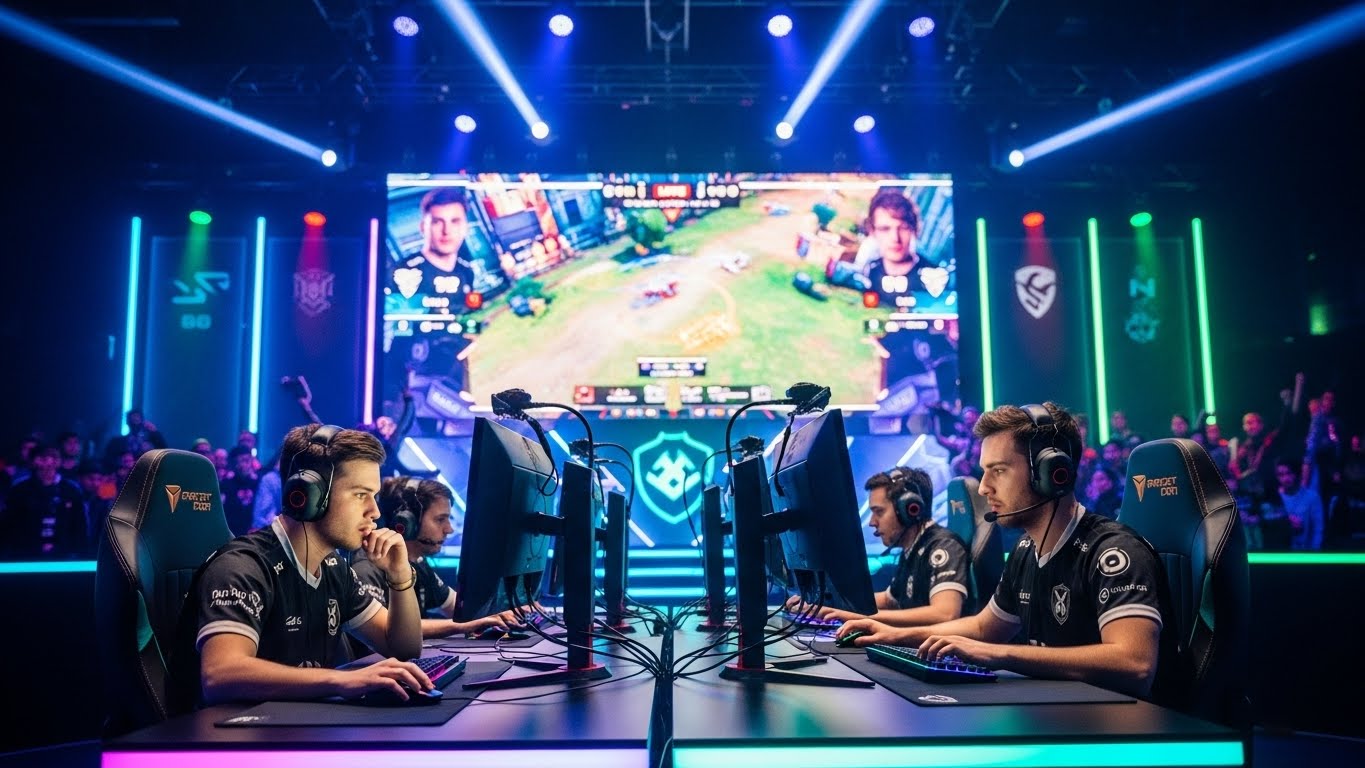
Watching esports is a dynamic and interactive experience. Fans can follow their favorite teams, learn game strategies, and engage with commentators who break down complex plays in real time. Live events combine digital competition with the excitement of a physical crowd, creating an atmosphere comparable to major sporting events.
The accessibility of esports viewing has also contributed to its popularity. Fans can watch matches from anywhere, participate in live chats, and feel connected to players and communities. This sense of inclusion strengthens fan loyalty and expands the reach of esports beyond traditional boundaries.
Cultural Impact and Community Building
Esports has had a profound cultural impact, particularly among younger generations. It has created new forms of entertainment, new heroes, and new social spaces. Online communities form around games, teams, and personalities, offering a sense of belonging that transcends geography.
Beyond entertainment, esports has influenced fashion, music, and language. Gaming culture has become mainstream, shaping trends and redefining what it means to be a fan. Importantly, esports has also opened conversations about diversity, inclusion, and representation, highlighting both progress and challenges within the industry.
Education and Career Opportunities in Esports
One of the most significant developments in esports is its expansion into education and careers beyond playing. Universities and schools now offer esports programs, scholarships, and degrees focused on game design, management, marketing, and broadcasting. These initiatives recognize esports as a legitimate field of study and employment.
Career opportunities in esports extend far beyond professional players. Event organizers, content creators, analysts, referees, psychologists, and business professionals all contribute to the ecosystem. This broad range of roles makes esports an attractive industry for individuals with diverse skills and interests.
The Business of Esports
Esports is a rapidly growing industry with revenue streams that include sponsorships, advertising, merchandise, ticket sales, and media rights. Brands are drawn to esports because of its engaged, digitally native audience. Partnerships between teams and sponsors are often integrated creatively into content and events.
However, the business side of esports also faces challenges. Financial sustainability, fair player compensation, and long-term league stability are ongoing concerns. As the industry matures, developing transparent and ethical business practices will be essential for continued growth.
Health, Balance, and the Human Side of Gaming
While esports celebrates high performance, it also raises important questions about health and balance. Long hours of practice can lead to physical strain, eye fatigue, and mental stress. Recognizing this, many teams now emphasize physical exercise, proper nutrition, and mental health support.
Promoting a healthy approach to gaming is crucial for the future of esports. By addressing well-being alongside performance, the industry can set positive standards and ensure that players thrive both during and after their competitive careers.
The Future of Esports
The future of esports is full of possibility. Advances in technology, such as virtual reality and improved connectivity, may create new forms of competition and immersion. Global expansion will continue as more regions develop their own leagues and talent pipelines.
At the same time, esports will need to navigate regulation, governance, and public perception. Balancing innovation with responsibility will determine how the industry is viewed by society at large. If managed well, esports has the potential to become one of the defining cultural forces of the digital age.
Conclusion: More Than Just a Game
Esports is more than competitive gaming; it is a reflection of how technology, culture, and human ambition intersect. It has transformed play into profession, audiences into communities, and games into global events. As esports continues to grow, it challenges traditional ideas of sport and entertainment, proving that competition in the digital world can be just as meaningful, demanding, and inspiring as any played on a physical field.
In embracing esports, we are not just watching games on a screen. We are witnessing the evolution of competition itself, shaped by creativity, connection, and the shared pursuit of excellence.