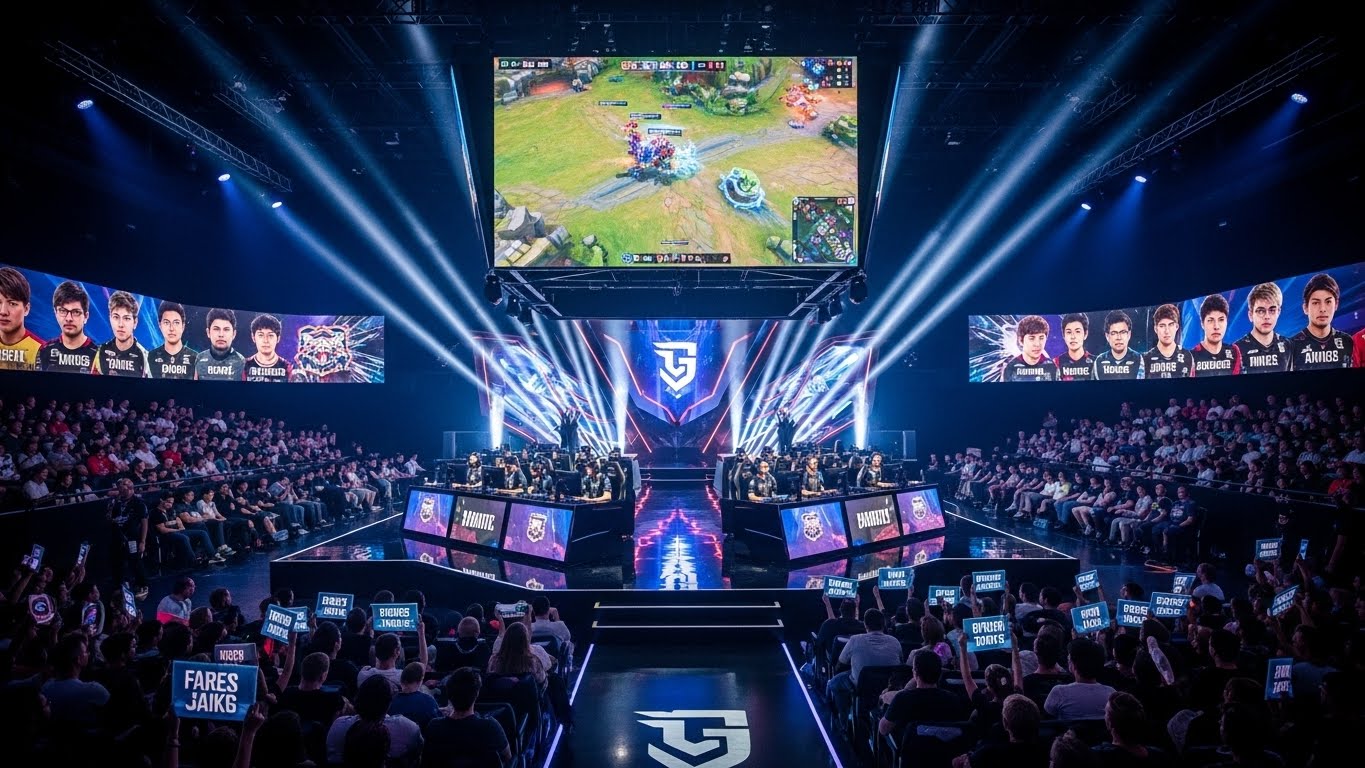
Introduction: The Digital Revolution of Competitive Gaming
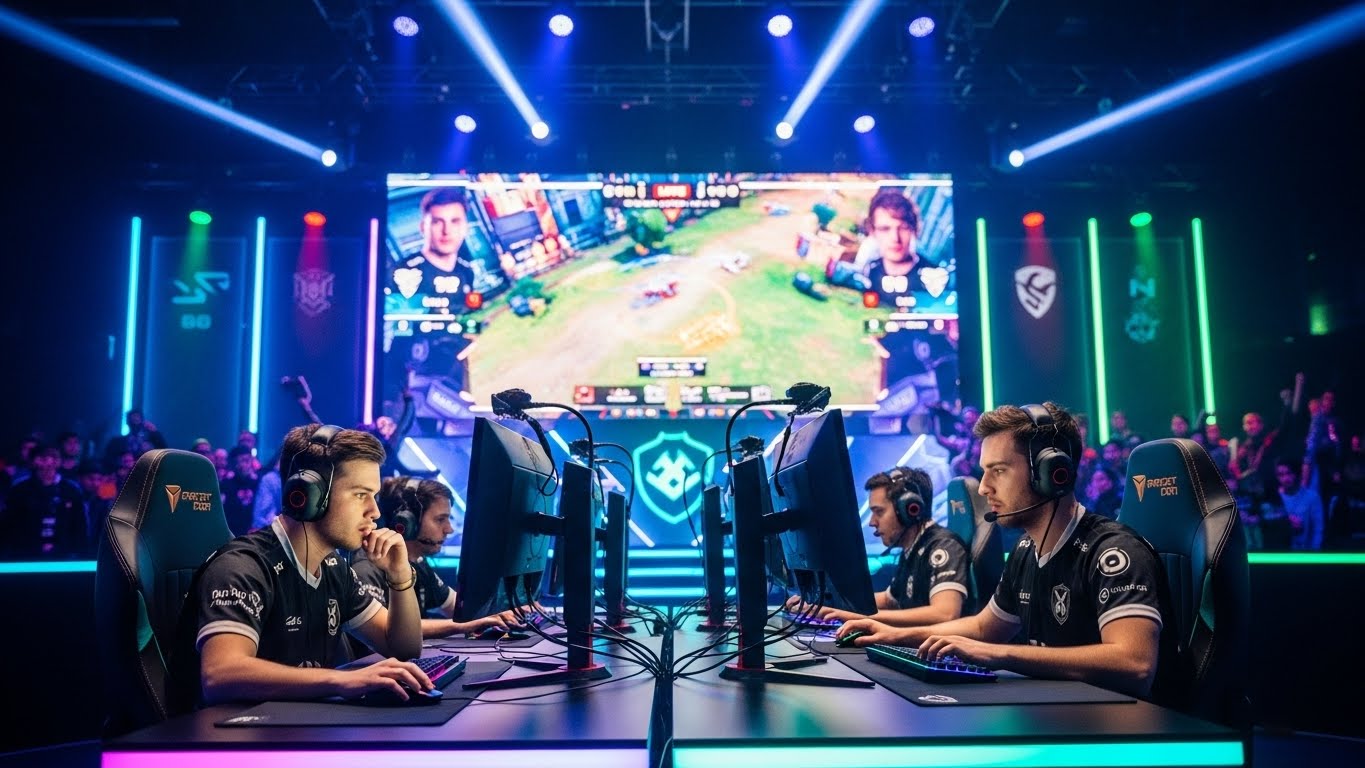
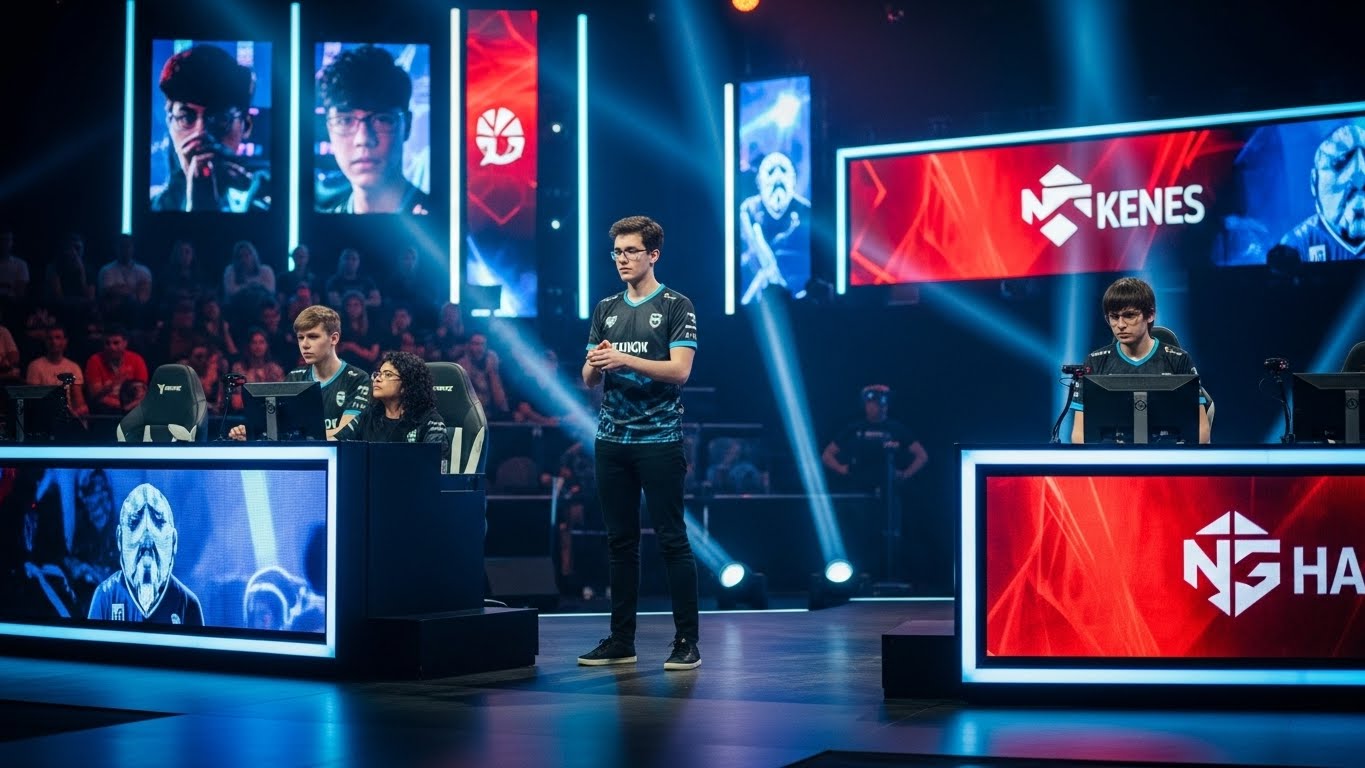
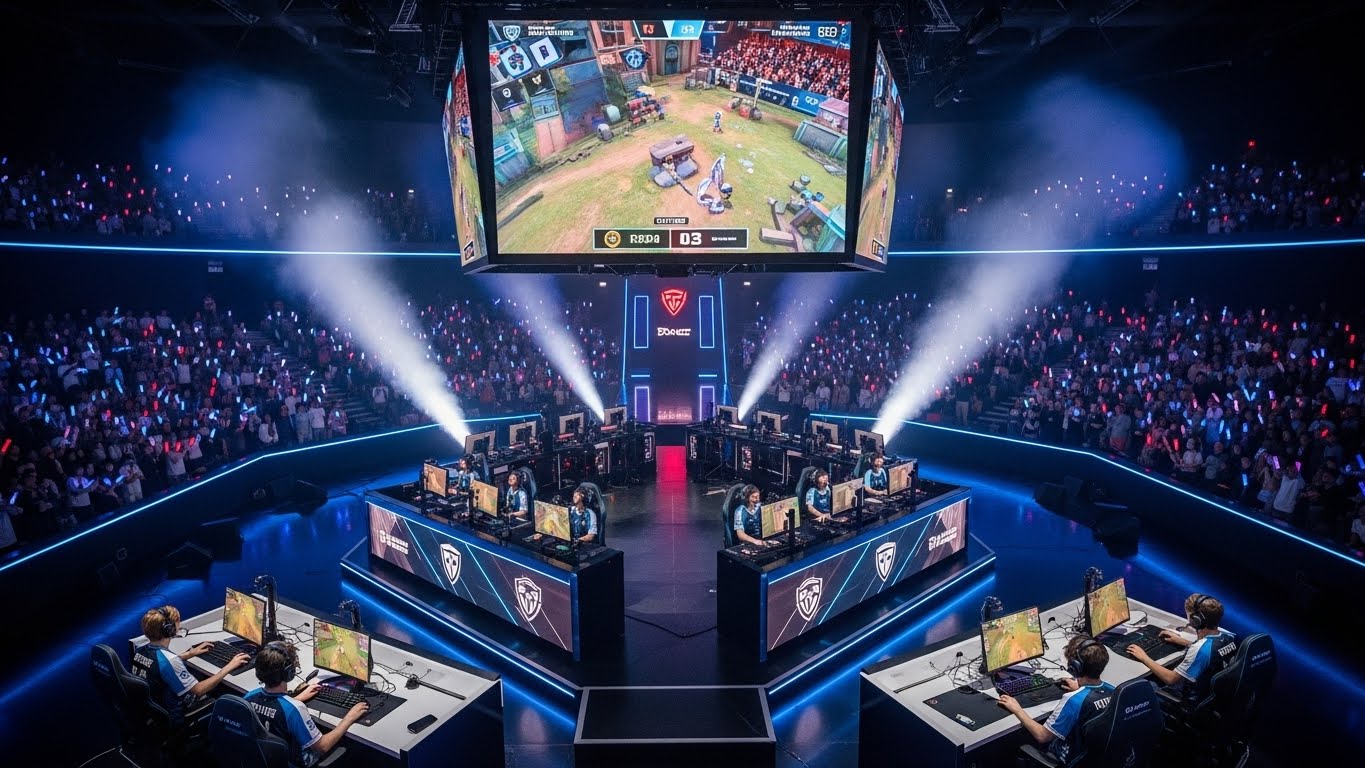
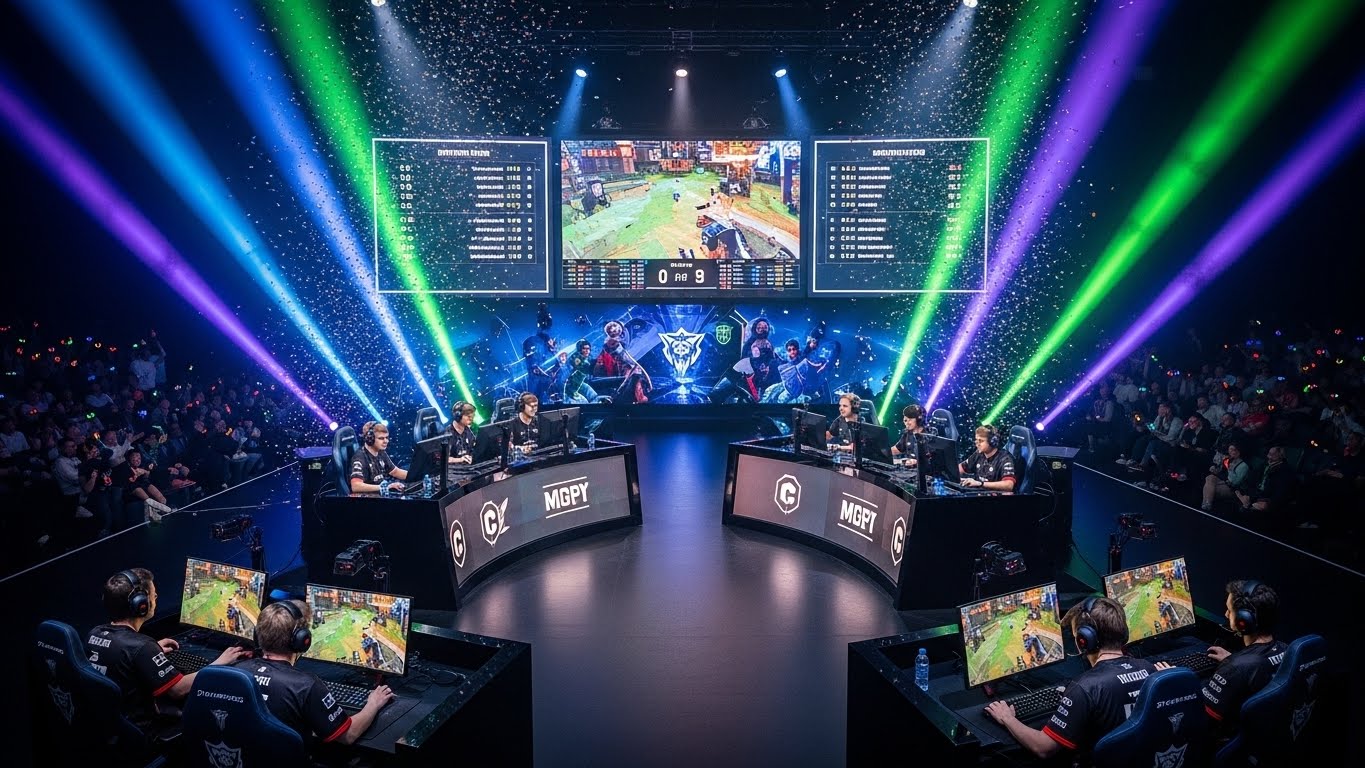
In the past two decades, gaming has transformed from a casual pastime into a major competitive industry known as esports. Millions of players across the globe now participate in professional tournaments, attracting fans who watch live streams, follow players on social media, and engage in digital communities. Unlike traditional sports, esports thrives entirely in the digital world, yet it has generated the same passion, investment, and recognition as conventional athletic competitions. This evolution reflects both the advancements in technology and a cultural shift that views gaming as a legitimate form of competition and entertainment.
The History and Evolution of Esports
The origins of esports can be traced back to the arcade competitions and LAN (Local Area Network) parties of the 1980s and 1990s. Games like Pac-Man, Street Fighter, and early first-person shooters were popular in small-scale tournaments. With the advent of the internet, competitive gaming expanded beyond local arenas, allowing players from around the world to compete in real-time.
Titles such as StarCraft in South Korea and Counter-Strike in North America played pivotal roles in establishing esports as a professional activity. These games introduced structured leagues, team-based competitions, and the concept of professional gaming as a career. Today, esports has evolved into a multi-billion-dollar global industry with organized leagues, massive tournaments, and mainstream media coverage. The growth of esports showcases how digital platforms can create entirely new forms of entertainment and competition.
Popular Esports Genres and Titles
Esports encompasses a wide variety of genres, each attracting unique audiences and competitive communities. Multiplayer online battle arena (MOBA) games like League of Legends and Dota 2 focus on strategic teamwork, map control, and high-level decision-making. First-person shooters (FPS) such as Counter-Strike: Global Offensive and Call of Duty emphasize reflexes, precision, and communication. Fighting games, sports simulations, and real-time strategy games also maintain dedicated competitive scenes.
The diversity of esports genres ensures that there is something for everyone, whether players excel in strategy, teamwork, or reaction speed. This variety also contributes to the industry’s massive growth, as fans follow multiple games and support professional players across different platforms. Each genre has its own ecosystem, including teams, tournaments, fan communities, and media coverage, making esports a rich and multi-layered industry.
The Economics of Esports
The esports industry is no longer limited to tournament winnings. Revenue streams include sponsorships, advertising, merchandise sales, media rights, and streaming platforms. Companies from technology, beverage, and apparel industries invest heavily in esports, recognizing the opportunity to reach a younger, digitally engaged audience.
Professional teams operate much like traditional sports franchises, offering salaries, coaching staff, and training facilities for players. High-profile tournaments offer prize pools reaching millions of dollars, attracting top talent and media attention. The industry also provides opportunities beyond players, including roles in event management, broadcasting, content creation, marketing, and analytics. This economic ecosystem highlights esports’ status as a legitimate career path and a driver of employment within the digital entertainment sector.
Professional Players: Training and Preparation
Becoming a professional esports player requires dedication, discipline, and strategic skill. Players often train for multiple hours daily, analyzing gameplay footage, refining techniques, and studying opponents’ strategies. Mental conditioning and physical fitness are increasingly recognized as critical components of performance, as focus, reflexes, and stress management directly influence outcomes.
Team dynamics are another essential element. Communication, coordination, and mutual trust among teammates are crucial for success. Coaches and analysts provide support, helping players improve strategies, optimize character choices, and understand opponents’ tendencies. The rigorous preparation and commitment required demonstrate that professional esports is not just a hobby but a serious, demanding career.
Global Impact and Cultural Influence
Esports has a worldwide presence, with strong communities in countries such as South Korea, China, the United States, and Europe. In South Korea, esports enjoys mainstream recognition, with players achieving celebrity status and tournaments broadcast on national television. International competitions, including the League of Legends World Championship and The International for Dota 2, attract millions of viewers from around the globe.
Esports transcends cultural and geographic boundaries, connecting players and fans through shared passion. This global reach fosters cross-cultural interaction, enabling communities to form around games regardless of language or location. The influence of esports extends beyond gaming, shaping entertainment, marketing strategies, and even educational programs in digital media and game design.
The Role of Streaming Platforms
Live streaming has been a transformative force for esports. Platforms allow fans to watch competitions in real-time, interact with players through chat, and build communities around shared interests. Popular streamers have become influencers, creating content that extends beyond competitive matches to tutorials, lifestyle videos, and personal branding.
Streaming also provides aspiring players with opportunities to showcase skills and attract attention from professional teams. Fan engagement through live streaming creates a participatory culture, with viewers feeling a direct connection to players and tournaments. This interactive model sets esports apart from traditional sports and enhances its appeal to digitally native audiences.
Challenges and Sustainability
Despite its growth, esports faces challenges. Player burnout is common due to intensive training and mental strain. Issues such as match-fixing, cheating, and harassment threaten the integrity of competitions. Additionally, revenue models can be unpredictable, requiring teams and organizers to navigate fluctuating viewership and sponsorships.
Ensuring sustainability involves providing mental health support, implementing strong governance, and maintaining ethical standards across all levels of competition. The industry must balance rapid growth with responsible practices to ensure that esports remains viable and credible in the long term.
The Future of Esports
The future of esports is intertwined with technological advancements. Virtual reality, augmented reality, and artificial intelligence promise to create new gaming experiences and competitive formats. VR tournaments could provide fully immersive competitions, while AI analytics could refine training and strategies.
Integration with mainstream media and traditional sports is also expected to grow. Hybrid events combining entertainment, fan interaction, and competition are becoming increasingly popular. Educational institutions are offering esports programs and scholarships, legitimizing gaming as both an academic and professional pursuit. As technology continues to evolve, esports will continue to redefine entertainment, sports, and digital culture globally.
Conclusion: Esports as a Cultural and Professional Force
Esports has moved beyond being a niche hobby to become a global industry with cultural, social, and economic significance. Its growth reflects advancements in technology, shifts in entertainment consumption, and changing perceptions of gaming. From the dedication of professional players to the engagement of millions of fans worldwide, esports demonstrates the potential of digital platforms to create meaningful competition and community.
As esports continues to evolve, it challenges traditional definitions of sports and professional achievement. It highlights the intersection of technology, culture, and human creativity. The future promises innovation, global engagement, and recognition of competitive gaming as a legitimate, influential, and exciting facet of modern life. Esports is not just about games; it is a movement reshaping the way we play, watch, and interact with digital entertainment.