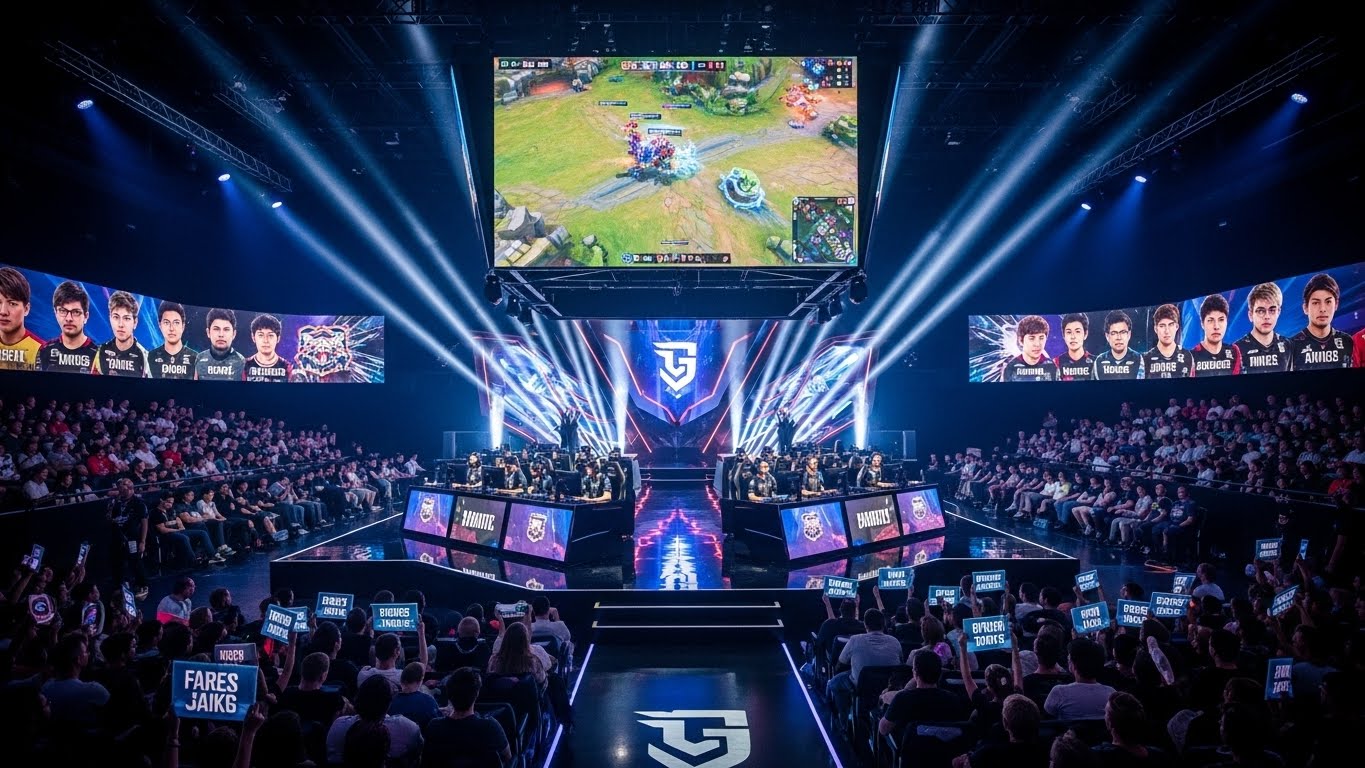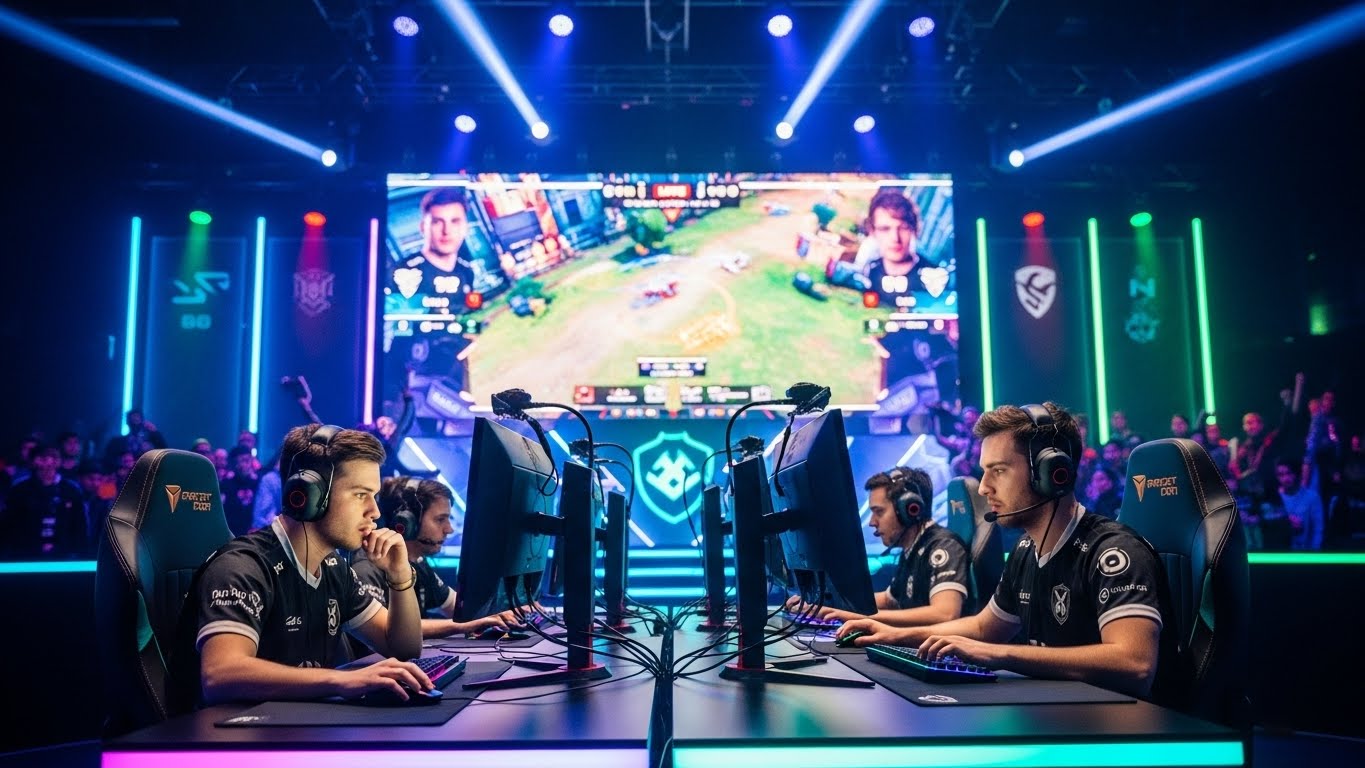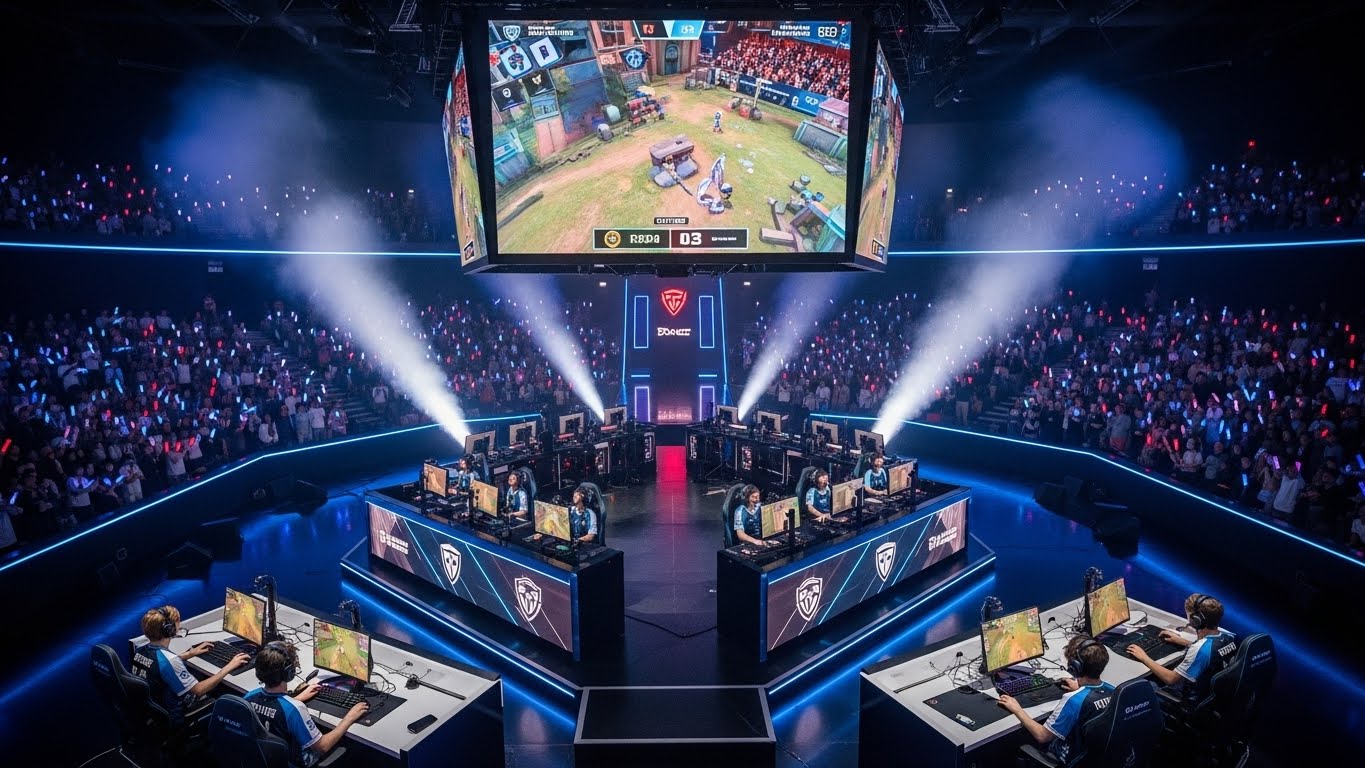
India’s mobile esports scene has gone from a niche pastime to a full-blown industry in the space of a few short years. Driven by cheap smartphones, low-cost mobile data, a surge of locally relevant games and content, and a massive young audience hungry for competitive entertainment, mobile esports in India is no longer “up-and-coming” — it’s here, loud and fast. This long-form deep dive looks at the numbers, the players, the tournaments, the business models, the challenges (regulatory and infrastructure), and what the future likely holds for mobile competitive gaming in India.
Quick snapshot (what the data says)
- The India mobile gaming market was valued at roughly USD 3.02 billion in 2024 and is forecast to grow strongly through the decade.
- India’s broader esports market (which includes PC and console but is heavily mobile-weighted) was estimated in recent market research to be in the low hundreds of millions of dollars in 2024, with double-digit CAGR projections for the coming decade.
- Mobile-first titles (battle royales, hero shooters and other short-session games) consistently post the highest viewership and engagement numbers in India; major domestic BGMI events and Free Fire competitions have recorded peak concurrent audiences in the hundreds of thousands and millions of total hours
These numbers don’t just represent casual players — they underpin teams, tournament organizers, OTT partnerships, sponsorship deals, and livelihood pathways for pro players, shoutcasters, and streamers across India.
Why mobile — three structural drivers
- Affordability and ubiquity of smartphones
In the last decade India moved from a small smartphone base to one of the world’s largest mobile user populations. Low-cost Android devices from domestic and Chinese OEMs put competent gaming hardware in the hands of tens — eventually hundreds — of millions. That base is the single biggest enabler of mobile esports; where PC or console requires heavy upfront cost, mobile only asks for a phone and a data plan. (Market reports referenced above chart how this translated into the USD 3B mobile market in 2024) - Cheap, high-capacity mobile data (and growing 4G/5G footprints)
Years of competition among telecom carriers drove data prices down, making long play sessions and streaming viable. As 5G rollouts continue across metro and tier-2 cities, latency-sensitive titles and mobile streaming quality get a boost — unlocking better competitive play and spectator experiences. - Game design and session structure that match Indian habits
Successful mobile esports titles are built for short sessions, social play, and low-friction matchmaking. That design pattern fits Indian gamers juggling jobs, college, or domestic commitments — quick matches and mobile-friendly UI let players compete and spectate in short bursts without heavy time commitments.
The games that built the scene
While India’s mobile gamers play a wide range of titles, a small set of games has powered most of the esports traction:
- Battlegrounds Mobile India (BGMI) / PUBG-family games — BGMI, the India-optimized version of PUBG Mobile, reclaimed a huge audience after earlier regulatory turbulence. Domestic leagues, invitational events and seasonal circuits from organizers and publisher Krafton have driven huge viewership spikes and pro ecosystems. Recent BGMI seasons and pro series recorded peak audiences and multi-million hours watched across tournaments.
- Garena Free Fire / Free Fire Max — Free Fire’s shorter-match format propelled it to mass adoption during years when alternate battle royales were restricted. Its grassroots competitive ladders and creator partnerships produced high viewership and strong monetization through cosmetics. (Free Fire remains among top-grossing mobile titles in India.)
- Call of Duty: Mobile, Mobile Legends and others — Hero-based and shooter titles with polished spectator modes and balanced matchmaking have carved out niche, passionate competitive communities and regular tournament circuits.
These games form the competitive backbone but the ecosystem is broader: local indie titles, regionally targeted events, and mobile-first esports formats (shorter broadcast-friendly match structures) all contribute to a diversifying competitive landscape.
The tournament ecosystem: from grassroots to pro circuits
India’s tournament scene now spans multiple layers:
- Grassroots & campus leagues: College tournaments, local cafes (where they still exist with mobile setups), and creator-run competitions help surface talent and build fandom. These are high-volume, low-cost events that are vital talent pipelines.
- Open qualifiers & regional cups: Many professional circuits use open qualifiers to democratize access. This boosts viewership (fans tune in for underdog stories) and gives organizers a talent funnel.
- Franchise, invite & publisher-run leagues: Large-ticket events — publisher-backed pro circuits or franchise leagues — feature established orgs, pro contracts, and guaranteed prize pools. For BGMI and other major titles, pro series and invitational seasons command the biggest audiences and sponsorship dollars. For example,
- International crossovers: Indian squads now compete and sometimes win in Asia-Pacific-level mobile events. International qualifiers further professionalize teams and incentivize org investment.
Prize pools and sponsorships have expanded in line with viewership. Esports charts and tournament trackers show multi-year prize pool growth for mobile titles in India; combined total prize money figures for popular games have reached near-million-dollar ranges across seasons (aggregated across domestic and international even
Who’s making money (and how)
Mobile esports monetization in India unfolds across several linked channels:
- Sponsorships & brand deals
Brands, from telecoms to consumer electronics to energy drinks and apparel, sponsor teams, tournaments, and content creators. As viewership scales, ad CPMs and sponsorship rates rise—transforming esports from hobbyist funding to sustainable revenue for organizations and talent. - Publisher monetization (cosmetics, passes)
In-game purchases (skins, battle passes) remain the single largest revenue stream for titles, and tournament hype cycles often align with in-game seasons and cosmetics drops to maximize spend. - Streaming & creator revenue
Top streamers monetize via platform revenue shares, subscriptions, fan donations, and brand partnerships. Streamers who ride tournament runs can monetize both live viewership spikes and long-tail audience growth. - Ticketing & media rights
While stadium events are still catching up (mobile esports are largely digital), some larger finals incorporate ticketed live experiences. Emerging OTT and broadcast partnerships are beginning to purchase rights for high-profile events in India, though these deals are still maturing compared to global PC/console esports markets. - Team & player deals
Professional teams sign players to monthly contracts, provide training infrastructure, coaches, and revenue shares on prizing and content. Support services (wellness coaching, analysts) are increasingly standard for top-tier squads.
Market reports suggest the India esports market—driven largely by mobile—was already in the low hundreds of millions of dollars in 2024 with aggressive growth forecasts, making these monetization channels more attractive to mainstream brands and venture investors.
The talent pipeline: players, creators, and orgs
India now hosts a recognizable ladder from amateur to pro:
- Community & amateur players: Many pro players start as YouTube or Twitch creators or climb through college leagues and open qualifiers. Low entry barriers for mobile make it easier for raw skill to surface quickly.
- Professional teams and orgs: Established esports organizations (both Indian and international) field mobile rosters, invest in player houses, coaching staff, and content streams. These orgs also create content to monetize outside prize earnings.
- Content creators & shoutcasters: India’s creator economy feeds esports growth. Influential streamers can move entire fanbases between titles and sustain viewership when tournament schedules are thin.
- Coaches, analysts, and support staff: As competition professionalizes, teams hire coaches, analysts, strength & conditioning advisors, and PR/content teams — turning gaming into structured career paths.
The result is a more mature, visible career arc for Indian players and content professionals — making esports an aspirational, sometimes viable career for talented youngsters.
Infrastructure & tech: streaming, latency, and broadcast quality
Broadcast quality matters for spectator growth. Indian events have steadily improved production values: multi-language broadcasts, multi-camera POVs, on-screen stat trackers, and professional hosts. Platforms like YouTube and Twitch, local streaming-centric platforms, and social clips on short-video apps amplify highlights and expand reach.
Technical improvements — lower latency with better networks, more powerful phones, and game-mode optimizations — also help. For top-tier competition, organizers invest in locked-down server settings, anti-cheat tech, and event-grade connectivity to preserve competitive integrity.
Challenges & headwinds
Growth hasn’t been frictionless. Several structural and external challenges remain:
1. Regulatory uncertainty
India’s regulatory stance toward gaming and money-based games has evolved in recent years. Changes around online real-money gaming, taxation, and region-specific restrictions have created lumps of uncertainty for companies that rely on transaction-based monetization models. In 2025 there have been notable regulatory actions that impacted money-based operations, underscoring the importance of compliance and diversificatio
Even when regulations don’t directly touch esports (which is often non-cash competitive play), adjacent legal changes around microtransactions, loot boxes, or reward-based contests can influence publisher strategies and community behaviour.
2. Monetization concentration
A large chunk of publisher revenue still comes from a relatively small cut of highly engaged paying users (the “whales”). That concentration creates volatility: when publishers or platforms shift monetization models, or when a title falls out of favor, incomes can shrink fast.
3. Cheating, account fraud, and integrity
Mobile titles have been plagued by cheating tools, account buyers/sellers and “smurfing” (high-skill alternate accounts). Organizers must invest in anti-cheat and enforce strict eligibility rules to ensure fair competition. If integrity is breached repeatedly, viewership and sponsor trust decline.
4. Infrastructure & payment frictions in smaller towns
While metro and tier-2 cities see robust connectivity and payment options, smaller towns still face device, latency, and payment hurdles. That creates uneven talent pools and limits the truly nationwide reach.
5. Sustainable player livelihoods
Not every pro player reaches stable income. Beyond the top handful of teams and creators, many players rely on short-term contracts or prize-dependent income. Building long-term career paths and retirement/health support frameworks remains an industry challenge.
What organizers, publishers and brands are doing right now
- Publisher-led leagues & calendarization — Publishers like Krafton (BGMI) run seasonal structures and integrated pro circuits to provide continuity and predictability for teams and viewers. This helps sponsors and broadcasters plan investments and keeps fans engaged across the year.
- Localizations & India-first content — Games increasingly include India-centric content (events, localized UI, regional servers) to better serve audiences and regulators.
- Creator-first marketing — Brands and publishers lean on popular creators — livestreamers and YouTubers — to amplify tournaments, create hype, and convert casual players to competitive watchers.
- Sponsorship & brand partnerships — Telecoms, energy drink brands, and consumer electronics firms sponsor teams and tournaments, turning esports into mainstream brand marketing channels.
- Production investments — Higher broadcast standards (multi-language streams, studio hosts, highlight packages) attract both sponsors and non-endemic audiences.
The role of media & streaming platforms
Streaming platforms are the lifeblood of mobile esports fandom. Highlights and short clips on social apps funnel viewers into longer live streams and tournament broadcasts. Local streaming platforms and YouTube have been particularly effective in India due to accessibility (no need to install separate apps in many cases), multi-language support, and broad reach. Advertisers increasingly buy into tournament streams, connecting brand dollars directly with engaged, young audiences.
Case studies: BGMI (publisher circuit) and BGMS highlights
BGMI (Krafton’s India product) — and its seasonal circuits — are a useful microcosm of the broader ecosystem. Publisher-run pro series, open qualifiers, and invitational finals helped the game re-establish a strong competitive footprint after prior regulatory hiccups. Recent BGMI seasons and Masters series recorded peak viewership in the hundreds of thousands (e.g., ~327k peak) and millions of hours watched cumulatively — clear signals that audience demand for domestic, localized mobile esports is substantial
Another example is the ESL Snapdragon Pro Series and other franchise/invite events which put real financial and production muscle behind Indian mobile esports, paying out meaningful prize pools and drawing sponsor interes
How brands should think about India mobile esports
If you’re a brand considering investment in Indian mobile esports, here are practical principles:
- Match format to marketing goals — Short-term activations (product launches) fit influencer and short-format highlight packages; long-term brand-building benefits from season-long sponsorships or team partnerships.
- Leverage creators, not just tournaments — Creators hold the audience. Sponsor talent-driven content and co-create activations with streamers to tap built-in fanbases.
- Localize messaging — India is linguistically and culturally diverse. Multi-language broadcasts and regionally relevant creative outperform one-size-fits-all campaigns.
- Measure attention, not just installs — For gaming brands, uplift in app installs is one metric — but for many non-endemic sponsors (FMCG, telcos), attention metrics — watch time, engagement, ad recall — matter more.
- Plan for regulatory shifts — Have contingency plans; diversify activation types (non-transactional community building vs. real-money contests) to avoid exposure if rules change.
What this means for players and smaller orgs
- Opportunity: There’s more access to professional infrastructure and sponsorship deals than ever. Good players can reach pro circuits through open qualifiers and content creation.
- Risk: Sustainability outside the top tiers is still fragile. Players should consider building personal brands, saving during peak earnings, and diversifying into content, coaching, or regional events.
- Advice: Focus on consistent content creation, community building, and networking with teams. Tournament wins help, but fan loyalty often equals longer-term income resilience.
The future: five paths forward
- Professionalization continues — Expect more structured leagues, longer-term player contracts, and better team infrastructure as sponsors seek stability and better return on investment.
- Cross-platform and hybrid events — Hybrid live/online events and cross-title festival weekends will create richer fan experiences and multiple monetization windows (ticketing + streaming + merchandising).
- Improved broadcast tech & analytics — Better spectator tools (match overlays, real-time stats) and data analytics will increase fan engagement and give teams analytical leverage similar to legacy sports.
- Regional expansion & talent discovery — Lower-tier regions will get more attention as organizers seek the next wave of talent; that will widen the talent funnel and audience base.
- Regulatory clarity (if achieved) will unlock new investments — Clear, consistent rules around in-game monetization, reward systems, and consumer protection will encourage more long-term investments from global and local firms.
Final thoughts: why India matters globally
India’s enormous user base and rapidly maturing monetization dynamics mean the country won’t just be a spectator market — it will export talent, formats, and business models. Mobile esports formats that work in India (short sessions, creator-led funnels, seasonal publisher circuits) will interest other emerging markets with similar device and consumption patterns.
For players, creators, brands, and investors, India represents a high-growth, high-engagement opportunity — but one that requires careful navigation of regulations, a focus on community, and investment in broadcast and production quality. If those pieces come together, India’s mobile esports scene can become one of the defining entertainment industries of the decade.