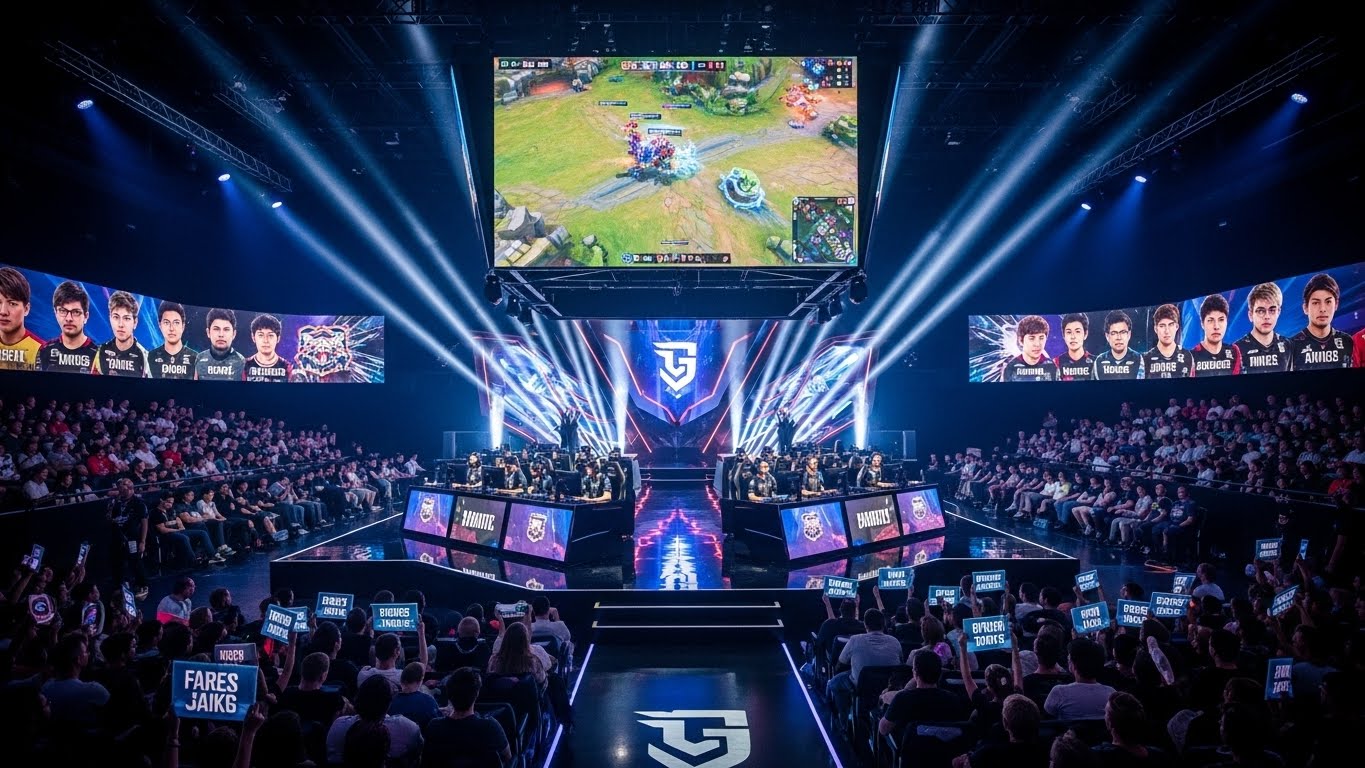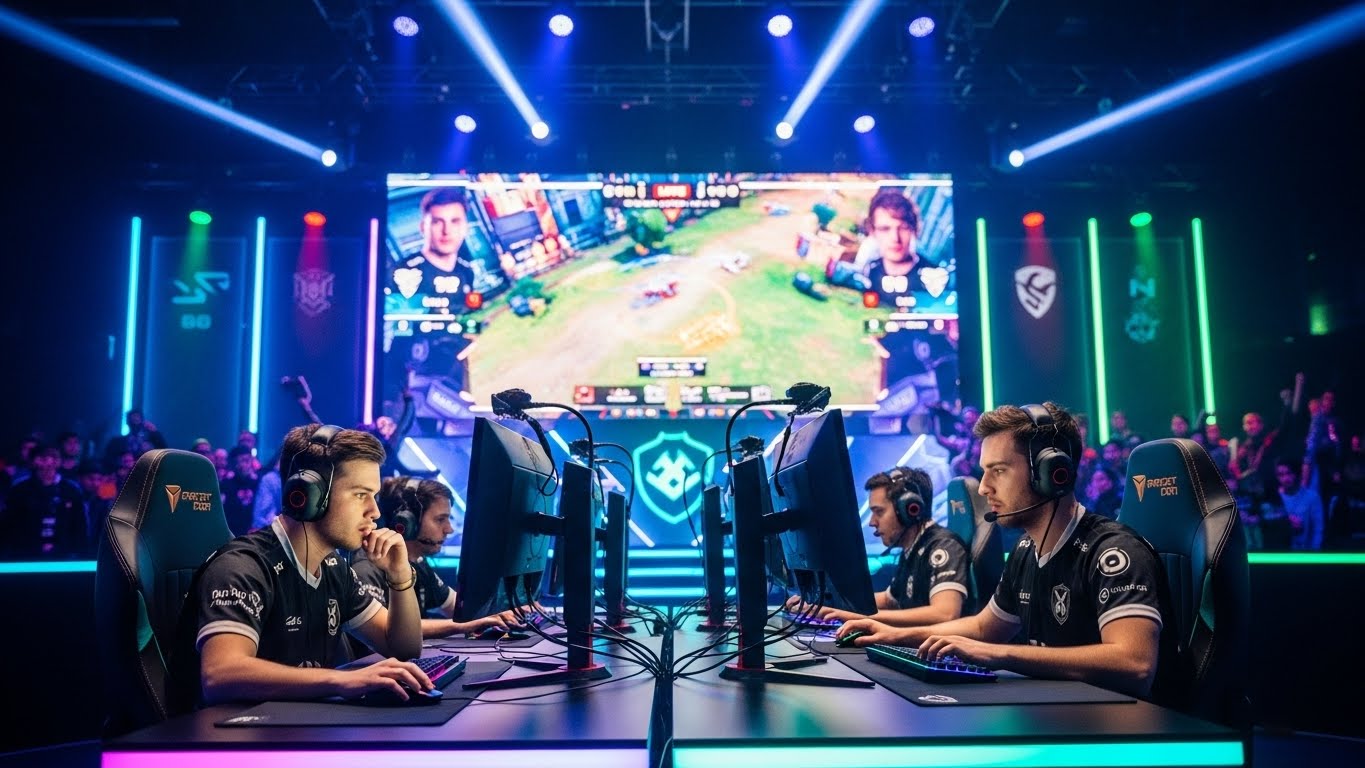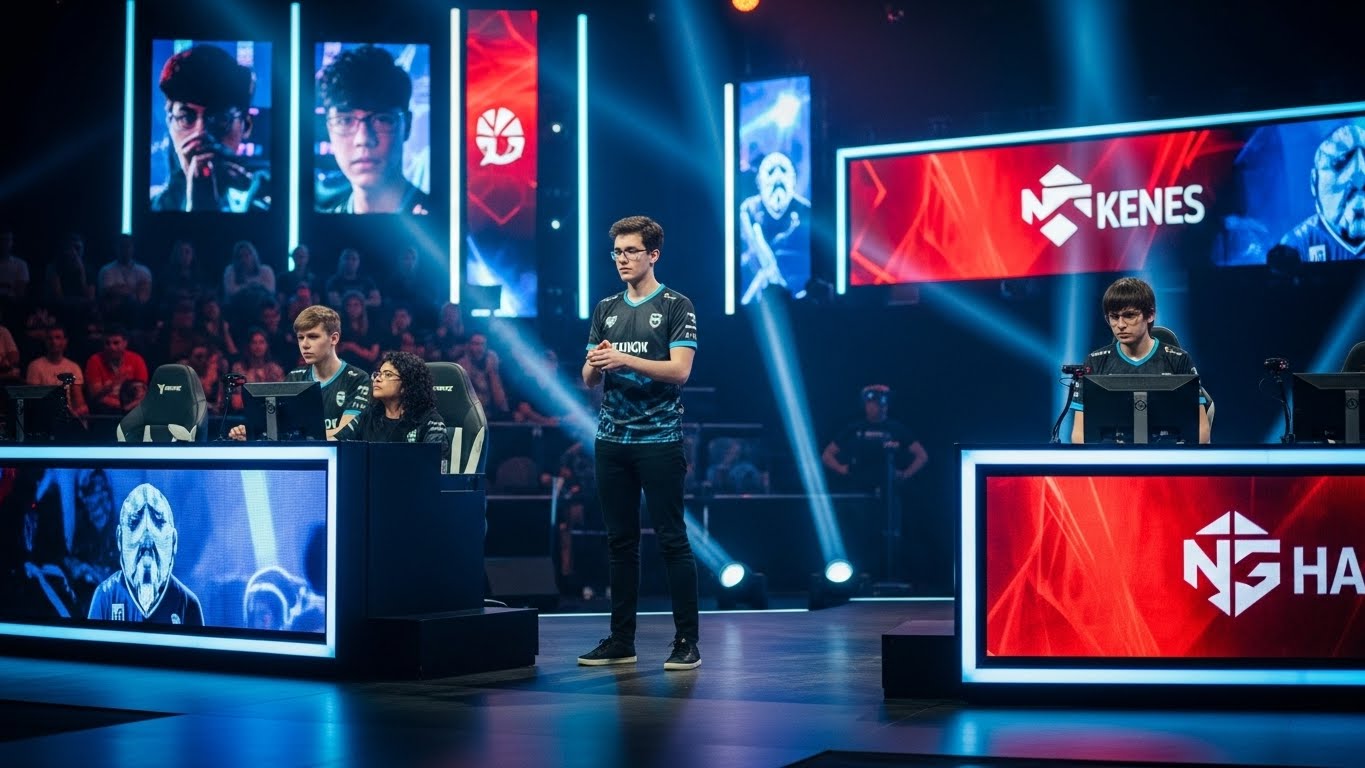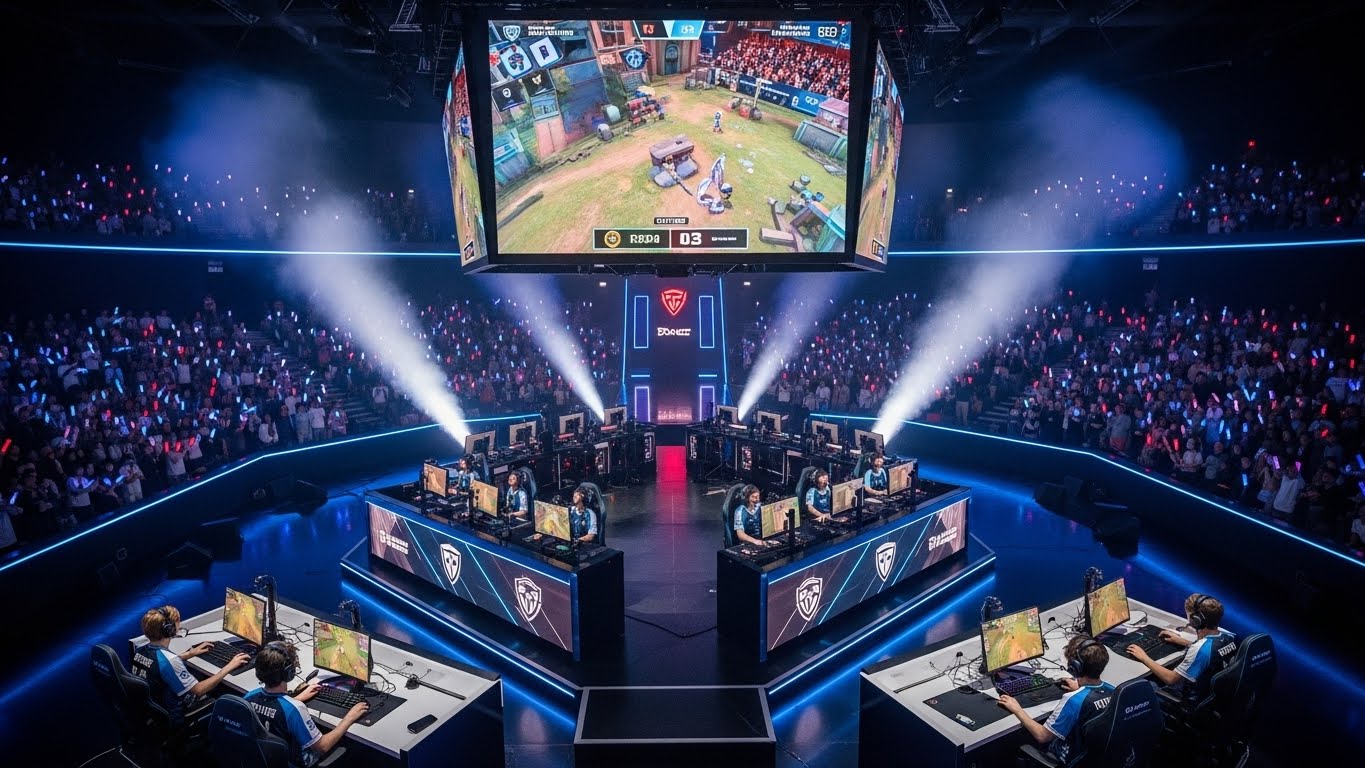
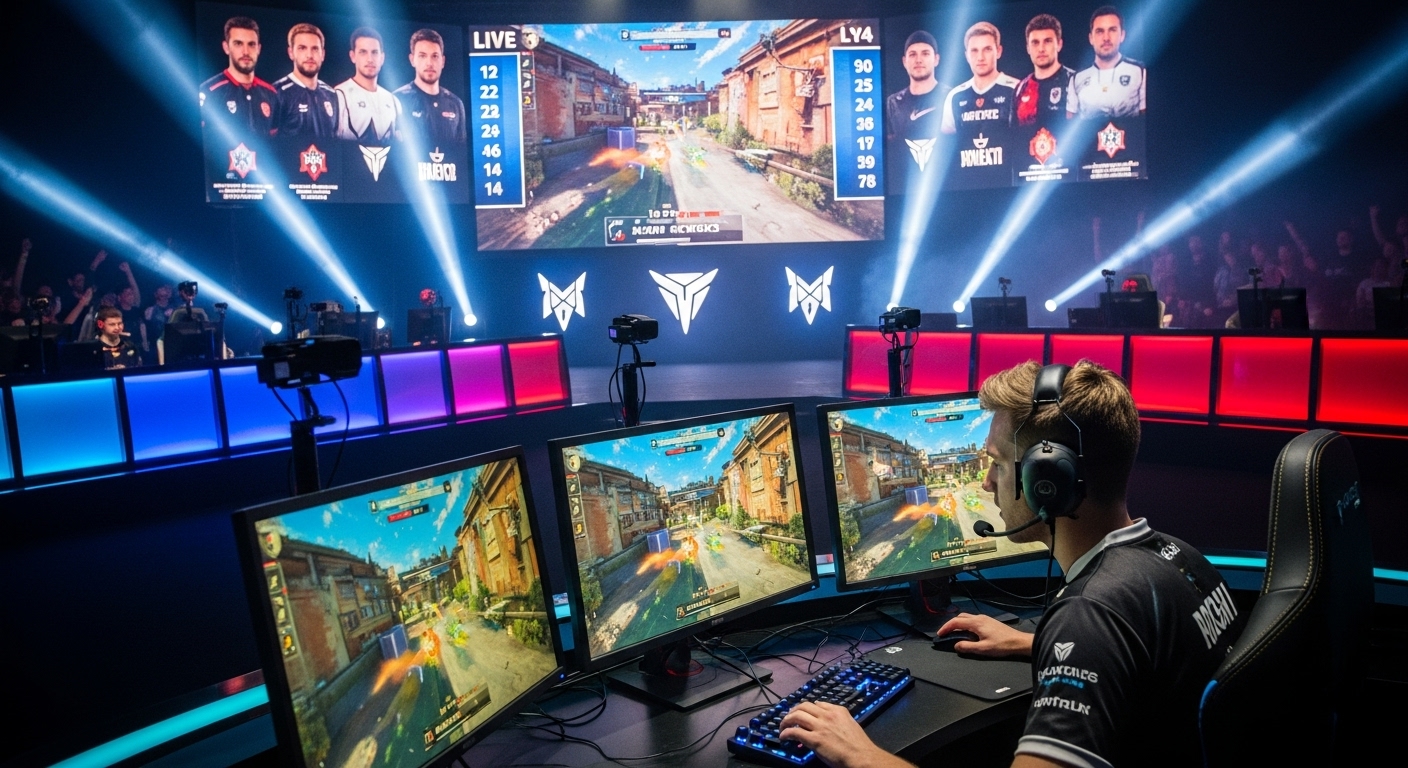
Cloud gaming, once a futuristic concept, has emerged as one of the most transformative forces in the gaming industry. With its promise of breaking down the hardware barriers and allowing players to access their favorite games from virtually any device, cloud gaming is revolutionizing not only casual gaming but also competitive esports. As more players and organizations adopt this new technology, it’s clear that cloud gaming is reshaping the way competitive play is structured, experienced, and executed.
In this blog post, we will explore how cloud gaming is influencing competitive esports, from enhancing accessibility to leveling the playing field and expanding opportunities for new talent.
1. Breaking Down Hardware Barriers
One of the most significant advantages cloud gaming brings to competitive play is its ability to eliminate the need for high-end gaming hardware. Traditionally, competitive gaming has been dominated by players who have access to powerful PCs or consoles capable of running the latest titles at optimal performance. This often created a financial barrier for aspiring pro gamers who couldn’t afford expensive rigs.
Accessibility for All
Cloud gaming changes that dynamic by streaming the games directly to the player’s device, whether it’s a low-spec PC, smartphone, or even a smart TV. The game runs on powerful remote servers, and all the processing is done in the cloud. This means players no longer need to worry about upgrading their hardware or spending thousands of dollars on high-performance computers. They can join competitive matches from anywhere with a stable internet connection, whether they are at home or on the go. This democratization of access opens up competitive gaming to a broader and more diverse pool of players, leveling the playing field in a way that has never been seen before.
2. Low Latency and Faster Connections
In competitive esports, every millisecond counts. A split-second delay can be the difference between winning and losing a match, which is why low latency is essential for high-level play. Cloud gaming platforms, such as Google Stadia, NVIDIA GeForce Now, and Xbox Cloud Gaming, have made significant strides in reducing latency, providing fast and responsive gameplay, even when the game is hosted on remote servers.
Improving Reaction Times
Modern cloud gaming services have invested heavily in optimizing the streaming technology to minimize input lag and maximize frame rates. As a result, the latency typically seen in cloud gaming today is much lower than in previous generations, allowing for a competitive experience that rivals traditional gaming setups. This improvement in responsiveness makes cloud gaming viable for high-level esports competitions, where precision and reaction time are crucial.
Moreover, with faster internet speeds and cloud gaming infrastructure continually improving, this gap between traditional gaming and cloud gaming will continue to shrink, further bridging the divide for competitive players who may have previously relied on physical hardware.
3. Cross-Platform Play and Global Competitions
Cloud gaming not only allows for easier access but also facilitates cross-platform play. This is a game-changer in the world of esports, where players across different devices can now compete against one another in a seamless, integrated environment.
A Unified Global Esports Scene
In the past, the console and PC gaming worlds operated separately, with their own ecosystems of players and tournaments. Cloud gaming unites these ecosystems, allowing PC players, console players, and mobile gamers to compete on the same platform. This enables a global competitive scene that has more players, larger tournaments, and a more diverse set of participants. A gamer on a low-end laptop could compete against someone with a high-performance gaming rig, eliminating the hardware gap that has traditionally separated players in esports competitions.
Cross-platform play also makes it easier to launch large-scale international tournaments that feature participants from different regions, each with varying gaming setups. The flexibility cloud gaming provides in this regard not only improves the overall esports experience but also expands the pool of competitive talent that can participate in global events.
4. New Opportunities for Emerging Markets
Cloud gaming has the potential to be a game-changer for emerging markets where access to high-performance gaming hardware is limited or prohibitively expensive. Countries in regions like Southeast Asia, Africa, and South America have large populations of gamers, but many of these players do not have access to high-end PCs or consoles. Cloud gaming allows these players to participate in the global esports scene without needing expensive equipment.
Empowering Gamers Around the World
In many of these regions, mobile phones are the primary gaming device. Cloud gaming platforms that support mobile devices allow players to enjoy high-quality gaming experiences even on smartphones. As internet infrastructure continues to improve worldwide, cloud gaming becomes an increasingly attractive option for players in these markets. The ability to play the same games as players from more developed regions will likely foster new talent and contribute to the growth of esports in these areas.
This shift could lead to a rise in the number of global esports teams representing countries that were once underserved by traditional competitive gaming infrastructure. It also opens up new revenue streams for developers and esports organizations, who can tap into a broader and more diverse market.
5. The Evolution of Esports Tournaments
With cloud gaming, the structure of esports tournaments is evolving. Major competitions can now be hosted entirely in the cloud, removing the need for players to physically travel to tournaments. This is a significant shift that could lead to more frequent and more accessible competitions.
Eliminating Travel Barriers for Players
Traditionally, esports tournaments involved significant travel for players, team coaches, and staff. This could be costly and time-consuming, especially for international events. Cloud gaming removes these geographical constraints, allowing tournaments to take place remotely, where players can participate from the comfort of their homes. This is especially useful during times like the COVID-19 pandemic, when traditional LAN events were either canceled or moved online.
Hosting tournaments in the cloud also opens up new possibilities for online qualifiers, where players from around the world can compete to qualify for major events, further democratizing esports participation. With cloud infrastructure supporting large-scale tournaments, these events can be more inclusive, reaching a global audience without the logistical challenges of in-person competitions.
6. The Environmental Impact of Cloud Gaming
Another overlooked aspect of cloud gaming’s impact on competitive play is its environmental potential. Traditional gaming requires large-scale data centers to host online multiplayer games, but the rise of cloud gaming offers opportunities for more energy-efficient gaming solutions.
Reducing the Need for Physical Hardware
While cloud gaming requires data centers to host games, it reduces the need for players to own individual gaming PCs or consoles, each of which consumes energy. By centralizing gaming in the cloud, the energy consumption associated with maintaining gaming rigs in every home could be reduced. Additionally, cloud service providers are increasingly investing in sustainable energy solutions, further minimizing the environmental footprint of gaming.
As esports continues to expand globally, the potential for cloud gaming to reduce hardware waste and make the industry more sustainable becomes an important consideration for players, teams, and organizations alike.
Conclusion: The Future of Competitive Play in the Cloud
Cloud gaming is undeniably transforming the landscape of competitive esports. By lowering hardware barriers, enabling cross-platform play, expanding global reach, and offering new tournament formats, cloud gaming is paving the way for a more inclusive and accessible competitive scene. As technology continues to evolve, we can expect cloud gaming to further shape the future of esports, making it more dynamic, diverse, and engaging than ever before.
For both players and fans, the rise of cloud gaming signifies a new era in esports—one where competitive play can be experienced by anyone, anywhere, with minimal barriers to entry. As the infrastructure improves and latency issues continue to decrease, cloud gaming will only become more integral to the esports ecosystem, further cementing its role in the future of competitive play.