
Introduction: The Rise of eSports as a Global Phenomenon
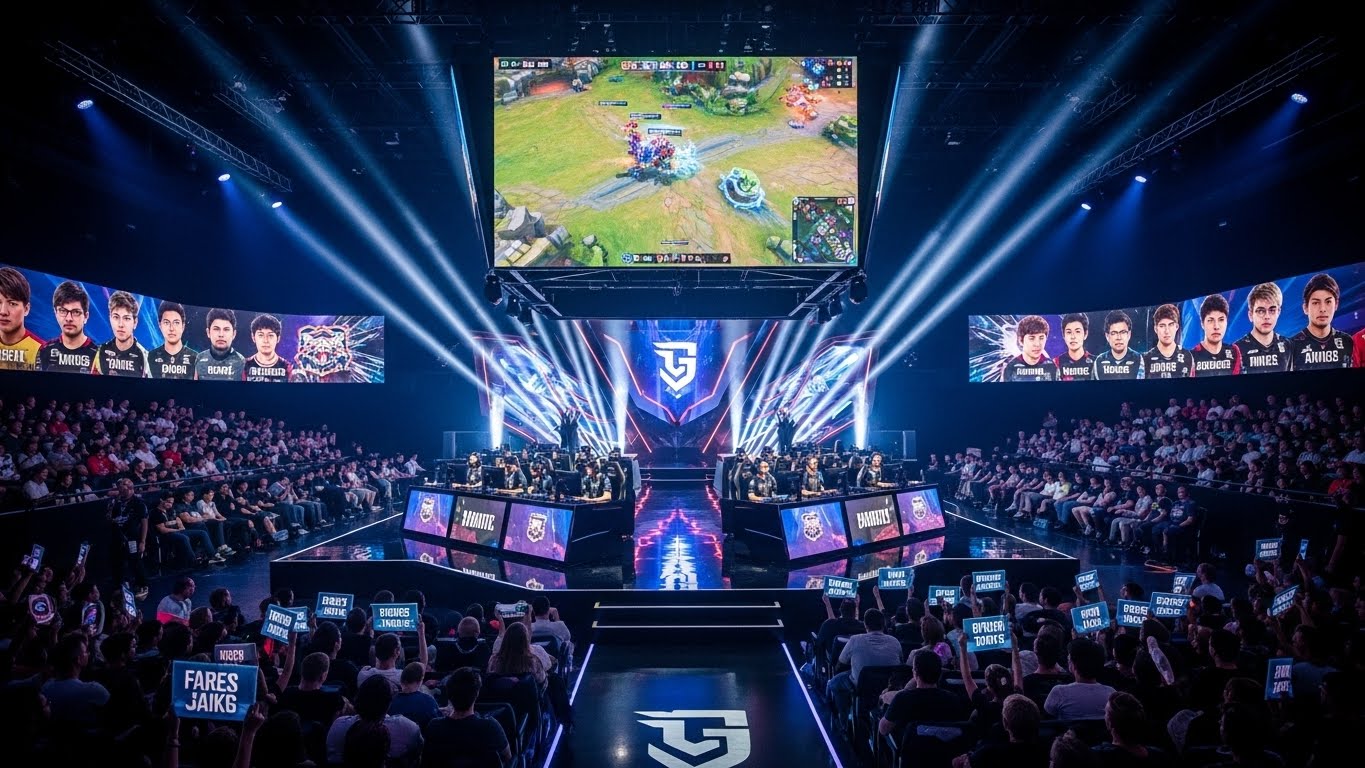
In recent years, eSports has evolved from a niche hobby into one of the most exciting and rapidly growing industries in the world. What began as a passion project for dedicated gamers has now become a global spectacle with professional players, massive tournaments, and millions of fans. From local LAN events to sold-out stadiums and millions of online viewers, eSports has transformed the way we think about competition and entertainment.
With popular titles like League of Legends, Dota 2, Fortnite, and Counter-Strike: Global Offensive leading the charge, eSports has become a powerhouse in the entertainment industry. But what makes eSports so special? Why has it captured the attention of millions around the world, and where is it headed? In this post, we will delve into the rise of eSports, its impact on the gaming world, and the future of this revolutionary sport.
What is eSports?
At its core, eSports refers to organized competitive gaming where individuals or teams compete in various video games to win prizes, recognition, and sponsorships. While casual gaming can be a hobby or a form of entertainment, eSports takes things to a whole new level. Professional players train intensively to master their chosen games, participating in tournaments where their skills are put to the ultimate test. These competitions are often broadcast live, and they can be watched by millions of fans online, either through streaming platforms or on television.
Unlike traditional sports, eSports is not limited by physical boundaries. Players from different countries can compete against one another, and tournaments can be held anywhere in the world. Whether it’s League of Legends or Valorant, eSports enables players to test their reflexes, strategy, and teamwork in an environment that’s both highly competitive and globally inclusive.
The Growth of eSports: From Local Tournaments to Global Events
The rise of eSports can be traced back to the late 1990s when the first gaming competitions started to take shape. Initially, these events were small, with players competing in games like Quake and StarCraft in local LAN cafes or small community events. But as technology advanced and the internet allowed for better online connectivity, the competitive gaming scene began to expand rapidly.
The early 2000s saw the emergence of more structured tournaments. Games like Warcraft III and Counter-Strike helped set the stage for the professional leagues we see today. By 2011, the launch of platforms like Twitch gave eSports a global platform, enabling millions of fans to watch their favorite players and tournaments in real-time. The ease of access to these events helped build a massive fan base and propelled the industry forward.
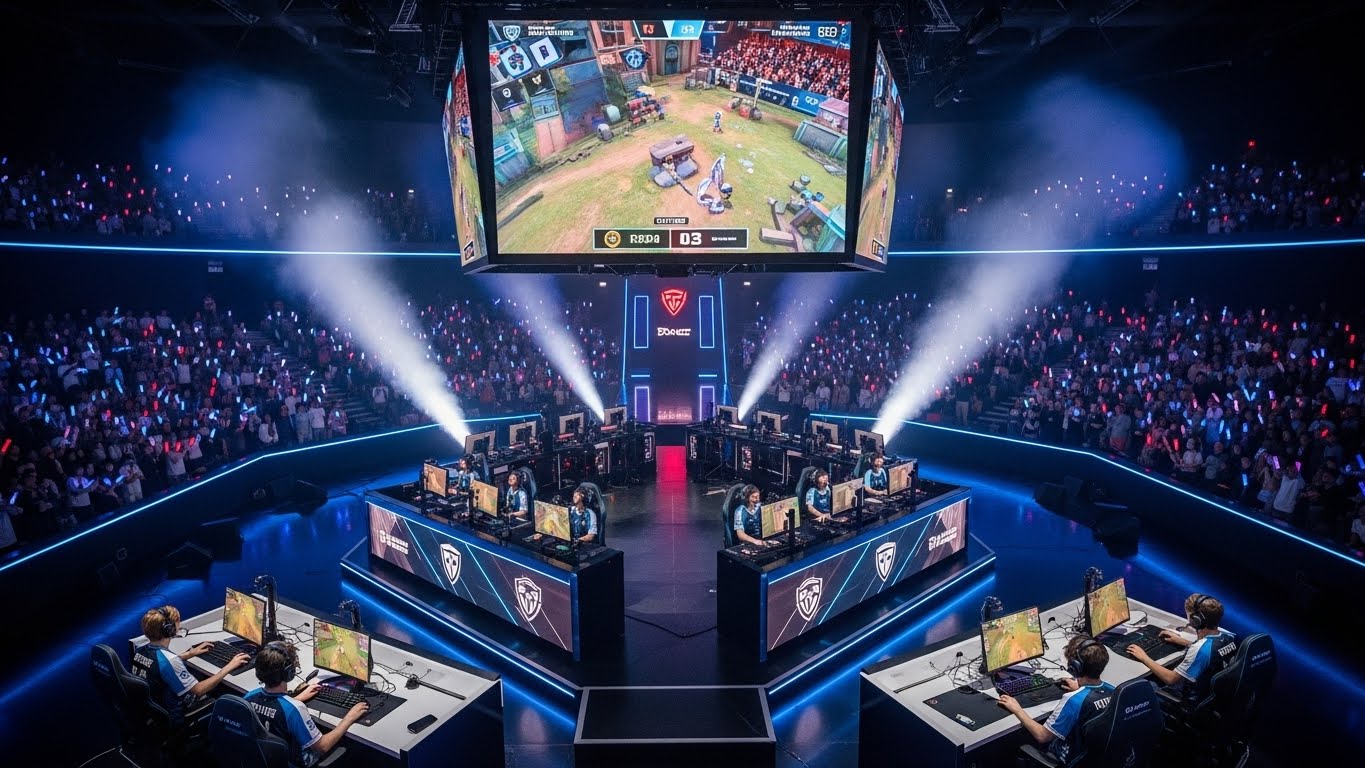
Fast forward to the present day, and eSports is a global powerhouse. Tournaments like The International (Dota 2), League of Legends World Championship, and the CS:GO Majors attract millions of viewers, with prize pools that reach tens of millions of dollars. eSports is now a multi-billion-dollar industry with dedicated leagues, teams, sponsors, and broadcasters.
The Business Side of eSports: Sponsorships and Revenue Streams
eSports is not only a source of entertainment; it’s also a booming business. The economic impact of the industry is vast, with revenue coming from a variety of sources. Sponsorships, ticket sales, media rights, merchandise, and streaming platforms all contribute to eSports’ financial growth.
Corporate sponsorships have become one of the primary revenue drivers in the eSports world. Major brands like Intel, Coca-Cola, and Red Bull have invested heavily in eSports, sponsoring tournaments and teams. These companies recognize the potential of the eSports audience, which is often younger and more tech-savvy than traditional sports fans. In exchange for their sponsorships, these brands receive access to an engaged, global fanbase and significant media exposure.
Ticket sales and live events also contribute to eSports’ revenue. Major tournaments often take place in large arenas and stadiums, with fans flocking to watch their favorite teams live. This in-person experience has become an integral part of the eSports culture, as fans get the chance to meet players, watch the competition firsthand, and be part of the excitement.
Streaming platforms such as Twitch and YouTube Gaming also play a huge role in generating revenue for eSports. Through ads, subscriptions, and donations, these platforms allow fans to support their favorite streamers and tournaments while helping to sustain the industry’s growth. Media rights for broadcasting eSports events on television have also become a lucrative business, bringing eSports into the mainstream.
The Players: The Heart of eSports
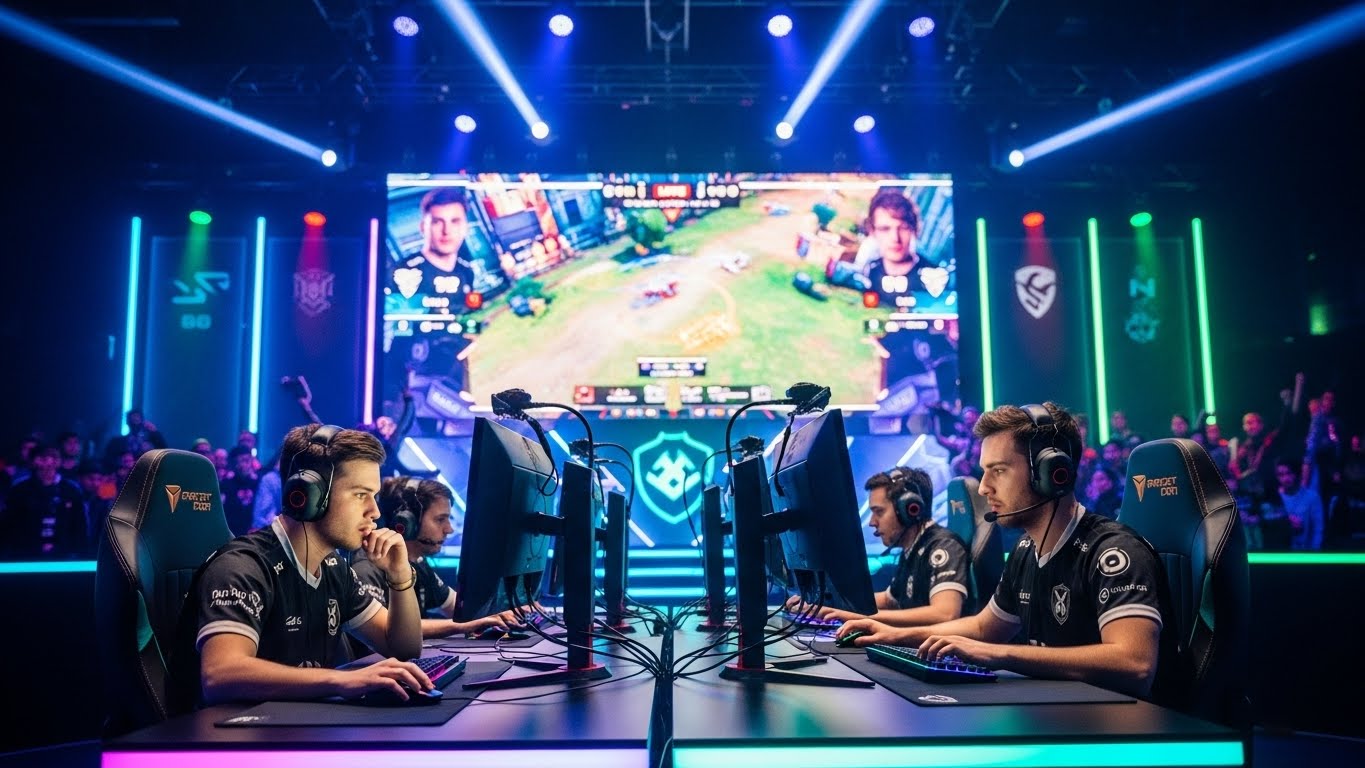
The heart and soul of eSports lie in its players. Professional eSports athletes are some of the most skilled and dedicated competitors in the world. These players spend countless hours practicing, perfecting their strategies, and developing their in-game mechanics. The competition is fierce, and only the best rise to the top.
Professional gamers must have exceptional reflexes, sharp strategic minds, and the ability to work seamlessly with their teams. In many ways, eSports players are similar to traditional athletes, dedicating themselves to rigorous training schedules, maintaining peak mental health, and continually improving their skills.
The rise of famous eSports players has also contributed to the popularity of the sport. Players like Faker (League of Legends), s1mple (CS:GO), and Ninja (Fortnite) have become household names, gaining massive followings on social media and streaming platforms. These players have turned their passion into lucrative careers, with sponsorship deals, merchandise sales, and media appearances becoming an integral part of their income.
Streaming and Social Media: A New Era of Fan Engagement
One of the most significant factors in eSports’ growth has been the rise of streaming platforms like Twitch, YouTube, and Facebook Gaming. These platforms have allowed fans to engage directly with the action, watch live tournaments, and even interact with players and commentators in real-time. The ability to stream content has democratized the experience, making eSports accessible to a global audience.
For many fans, watching eSports on streaming platforms is more than just about the game itself. It’s about building a community and connecting with others who share a similar passion. Chat rooms, social media interactions, and live streams have created a space for fans to bond over their love of gaming, while also giving players a platform to connect with their supporters.
Social media platforms like Twitter, Instagram, and TikTok have further amplified this connection. Players, teams, and event organizers use social media to update fans on tournaments, share behind-the-scenes content, and engage with their audience. This direct communication has strengthened the relationship between players and fans, creating a more immersive and personal experience.
The Future of eSports: What’s Next?
The future of eSports looks incredibly promising. As technology continues to evolve, eSports will likely become even more immersive, interactive, and accessible. Mobile gaming is one area that is expected to grow exponentially in the coming years. Games like PUBG Mobile, Clash Royale, and Arena of Valor already have a strong presence in the competitive gaming scene, and as mobile devices continue to improve, we can expect even more opportunities for mobile eSports.
The integration of Virtual Reality (VR) and Augmented Reality (AR) into gaming could also change the way eSports is experienced. VR could allow players to compete in fully immersive digital environments, while AR could enhance live tournaments by overlaying digital content in real time. These technologies could take the eSports experience to new heights, offering fans a more interactive and exciting way to engage with their favorite games and players.
Additionally, eSports’ potential inclusion in the Olympic Games is a hot topic. While still in early discussions, the idea of making eSports an Olympic sport has generated a lot of interest. This would undoubtedly bring even more legitimacy to the industry and further integrate it into the mainstream entertainment landscape.
Conclusion: eSports Is a New Age of Competition
eSports is no longer just a hobby or a fringe activity—it has become a cultural phenomenon that is reshaping the way we view competitive entertainment. From its humble beginnings in local gaming events to its current status as a multi-billion-dollar industry, eSports has proven that it’s here to stay.
With its global appeal, rising player salaries, corporate sponsorships, and massive fanbase, eSports has firmly planted itself as one of the most exciting sectors in entertainment today. As technology continues to advance and new opportunities emerge, the future of eSports looks brighter than ever. Whether you’re a player, a fan, or a brand looking to get involved, eSports offers endless opportunities in this new digital age of competition.