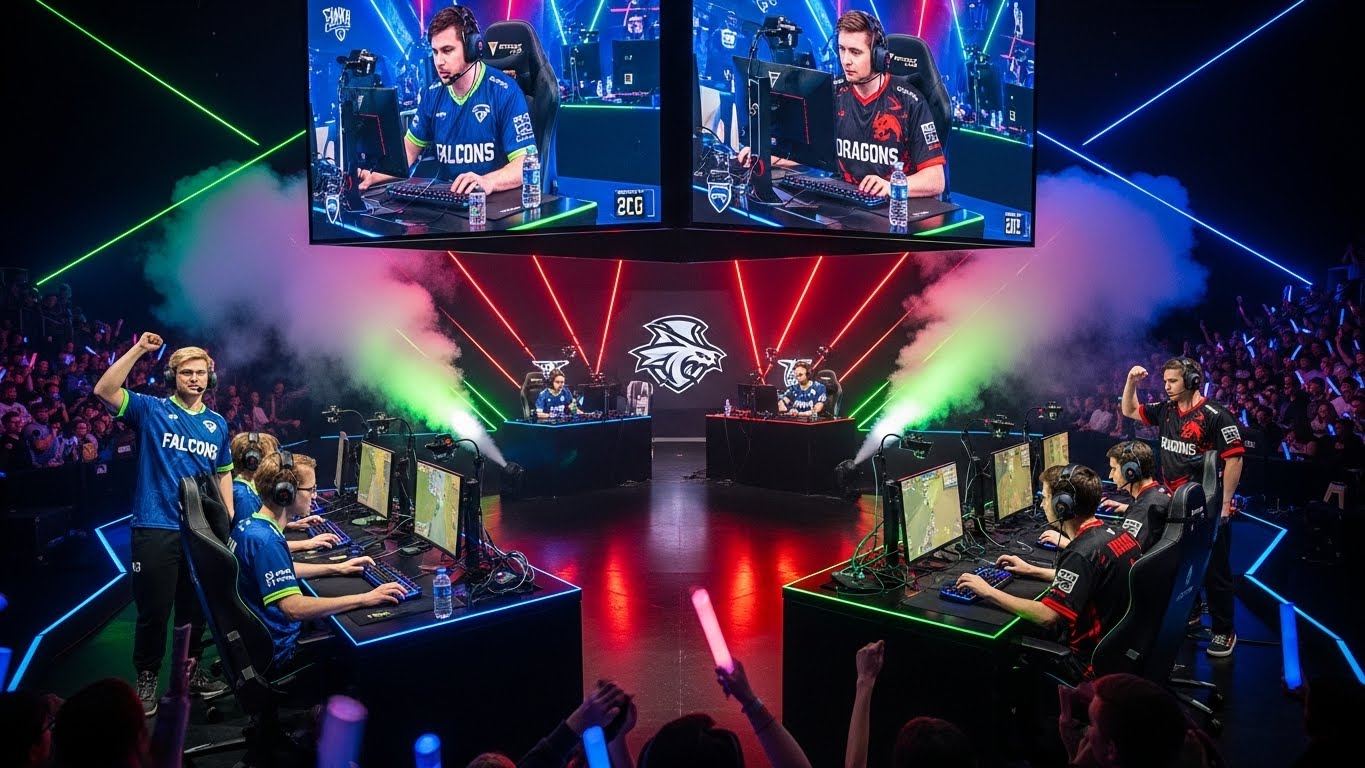
Introduction: The Rise of a Digital Phenomenon
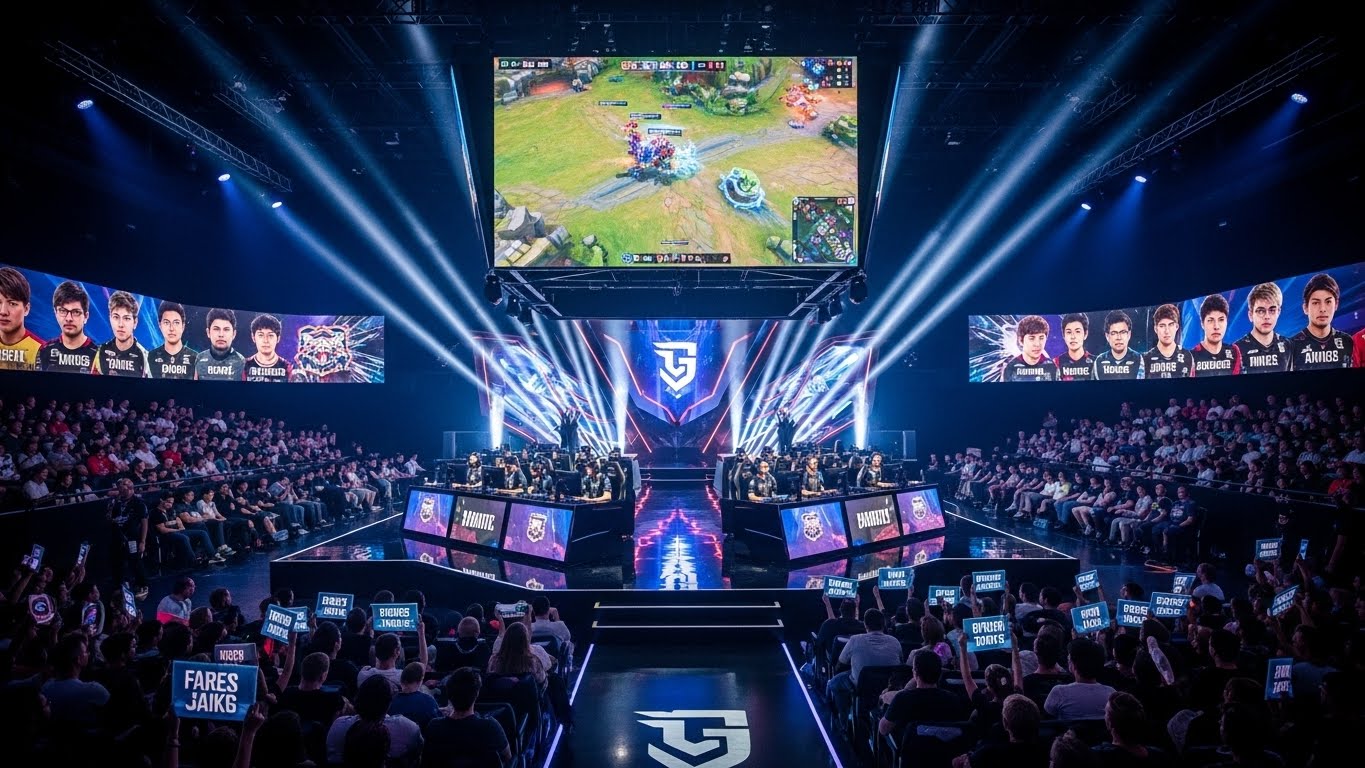
Esports, or competitive video gaming, has transformed from a niche hobby into a global entertainment phenomenon. Once dismissed as a pastime for teenagers in basements, esports now attracts millions of viewers, professional athletes, and major corporate sponsors. The evolution of esports mirrors the rapid technological advancement of the past two decades, blending gaming, entertainment, and sports culture into a vibrant industry. Today, it is not just a form of leisure but a legitimate career path for players, coaches, commentators, and analysts alike.
The Evolution of Esports
The origins of esports can be traced back to the late 1970s and early 1980s when video game competitions started emerging in arcades and on university campuses. Early tournaments focused on games like Pong and Space Invaders, with small prizes and limited audiences. As home consoles and personal computers became more widespread, the competitive scene began to grow. By the late 1990s and early 2000s, games like StarCraft and Counter-Strike established the foundations of professional gaming, complete with organized tournaments, professional teams, and devoted fanbases.
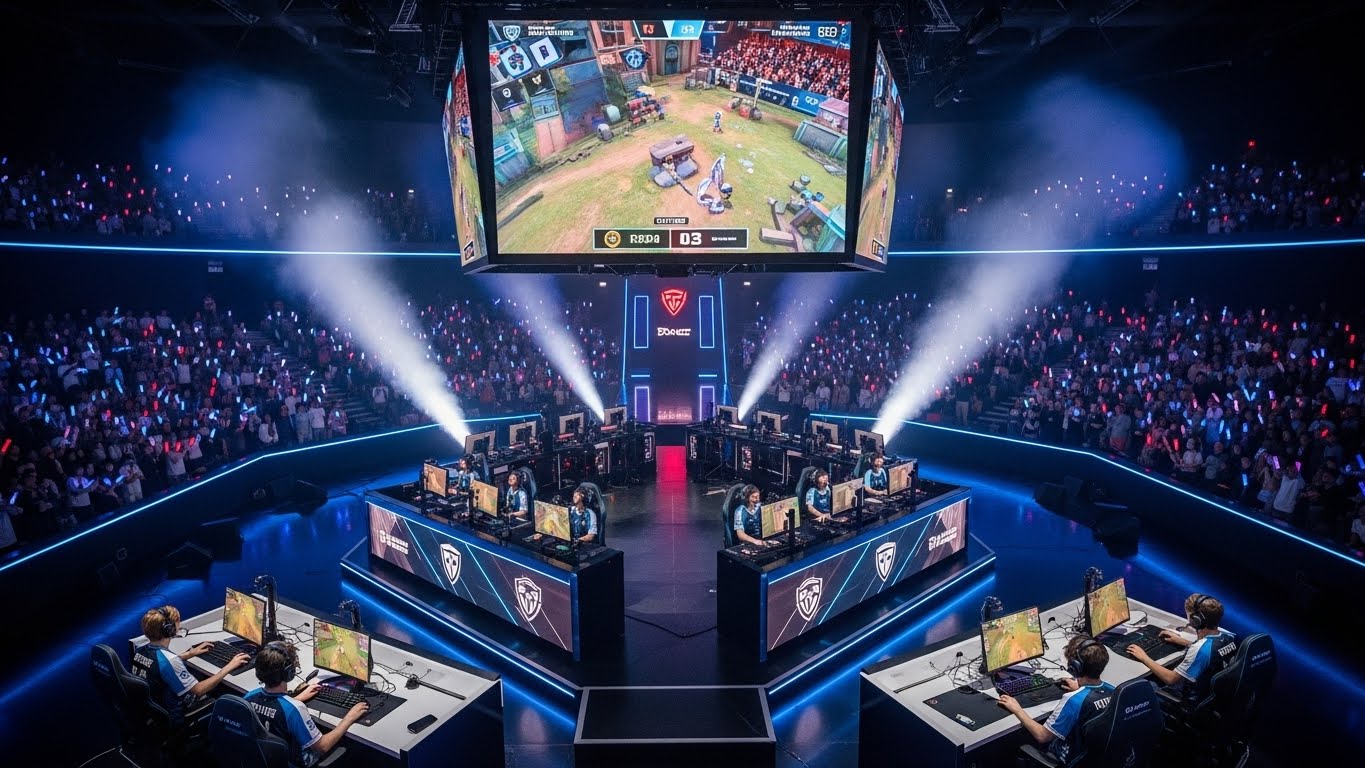
With the rise of live streaming platforms in the 2010s, esports exploded in popularity. Games like League of Legends, Dota 2, and Fortnite drew millions of viewers globally, and tournaments started offering prize pools worth millions of dollars. Today, esports enjoys a cultural status comparable to traditional sports, with fans attending live events, cheering for teams, and following professional players as celebrities.
Popular Esports Titles and Their Impact
The esports industry encompasses a variety of games across multiple genres, each offering unique challenges and competitive experiences. Multiplayer online battle arenas (MOBAs) like League of Legends and Dota 2 are among the most popular, requiring players to coordinate strategies, control resources, and execute complex teamwork. First-person shooters (FPS) such as Counter-Strike: Global Offensive and Call of Duty demand precision, reflexes, and tactical thinking. Battle royale games, including Fortnite and Apex Legends, emphasize survival skills, adaptability, and split-second decision-making.
Sports simulation games, including FIFA and NBA 2K, bring traditional sports into the digital arena, creating a bridge between conventional athletic competitions and gaming. Fighting games like Street Fighter and Super Smash Bros. highlight individual skill, timing, and memorization, drawing dedicated fan communities. The diversity of esports genres allows players with different skills and preferences to compete professionally and ensures a wide range of content for viewers.
The Economics of Esports
The esports industry has evolved into a multi-billion-dollar business, with revenue streams including sponsorships, merchandise sales, broadcasting rights, and tournament prize money. Major global brands now sponsor teams, tournaments, and individual players, recognizing esports as a powerful marketing platform to reach younger demographics. Tournament organizers generate revenue by selling tickets for live events, offering virtual passes for online audiences, and collaborating with streaming platforms.
Professional players can earn significant incomes through salaries, tournament winnings, and brand endorsements. Top-tier players may earn millions annually, and some achieve celebrity status comparable to traditional athletes. This financial growth has attracted investors, media companies, and even traditional sports organizations, further legitimizing esports as a sustainable industry with long-term potential.
Training and Professionalism in Esports
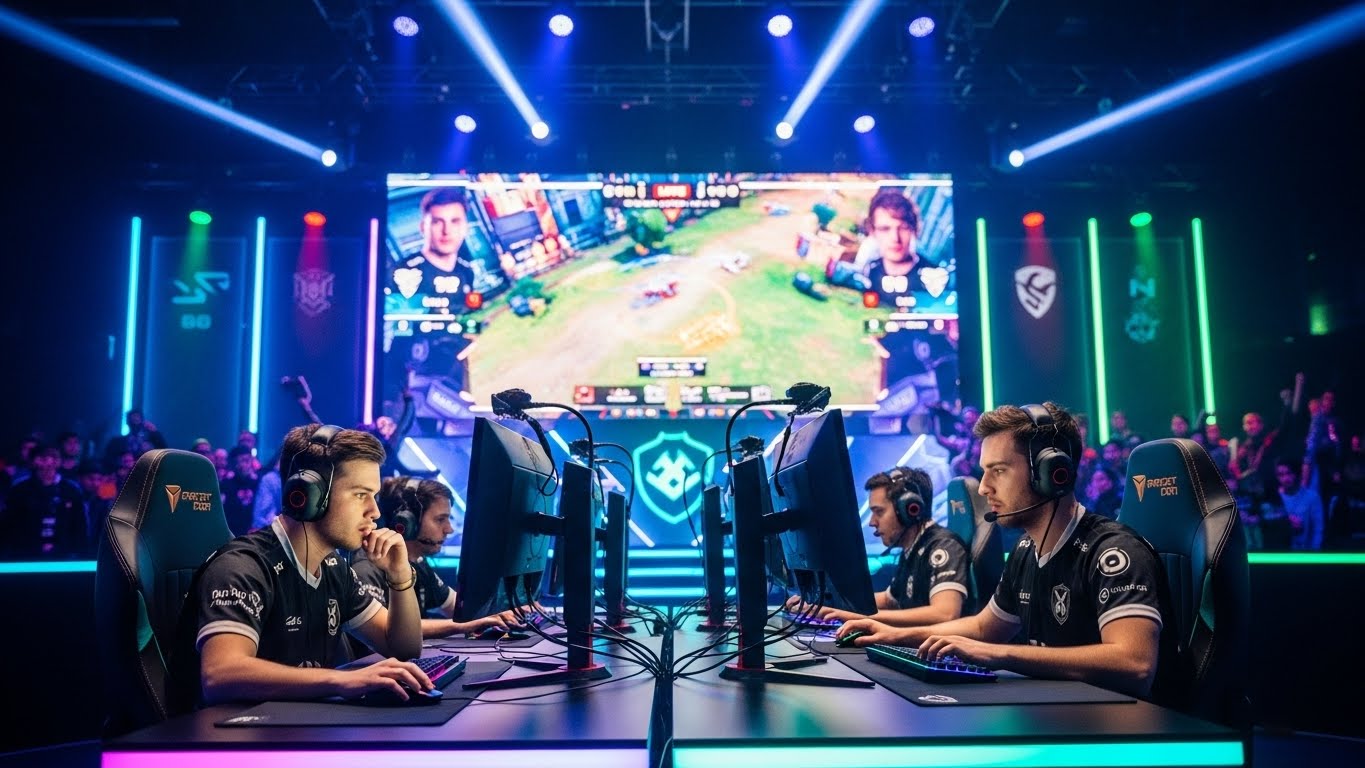
Professional esports players undergo rigorous training, similar to traditional athletes. A typical day may include hours of gameplay, strategy review, physical fitness exercises, and mental conditioning. Teams employ coaches, analysts, and psychologists to optimize performance and maintain competitive edge. Communication and teamwork are critical, especially in team-based games, where coordination can determine the outcome of a match.
The rise of esports academies and training centers has also contributed to professionalization. Young players can now receive structured training programs, mentorship, and exposure to competitive environments, preparing them for careers in esports. This professional approach has elevated the level of gameplay and increased the overall competitiveness of tournaments worldwide.
Esports Culture and Community
Esports is more than just competitive gaming; it is a cultural phenomenon. Fans actively engage with players and teams through social media, live streams, and community forums. Cosplay, fan art, and game-related content further enrich the esports experience, creating a vibrant and inclusive culture. Online communities often serve as support networks where players exchange strategies, celebrate achievements, and discuss the latest updates in their favorite games.
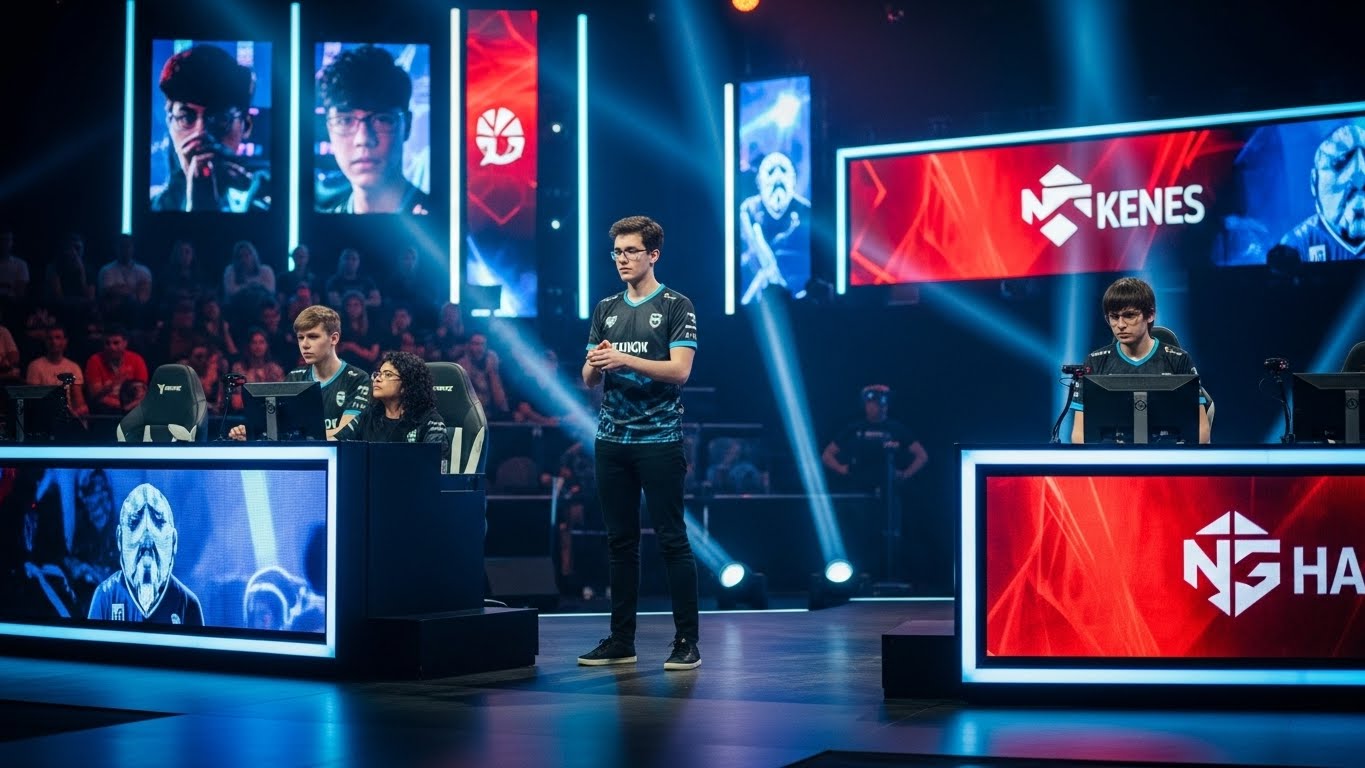
Esports events also foster a sense of camaraderie and shared identity. Attending live tournaments, cheering for teams, and participating in online discussions create connections between fans across different countries. The communal aspect of esports contributes to its popularity and helps sustain long-term engagement with games and events.
Esports and Education
The growing legitimacy of esports has led to educational opportunities in gaming. Many universities now offer scholarships and programs dedicated to esports, focusing on game design, marketing, management, and competitive play. These programs teach students valuable skills such as teamwork, strategic thinking, and digital literacy. Integrating esports into education helps develop both professional and personal skills, preparing students for careers in gaming, technology, and media.
Additionally, some high schools have adopted esports clubs and competitive teams, recognizing the benefits of structured gaming experiences. These programs provide students with opportunities to compete, collaborate, and explore potential career paths, challenging the stereotype that gaming is purely recreational.
Technological Advancements Driving Esports
The growth of esports is closely linked to advancements in technology. High-speed internet, cloud computing, virtual reality, and advanced graphics have enhanced gameplay experiences and allowed global competitions to thrive. Streaming platforms have revolutionized content consumption, enabling fans to watch tournaments in real-time from anywhere in the world. Artificial intelligence and data analytics are also increasingly used to analyze gameplay, develop strategies, and improve performance, further professionalizing the industry.
Moreover, innovations in augmented reality and virtual reality promise to redefine how audiences experience esports in the future. Imagine attending a tournament in a fully immersive digital stadium, interacting with players, and experiencing the action from a first-person perspective. Such advancements will continue to push the boundaries of competitive gaming and audience engagement.
Challenges Facing the Esports Industry
Despite its rapid growth, esports faces several challenges. One major concern is player health and well-being. Long hours of training, intense competition, and high-pressure environments can lead to physical strain, mental health issues, and burnout. Ensuring proper rest, exercise, and psychological support is critical to sustaining long-term careers.
Another challenge is regulation and standardization. Unlike traditional sports, esports lacks universal governing bodies to enforce rules, contracts, and ethical practices. Disputes over contracts, cheating, and doping have occasionally surfaced, highlighting the need for better oversight. Additionally, balancing monetization with player and fan satisfaction remains a complex task for organizers and developers.
The Future of Esports
The future of esports is poised for continued growth and mainstream acceptance. As technology evolves and global audiences expand, esports will likely become even more integrated into entertainment, education, and culture. Traditional sports organizations are investing in esports teams, while media companies explore new ways to broadcast and monetize tournaments.
Esports is also expected to expand into new genres, virtual experiences, and interactive platforms. The rise of mobile esports in regions with high smartphone penetration offers opportunities to engage broader demographics. Furthermore, the integration of esports into lifestyle and entertainment ecosystems, such as music festivals and conventions, will enhance its cultural relevance and influence.
Conclusion: Esports as a Cultural and Competitive Force
Esports has grown from humble beginnings into a global cultural and competitive force. It has redefined what it means to be an athlete, a fan, and an entertainer in the digital age. With diverse game genres, professional training, economic opportunities, and passionate communities, esports offers something for everyone. Its impact on entertainment, education, and technology demonstrates that esports is more than just a trend; it is a transformative movement shaping the future of competition and digital culture.
As esports continues to evolve, it challenges traditional perceptions of sports, entertainment, and career possibilities. For players, fans, and industry stakeholders, the journey is only beginning. The digital arenas of esports are not just virtual spaces—they are platforms where skill, strategy, and community converge, creating an experience that is uniquely modern, highly competitive, and profoundly engaging.