
Understanding Esports
Esports, short for electronic sports, is the world of competitive video gaming where players and teams compete at professional levels. Unlike casual gaming, esports demands precision, strategy, and teamwork. Games such as League of Legends, Dota 2, Counter-Strike, and Fortnite have become the battlegrounds for players seeking fame, recognition, and prize winnings.
The Rapid Growth of Esports
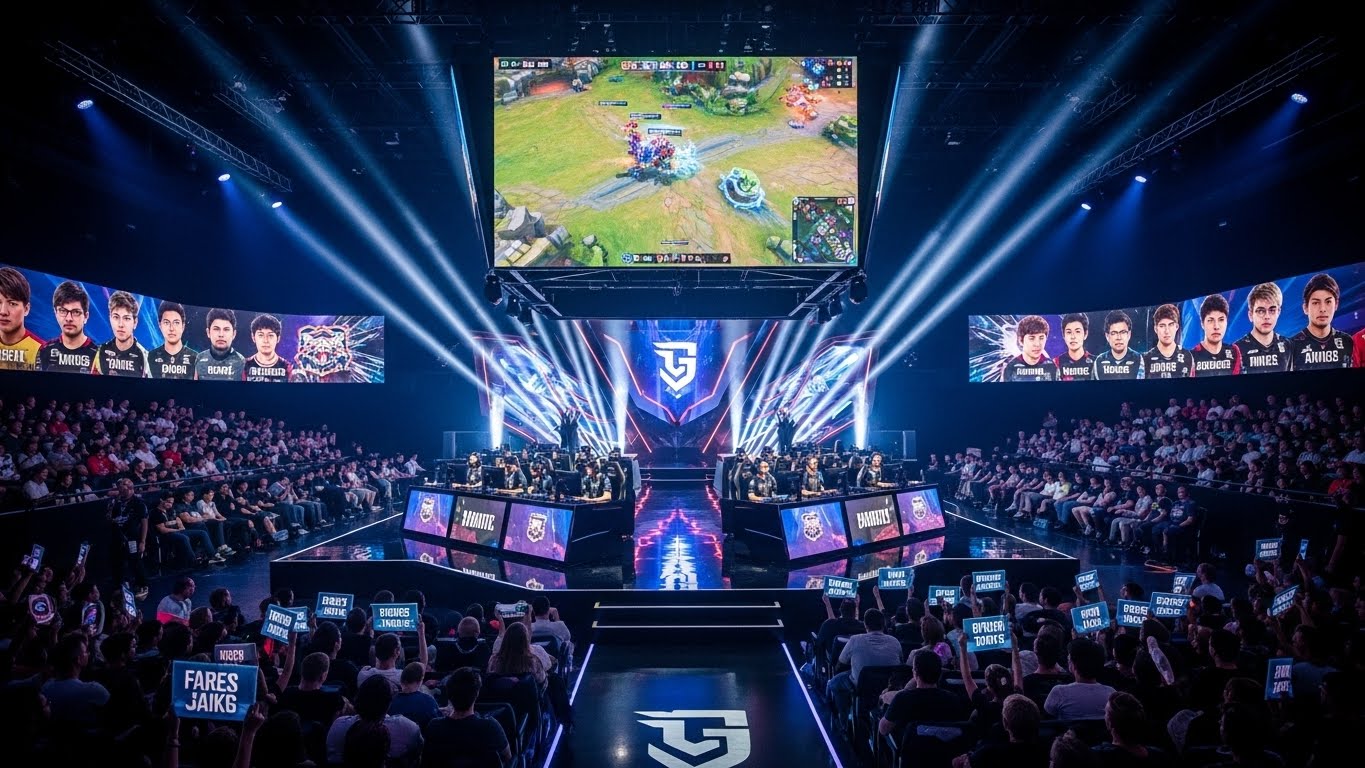
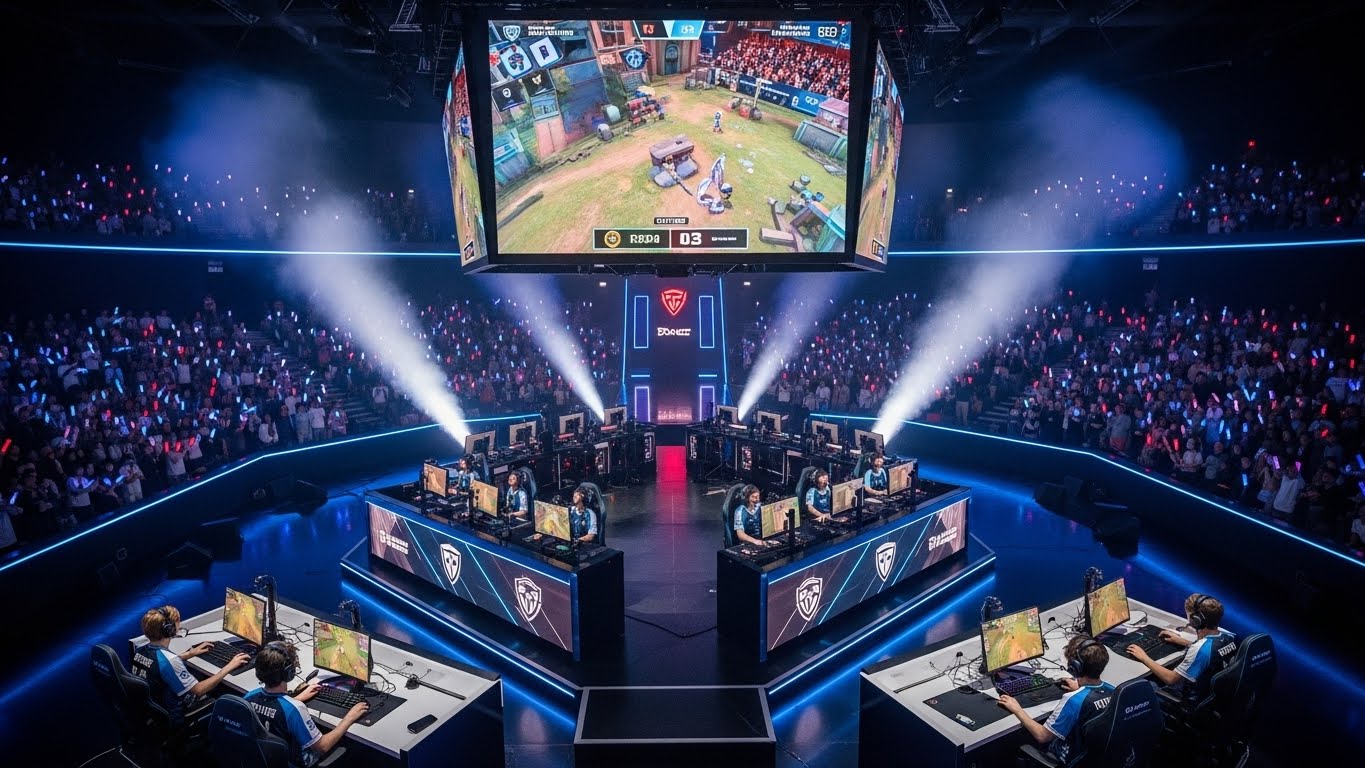
Over the past decade, esports has transformed from small local tournaments into a global phenomenon. Large-scale competitions attract thousands of fans to arenas while millions more watch online. Sponsorships, live streaming, and media coverage have turned esports into a thriving multi-billion-dollar industry, proving that competitive gaming is a serious and respected form of entertainment.
Skills That Define Champions
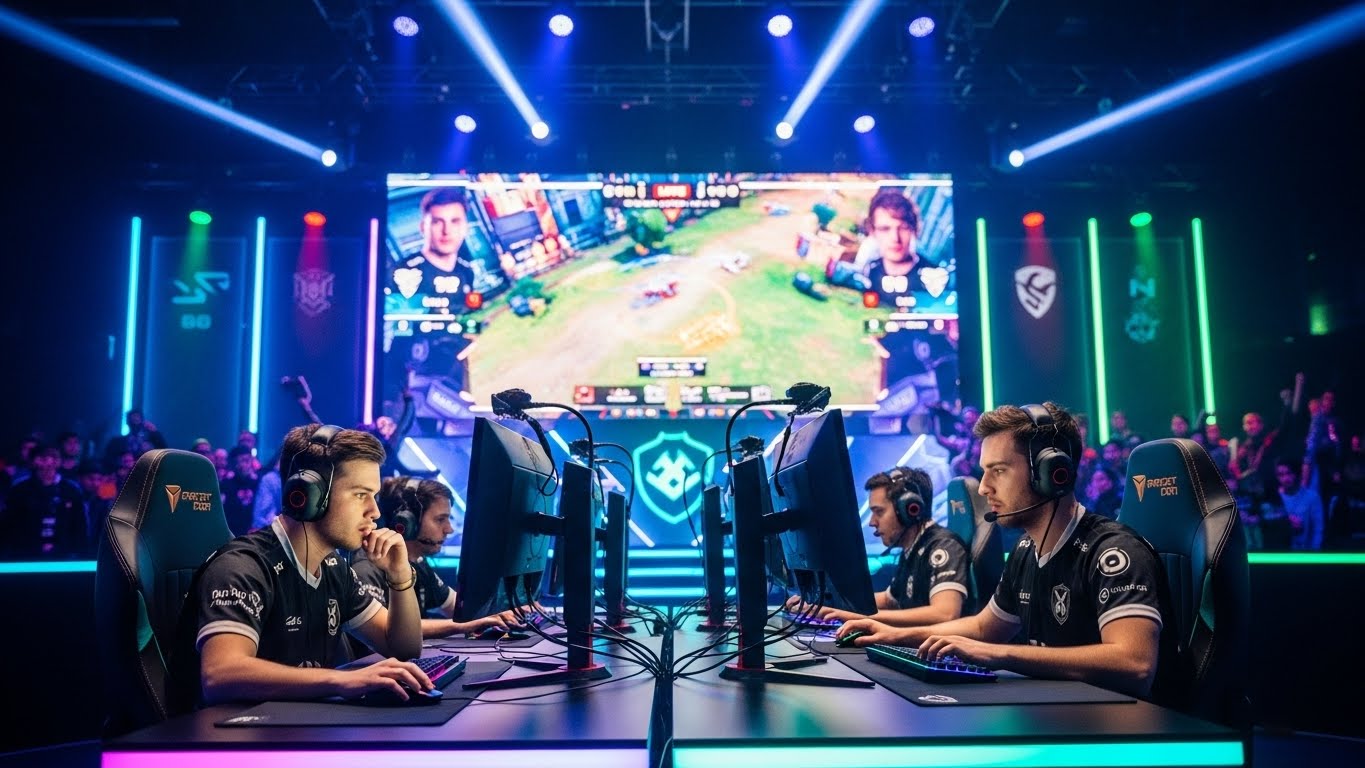
Excelling in esports requires far more than fast reflexes. Professional players develop critical thinking, communication, strategic planning, and adaptability. Success depends on teamwork, quick decision-making, and mental endurance. In many ways, esports players train much like traditional athletes, balancing practice, strategy, and focus to achieve peak performance.
Building Communities Through Esports
Esports is not just about playing; it is about connection. Fans and players from around the world interact through live streams, social media, and online forums. Shared enthusiasm creates a sense of belonging and identity, turning esports into a global community where passion and teamwork extend beyond the game itself.
Career Opportunities Beyond Playing
The esports industry offers more than competition. Careers exist in coaching, event management, content creation, broadcasting, and game analysis. Streaming platforms allow individuals to reach audiences and build personal brands, turning passion into profession. Esports has grown into a diverse ecosystem with opportunities beyond playing professionally.
The Future of Esports
The future of esports is filled with innovation. Technologies like virtual reality, augmented reality, and artificial intelligence are reshaping gameplay, creating more immersive and interactive experiences. As educational institutions and mainstream media recognize esports, it is set to become an even more influential cultural and professional force worldwide.
Conclusion
Esports is a powerful blend of skill, strategy, and community. From professional competitions to career opportunities and global connections, it has redefined what it means to play games. As the industry continues to evolve, esports will remain at the forefront of entertainment, bringing excitement, challenge, and connection to players and fans alike.