Introduction
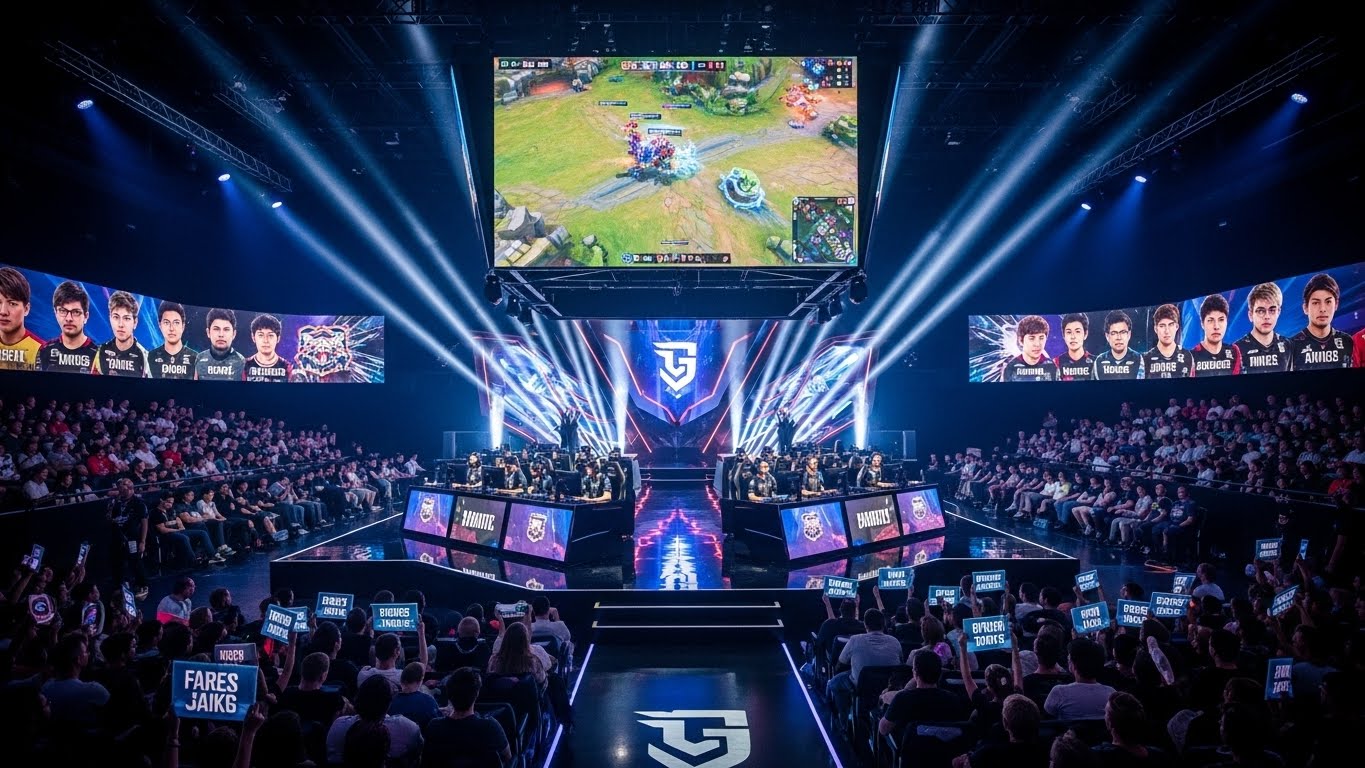
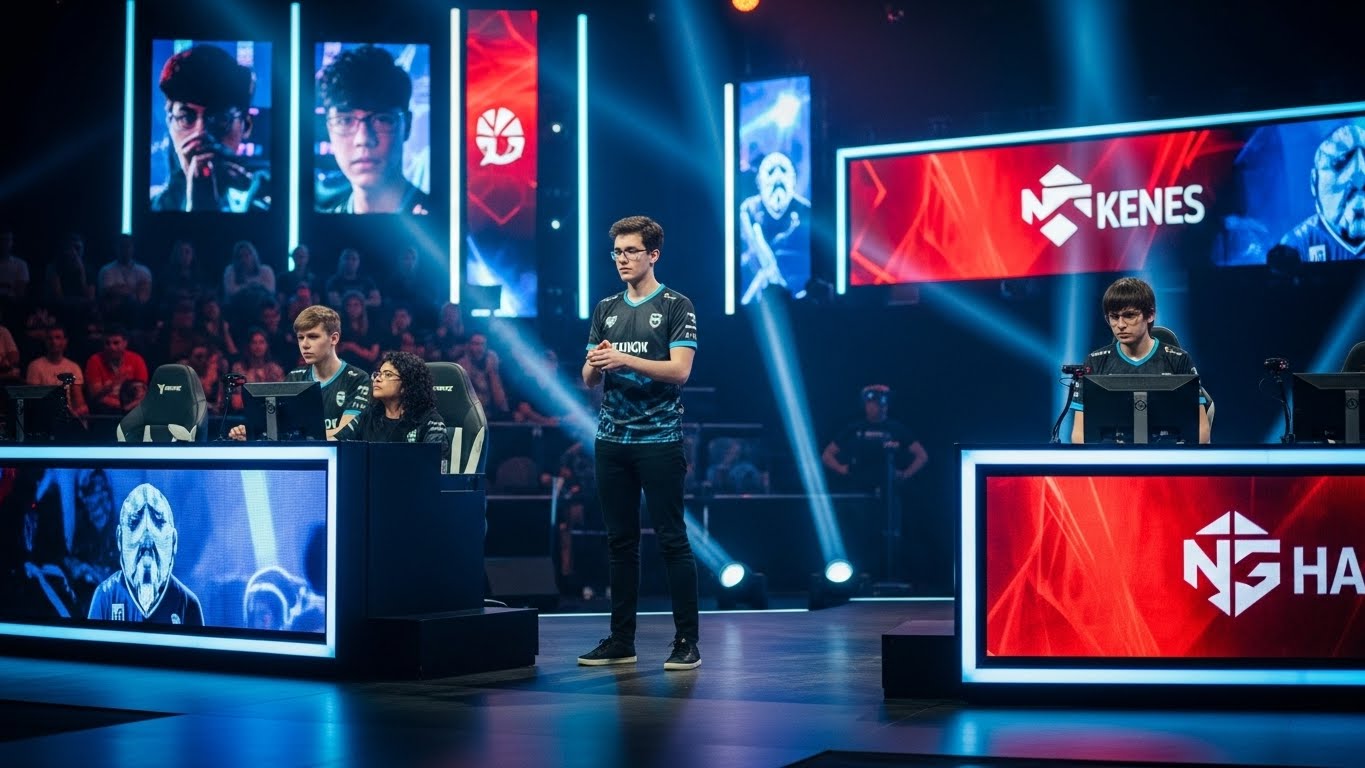
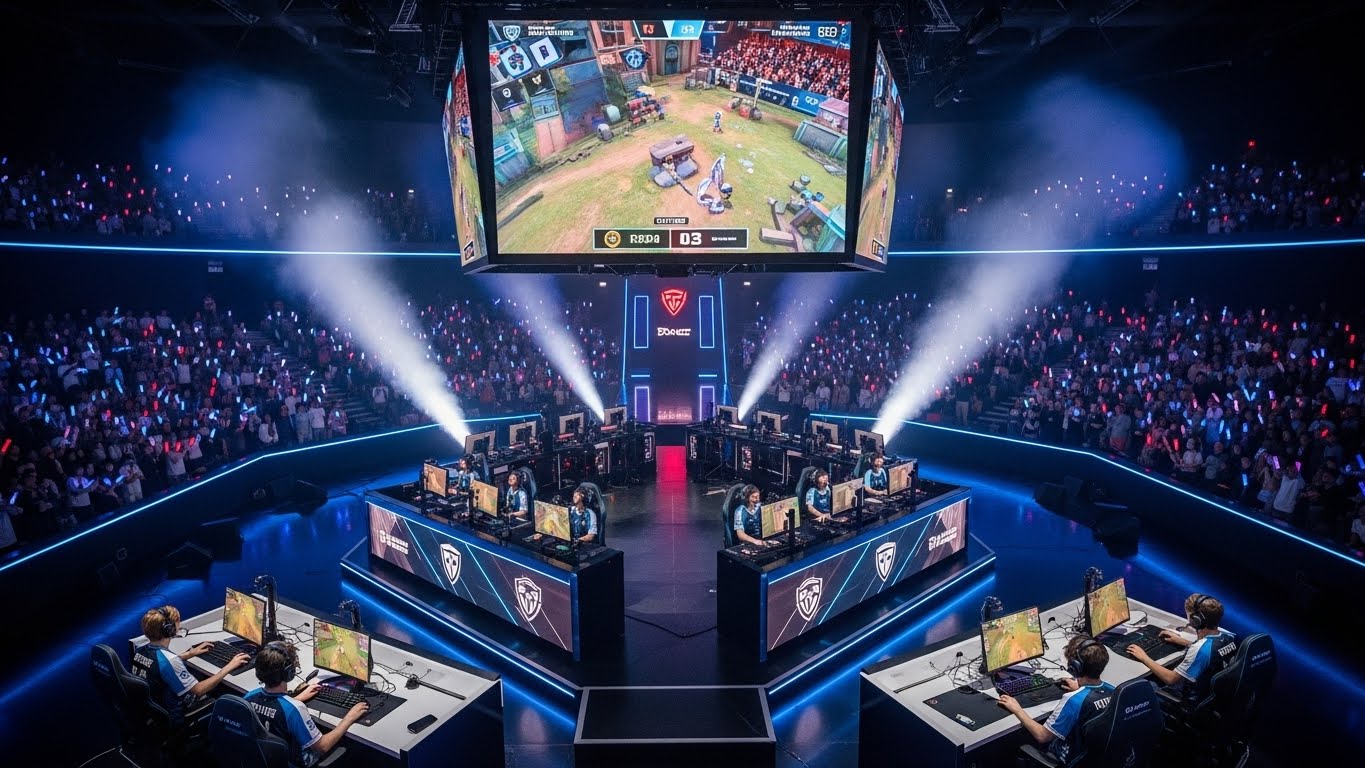
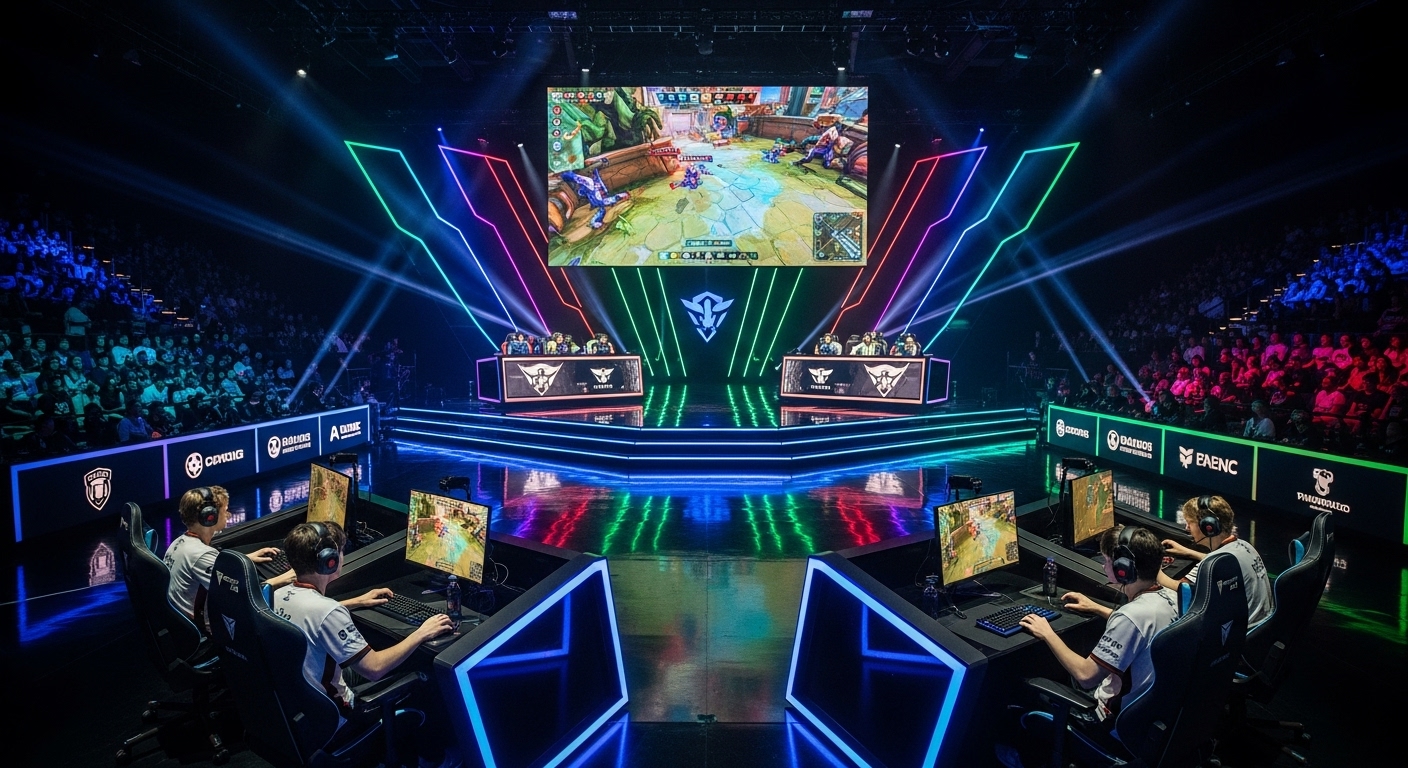
Esports, short for electronic sports, has grown from a niche hobby into a global industry, reshaping how we view competition, entertainment, and digital interaction. What began as informal video game contests among friends has now evolved into organized tournaments, professional teams, and international leagues watched by millions. With its own ecosystem of players, fans, sponsors, and media coverage, esports has created opportunities for careers, education, and community engagement. This blog explores the history, impact, and future of esports, demonstrating how competitive gaming is redefining modern entertainment.
The Origins of Esports
The origins of esports date back to the 1970s and 1980s, when arcade games and early home consoles allowed players to compete for high scores. Early events, such as the Space Invaders Championship in 1980, laid the groundwork for organized competitive gaming. During the 1990s, multiplayer games like StarCraft, Quake, and Counter-Strike became popular, giving rise to local and online tournaments. These early competitions emphasized strategy, teamwork, and skill, establishing the foundation for modern esports.
The proliferation of high-speed internet in the 2000s enabled gamers to compete online and spectators to watch matches live. Streaming platforms revolutionized viewership, creating a global audience and allowing fans to follow their favorite players and teams. Today, esports is recognized as a legitimate competitive sport with professional leagues, global tournaments, and millions of dedicated fans.
The Global Reach of Esports
Esports has a worldwide audience and participant base, making it unique among competitive activities. Unlike traditional sports, it requires minimal physical infrastructure, allowing players from anywhere with an internet connection to compete. Countries such as South Korea, China, and the United States have developed strong esports ecosystems with professional teams, dedicated arenas, and extensive training programs.
Major international tournaments attract viewers in the millions, rivaling traditional sports broadcasts. Fans interact through social media, live chats, and fan communities, creating a global network united by the passion for competitive gaming. The accessibility of esports allows for cross-cultural engagement, fostering understanding and shared experiences between people of different backgrounds.
The Cognitive and Physical Demands of Esports
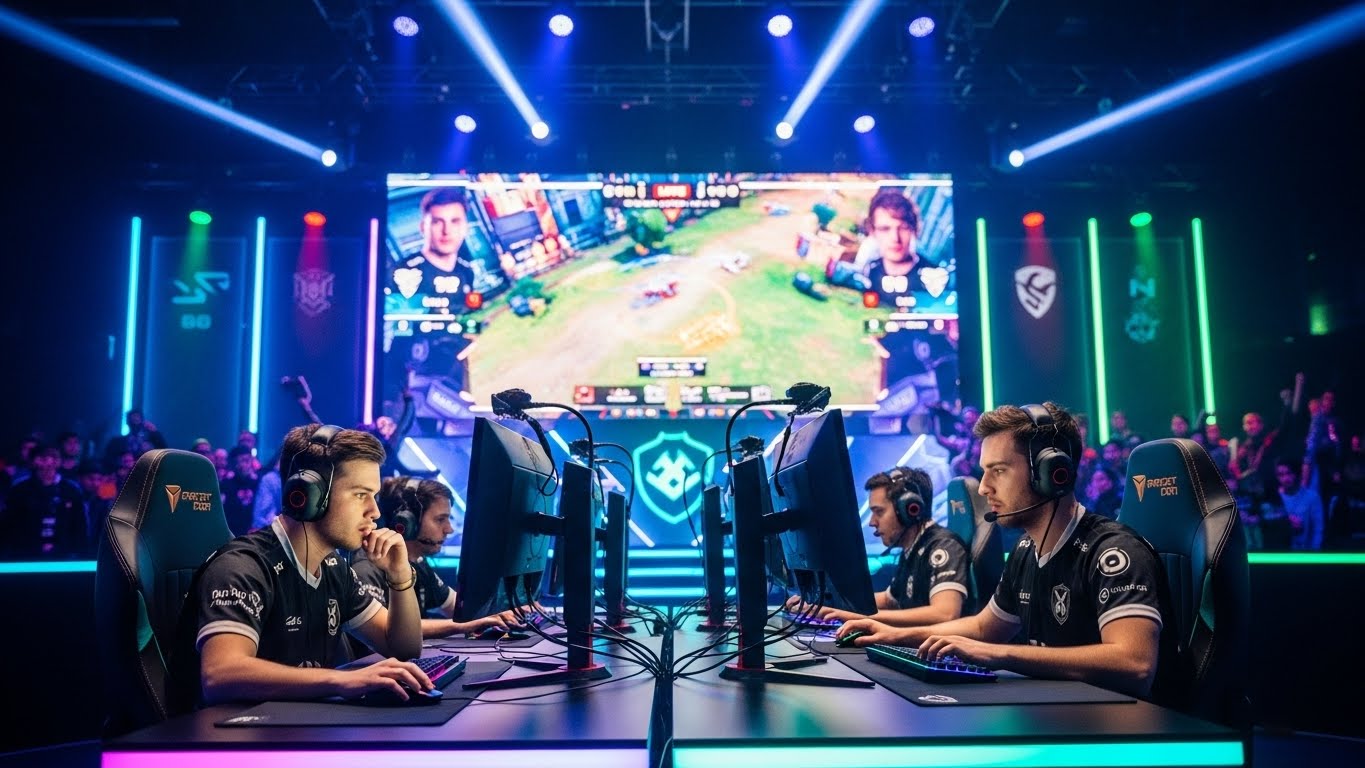
Although esports is a digital activity, it requires significant mental agility and physical conditioning. Players must demonstrate quick reflexes, precise hand-eye coordination, and rapid decision-making abilities. High-level competition demands strategic thinking, multitasking, and the ability to anticipate opponents’ moves. These cognitive challenges develop problem-solving skills, memory, and mental resilience.
Professional esports players also maintain physical fitness to enhance performance. Exercise, proper nutrition, and adequate rest are integral to sustaining focus and reaction times during long gaming sessions. This combination of mental and physical preparation illustrates that esports is a demanding activity requiring discipline, endurance, and commitment.
Economic Impact of Esports
Esports has grown into a multi-billion-dollar industry, influencing global economies and creating new job opportunities. Revenue streams include sponsorships, media rights, merchandise, tournament prizes, and advertising. Professional players earn salaries, endorsements, and tournament winnings, demonstrating that competitive gaming can be a viable and lucrative career.
Beyond the players, the esports ecosystem supports coaches, analysts, commentators, event organizers, game developers, and technology manufacturers. Organizations operate similarly to traditional sports franchises, investing in branding, marketing, and fan engagement. The economic impact of esports highlights its legitimacy as a modern sport and its role as a driver of technological and cultural growth.
Esports in Education
Educational institutions have increasingly embraced esports, offering programs, clubs, and scholarships for competitive gaming. Participating in esports teaches students teamwork, leadership, communication, and time management—skills transferable to academic and professional pursuits.
Esports programs also encourage technological literacy and creativity. Students gain experience in game design, media production, streaming, and event management. By integrating esports into education, schools provide practical skills and career pathways, while fostering engagement and critical thinking among students.
Community and Social Connection
Esports fosters social connections and a sense of community among players and fans. Online platforms allow collaboration with teammates, mentorship from experienced players, and interactions with a global fan base. Shared experiences in tournaments and competitions create bonds and enhance a sense of belonging.
The inclusive nature of esports is another key aspect. Competitive gaming emphasizes skill and strategy over physical attributes, allowing people of all genders, abilities, and backgrounds to participate equally. This inclusivity encourages diversity and expands opportunities for social engagement, making esports a unique and welcoming environment for millions.
Mental Health and Wellbeing
While esports offers cognitive and social benefits, it also presents challenges related to mental health. Professional players face long hours of practice, high expectations, and pressure to perform, which can lead to stress, burnout, and anxiety. Maintaining a balance between gaming, physical activity, and personal life is essential for long-term success.
Esports organizations are increasingly addressing mental health concerns by providing counseling, wellness programs, and education on healthy gaming practices. Recognizing the psychological demands of competitive gaming is critical for sustaining player well-being and ensuring the industry’s growth remains positive and responsible.
Challenges Facing Esports
Despite its popularity, esports faces several challenges. Cheating, hacking, and online harassment threaten competitive integrity. Ensuring fair play and safe environments requires regulation, monitoring, and ethical standards. Accessibility is also a concern, as high-performance gaming equipment and stable internet connections can be costly, limiting participation for some aspiring players.
Moreover, the rapid growth of the industry necessitates better governance, structured leagues, and standardized rules. Addressing these challenges ensures that esports continues to expand in a sustainable, inclusive, and fair manner.
The Future of Esports
The future of esports is bright and full of potential. Emerging technologies such as virtual reality, augmented reality, and cloud gaming are expected to enhance the competitive experience and spectator engagement. New genres, interactive platforms, and immersive tournaments will broaden participation and create innovative ways for fans to connect with the games they love.
Esports will also continue integrating into mainstream culture, education, and professional development. With growing recognition from sponsors, media outlets, and educational institutions, esports is on track to become a defining feature of modern entertainment, bridging technology, competition, and creativity.
Cultural Influence of Esports
Esports has become a cultural phenomenon influencing lifestyle, fashion, social media, and entertainment. Popular players and teams inspire global fan bases, while content creation around esports—including streams, podcasts, and fan art—enhances cultural participation. Competitive gaming shapes trends and introduces audiences to digital creativity and collaborative experiences.
The presence of esports in mainstream media, including television coverage, documentaries, and online features, further legitimizes it as a modern form of entertainment. Its cultural significance continues to grow, reflecting its influence on contemporary digital society.
Conclusion
Esports is more than digital competition—it is a transformative force shaping the future of entertainment, education, and global culture. It has evolved from small-scale video game contests into a professional, international industry with millions of players and fans worldwide. Esports develops cognitive skills, promotes social interaction, fosters inclusivity, and provides viable career opportunities.
The growth of esports demonstrates that competition, skill, and strategy extend beyond traditional sports. By combining technology, creativity, and engagement, esports is redefining how people play, watch, and interact with games. Its continued expansion promises to influence careers, communities, and culture for years to come. Esports is not just a game—it is a revolution in the way we experience competition, entertainment, and connection in the digital age.