In the fast-paced world of digital entertainment, few sectors have experienced growth as explosive and transformative as esports. What started as a hobby for avid gamers has blossomed into a global phenomenon that rivals traditional sports in popularity, engagement, and economic impact. With millions of fans tuning in to watch tournaments, sponsorship deals reaching millions of dollars, and professional players making lucrative careers from their skills, esports has firmly established itself as one of the most dynamic industries in modern entertainment.
But how did esports evolve from a niche activity to a mainstream industry, and where is it headed in the future? In this post, we explore the rise of esports, its key players, the economic forces at play, and what the future holds for competitive gaming on a global scale.
The Birth and Growth of Esports
Esports, short for electronic sports, refers to organized, multiplayer video game competitions, typically involving professional players and teams. Although competitive gaming has existed since the 1970s, it was not until the late 1990s and early 2000s that esports began to gain mainstream attention. Early games like Quake and StarCraft laid the foundation for organized tournaments, while the rise of internet cafes and LAN (local area network) gaming allowed players to compete against each other in real time, without the need for a physical arcade.
As the internet began to expand globally in the 2000s, so did the reach of competitive gaming. Online platforms like Battle.net and Steam brought together players from all over the world to compete in tournaments, creating the first wave of esports fans and players. However, it wasn’t until the emergence of games like League of Legends, Dota 2, and Counter-Strike: Global Offensive that esports truly entered the spotlight as a serious, billion-dollar industry.
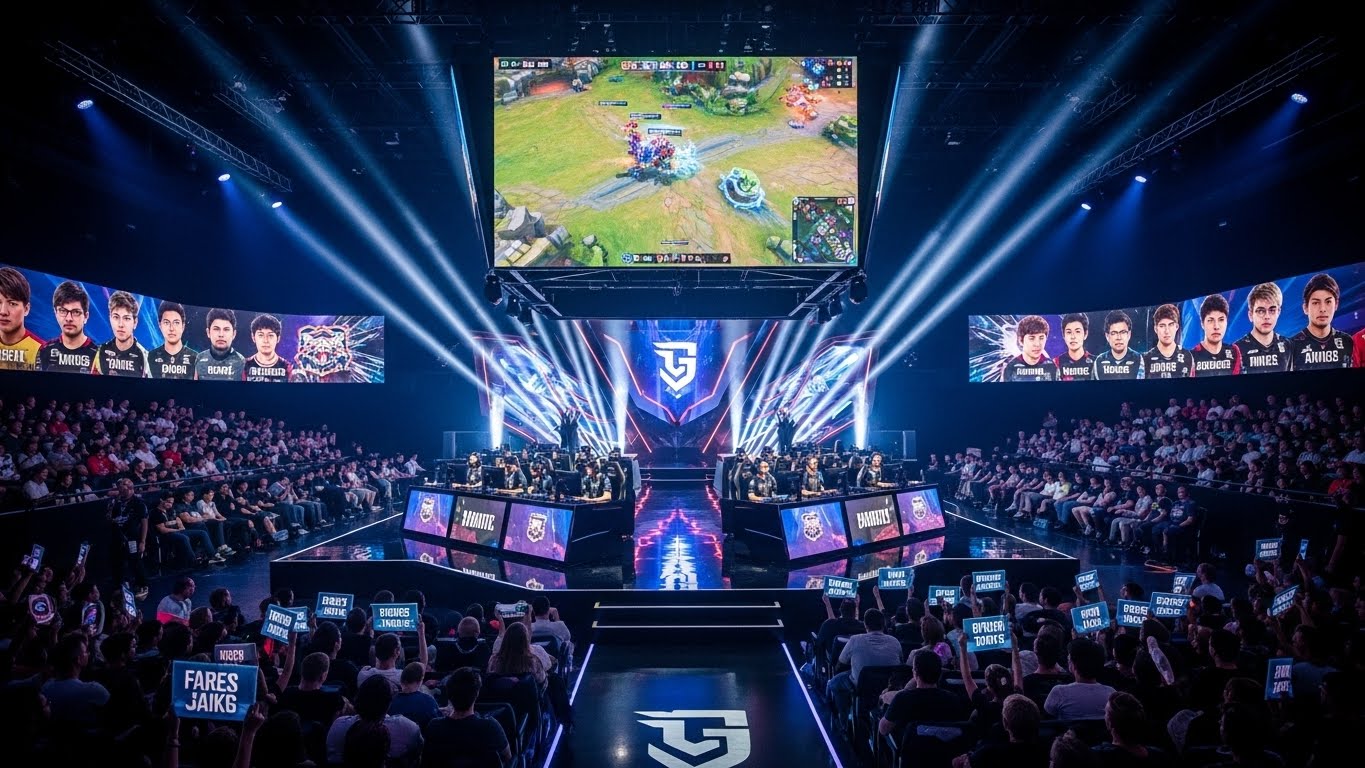
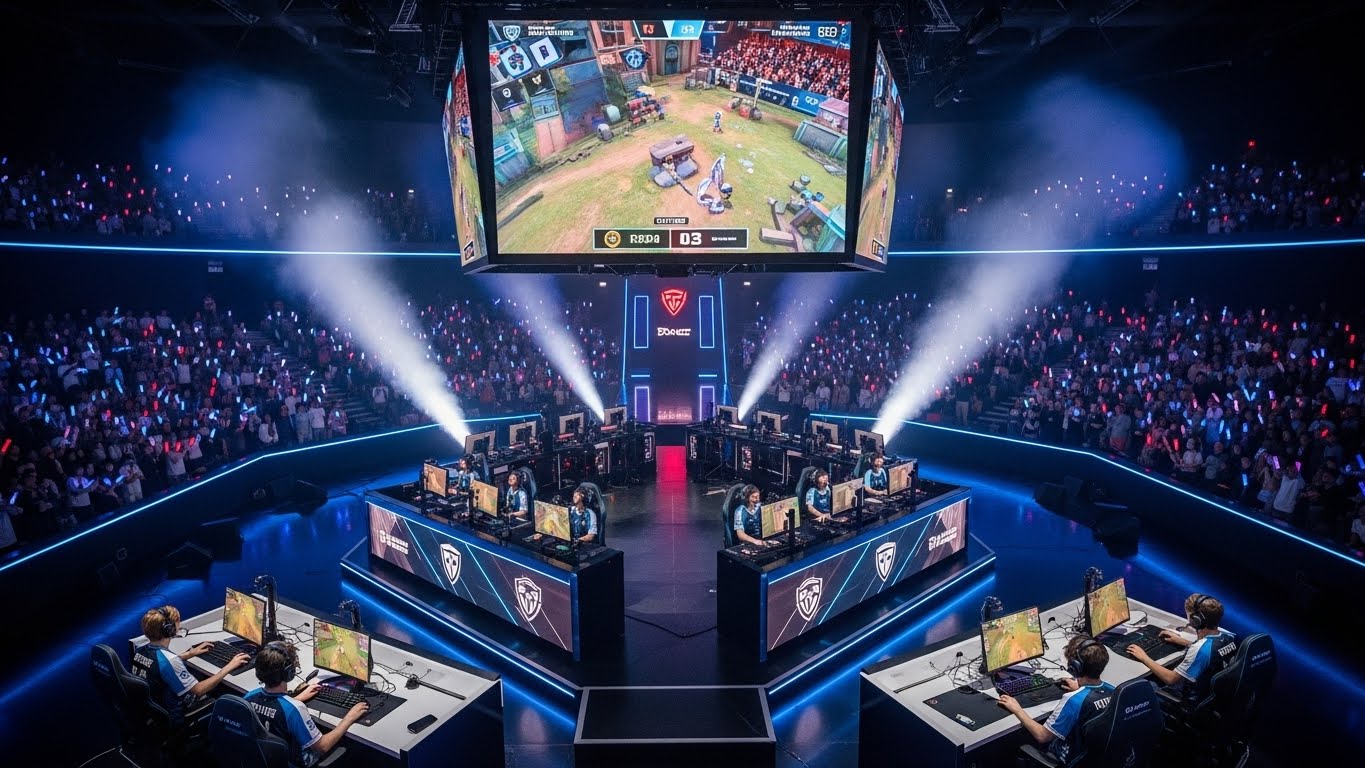
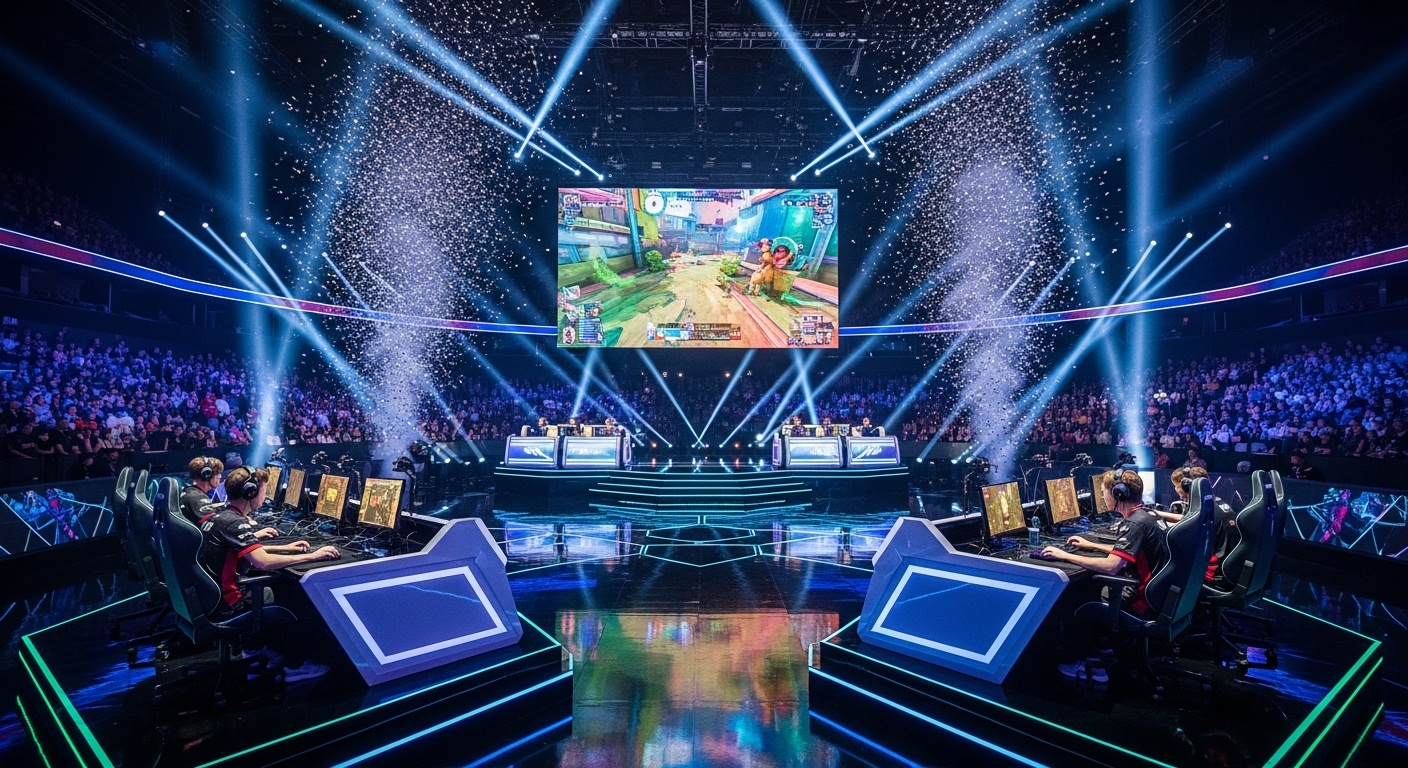
What was once a hobby among a small, passionate community has become a global spectacle, with professional players training for hours each day, massive arenas hosting live events, and multi-million dollar prize pools at stake. Esports tournaments are now broadcasted across the world, with millions of fans tuning in to watch their favorite teams and players battle for supremacy.
The Appeal of Esports: Why It’s More Than Just Gaming
Esports holds a unique appeal for audiences, making it more than just about playing video games. The competitive nature of esports, combined with the fast-paced action and strategic depth, makes it thrilling to watch. But it’s not just the games that draw people in. Several factors contribute to the growing popularity of esports, including accessibility, the rise of streaming platforms, and the sense of community that surrounds the games.
- Global Accessibility and Reach
One of the most significant factors behind esports’ success is its accessibility. Anyone with a computer, console, or mobile device can participate in esports competitions or view them online. This contrasts sharply with traditional sports, which often require specialized equipment, expensive tickets, and specific physical locations to participate.
Esports can be played from virtually anywhere, and live streams can be accessed by anyone with an internet connection. This global accessibility has helped the esports ecosystem thrive, as it allows players from all around the world to compete and interact with each other, forming a diverse and inclusive community.
- The Rise of Streaming Platforms
Platforms like Twitch, YouTube Gaming, and Facebook Gaming have revolutionized the way fans engage with esports. These platforms allow viewers to watch live tournaments, follow their favorite streamers, and even interact with players through chat functions. The interactivity offered by streaming services adds a layer of excitement and engagement that traditional sports cannot replicate.
Moreover, streaming has enabled gamers to build personal brands and income streams from their viewership. Esports stars like Faker (Lee Sang-hyeok), Ninja (Tyler Blevins), and Shroud (Michael Grzesiek) have cultivated massive online followings, earning money from sponsorships, donations, ad revenue, and subscriptions. This has helped elevate esports players to the status of celebrities, turning them into role models for aspiring gamers worldwide.
- Community Engagement and Interaction
Esports thrives on the sense of community it fosters among fans, players, and even game developers. Online forums, social media groups, and streaming platforms allow players to share strategies, analyze game footage, and engage in lively discussions. Esports fans aren’t just passive spectators—they are active participants in the culture surrounding the games. Whether it’s discussing the latest match results on Twitter, tuning into live streams, or joining dedicated Discord servers, esports fans form close-knit communities where they feel a part of something larger than themselves.
The Professional Esports Scene: Teams, Tournaments, and the Business of Competition
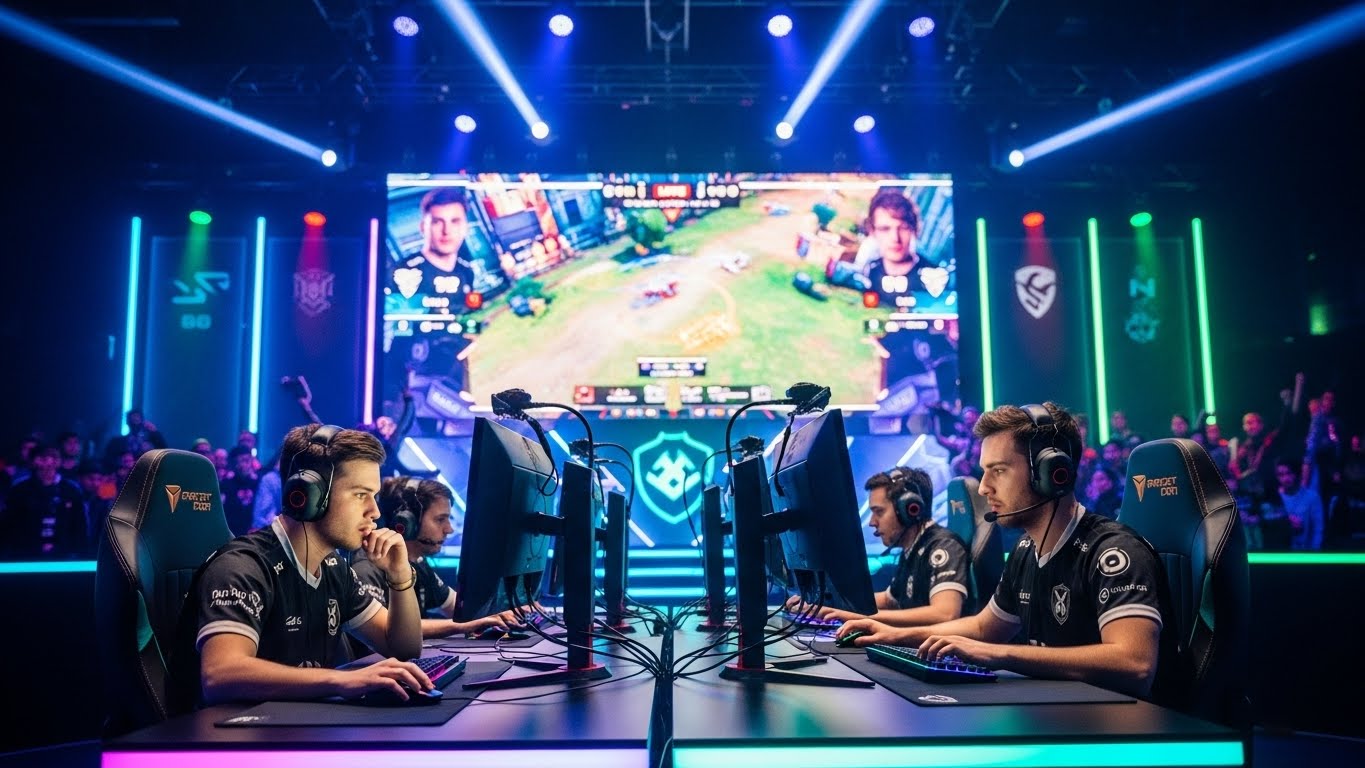
As esports grew, so did its professionalism. What was once a hobby for casual players has become a highly competitive and lucrative profession. Professional esports players now train full-time, with schedules that often rival those of traditional athletes. Teams have coaches, analysts, and support staff to help players refine their skills and strategies. Tournaments are held at the highest level, and the stakes have never been higher.
- Esports Teams and Organizations
Professional esports teams are now a central pillar of the industry. These teams, like Cloud9, Team Liquid, and Fnatic, field players in multiple games and compete in national and international tournaments. Teams offer salaries, bonuses, and sponsorships to attract top talent, while also providing infrastructure, including gaming facilities, training sessions, and team-building activities.
Esports organizations are also investing in long-term development, supporting young talent and cultivating the next generation of players. Many top teams have scouting programs to discover promising players from around the world, giving aspiring esports professionals an opportunity to make their mark on the scene.
- Major Esports Tournaments
Esports tournaments are the centerpiece of competitive gaming. These events draw massive live and online audiences, with millions of viewers watching players compete for large prize pools. Some of the most famous tournaments in esports history include:
- The International (Dota 2): The granddaddy of esports tournaments, The International has a prize pool that often exceeds $30 million, funded through in-game purchases from the player base.
- League of Legends World Championship: The annual World Championship for League of Legends draws millions of viewers and is one of the most-watched esports events in the world.
- Fortnite World Cup: With its accessible battle royale format and massive prize money, Fortnite has become a household name in esports and competitive gaming.
These tournaments are often broadcast live on streaming platforms, with professional commentators providing analysis and color commentary. The excitement and drama that unfold during these events are akin to traditional sports competitions, and they create moments that are talked about long after the event is over.
- Sponsorship and Business Growth
The business of esports is thriving, and sponsorships are a major part of the revenue model. Esports tournaments are broadcast to millions of viewers, attracting sponsorships from some of the biggest global brands. Companies like Coca-Cola, Intel, and Mercedes-Benz are investing heavily in esports, seeing the potential to reach a young, engaged audience through these events.
In addition to corporate sponsorships, esports generates revenue through media rights, ticket sales, merchandise, and in-game transactions. As esports continues to grow in popularity, its economic impact is projected to rise significantly, with industry experts predicting that esports will become a multi-billion-dollar market in the coming years.
Challenges Facing the Esports Industry
Despite its rapid growth, the esports industry faces several challenges that need to be addressed to ensure its continued success and sustainability.
- Player Health and Well-being
Esports players often train for long hours, which can have detrimental effects on their physical and mental health. Issues like eye strain, repetitive stress injuries, and burnout are common among professional gamers. As the industry matures, it is essential for teams and organizations to prioritize player health by implementing better training regimens, promoting work-life balance, and offering mental health support.
- Cheating and Integrity
Like any competitive sport, esports is vulnerable to cheating and match-fixing. The rise of cheat software and the lure of large cash prizes have made it difficult for some tournaments to ensure fairness and integrity. Esports organizations and governing bodies must implement strong anti-cheating measures and maintain rigorous oversight to protect the credibility of the sport.
- Diversity and Inclusion
While esports is largely inclusive in terms of accessibility, the industry still faces challenges regarding diversity and gender representation. Although more women are entering the competitive gaming scene, they remain underrepresented in both player rosters and organizational leadership roles. Moving forward, esports must create a more inclusive environment where everyone, regardless of gender, background, or ethnicity, has an equal opportunity to participate and thrive.
The Future of Esports
The future of esports is undoubtedly bright. With technology continuing to evolve and new gaming platforms emerging, esports will become even more immersive and accessible. Virtual reality (VR) and augmented reality (AR) are poised to revolutionize the way we experience competitive gaming, while artificial intelligence (AI) could enhance both gameplay and training.
Esports is also likely to become more integrated into mainstream media and culture. As traditional sports leagues like the NBA and NFL begin to invest in esports, we could see more collaboration between the two, from team ownership to live event broadcasts.
In the long term, esports may even become part of the Olympic Games, as it increasingly aligns with the values of competition, global participation, and excellence. Whether or not that happens, one thing is certain: esports is here to stay, and its influence on entertainment, culture, and sports will only continue to grow.