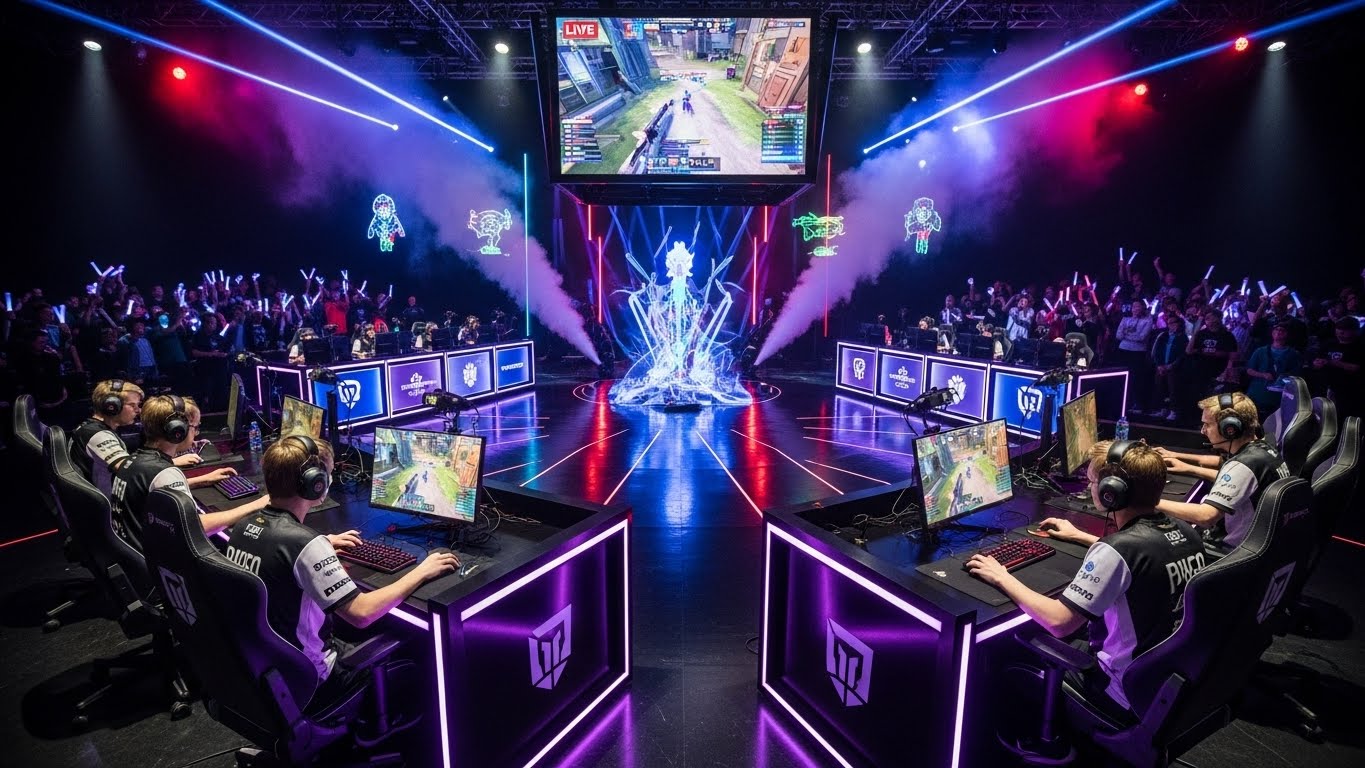
In recent years, esports has rapidly evolved from a niche subculture to a global powerhouse. Once reserved for dedicated gamers and a select few enthusiasts, it has now cemented itself as a mainstream phenomenon that draws millions of fans, generates billions of dollars, and has reshaped the entertainment landscape. Esports, or electronic sports, refers to competitive video gaming played professionally at the highest levels, often featuring tournaments, sponsorships, and lucrative prize pools. This blog explores the meteoric rise of esports, its cultural significance, the impact on traditional sports, and what the future holds for this ever-expanding industry.
Understanding Esports: Beyond Just Gaming
At its core, esports involves organized, multiplayer video game competitions, often between professional players, teams, or individuals. The games played in esports span a variety of genres, from first-person shooters like Call of Duty and Counter-Strike: Global Offensive to Multiplayer Online Battle Arenas (MOBAs) like League of Legends and Dota 2. Other genres, such as real-time strategy games (StarCraft II) and sports simulators (FIFA), also feature prominently in esports events.
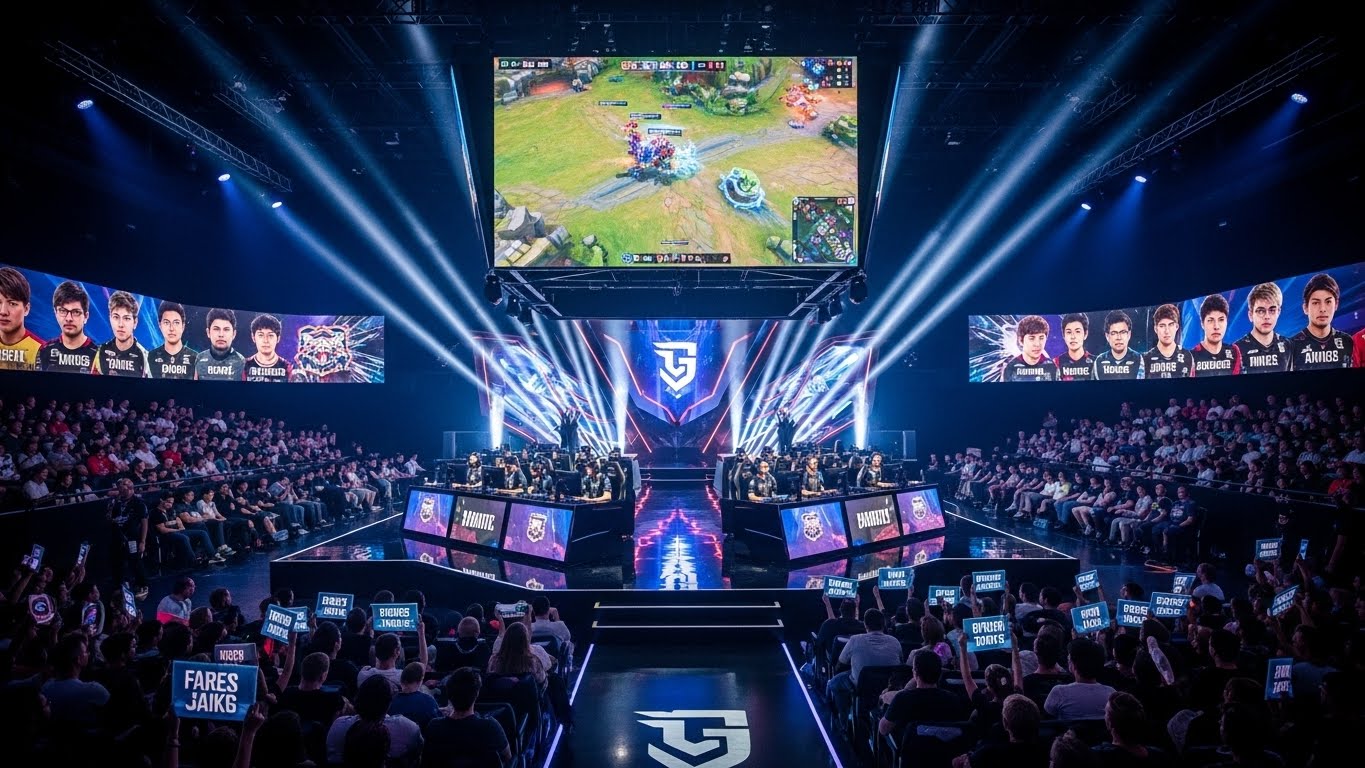
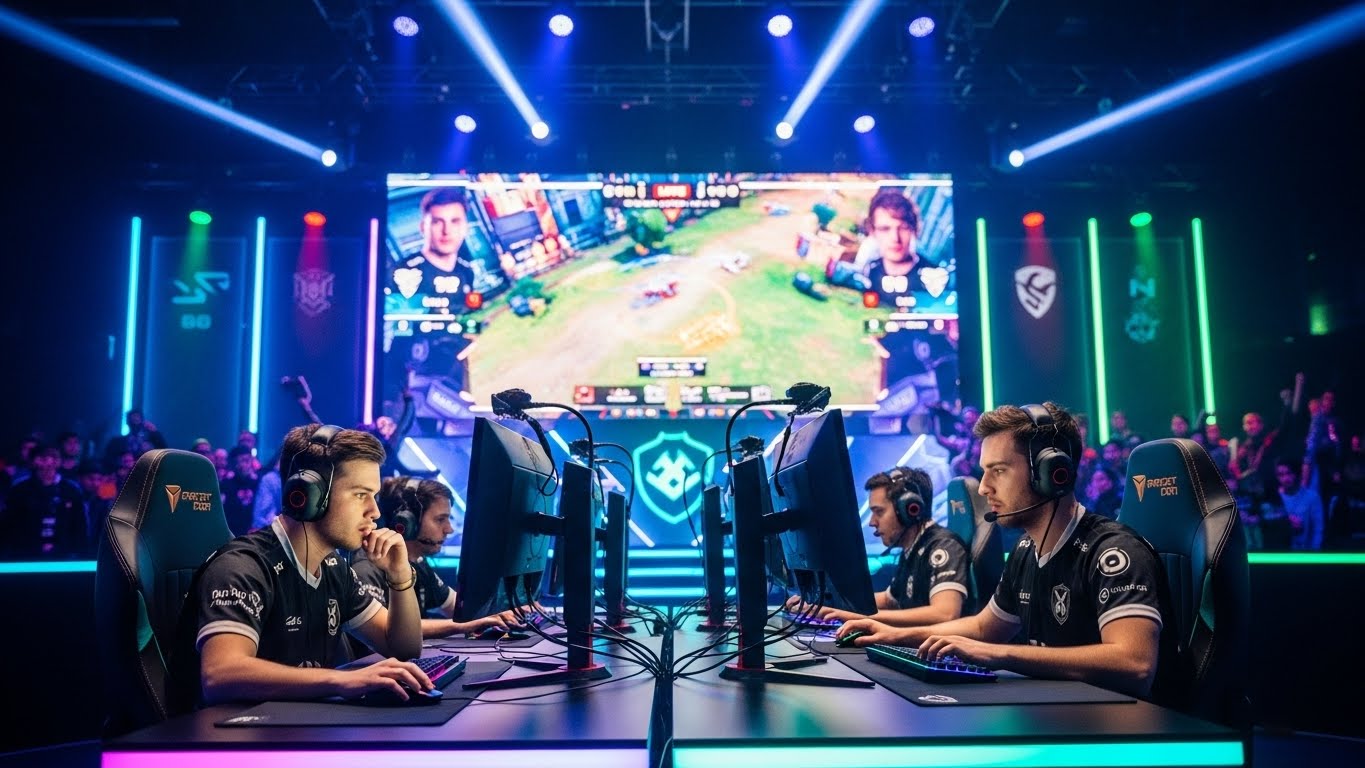
Unlike traditional gaming, where players engage for entertainment or leisure, esports focuses on professional competition. Esports athletes train for hours a day, refine strategies, and develop skills that rival those of any traditional sports players. Esports events are broadcast globally, and many tournaments are held in large arenas, drawing thousands of fans in person, while millions more tune in online to watch the action unfold. With prize money sometimes reaching into the millions of dollars, esports has become a serious career path for skilled players.
The Explosion of Esports: A Global Phenomenon
Esports has experienced a meteoric rise over the last decade, fueled by technological advancements, a thriving online culture, and increasing investment from major corporations. In 2021, the global esports industry was valued at over $1 billion, and the audience for esports is expected to surpass 500 million people worldwide in the coming years. But what factors have contributed to this explosive growth?
1. Technological Advancements
The rapid advancement of technology has been one of the most significant factors driving the rise of esports. Improvements in internet infrastructure, gaming hardware, and streaming platforms have made it easier for players to compete and for fans to engage with their favorite games and tournaments.
The advent of high-speed internet has made it possible for people from all around the world to participate in online competitions. Meanwhile, cutting-edge gaming systems and powerful graphics cards have ensured that competitive gaming experiences are smooth and visually stunning. Moreover, the rise of streaming platforms like Twitch, YouTube Gaming, and Facebook Gaming has brought esports into the homes of millions, allowing fans to watch tournaments live, interact with players, and become part of vibrant, engaged communities.
2. Streaming Platforms and Community Building
The success of esports is closely tied to the growth of live streaming platforms, which allow viewers to watch competitive gaming events in real-time. Services like Twitch have become central hubs for esports fans to engage with their favorite games and personalities. Streamers and professional gamers now have platforms to showcase their skills, entertain audiences, and build their fan bases.
These platforms also foster the creation of tight-knit communities where viewers can interact with each other and the players themselves. Chat rooms, live reactions, and online forums allow fans to share strategies, discuss gameplay, and support their favorite teams and athletes. This community-centric nature of esports has created a sense of belonging for many viewers, turning esports into a shared cultural experience.
3. Investment from Major Brands
As esports has grown, so has the interest from mainstream brands and corporations. Initially, esports was funded and supported by game developers and niche companies within the gaming industry. However, as the potential of esports became clear, brands from outside the gaming world began to take notice.
Companies like Intel, Red Bull, and Coca-Cola have invested heavily in esports, sponsoring tournaments and players alike. High-profile brands in tech, lifestyle, and even fashion have recognized esports’ potential to reach a large, highly engaged audience. The money flowing into the industry has not only helped elevate esports tournaments and organizations but has also created more opportunities for players to turn professional gaming into a viable career.
The Esports Ecosystem: Teams, Players, and Tournaments
One of the defining features of esports is its competitive structure. Esports tournaments are not just single events; they are part of a complex ecosystem involving teams, leagues, and a host of professionals who contribute to the overall success of the scene. Let’s break down some of the key components of the esports ecosystem.
1. Professional Esports Teams
Just like traditional sports, esports is heavily team-oriented. Professional esports teams consist of highly skilled players who train together, develop strategies, and compete in various tournaments throughout the year. Some of the most successful esports organizations, such as Team Liquid, Cloud9, and FaZe Clan, have gained international recognition for their dominance in games like League of Legends, Counter-Strike: Global Offensive, and Fortnite.
These teams are often backed by sponsors, supported by coaches and analysts, and run like professional sports franchises. Players undergo rigorous practice schedules, and their performance is constantly evaluated, both in terms of skill and mental fortitude. Esports athletes must also manage their public image, as many players become influencers in their own right, with large social media followings and lucrative endorsement deals.
2. Esports Tournaments and Leagues
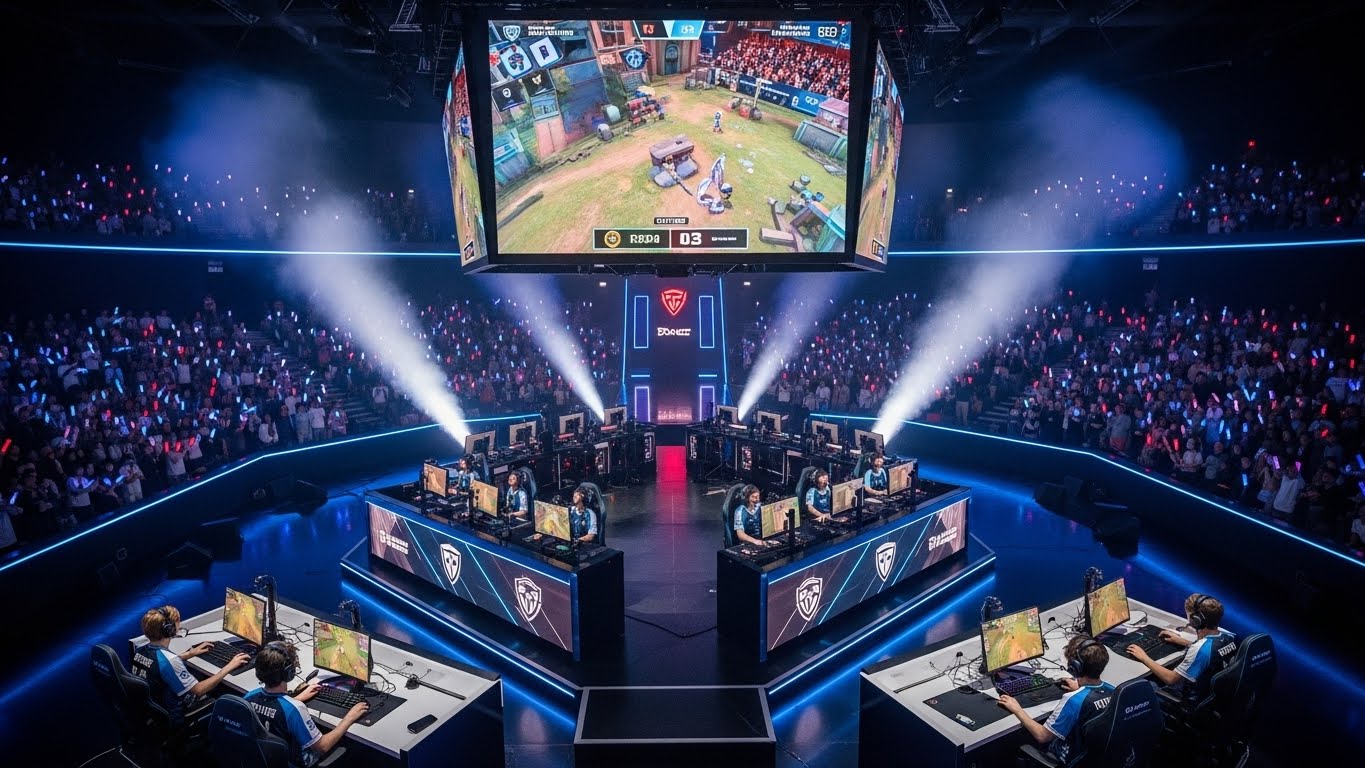
Esports tournaments are the focal points of competitive gaming, attracting thousands of live viewers and millions of online viewers. The largest esports tournaments, such as The International (Dota 2), League of Legends World Championship, and the ESL Pro League (CS: GO), offer prize pools that can reach tens of millions of dollars. These events are often held in iconic arenas, such as the Staples Center in Los Angeles or the Mercedes-Benz Arena in Berlin, and attract fans from around the world.
Beyond single tournaments, there are also esports leagues that operate on a seasonal basis, much like traditional sports leagues. Examples include the Overwatch League and the Call of Duty League, which feature a series of regular-season matches followed by playoffs and finals. These leagues have helped structure esports into a more consistent and sustainable model, allowing teams and players to build a following over time and fostering long-term rivalries.
3. The Role of Coaches, Analysts, and Support Staff
While the spotlight often shines on the players themselves, the behind-the-scenes professionals play a crucial role in ensuring a team’s success. Coaches, analysts, and support staff provide essential guidance, helping teams refine their strategies, review performance data, and develop mental resilience.
Coaches in esports are similar to those in traditional sports, offering strategic direction and keeping players focused on their goals. Analysts, on the other hand, help teams analyze gameplay footage, identify weaknesses, and develop strategies to counter opponents. Together, these individuals help esports teams operate at the highest level.
Esports and the Changing Face of Entertainment
The rise of esports has had a profound effect on the traditional entertainment industry, offering new opportunities for media consumption and fan engagement. While many people still associate “traditional” entertainment with movies, television, and live sports, esports has redefined what it means to be entertained in the digital age.
1. Esports as a Spectator Sport
Unlike traditional video games, which are primarily designed for personal enjoyment, esports is built for spectator engagement. The exciting, fast-paced nature of esports competitions makes it an ideal sport for fans to watch, whether on TV or through digital streaming platforms. Just as fans gather in stadiums to cheer for their favorite basketball or football teams, esports enthusiasts fill virtual arenas, often with the same level of enthusiasm and excitement.
In fact, esports is starting to rival traditional sports in terms of viewership. The League of Legends World Championship regularly attracts tens of millions of viewers, surpassing the audience size of the Super Bowl or the NBA Finals in some years. As the industry continues to mature, esports is becoming a dominant force in global entertainment.
2. The Integration of Esports and Traditional Sports
Esports and traditional sports are beginning to merge in interesting ways. Many sports organizations, including the NBA and NFL, are exploring ways to integrate esports into their business models. The NBA, for example, launched the NBA 2K League, a professional esports league based on the NBA 2K video game series, featuring esports athletes who compete in virtual basketball matches.
This cross-industry collaboration demonstrates that the two realms of sports and gaming are no longer distinct. Esports has become a legitimate extension of the traditional sports ecosystem, appealing to a younger demographic that may not be as interested in traditional athletics but still enjoys the competitive nature and excitement of professional gaming.
The Future of Esports: What’s Next?
The future of esports looks incredibly promising, with continued growth and innovation on the horizon. As the industry matures, we can expect more professional leagues, larger prize pools, and increased integration with mainstream media. Additionally, advancements in technology, such as virtual reality (VR) and augmented reality (AR), could revolutionize the way we experience esports, providing more immersive viewing experiences for fans.
Esports will likely continue to expand its reach, attracting new fans and participants from all walks of life. With the rise of collegiate esports programs and increasing acceptance of gaming as a legitimate career, esports will play an even larger role in shaping the future of entertainment, sports, and digital culture.
Conclusion
Esports has firmly established itself as a global cultural phenomenon, transcending the boundaries of gaming to become a legitimate form of competitive entertainment. With its ever-growing fan base, rising investments, and integration into mainstream sports and media, esports is no longer just a passing trend. It is a powerful force shaping the future of entertainment, creating opportunities for athletes, organizations, and brands alike.