Introduction: The Rise of a New Competitive World
Esports has transformed from a niche pastime enjoyed by small groups of gamers into one of the most dynamic and rapidly growing entertainment industries on the planet. What once took place in dimly lit internet cafés and small college halls has now exploded into a global spectacle drawing millions of viewers, attracting major brands, and producing highly skilled professional athletes. This digital revolution is more than just people playing video games. It is a cultural and economic movement reshaping the future of sports, entertainment, and global connectivity.
The Evolution From Hobby to Professional Sport
In its early days, competitive gaming primarily revolved around friendly matches among friends. Slowly, organized tournaments emerged, often offering small prizes and attracting limited audiences. However, as technology advanced and internet connectivity improved, gamers from around the world began participating in online competitions. This opened the door for larger events, bigger prize pools, and more structured leagues.
Today, esports has established itself as a legitimate sport with training routines, coaching staff, professional organizations, and international tournaments rivaling traditional sports in viewership and cultural impact. Games like League of Legends, Dota 2, Counter-Strike, Valorant, and Fortnite draw global attention similar to major sporting championships. The industry now includes broadcasters, analysts, commentators, and even sports psychologists working behind the scenes.
What Makes Esports So Engaging?
One reason esports has gained such popularity is accessibility. Anyone with a computer or console can play, dream, and potentially rise through the ranks. Unlike traditional sports that may require specific physical attributes, esports welcomes players from various backgrounds and abilities. Talent is measured in skill, strategy, teamwork, and mental stamina rather than physical strength.
The fast-paced, unpredictable nature of gaming competitions adds to the excitement. Fans do not just watch; they analyze strategies, follow their favorite players’ journeys, and engage with communities through discussions, fan art, and online forums. The connection between players and audiences is stronger and more interactive than ever before.
The Power of Community and Online Culture
Esports thrives on community participation. Whether on streaming platforms, social media groups, or in-game chat environments, these communities create a sense of belonging. Fans celebrate victories together, support their favorite teams, and contribute to the industry’s creative culture through memes, videos, commentary, and discussions.
This sense of shared identity bridges gaps across continents. A fan in South Korea can cheer alongside a fan in Brazil while watching the same tournament. This global unity is one of the most extraordinary aspects of esports. It breaks traditional boundaries and proves that passion for competition knows no nationality, gender, or age.
Professional Players: The New Digital Athletes
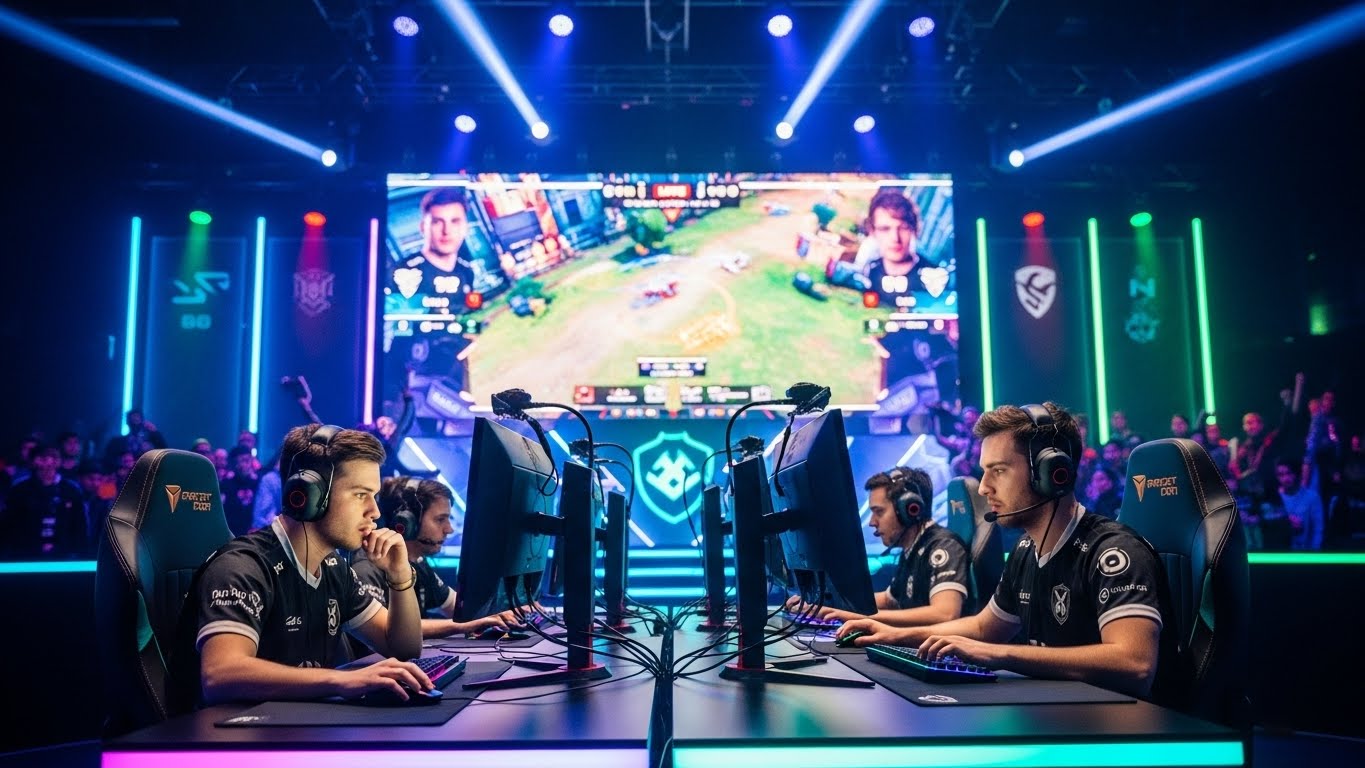
Behind every esports match are athletes with years of disciplined training. Professional players follow rigorous schedules that include practice sessions, strategy meetings, physical fitness routines, and mental conditioning. Reaction speed, focus, teamwork, and tactical decision-making are crucial for success.
Many players begin their careers in their early teens, honing skills and participating in smaller competitions before joining professional organizations. These organizations provide support systems similar to those in traditional sports, including coaching staff, nutritionists, and performance analysts. The career of a digital athlete is demanding but highly rewarding for those who reach the top.
Big Events, Bigger Crowds: The Spectacle of Esports Tournaments
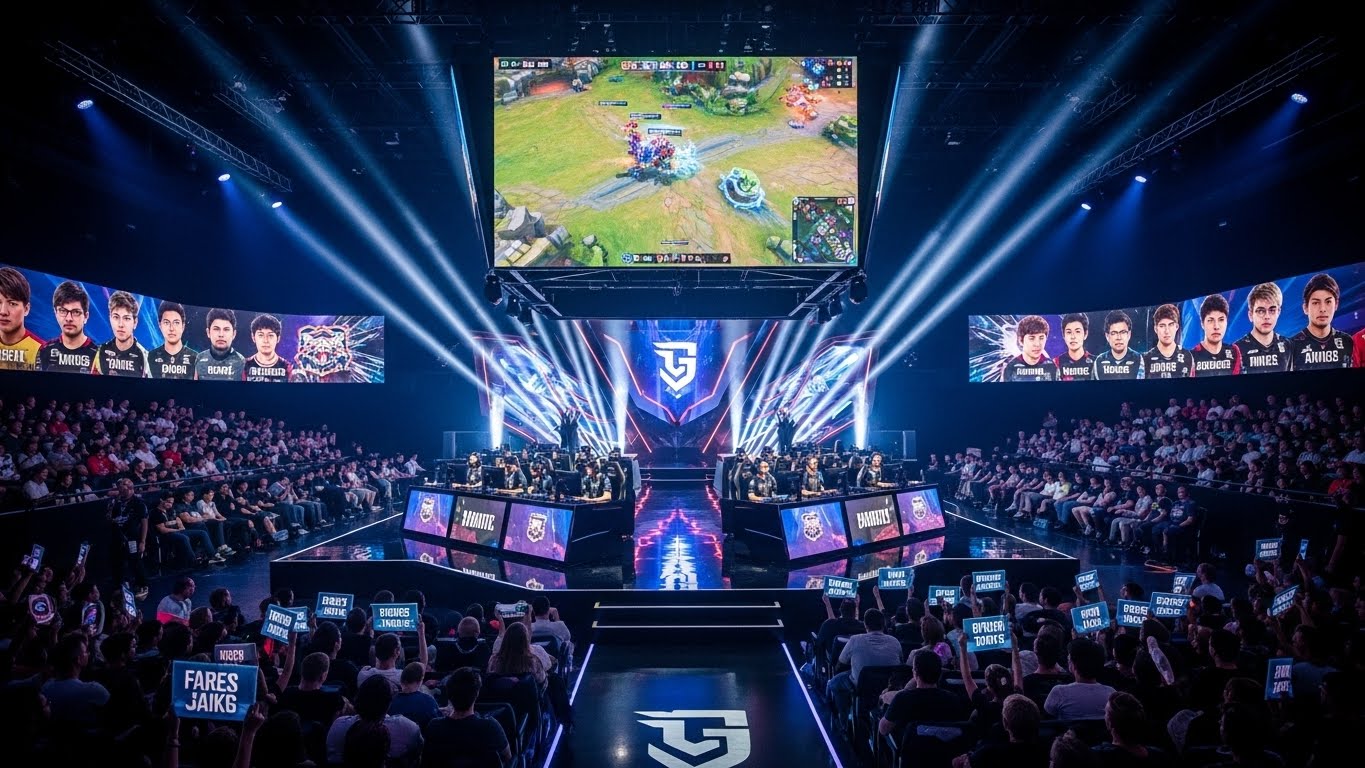
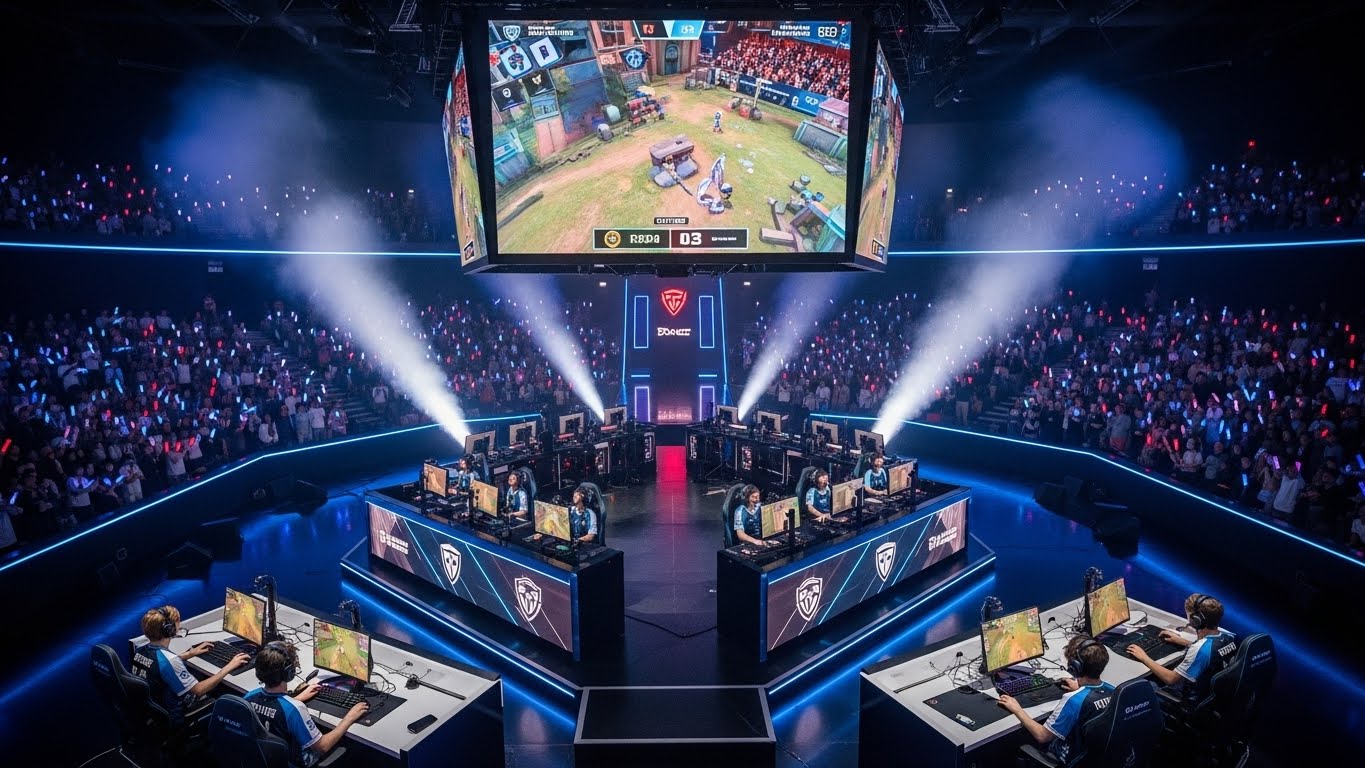
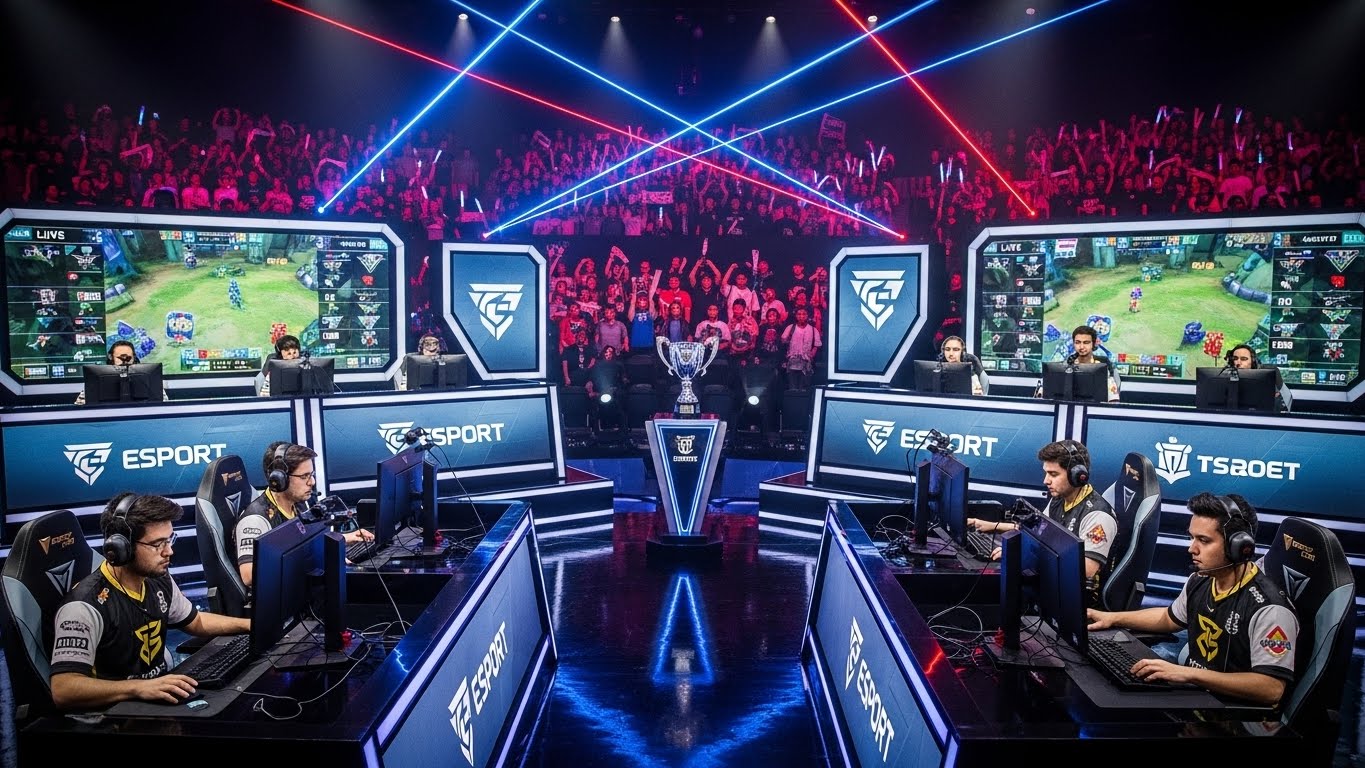
Esports tournaments have become extraordinary global events. These competitions often fill massive arenas with energetic fans waving team banners and cheering loudly. The atmosphere is electric, with live commentary, dramatic lighting, and high-stakes matches that keep audiences at the edge of their seats.
Some of the largest tournaments attract millions of online viewers. The excitement extends beyond the matches themselves, with opening ceremonies, special performances, and fan interactions turning these events into celebrations of gaming culture. Such tournaments demonstrate the power of esports as a mainstream entertainment force.
The Economic Boom Behind Esports
The esports industry generates billions of dollars through sponsorships, merchandise, advertisements, team branding, and tournament prize pools. Major companies across technology, fashion, food, and entertainment sectors invest heavily in esports because of its widespread influence and youthful audience.
Professional organizations operate similarly to traditional sports clubs, with revenue coming from partnerships and fan engagement. Esports also creates jobs in event management, content creation, game development, marketing, and broadcasting. The industry continues to expand, offering exciting opportunities for entrepreneurs and innovators.
Streaming and Content Creation: A New Era of Digital Entertainment
Streaming platforms have played a crucial role in the growth of esports. Players no longer need television networks to gain fame. They can build their own audiences by streaming gameplay, teaching strategies, or simply sharing their personalities with fans. Streaming has become a career path for many gamers, influencers, and professional athletes.
This form of entertainment is highly interactive. Viewers can chat with streamers in real time, donate support, or participate in community events. It has created a unique bond between content creators and fans and has further strengthened the culture surrounding esports.
Esports in Education and Career Development
Surprisingly to some, esports has found its way into educational institutions. Schools and universities now offer esports clubs, courses, and even scholarships. Students learn teamwork, leadership, communication, and critical thinking through organized gaming.
Educational programs also explore careers in game design, broadcast technology, esports management, and digital marketing. Esports bridges the gap between entertainment and professional development, helping young people discover careers they may not have otherwise considered.
Challenges Faced by the Esports Industry
Despite its success, esports faces several challenges. One concern is player burnout due to intense schedules and pressure. Maintaining a healthy work-life balance is essential but often difficult for young athletes striving for the top.
Another challenge is maintaining fair competition. Issues like cheating or exploiting game mechanics can disrupt the integrity of matches. Developers and tournament organizers constantly work to improve fairness and security.
There is also the task of expanding accessibility and inclusivity, ensuring that players from all backgrounds feel welcome and safe in gaming environments. The industry must continue to fight against toxicity, discrimination, and other negative behaviors that sometimes emerge in online spaces.
The Future of Esports: A New Frontier of Possibilities
The future of esports looks promising. Advancements in technology, such as virtual reality, artificial intelligence, and improved gaming hardware, will reshape the competitive landscape. The line between digital and physical sports may become even more blurred as new hybrid experiences emerge.
More countries are recognizing esports as an official sport, and international competitions are gaining attention similar to other global events. With younger generations embracing digital culture wholeheartedly, esports is positioned to remain a leading force in entertainment for decades to come.
Conclusion: A Revolution Still Unfolding
Esports is more than a trend. It is a revolution that has reshaped how the world views competition, entertainment, and community. It brings people together across continents, offers new career paths, and celebrates creativity, skill, and innovation. As this digital arena continues to evolve, its influence will only grow stronger, shaping the future of sports and culture in ways we are only beginning to understand.