Introduction to Esports
Esports, short for electronic sports, represents one of the most revolutionary shifts in modern entertainment. What began as small gatherings of gaming enthusiasts has evolved into a global phenomenon, captivating millions of players, viewers, and sponsors around the world. Esports today stands at the intersection of technology, competition, culture, and innovation. It has transcended its roots as a niche hobby to become a multibillion-dollar industry that rivals traditional sports in both reach and influence. From packed arenas filled with cheering fans to online tournaments streamed to global audiences, esports has established itself as a new frontier of competitive entertainment.
The Origins of Esports
The story of esports begins in the early 1970s when video games themselves were still in their infancy. The first recorded gaming competition took place in 1972 at Stanford University, where students competed in the game “Spacewar.” Though the prize was modest—a one-year subscription to a magazine—it symbolized the beginning of something far greater. By the 1980s, with the rise of arcade games like “Pac-Man” and “Donkey Kong,” competitive gaming became a staple of youth culture. The 1990s saw the rise of local area network (LAN) tournaments, where players connected computers to compete in early multiplayer games such as “Doom,” “Quake,” and “StarCraft.”
These early tournaments laid the groundwork for the modern esports scene. They introduced the idea of structured competition, leaderboards, and sponsorships. As internet connectivity improved in the late 1990s and early 2000s, online multiplayer gaming became more accessible. Games like “Counter-Strike,” “Warcraft III,” and “Dota” helped shape the modern concept of esports. Players could now face off against opponents across continents, transforming competitive gaming from local gatherings to international events.
The Rise of Esports in the 21st Century
The 2000s marked a defining decade for esports. Broadband internet, streaming technology, and the growth of online communities helped turn competitive gaming into a mainstream spectacle. Early tournaments such as the World Cyber Games, Major League Gaming (MLG), and the Electronic Sports World Cup gave structure and legitimacy to esports. Players began to be recognized as professionals, earning salaries, sponsorships, and fame.
The arrival of platforms like Twitch and YouTube Gaming in the 2010s transformed esports into a form of live entertainment accessible to anyone with an internet connection. Fans could now watch their favorite players and teams in real time, interact through chat, and form online communities centered around their favorite games. The numbers were staggering—millions of concurrent viewers tuned in to major events like “The International” for Dota 2 or the “League of Legends World Championship.”
As audiences grew, so did investment. Major corporations, tech companies, and even traditional sports organizations began funding esports teams, events, and leagues. The presence of professional management, sponsorships, and broadcasting deals pushed esports closer to traditional sports models.
Popular Games That Defined Esports
Esports is not a single game but a vast ecosystem of competitive titles across different genres. Some games have become pillars of the industry due to their competitive balance, spectator appeal, and community support.
One of the most influential titles is “League of Legends,” a multiplayer online battle arena (MOBA) game developed by Riot Games. Its global league structure and annual World Championship draw millions of viewers. Similarly, “Dota 2” from Valve Corporation has achieved legendary status with “The International,” an annual tournament boasting prize pools exceeding tens of millions of dollars.
In the realm of first-person shooters, “Counter-Strike: Global Offensive” and “Call of Duty” have been dominant forces. “Counter-Strike,” in particular, has one of the most storied competitive scenes, known for its high skill ceiling and intense team coordination.
Battle royale titles like “Fortnite” and “PUBG” brought a new generation of players and viewers to esports, blending casual entertainment with serious competition. Meanwhile, games such as “Overwatch,” “Valorant,” and “Rainbow Six Siege” have combined tactical gameplay with vibrant storytelling and character design.
Fighting games also hold a special place in esports history. The “Street Fighter,” “Tekken,” and “Super Smash Bros.” series have nurtured some of the most passionate communities, where skill, timing, and mastery define the greatest champions.
Esports as a Global Industry
Esports has evolved into a massive global industry that rivals traditional entertainment sectors. According to industry analyses, the esports economy generates billions in revenue each year through sponsorships, advertising, media rights, merchandise, and ticket sales. The audience for esports now exceeds half a billion people, with major growth coming from Asia, North America, and Europe.
South Korea, often regarded as the birthplace of modern esports, has been a trailblazer since the early 2000s. Competitive gaming there enjoys the same recognition as traditional sports, with professional leagues, televised matches, and dedicated gaming arenas. China, too, has become a dominant force, boasting enormous fanbases and infrastructure that support large-scale tournaments. North America and Europe have followed suit, building leagues and partnerships that have helped establish esports as a global entertainment powerhouse.
The involvement of major brands has further legitimized esports. Companies from various industries—technology, energy drinks, apparel, and even automotive—have invested heavily in sponsorships. The presence of these brands has not only fueled the financial growth of the industry but also elevated the public image of esports.
The Professional Esports Player Lifestyle
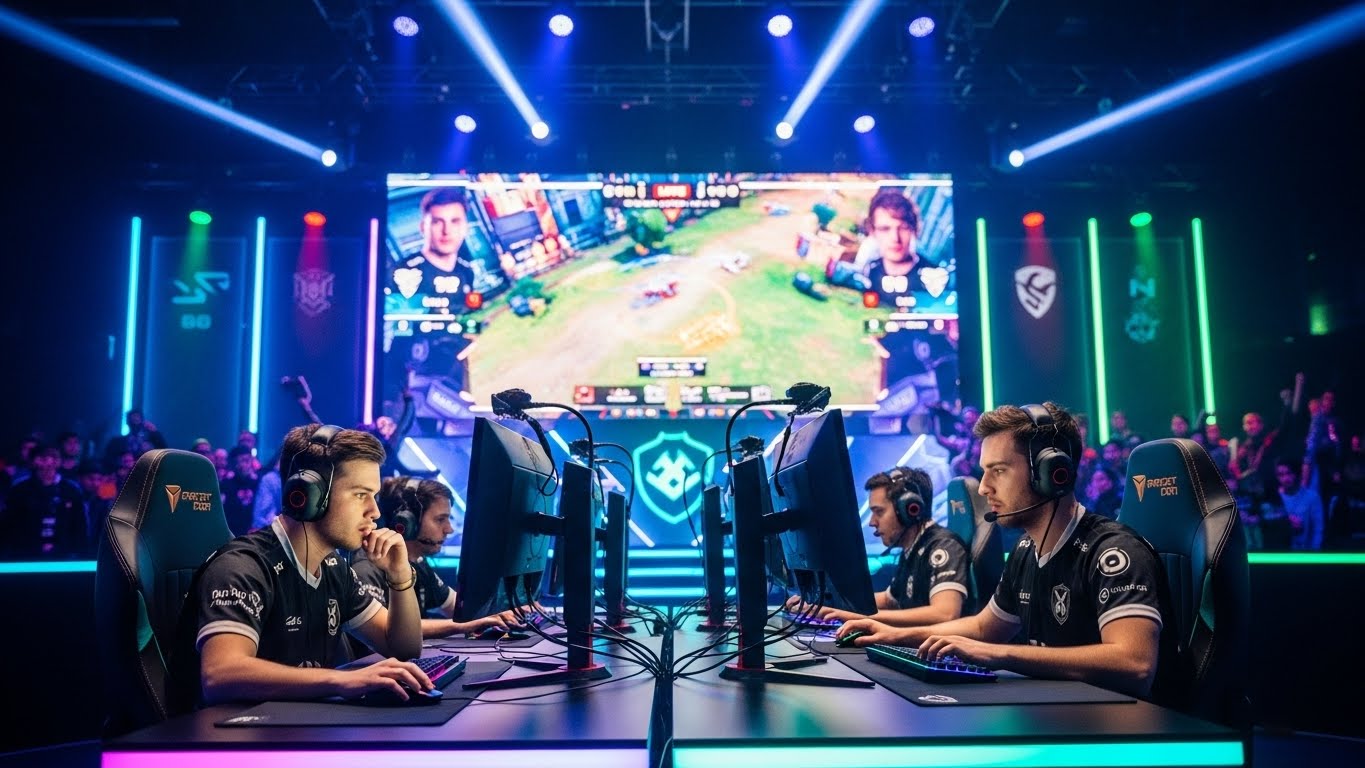
Being a professional esports athlete is not simply about playing video games for fun. It requires discipline, strategy, teamwork, and mental endurance. Players often train for long hours each day, studying opponents, analyzing gameplay, and practicing reflexes. Many teams have coaches, analysts, nutritionists, and psychologists who help players perform at their peak.
The competitive environment is intense. Just like traditional athletes, esports players face immense pressure to perform consistently. The margin between victory and defeat can be razor-thin, and careers are often short due to the physical and mental demands of constant competition. Despite the challenges, successful players can achieve fame, wealth, and lasting influence within the gaming community.
Esports Arenas and Spectator Experience
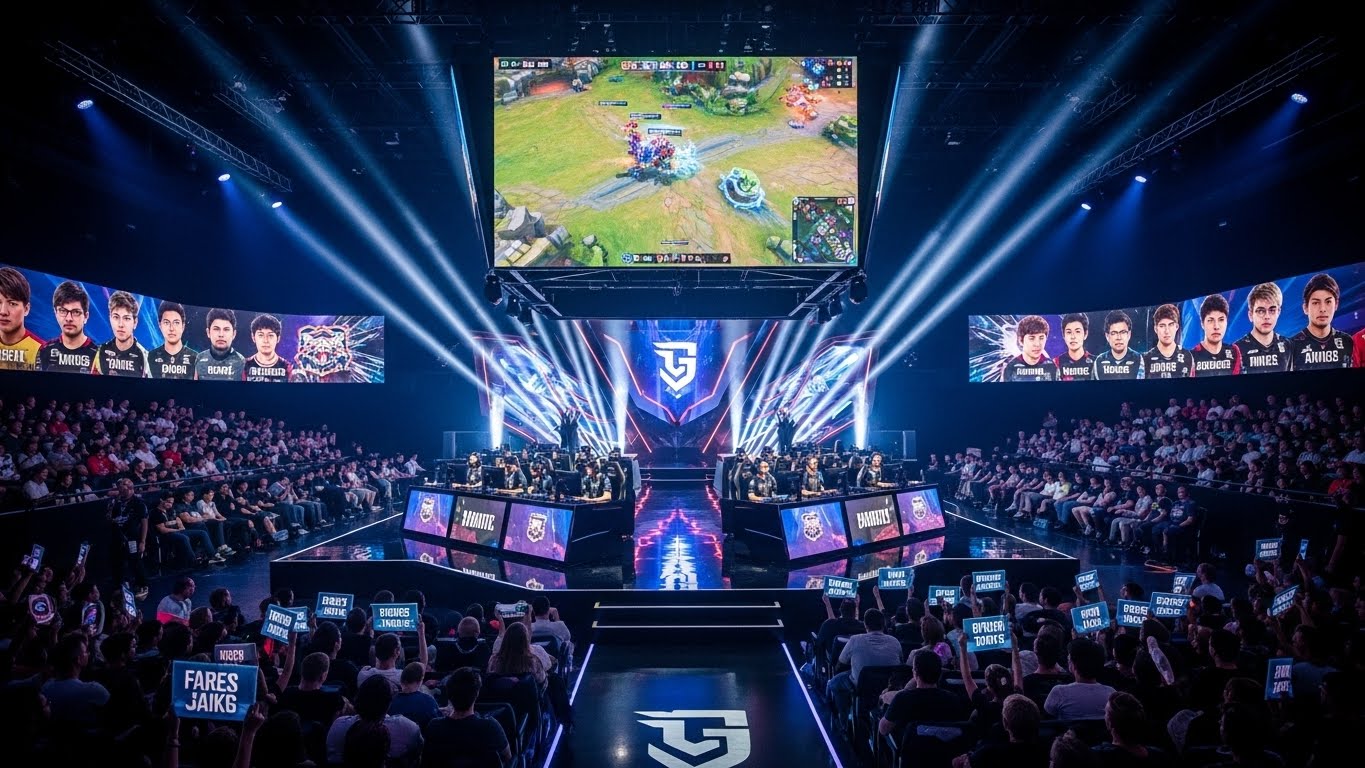
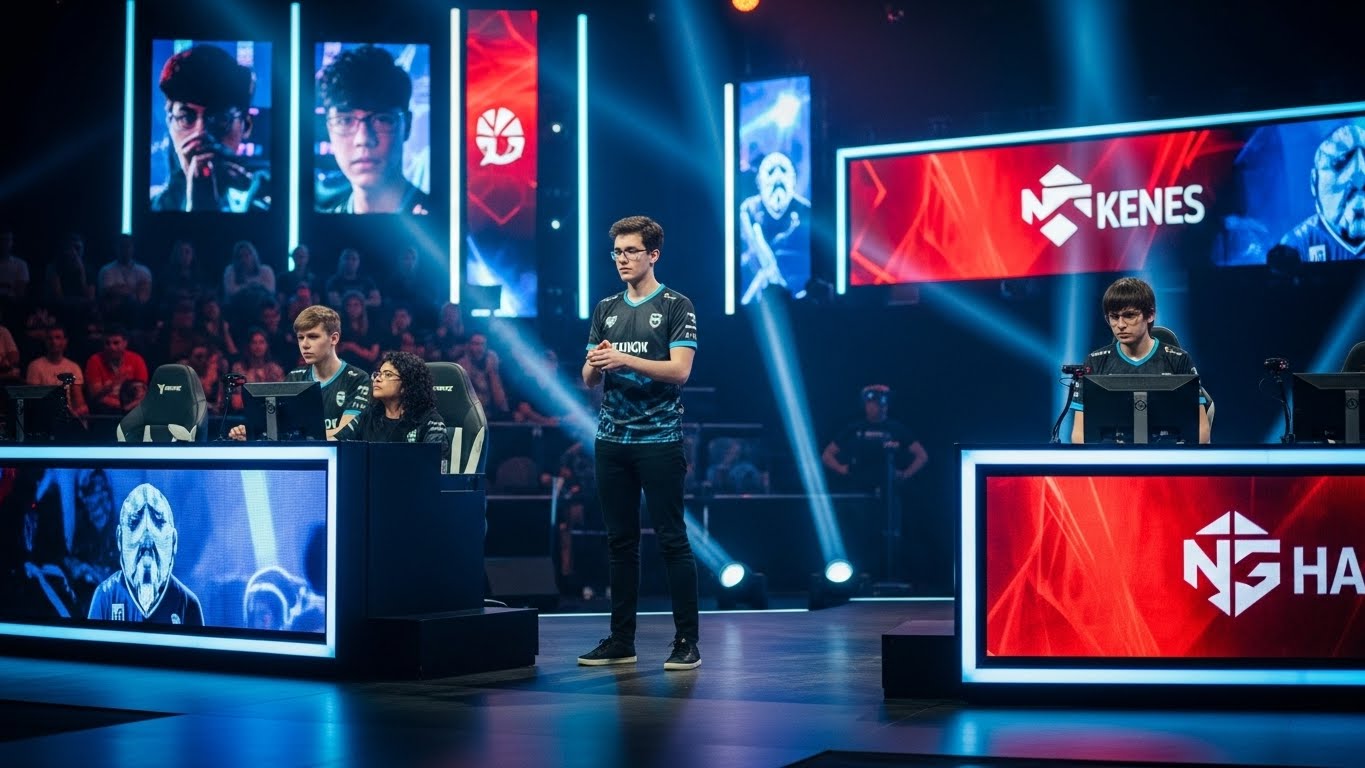
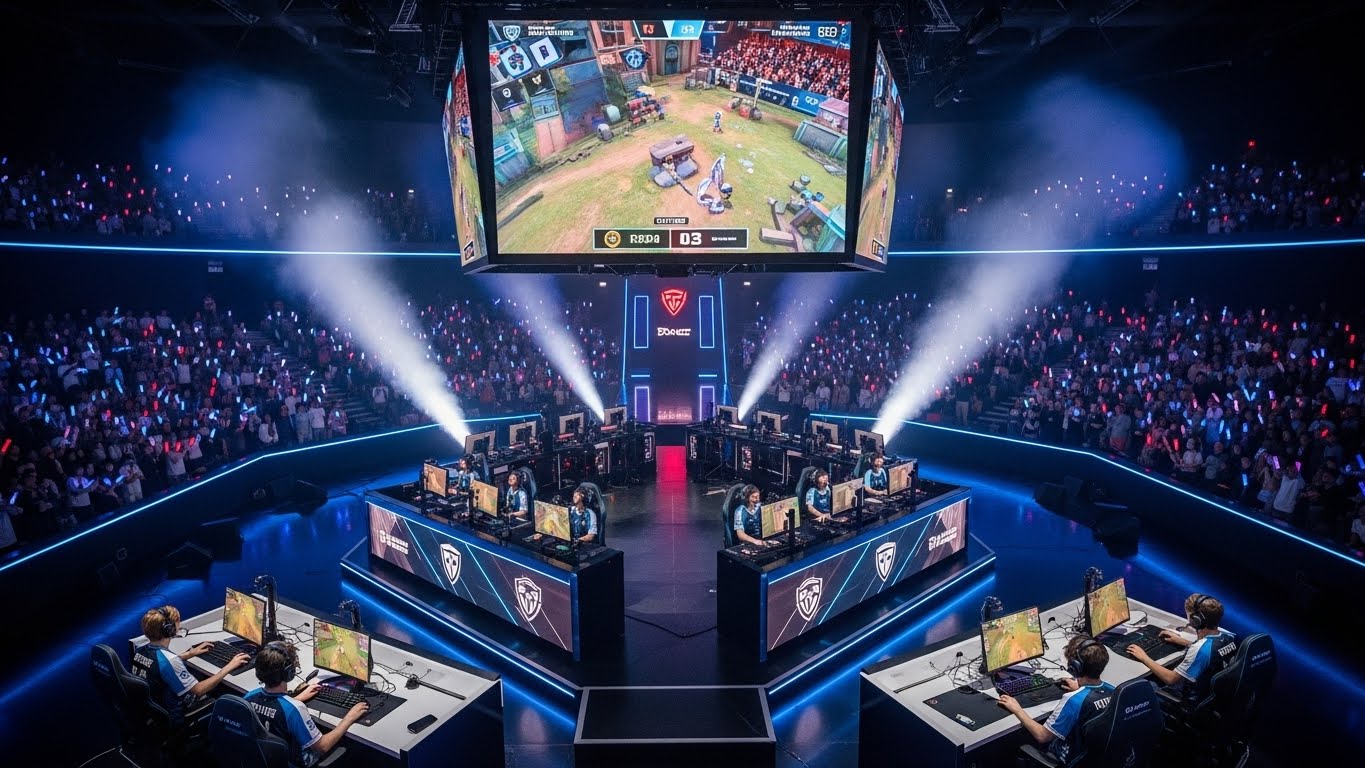
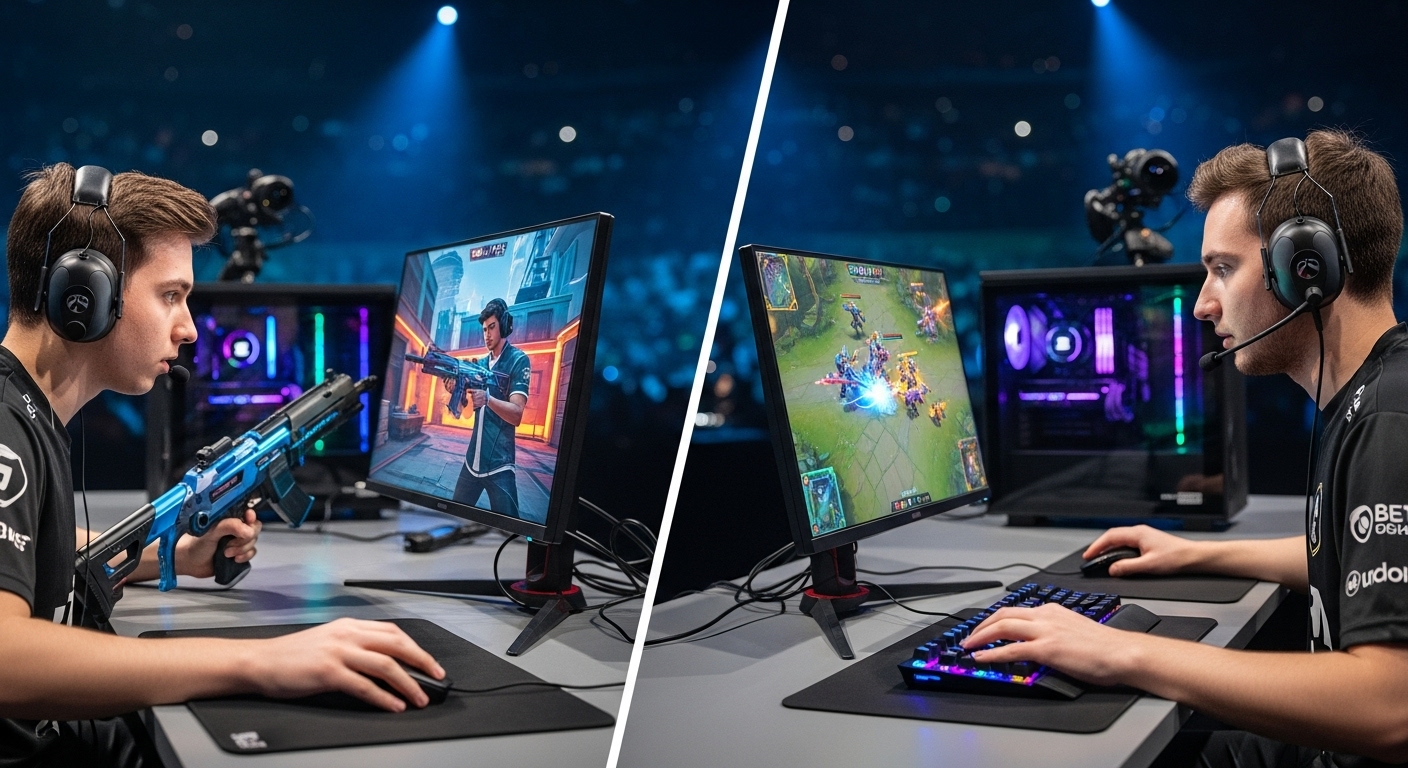
The spectacle of esports is not limited to online streams. Around the world, massive arenas are filled with thousands of fans cheering for their favorite teams. From Seoul to Los Angeles, from Shanghai to Berlin, these live events mirror the energy of traditional sports matches. Giant screens display every move, while professional commentators—known as casters—provide real-time analysis and excitement.
The atmosphere at an esports event is electric. Fans wear team jerseys, wave banners, and participate in chants, creating an experience that combines the thrill of live competition with the unique culture of gaming. Lighting effects, music, and digital production enhance the immersion, turning esports tournaments into multimedia spectacles.
The Role of Technology in Esports
Technology is the backbone of esports. High-speed internet, advanced graphics, virtual reality, and streaming platforms have all played critical roles in making esports accessible and enjoyable for both players and viewers. Cloud gaming and powerful gaming hardware have reduced barriers to entry, allowing players from all over the world to compete under fair conditions.
Moreover, the integration of artificial intelligence and data analytics has revolutionized how teams prepare and perform. Coaches use data to analyze player performance, identify weaknesses, and develop strategies. Spectators, too, benefit from real-time statistics and visual overlays that enhance understanding and engagement.
The Cultural Impact of Esports
Beyond the competition, esports has deeply influenced modern culture. It has created new forms of entertainment, social interaction, and even career opportunities. Streamers and content creators have emerged as celebrities, blending gaming, commentary, and personality-driven entertainment. Social media platforms allow fans to connect directly with their favorite players and teams, fostering a sense of community that transcends geography.
Esports has also played a role in breaking stereotypes about gamers. Once viewed as isolated or unproductive, gamers are now seen as strategic thinkers, skilled professionals, and passionate enthusiasts. Schools and universities have begun to recognize esports as a legitimate activity, offering scholarships and academic programs related to gaming, media, and technology.
Challenges and Controversies in Esports
Despite its success, esports faces a range of challenges. Issues such as player burnout, cheating, match-fixing, and toxic behavior have occasionally tarnished its image. Because esports is still a young industry, it lacks the standardized regulations that traditional sports enjoy. Different games, publishers, and regions have their own rules and governance structures, leading to inconsistencies.
Moreover, the rapid pace of change in technology and audience preferences can make it difficult for organizations to maintain stability. Games can fall out of favor quickly, and new titles constantly compete for attention. Balancing the interests of players, teams, developers, and fans remains an ongoing challenge.
Gender inequality is another significant issue in esports. Although female players have made great strides, the scene is still largely male-dominated. Efforts are being made to promote inclusivity and create safer, more welcoming spaces for all participants.
Esports and Education
In recent years, esports has entered classrooms and universities as a legitimate academic and extracurricular pursuit. Educational institutions now view esports not only as entertainment but also as a platform for developing valuable skills such as teamwork, communication, and strategic thinking. Some universities offer esports degrees focusing on game design, event management, and marketing.
High schools have formed esports teams that compete in national leagues, giving students the chance to experience structured competition and scholarship opportunities. These programs demonstrate how esports can be a positive force for personal growth and education.
The Future of Esports
The future of esports looks incredibly promising. With advancements in technology such as virtual reality, augmented reality, and artificial intelligence, the boundaries of competitive gaming will continue to expand. New formats of play, more immersive viewer experiences, and global collaboration will shape the next phase of esports evolution.
The potential integration of blockchain and digital assets may also redefine how esports organizations manage revenue, ownership, and fan engagement. Virtual tournaments and cross-platform play will make it easier for players worldwide to participate, regardless of their location or device.
Traditional sports organizations are increasingly blending with esports. Professional football, basketball, and racing leagues now have their digital counterparts, attracting fans from both communities. As younger generations continue to grow up with gaming as a central part of their identity, esports will only become more mainstream.
Conclusion
Esports has transformed from a niche pastime into a global cultural and economic powerhouse. It combines competition, technology, creativity, and community in ways that few other industries can match. From local tournaments in internet cafes to massive international events viewed by millions, esports has redefined what it means to be an athlete, a fan, and a part of a digital generation.
Its journey reflects broader societal changes—the blending of the virtual and physical, the power of global connectivity, and the limitless potential of human creativity. As esports continues to evolve, it will undoubtedly inspire future generations to dream, compete, and connect in ways we are only beginning to imagine. The story of esports is still being written, and its next chapters promise to be as thrilling and transformative as the games themselves.