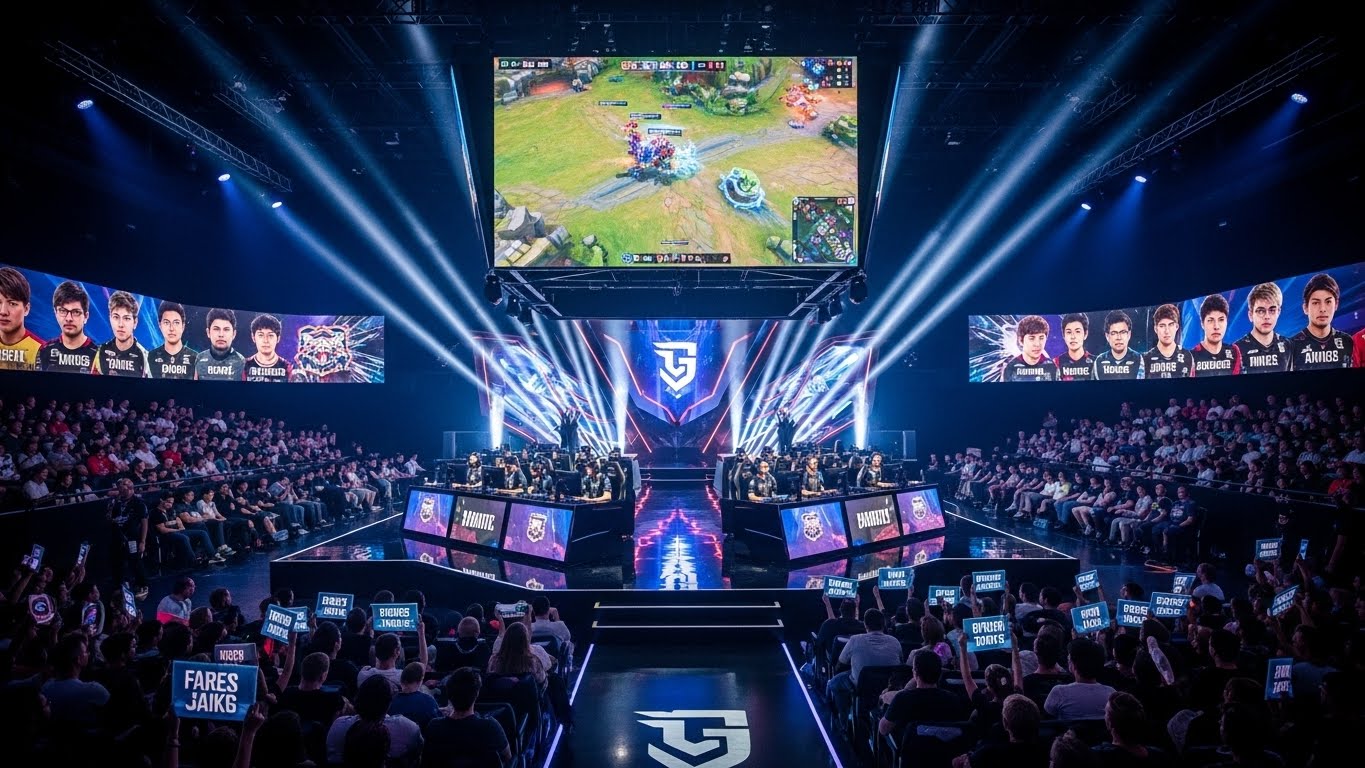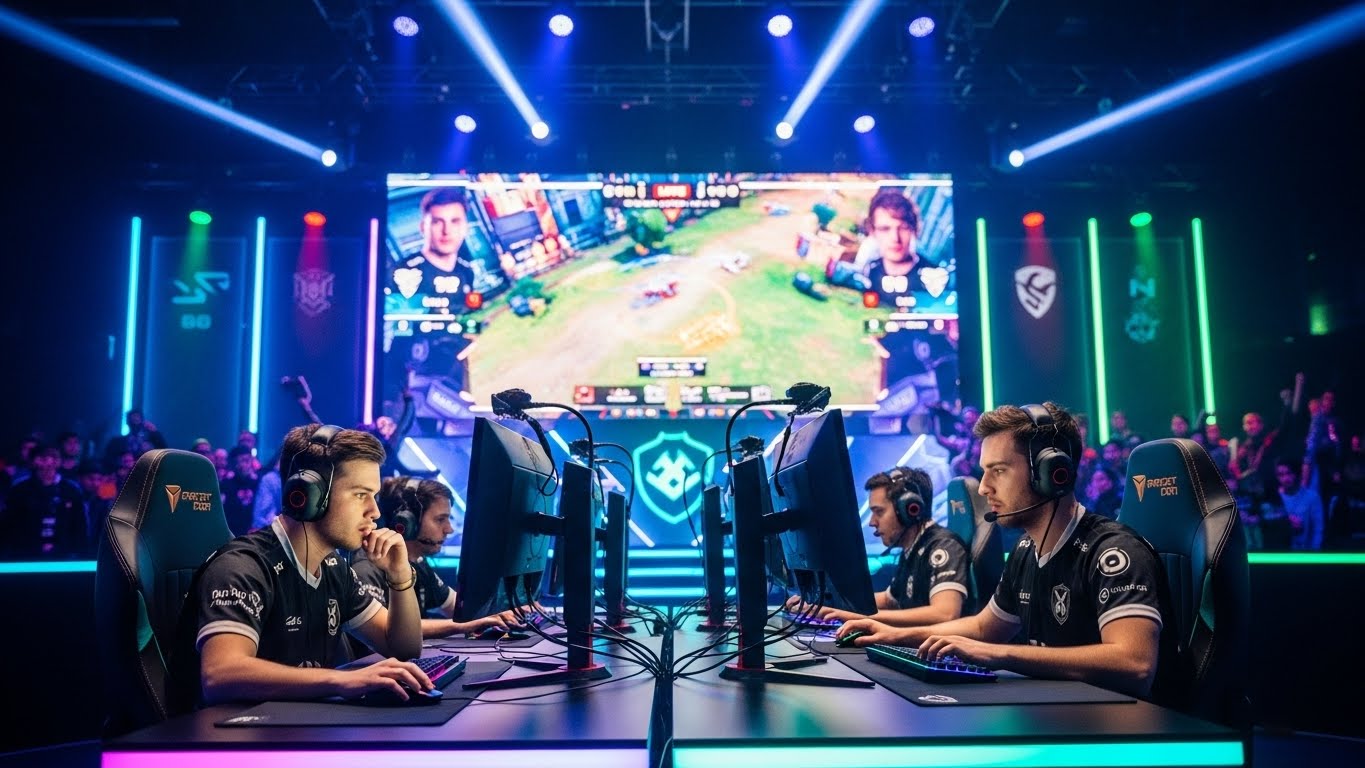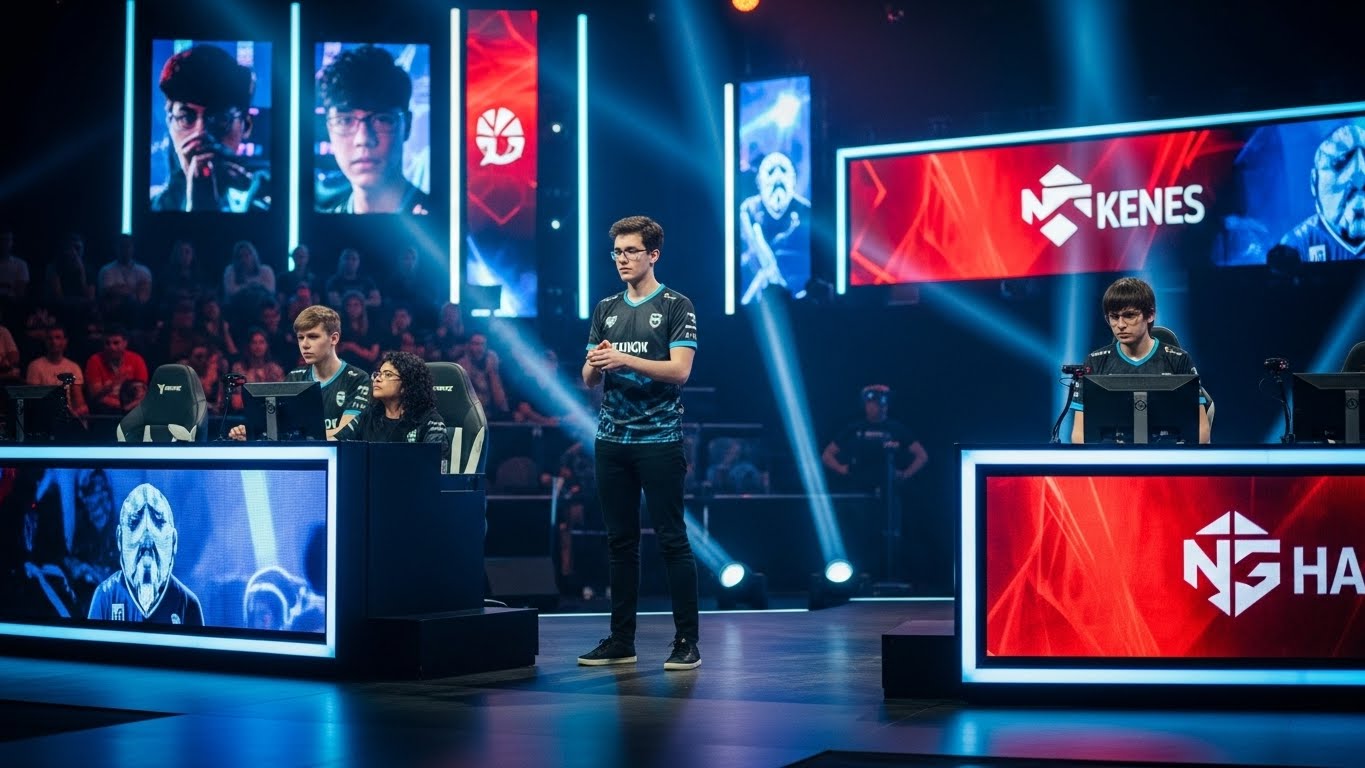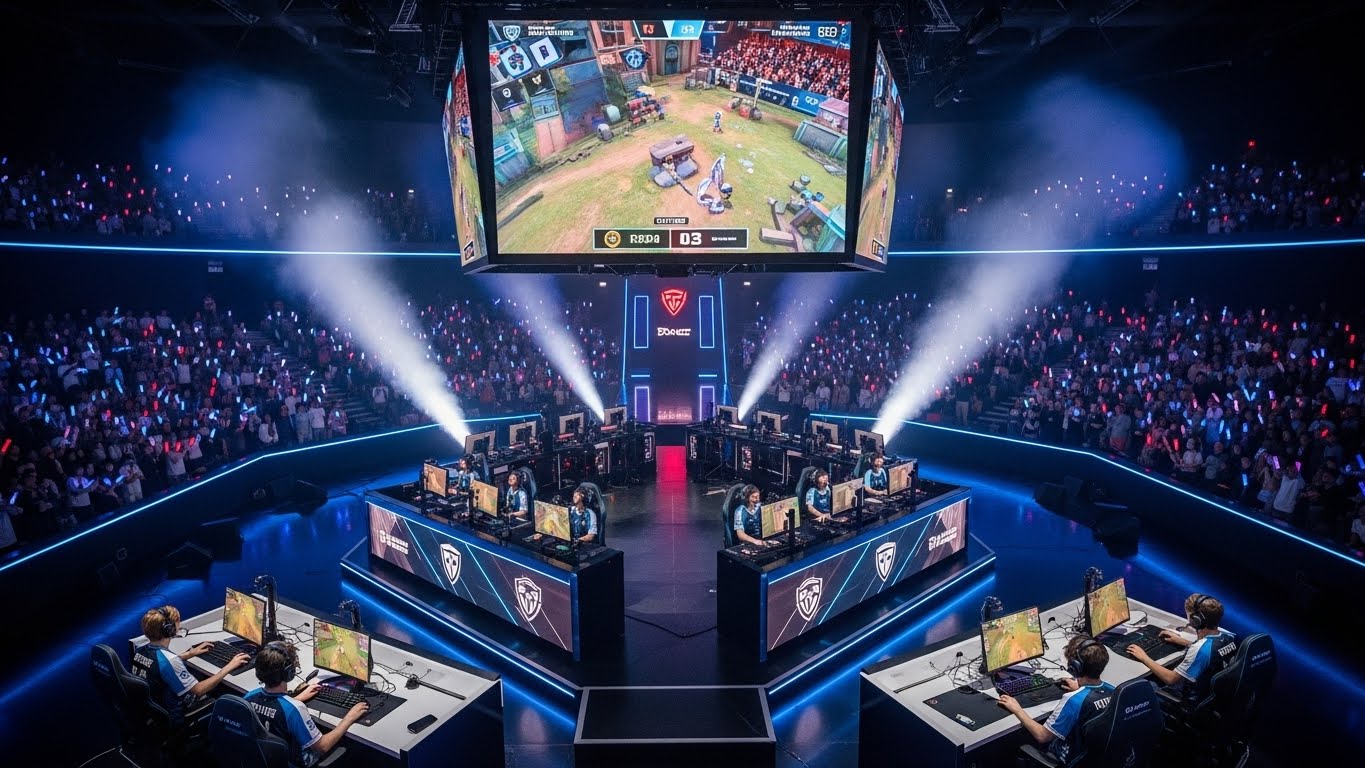
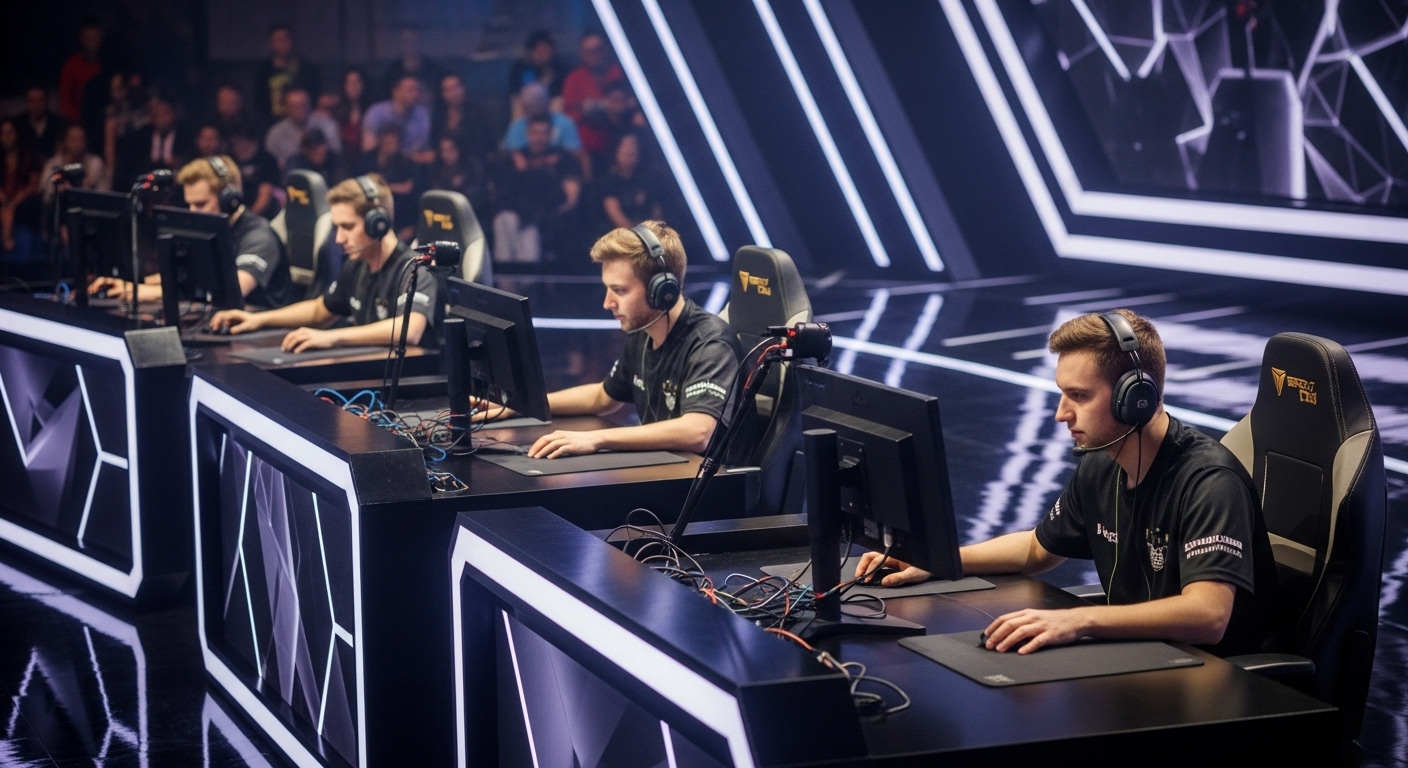
Esports, once a niche hobby for a dedicated subset of gamers, has become a global phenomenon that is reshaping the landscape of entertainment and sports. From humble beginnings in small LAN parties and local tournaments, competitive gaming has blossomed into a multi-billion-dollar industry with millions of fans, professional players, and global competitions. This post explores the journey of esports, its growing impact on society, and its future as a dominant force in entertainment.
What is Esports?
Esports, short for electronic sports, refers to organized, multiplayer video game competitions, particularly between professional players, individually or as teams. While video gaming itself has existed for decades, esports specifically denotes competitive gaming at a professional level. These tournaments feature popular video games that are often played in front of large audiences, both online and in person. The most popular genres in esports include first-person shooters (FPS), multiplayer online battle arenas (MOBAs), real-time strategy (RTS) games, and even sports simulation games.
Unlike casual gaming, where individuals play for fun or relaxation, esports is driven by a competitive spirit. Players, organizations, and fans are all deeply involved in creating a dynamic ecosystem around these games. What started as a few tournaments in the 90s has evolved into a vibrant industry with sponsorships, media coverage, and professional leagues, rivaling traditional sports in many respects.
The Early Days of Esports: From LAN Parties to International Tournaments
The roots of esports can be traced back to the early 1990s when competitive gaming was mostly a grassroots, underground activity. The rise of personal computers and the internet paved the way for competitive multiplayer gaming. In the early days, players gathered in “LAN parties,” where they would connect their computers to a local network and compete in games like Doom, Warcraft, and Quake.
By the late 1990s, tournaments began to emerge, with the first major international competitions such as the Red Annihilation tournament in 1997, which was organized around Quake. Esports began to take its first steps toward becoming a recognized competitive activity, but it wasn’t until the early 2000s that the industry really began to grow, thanks to titles like StarCraft, Warcraft III, and Counter-Strike. These games helped establish esports as an industry, and the creation of the Electronic Sports League (ESL) in 2000 provided a formal structure to the competitions.
One of the biggest breakthroughs came in 2003 with the launch of the World Cyber Games (WCG), which attracted players from all over the globe. This event was one of the first to showcase the potential for esports to be a truly international event, with large prize pools and an audience spanning multiple countries.
The Growth of Esports: Mainstream Recognition and Professionalization
As the popularity of esports grew, so did the professionalization of the industry. Major game developers began to recognize the potential of esports as a marketing tool, and they started supporting competitive play. Companies like Blizzard Entertainment, Valve Corporation, and Riot Games invested in building infrastructure around their games, fostering competitive communities, and organizing official tournaments.
One of the most significant milestones in the rise of esports came in 2011 when League of Legends was released. This Multiplayer Online Battle Arena (MOBA) game quickly became a cornerstone of the esports industry. Riot Games not only developed League of Legends into a highly competitive game but also created an entire league system, which later became the League of Legends Championship Series (LCS). This model of creating professional leagues around a game would become the blueprint for future esports competitions.
The growth of streaming platforms like Twitch and YouTube also played a huge role in popularizing esports. In 2011, Twitch launched as a platform dedicated to live streaming video game content, including esports tournaments. Twitch became the go-to destination for esports fans, providing a space to watch live competitions, interact with players and other fans, and build communities. As the viewership of esports events grew, so did the opportunities for advertisers and sponsors.
In 2013, The International, a Dota 2 tournament organized by Valve, set a new precedent in esports prize pools, with a purse that exceeded $2 million. This massive cash prize marked a turning point, demonstrating that esports could rival traditional sports in terms of both audience engagement and financial rewards. Since then, prize pools for major events have continued to grow, and the appeal of competitive gaming has only increased.
The Esports Ecosystem: Key Players and Components
Esports is an intricate ecosystem made up of many components that work together to create a thriving industry. Here are some of the key players involved in the esports world:
1. Professional Players
At the heart of esports are the professional players who dedicate their time and skills to competing at the highest level. These athletes are often highly specialized in one or more games and spend hours every day practicing, studying gameplay strategies, and competing in online and offline events. Like traditional sports athletes, esports players rely on coaches, analysts, and team managers to help them maximize their performance.
The career of an esports player can be short due to the intense competition, with many players peaking in their early 20s. However, successful players can make a lucrative living through tournament winnings, sponsorships, and streaming. Some top-tier esports players are able to earn millions of dollars a year.
2. Teams and Organizations
Esports teams are professional organizations that sign players to represent their brand in various tournaments. These teams often compete in multiple games, creating an extensive roster of players. Teams like Cloud9, Team Liquid, T1, and Fnatic have become household names in esports, with huge fanbases and sponsorship deals.
Esports organizations not only provide financial support to their players but also offer infrastructure, coaching, and training to help them succeed. Just like in traditional sports, these teams organize practice sessions, analyze gameplay, and work with psychologists to improve their players’ mental strength.
3. Sponsors and Advertisers
Sponsors are a crucial component of the esports industry. Brands from all sectors, including technology, automotive, energy drinks, and clothing, have recognized the immense value of esports as a marketing platform. Companies like Intel, Coca-Cola, Red Bull, and Nike have all partnered with esports teams and tournaments, contributing significant revenue streams for the industry.
The esports audience is predominantly young, tech-savvy, and engaged, making it an attractive demographic for brands to target. Sponsors benefit from exposure during live broadcasts, social media mentions, and event activations. In return, esports organizations and players gain the financial support they need to thrive.
4. Fans and Viewership
The fanbase of esports is a crucial driving force behind the industry’s success. Esports fans are incredibly passionate and dedicated, often following their favorite players and teams through online streaming platforms, social media, and fan communities. The rise of platforms like Twitch, YouTube Gaming, and Facebook Gaming has allowed fans to interact with players in real-time and watch major events from anywhere in the world.
Esports fans are known for their loyalty and engagement, often purchasing merchandise, attending live events, and participating in online forums and chats. Major esports tournaments attract millions of viewers, with some events, like the League of Legends World Championship, drawing more viewers than the Super Bowl.
5. Game Developers
Game developers play a central role in the esports ecosystem. Without the games themselves, there would be no competitive scene. Companies like Riot Games (League of Legends), Valve (Dota 2), and Blizzard Entertainment (Overwatch) actively support esports by organizing tournaments, developing competitive features, and providing financial backing.
Developers also help maintain balance in the games, ensuring that no character or strategy becomes overpowered and disrupts fair competition. They regularly release updates and patches that can alter gameplay mechanics, keeping the competitive scene fresh and dynamic.
The Financial Impact of Esports
Esports has evolved from a fringe hobby to a multi-billion-dollar industry. In 2023, the esports market is projected to generate over $1 billion in revenue, driven by sponsorships, media rights, merchandise sales, and ticket sales to live events. The growth of esports has attracted investments from major players in the entertainment and sports industries, including traditional sports franchises like the NBA, NFL, and soccer teams.
Esports tournaments, particularly those with large prize pools, have become major events in their own right, with millions of dollars at stake. This has led to lucrative sponsorship deals for players, teams, and tournament organizers, as well as opportunities for advertisers to reach an engaged audience.
The Future of Esports: A Global Entertainment Powerhouse
Looking ahead, esports is poised for even greater growth. The increasing mainstream acceptance of gaming, the expansion of mobile esports, and the potential of virtual reality (VR) and augmented reality (AR) gaming are all factors that could shape the future of competitive gaming.
Esports will continue to blur the lines between traditional sports and digital competition, with more collaborations between esports organizations and traditional sports teams. Major networks are beginning to broadcast esports events, and some even view esports as the future of televised entertainment.
The integration of esports into educational institutions, with the rise of collegiate esports programs, will further legitimize esports as a career path for young people. Additionally, innovations in broadcasting technology, such as 4K streaming, VR experiences, and interactive fan engagement, will make esports more immersive than ever.
In conclusion, esports has come a long way from its early days as a hobby and has firmly established itself as a key part of modern entertainment. With a growing fan base, increasing sponsorship opportunities, and a promising future, esports is set to continue its meteoric rise, and its impact on global culture and entertainment will only grow stronger.