Introduction
Esports, short for electronic sports, has transformed from a niche pastime into a global phenomenon. Once considered merely a hobby for gamers, it has now become one of the most exciting and profitable industries in the entertainment world. The rise of esports has blurred the lines between traditional sports and digital competition, attracting millions of fans, sponsors, and professional players. With tournaments offering multi-million-dollar prize pools and teams signing endorsement deals like major sports franchises, esports is no longer an underground culture—it’s a mainstream spectacle shaping the future of sports and entertainment.
The Early Days of Esports
The roots of esports can be traced back to the late 20th century when video games first started becoming popular in arcades and homes. The first recognized competitive gaming event took place in the early 1970s, where students competed in a simple game for fun and minor rewards. However, at that time, the concept of professional gaming didn’t exist. As technology advanced and the internet became widespread, players from different parts of the world could connect and compete in real time. This shift laid the foundation for esports as we know it today.
By the late 1990s and early 2000s, the popularity of games like StarCraft, Counter-Strike, and Warcraft III brought communities together. South Korea became the hub of competitive gaming, broadcasting matches on television and producing the first wave of professional gamers. This early momentum spread worldwide, creating a new form of competition where skill, strategy, and teamwork mattered as much as physical fitness does in traditional sports.
The Growth of Esports as an Industry
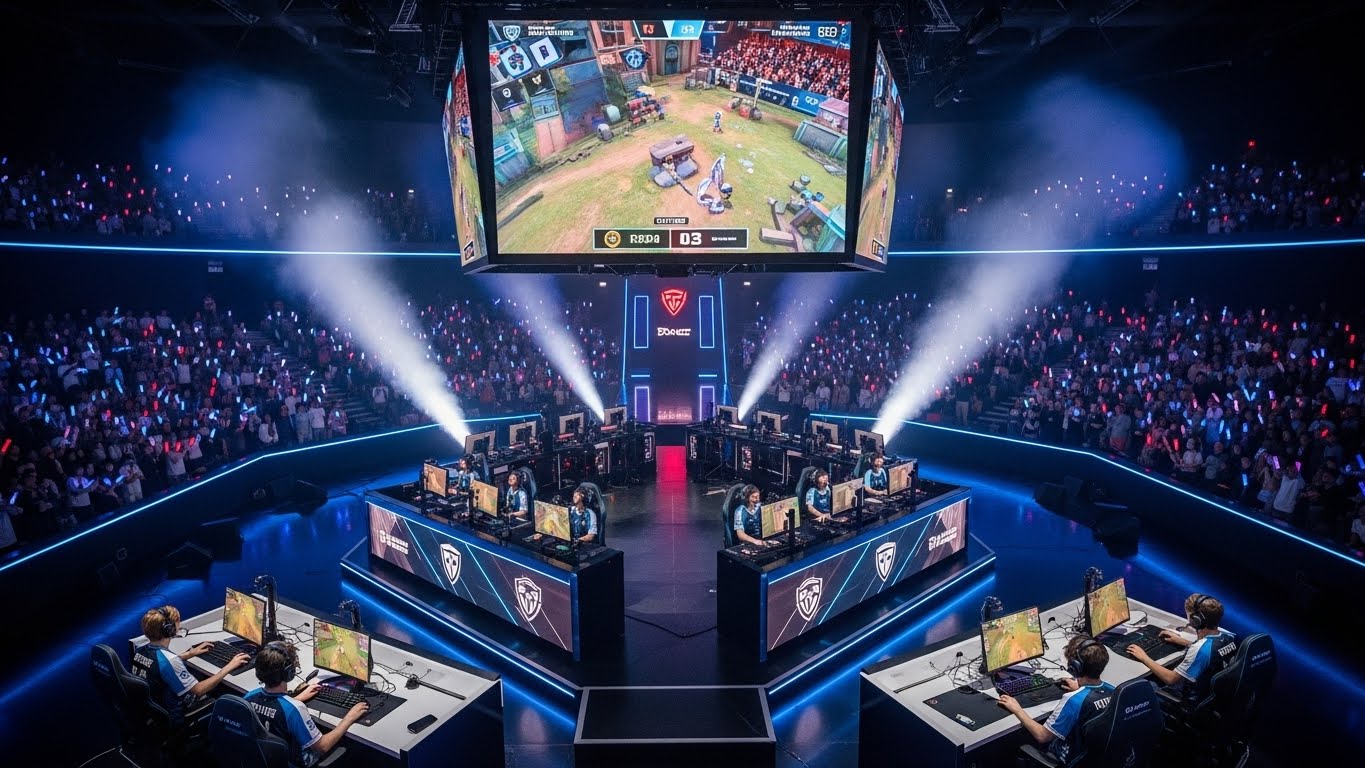
The growth of esports has been nothing short of remarkable. What started as small community tournaments in local internet cafes has grown into massive global events filling entire stadiums. The business side of esports began to flourish as sponsors, advertisers, and investors saw the potential in this growing market.
Esports organizations emerged, signing professional players and building teams for different game titles. These organizations function much like traditional sports clubs, offering training facilities, coaches, analysts, and mental health support to ensure optimal performance. Games such as League of Legends, Dota 2, and Counter-Strike: Global Offensive became household names in the competitive gaming scene. The International, the annual Dota 2 tournament, regularly offers prize pools exceeding tens of millions of dollars, showcasing the scale of this industry.
Streaming platforms played a vital role in the growth of esports. Websites that allowed fans to watch live matches, interact with players, and follow their favorite teams became central to the esports ecosystem. The audience engagement created a sense of community and excitement that rivaled traditional sports broadcasting.
Esports and Traditional Sports: A Modern Comparison
It is often debated whether esports can truly be called a sport. Critics argue that esports lacks the physical exertion associated with athletics, while supporters highlight that esports demands mental endurance, reflexes, coordination, and strategic thinking. The similarities are undeniable. Both require discipline, teamwork, dedication, and practice to achieve mastery.
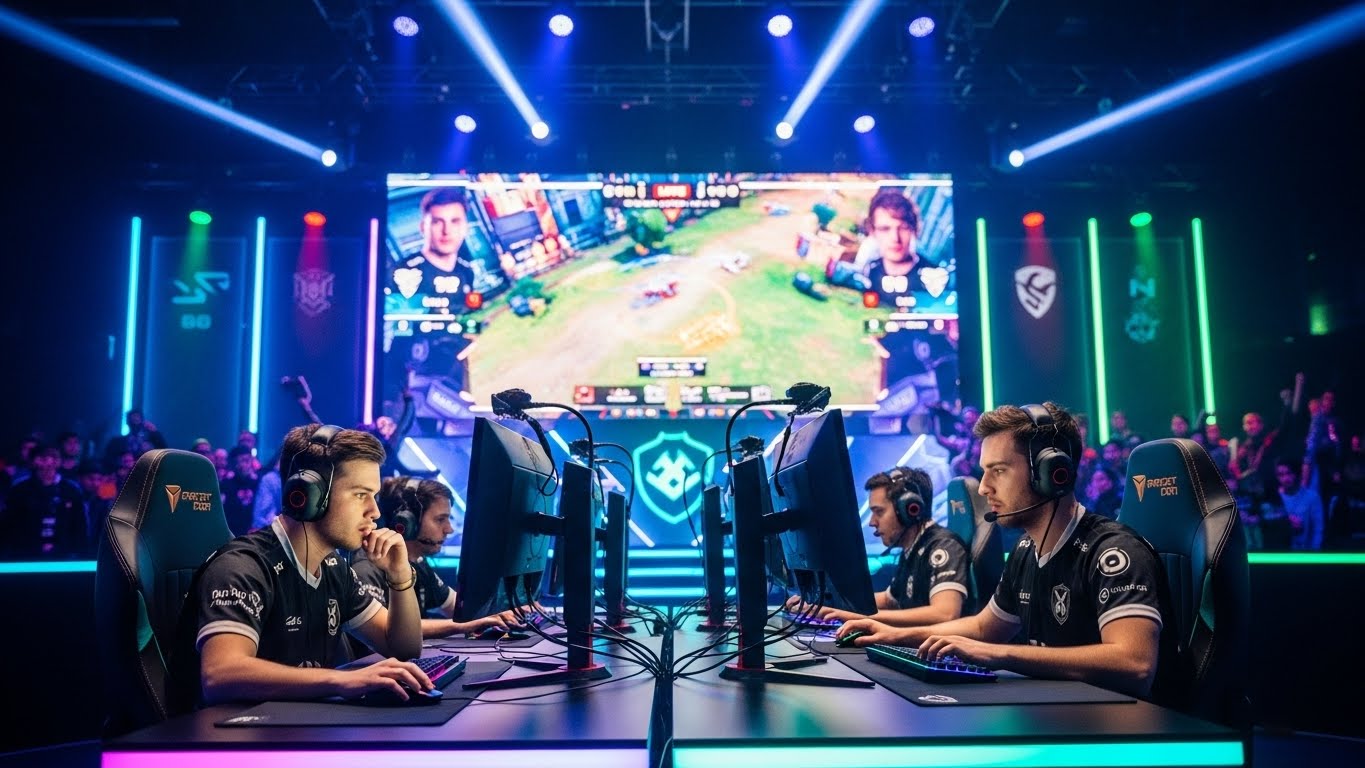
In traditional sports, athletes spend hours training their bodies, studying tactics, and learning from past matches. Similarly, esports players dedicate countless hours honing their mechanical skills, mastering game strategies, and analyzing opponents. The teamwork and communication among esports teams mirror those seen in sports like football or basketball.
Major sporting organizations and franchises have also recognized the potential of esports. Several football clubs, basketball teams, and even Olympic committees have begun integrating esports divisions, acknowledging its growing influence among younger audiences. This partnership between traditional sports and esports signifies a mutual respect and a shared goal—to entertain and inspire through competition.
The Role of Technology in Esports Expansion
Technology has always been the driving force behind esports. Every advancement in hardware, software, and network infrastructure has contributed to making the experience smoother and more immersive. High-performance gaming PCs, fast internet connections, and sophisticated broadcasting tools have made it possible to host tournaments with millions of simultaneous viewers around the globe.
The development of virtual reality (VR) and augmented reality (AR) promises to further revolutionize esports. Imagine a world where spectators can experience the game from a player’s perspective, moving through digital landscapes as if they were part of the competition. Similarly, advancements in artificial intelligence and data analytics help teams evaluate performance, strategize more effectively, and improve overall gameplay.
Cloud gaming is another innovation pushing esports forward. It eliminates hardware limitations, making high-quality games accessible to anyone with an internet connection. This democratization of gaming expands the talent pool, allowing players from underrepresented regions to participate in global tournaments without requiring expensive equipment.
Esports as a Career
The idea of gaming as a career was once met with skepticism. Parents and educators often dismissed it as an unproductive hobby. However, the modern esports landscape has proven that it can be a viable and rewarding profession. Professional players earn salaries, win prize money, and gain sponsorships comparable to athletes in traditional sports.
Beyond players, esports offers numerous career opportunities. Commentators, analysts, event organizers, coaches, content creators, and marketing professionals all play essential roles in the ecosystem. Educational institutions have also recognized this growth, with many universities offering scholarships and courses in esports management, game design, and broadcasting.
Streaming has opened new doors for individuals who may not compete professionally but still wish to build a brand in gaming. Streamers and content creators often attract massive audiences, generating income through advertising, donations, and sponsorship deals. This combination of entertainment and competition has solidified esports as both a sport and a cultural movement.
The Global Reach of Esports
One of the most remarkable aspects of esports is its universal appeal. Unlike traditional sports that may depend on geography or weather, esports transcends physical boundaries. Players from Asia, Europe, North America, and beyond compete on the same virtual stage. This inclusivity has created a truly global community where talent can emerge from anywhere.
Countries like South Korea, China, and the United States have dominated the esports scene, but emerging regions such as Southeast Asia, the Middle East, and Latin America are rapidly gaining ground. Esports events attract international audiences, and fans support teams from different continents, creating a sense of global unity through digital competition.
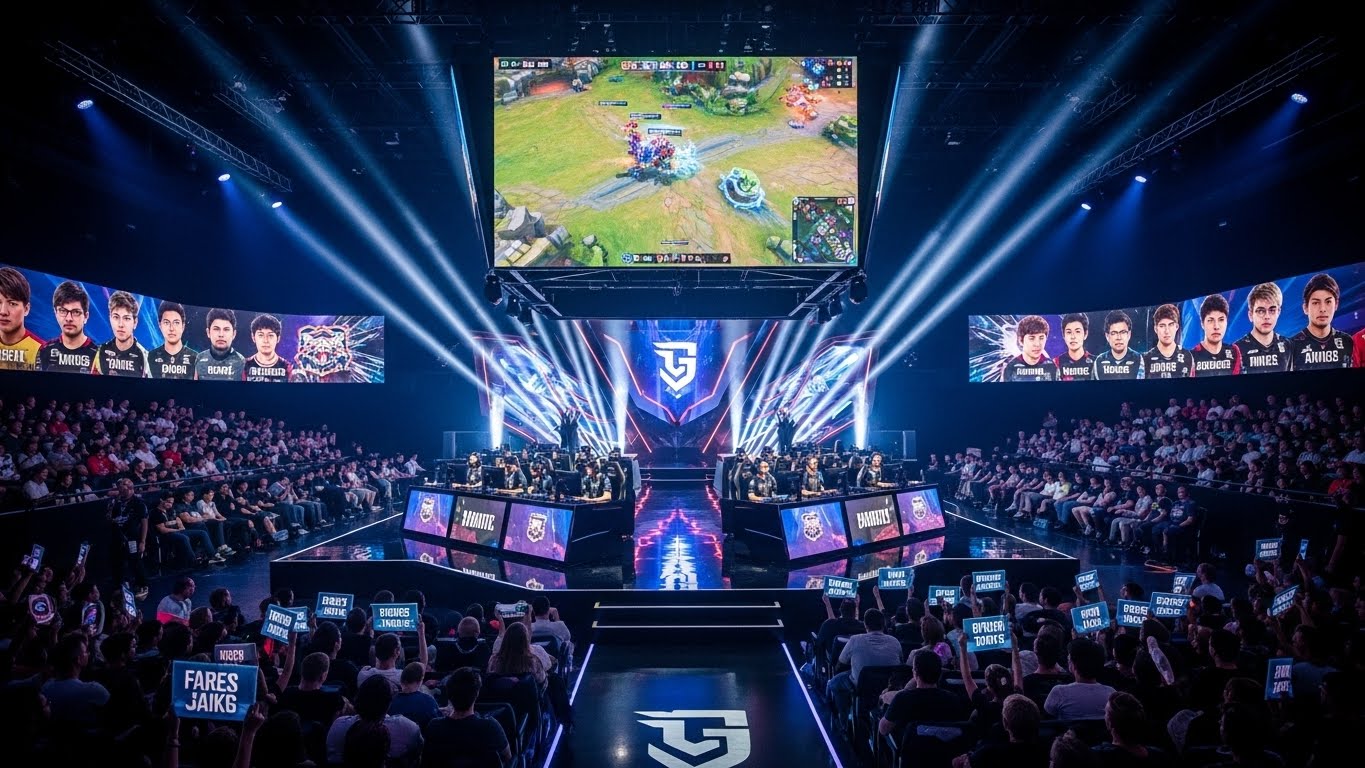
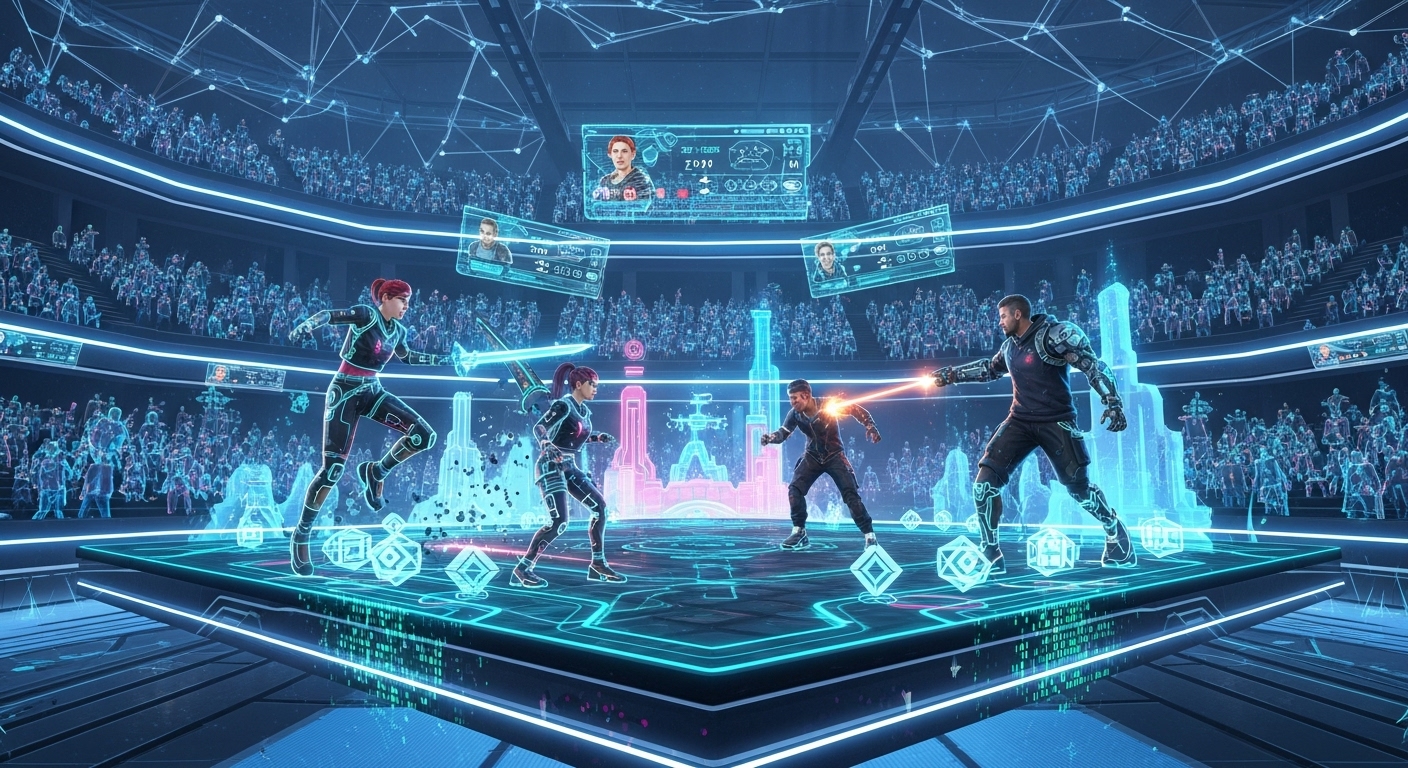
Large-scale tournaments, often hosted in major cities, draw fans from across the world. These events blend gaming with entertainment, featuring live music, celebrity appearances, and fan interactions. The electrifying atmosphere of an esports arena filled with cheering fans rivals that of any football or basketball game.
The Psychological and Social Impact of Esports
Esports is not only about competition; it also has profound psychological and social effects. For many young people, gaming provides a sense of belonging and identity. Online communities form around shared interests, offering friendships and connections that transcend physical boundaries.
Team-based games foster collaboration, communication, and leadership skills. Players learn how to handle pressure, develop resilience, and strategize under high-stress conditions. These traits can be valuable in personal and professional life beyond gaming.
However, like any rapidly growing industry, esports faces challenges. Burnout, mental health issues, and excessive screen time can affect players’ well-being. The pressure to perform at the highest level, constant travel, and online scrutiny can be overwhelming. Fortunately, many organizations now prioritize player welfare, providing access to psychological support and balanced training schedules to ensure long-term health and success.
The Business Side of Esports
Behind every tournament and team lies a complex business structure that sustains the industry. Sponsorships, advertising, ticket sales, and media rights generate significant revenue. Major brands from technology, apparel, and beverage industries have invested heavily in esports, recognizing its marketing potential among young audiences.
Merchandising and digital goods have also become profitable ventures. Fans purchase team jerseys, gaming accessories, and in-game items to show support for their favorite players or teams. Esports organizations operate like major sports clubs, managing budgets, contracts, and brand partnerships to ensure financial stability.
The introduction of franchised leagues in games like Overwatch and League of Legends has added structure and long-term sustainability to competitive gaming. These leagues operate similarly to professional sports leagues, with stable team ownership, scheduled seasons, and regional representation. This model has helped legitimize esports as an industry and provided stability for investors and players alike.
Cultural Influence and Mainstream Recognition
Esports has significantly influenced modern culture. It shapes fashion trends, music, social media content, and even mainstream entertainment. Game soundtracks, character skins, and esports-inspired clothing lines have become symbols of youth culture.
Television networks and streaming platforms now feature esports content alongside traditional programming. Celebrities and athletes invest in esports teams or participate in gaming events, bridging the gap between digital and traditional entertainment. The integration of esports into pop culture has made it more visible and accepted than ever before.
Esports has also changed how people view competition and achievement. The digital era celebrates not only physical talent but also cognitive excellence, creativity, and adaptability. For younger generations, the success of esports professionals serves as proof that passion and skill can lead to extraordinary careers.
Challenges Facing the Esports Industry
Despite its rapid rise, esports faces several challenges that need to be addressed for continued growth. Regulation and standardization remain complex issues. Different games have different rules, tournament structures, and governing bodies, making it difficult to maintain consistency across the industry.
Player exploitation is another concern. Some organizations may impose unfair contracts or fail to provide proper compensation and support. As the industry matures, more emphasis is being placed on transparency, fair wages, and player unions to protect individuals’ rights.
Cheating and match-fixing pose threats to the integrity of esports. Developers and tournament organizers continually invest in anti-cheat technologies and strict enforcement measures to ensure fair play.
Additionally, maintaining diversity and inclusivity remains a priority. While esports is open to everyone, certain communities still face barriers or harassment. Initiatives promoting equality, representation, and safe gaming environments are crucial for the industry’s long-term health.
The Future of Esports
The future of esports looks promising and expansive. With advancements in technology, increased global participation, and growing institutional support, esports is poised to become a cornerstone of modern entertainment. Integration with virtual reality, artificial intelligence, and immersive platforms will redefine how people play and experience games.
Educational and governmental support will also play an essential role in shaping the next generation of esports professionals. Schools and universities will continue to introduce esports programs that emphasize not only competition but also teamwork, strategy, and career development.
As 5G and high-speed internet become more accessible worldwide, more people will participate in online gaming and esports events. The boundaries between spectator and player will continue to blur, creating interactive experiences that engage audiences on a deeper level.
Conclusion
Esports has evolved from a small subculture into a dynamic, global industry that influences entertainment, technology, and society. It represents the perfect blend of competition, creativity, and community, appealing to millions of people across the world. As the lines between digital and physical sports continue to fade, esports stands as a testament to human innovation and passion.
The journey of esports is far from over. It continues to grow, adapt, and inspire new generations of gamers, dreamers, and professionals. Whether you view it as a sport, an art form, or a digital revolution, one thing is undeniable—esports is here to stay, shaping the future of competition and entertainment in the 21st century and beyond.