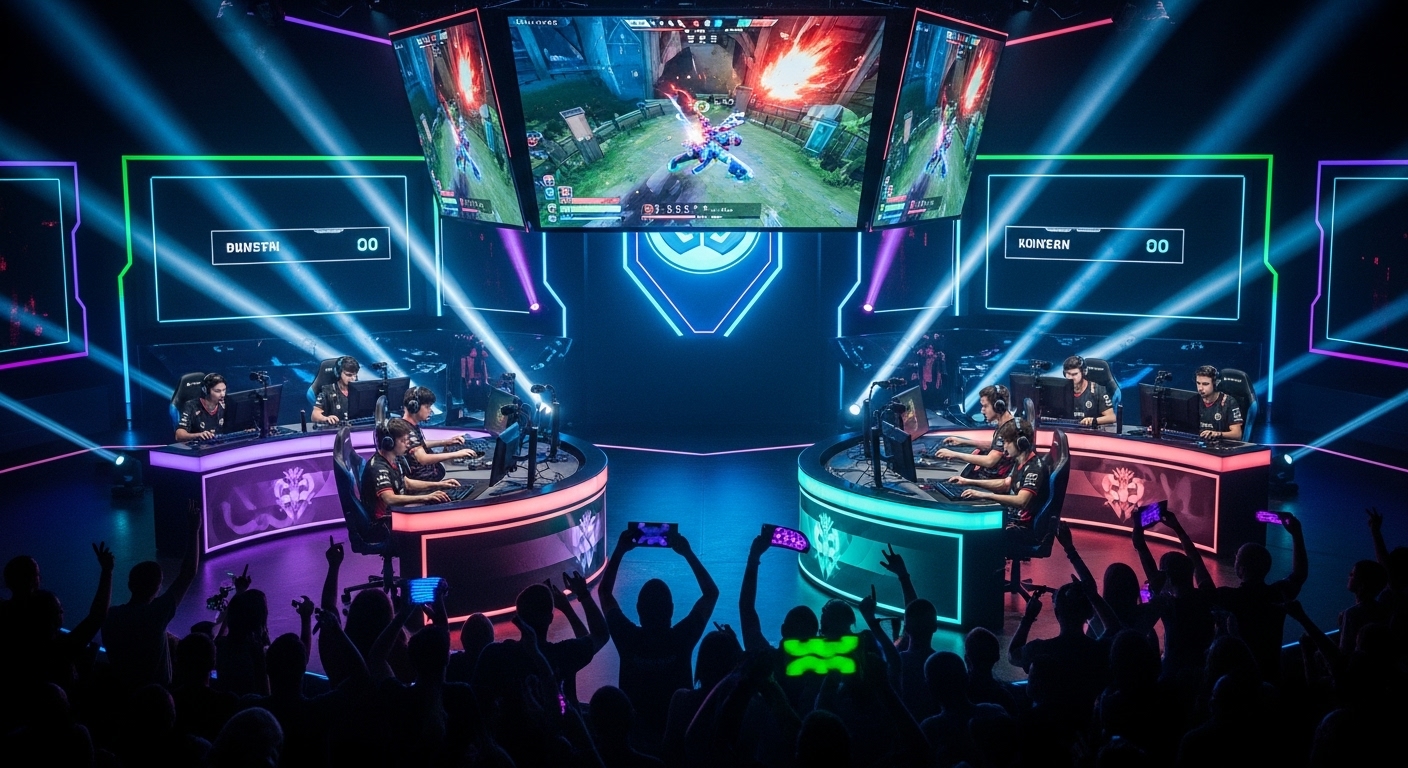
Esports, or competitive video gaming, has transformed from a niche hobby into a worldwide phenomenon that rivals traditional sports in popularity, revenue, and cultural influence. Over the past few decades, esports has grown into a multi-billion-dollar industry, attracting millions of players, fans, and investors. It is a space where skill, strategy, teamwork, and technology converge to create thrilling competition and immersive entertainment. From casual online matches to massive international tournaments held in stadiums, esports has become a legitimate career path, a cultural movement, and a powerful force in shaping the future of entertainment and sports.
What makes esports unique is its combination of gaming culture, professional competition, and fan engagement. Unlike traditional sports, which often require physical prowess, esports relies heavily on reflexes, strategy, coordination, and mental acuity. The rapid growth of digital platforms, streaming services, and social media has enabled esports to reach audiences across the globe, making it more accessible than ever before. It is not just about playing video games; it is about building communities, competing at the highest level, and experiencing shared excitement with fans and players alike.
The Origins of Esports: A Digital Playground
The origins of esports can be traced back to the early days of video gaming. In the late 1970s and early 1980s, arcade competitions and high-score challenges provided the first glimpse of competitive gaming. Classic games like Space Invaders, Pac-Man, and Donkey Kong sparked friendly rivalries as players attempted to top local and national leaderboards. These events, though informal, laid the foundation for organized gaming competitions.
In the 1990s, competitive gaming began to take on a more structured form. The rise of personal computers and multiplayer games like Doom, Quake, and StarCraft allowed players to compete over networks, turning casual matches into serious contests. The introduction of online multiplayer platforms created communities where players could compete, strategize, and share experiences. The term “esports” began to emerge as tournaments became more organized, with prizes and sponsorships adding legitimacy to competitive gaming.
The Rise of Professional Esports
By the early 2000s, esports had begun to establish itself as a professional field. Games like Counter-Strike, Warcraft III, and Dota started attracting large audiences, and tournaments offered substantial cash prizes. Organizations and teams began forming, with players signing contracts and receiving salaries. Countries like South Korea became epicenters of professional gaming, with StarCraft players achieving celebrity status.
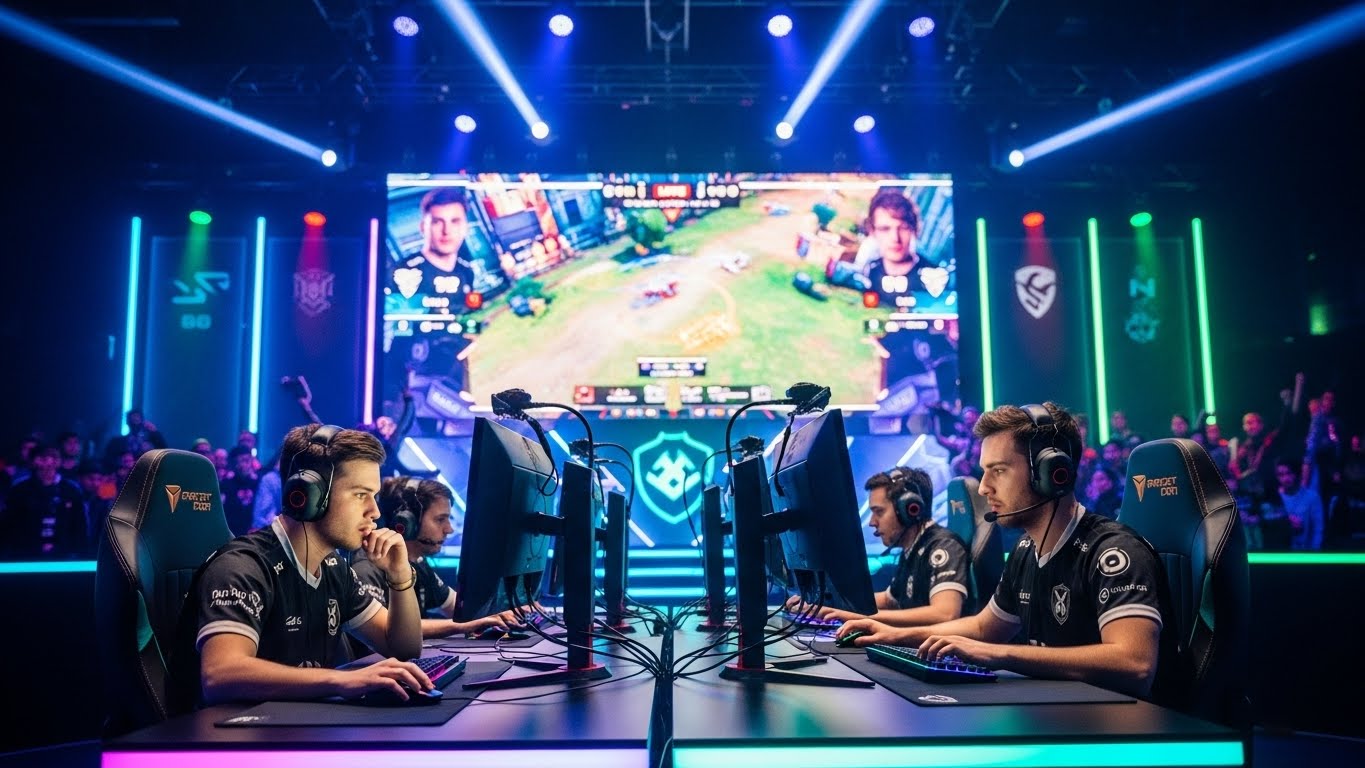
The professionalization of esports also led to specialized training, coaching, and strategy development. Players dedicate hours each day to improving reflexes, teamwork, and in-game decision-making. Analysts study opponents, strategies, and game mechanics, much like traditional sports teams. The result is a highly competitive environment where only the most skilled and disciplined players can rise to the top.
The Role of Streaming and Digital Platforms
The explosion of streaming platforms transformed esports into a global spectacle. Platforms like Twitch, YouTube Gaming, and other live-streaming services allowed fans to watch professional players in real time, interact through chat, and engage with content in new ways. Streaming created opportunities for players to build personal brands, attract sponsorships, and monetize their gameplay beyond tournament winnings.
Streaming also democratized esports. Players no longer need to rely solely on traditional broadcasters or tournament organizers to gain recognition. Amateur and semi-professional gamers can showcase their skills to global audiences, fostering new talent and expanding the esports community. Viewers, in turn, become active participants, offering feedback, cheering on favorites, and forming online communities.
Esports Tournaments: The Thrill of Competition
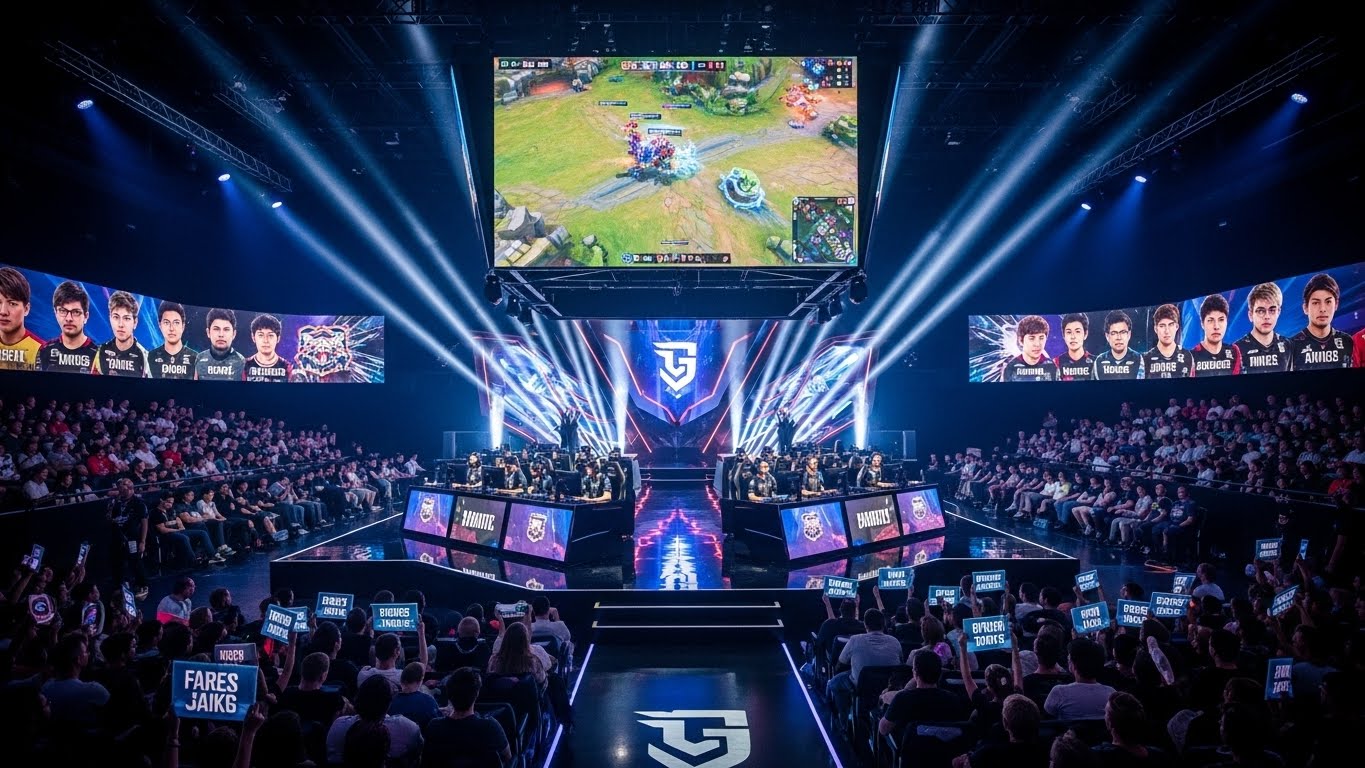
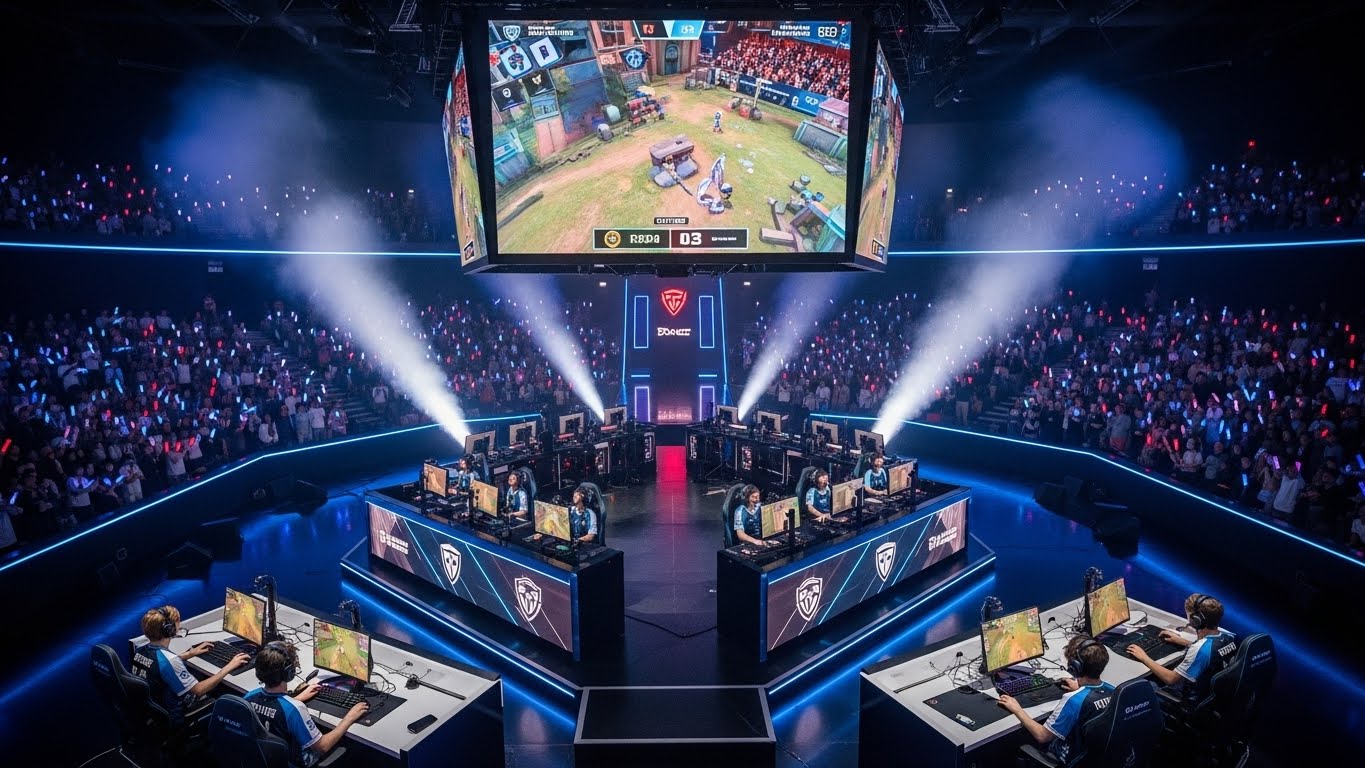
Esports tournaments are the heart of competitive gaming. They bring together the best players from around the world to compete for prestige, prize money, and glory. Major tournaments like The International for Dota 2, League of Legends World Championship, and Fortnite World Cup draw millions of viewers and offer multi-million-dollar prize pools. These events rival traditional sports in scale and excitement.
Tournaments also showcase the strategic depth of esports. Games require quick reflexes, careful planning, and team coordination. Each match is a test of skill, adaptability, and mental resilience. The competitive environment creates narratives of rivalry, underdogs, and champions, much like traditional sports, but with the added dimension of digital strategy and mechanics unique to gaming.
Popular Esports Titles and Genres
The diversity of esports games reflects the industry’s dynamic nature. Multiplayer Online Battle Arenas (MOBAs) like League of Legends and Dota 2 emphasize strategy, teamwork, and map control. First-Person Shooters (FPS) such as Counter-Strike: Global Offensive and Call of Duty focus on precision, reflexes, and tactical positioning. Real-Time Strategy (RTS) games like StarCraft test players’ decision-making and resource management skills. Battle Royale games such as Fortnite and Apex Legends combine survival instincts, strategy, and adaptability.
Each genre offers unique challenges and attracts different types of players and audiences. MOBAs often feature complex mechanics and team coordination, appealing to viewers who enjoy deep strategy. FPS games provide fast-paced action and highlight individual skill, attracting fans who love intense gameplay. Battle Royale games blend strategy and unpredictability, creating dynamic and thrilling competitions. This diversity ensures that esports can cater to a wide range of interests and preferences.
The Cultural Impact of Esports
Esports has grown into a cultural phenomenon that extends beyond gaming. It influences fashion, music, language, and social interaction. Players and teams have fanbases comparable to those of traditional athletes. Merchandise, sponsorships, and branded content contribute to a culture where esports personalities are recognized icons.
The rise of esports has also challenged traditional perceptions of sports and entertainment. It demonstrates that competition, skill, and teamwork are not limited to physical activity. Mental agility, strategic thinking, and coordination are equally important, broadening society’s understanding of what constitutes a sport. Additionally, esports fosters international collaboration and competition, creating a global community united by shared passion.
Esports Careers: Beyond the Player
While professional players are the face of esports, the industry offers numerous career opportunities. Coaches, analysts, commentators, event organizers, marketers, and content creators all contribute to the ecosystem. Tournament organizers plan logistics, production teams manage broadcasts, and social media managers build fan engagement. Esports journalism and streaming content creation are growing fields, providing avenues for those passionate about gaming without being competitive players.
The esports industry also intersects with technology and business. Game development, software engineering, and platform management are crucial for maintaining competitive integrity and viewer experience. Marketing and sponsorships drive revenue and brand growth, while research into game design, analytics, and player behavior informs strategy and training. Esports is not just about playing games—it is a sophisticated, multidisciplinary ecosystem that requires talent, innovation, and organization.
The Globalization of Esports
Esports is a truly global phenomenon. Countries across Asia, North America, Europe, and South America participate in competitive gaming at the highest levels. South Korea is renowned for its professional StarCraft and League of Legends players, while China dominates in games like Honor of Kings and Dota 2. North America and Europe produce top-tier FPS and MOBA players. Emerging regions in Latin America, Southeast Asia, and the Middle East are developing competitive scenes, expanding the global reach of esports.
This globalization fosters cultural exchange and international camaraderie. Players compete against opponents from different backgrounds, adapting to diverse playstyles and strategies. Fans around the world cheer for teams and players from distant countries, creating a shared experience that transcends language and borders. Esports has become a universal language, uniting people through a shared love of gaming.
Esports and Technology: A Symbiotic Relationship
Technology drives esports, and esports drives technological innovation. High-performance hardware, fast internet connections, streaming platforms, and advanced analytics tools all contribute to the growth of competitive gaming. Players rely on cutting-edge gaming peripherals, monitors with high refresh rates, and low-latency networks to perform at their best.
Technology also enables innovative ways to consume and interact with esports. Live streaming, virtual reality experiences, augmented reality overlays, and AI-driven analytics enhance both viewing and playing experiences. Data analysis allows teams to study opponents, optimize strategies, and refine gameplay. The synergy between technology and esports ensures continuous innovation and growth.
The Future of Esports
The future of esports is expansive and promising. The industry is expected to grow in revenue, viewership, and cultural influence. Virtual reality, augmented reality, and cloud gaming will create new immersive experiences for players and fans. AI-driven coaching and analytics will refine training and strategies, raising the level of competition. International tournaments will continue to attract larger audiences, rivaling traditional sporting events in spectacle and excitement.
Esports will also continue to integrate with mainstream media, entertainment, and education. Universities and schools are offering esports programs and scholarships, recognizing the skill, strategy, and teamwork involved. Esports may also influence traditional sports, inspiring new forms of competition and fan engagement. The industry is poised to expand beyond gaming into entertainment, lifestyle, and technology.
Conclusion: The Unstoppable Rise of Esports
Esports has evolved from casual arcade competitions into a global, multi-billion-dollar industry that shapes culture, technology, and entertainment. It is a space where skill, strategy, and creativity converge, creating experiences that captivate players and fans alike. The growth of professional leagues, streaming platforms, and international tournaments has elevated esports to a legitimate career path and cultural movement.
The industry’s future is bright, fueled by technology, global connectivity, and the passion of players and fans. Esports demonstrates that competition, excitement, and storytelling are not confined to traditional sports—they exist wherever talent, dedication, and innovation meet. As esports continues to evolve, it will remain a powerful force, inspiring creativity, building communities, and redefining what it means to compete in the modern world.
Esports is more than just gaming—it is a revolution, a culture, and a global stage where imagination, skill, and determination come to life.