Introduction
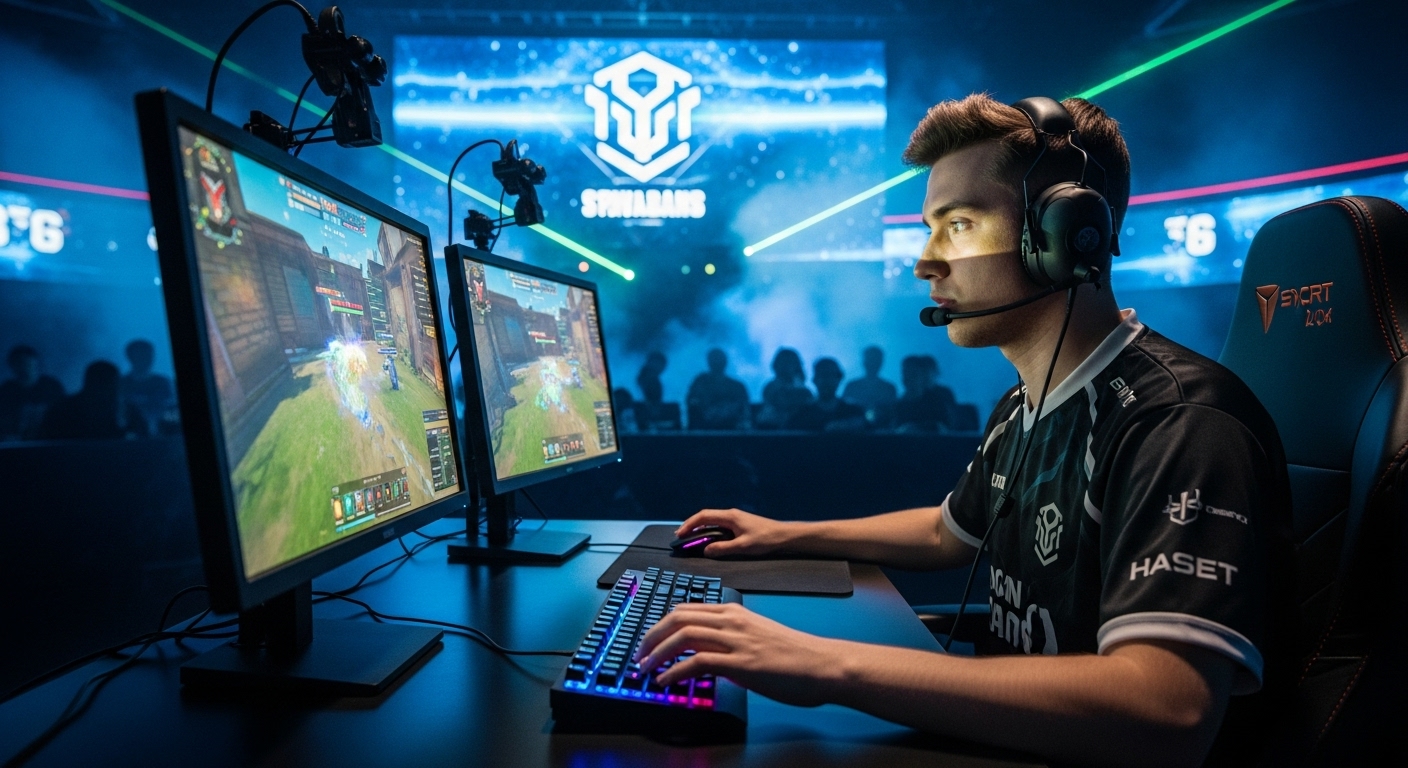
Esports, short for electronic sports, has transformed from a niche hobby into one of the most influential industries in the modern entertainment landscape. What began as small-scale video game competitions among friends or local communities has evolved into a global phenomenon attracting millions of viewers, professional players, and substantial financial investment. The story of esports is not just about gaming; it is about culture, technology, competition, and community. It represents the merging of digital innovation and human passion for challenge and excellence.
The Origins of Competitive Gaming
The roots of esports can be traced back to the early 1970s, long before modern consoles and gaming PCs existed. The first known video game competition took place in 1972 at Stanford University, where students competed in a game called Spacewar. The prize was a year’s subscription to a magazine, but the event marked the birth of organized video game competition. Through the 1980s and 1990s, the gaming industry began to grow, with arcade machines, home consoles, and early PC games offering more ways for people to play competitively.
Titles such as Pac-Man, Donkey Kong, and Street Fighter became staples of early gaming tournaments. These events were small in scale, often held in arcades or local gaming shops, but they laid the groundwork for a culture that valued skill, timing, and precision. The 1990s marked the next stage, when the internet began to connect players across the world. Games like Doom and Quake introduced online multiplayer modes, leading to the creation of competitive scenes that transcended geographic barriers.
The Internet Era and the Birth of Professional Esports
The late 1990s and early 2000s were revolutionary years for competitive gaming. The introduction of broadband internet made online play more accessible, and new genres of games were specifically designed for competition. Real-time strategy titles like StarCraft became immensely popular, especially in South Korea, where esports began to gain official recognition. Players started to train rigorously, forming professional teams and competing in televised tournaments.
In other regions, first-person shooters like Counter-Strike and Halo dominated the competitive scene, while games such as Warcraft III and Dota became early examples of team-based strategy and coordination. The establishment of professional leagues, sponsorship deals, and dedicated gaming arenas signaled that esports was becoming more than just a pastime—it was a viable profession.
The Global Expansion of Esports
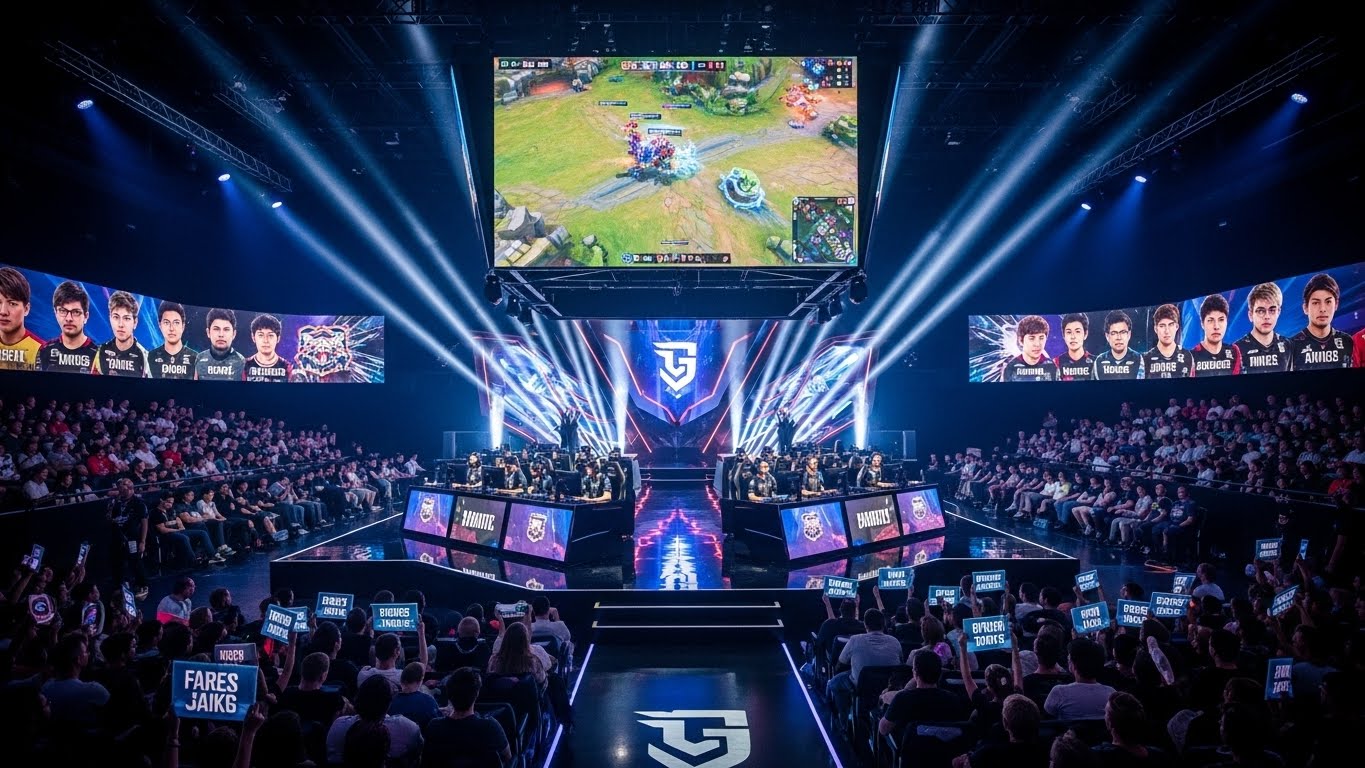
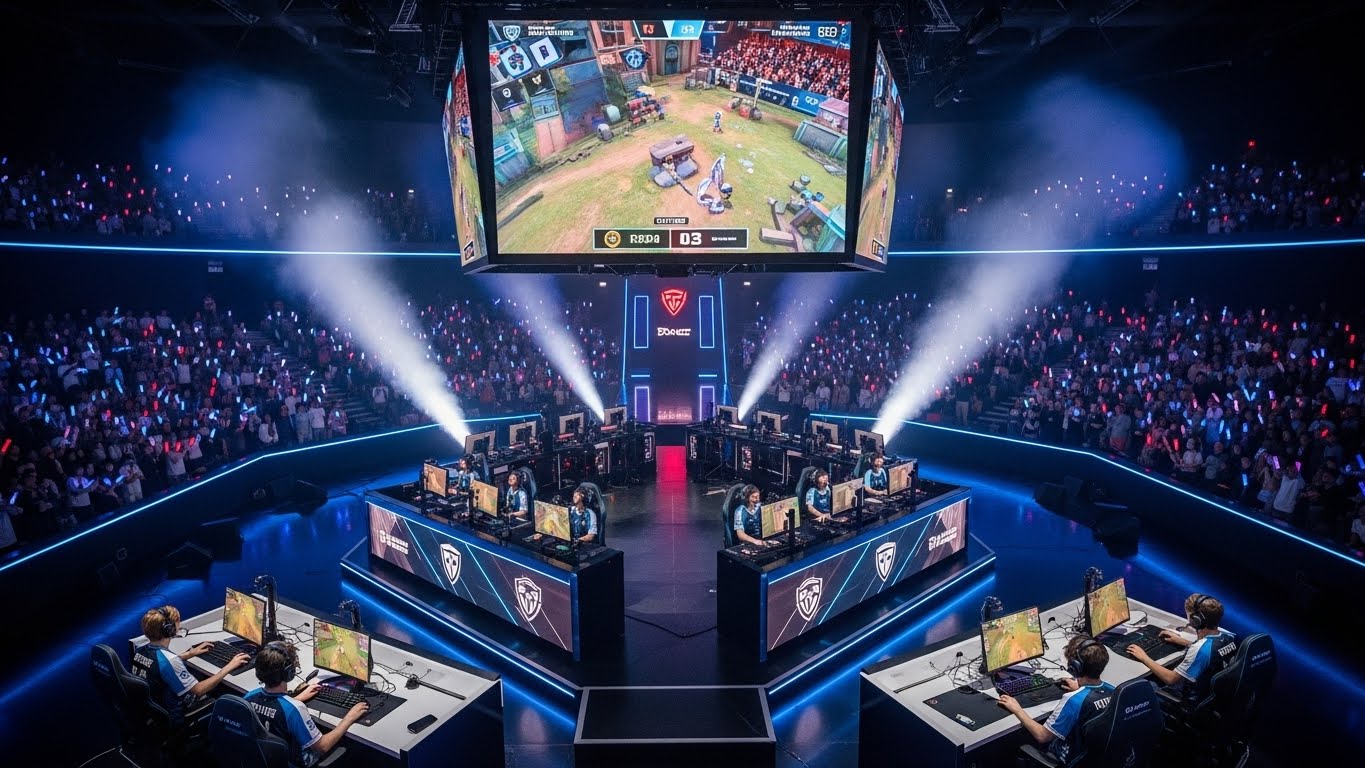
By the 2010s, esports had become a truly global phenomenon. Major tournaments attracted international audiences both online and in physical venues. Events like The International for Dota 2, the League of Legends World Championship, and the Intel Extreme Masters series drew millions of live viewers and offered prize pools worth millions of dollars.
The role of streaming platforms such as Twitch and YouTube Gaming was crucial in this expansion. These platforms allowed anyone to watch live esports matches, learn from professional players, and engage with gaming communities in real time. Fans could now follow their favorite players and teams, much like traditional sports fans follow football or cricket. This direct access to content made esports more personal and interactive.
The Structure of Modern Esports
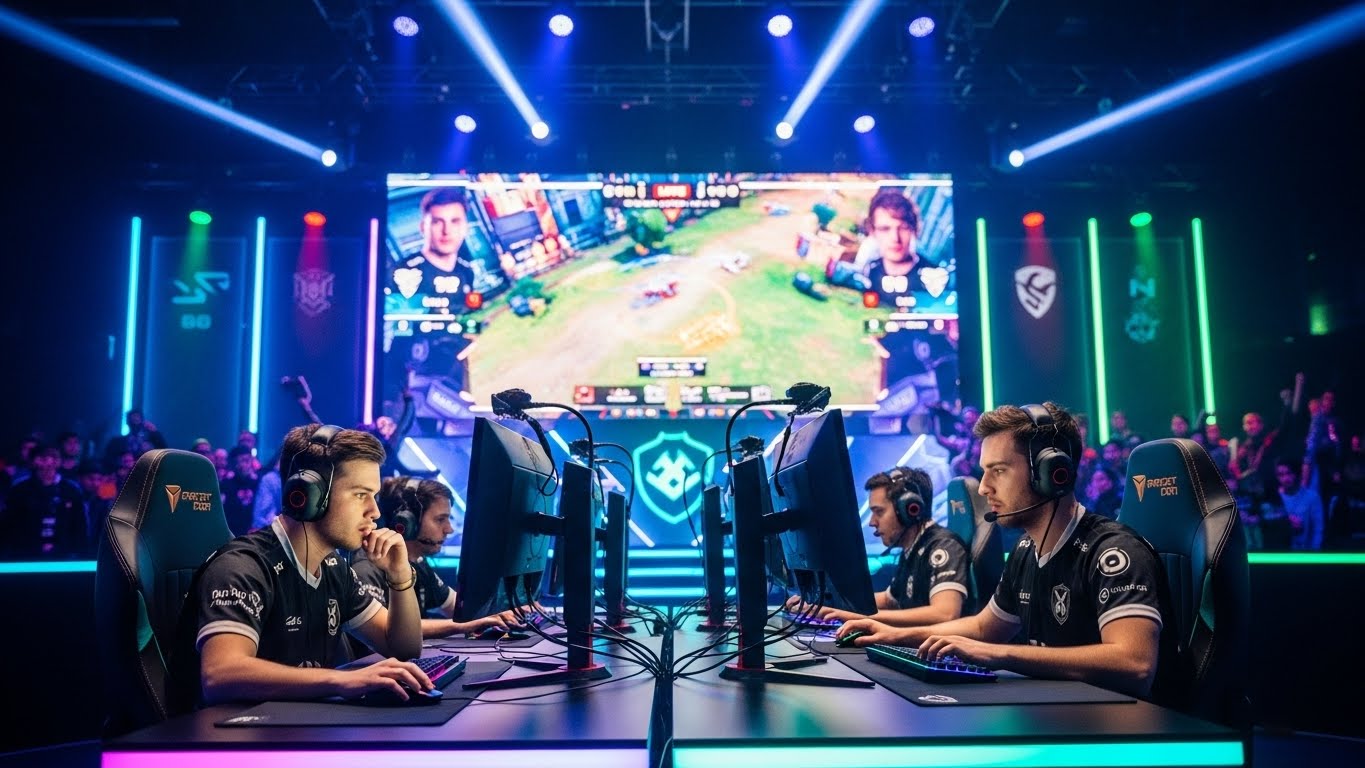
Modern esports operates with a level of organization comparable to traditional sports leagues. Professional players sign contracts with teams, practice for several hours a day, and participate in leagues or seasonal tournaments. These teams often have managers, coaches, analysts, and sponsors who help improve performance and ensure financial stability.
The most popular esports titles today cover a variety of genres. Multiplayer Online Battle Arenas (MOBAs) like League of Legends and Dota 2 emphasize teamwork and strategy. First-person shooters like Counter-Strike: Global Offensive, Valorant, and Call of Duty test reflexes and precision. Battle royale games such as Fortnite and PUBG focus on survival and adaptability, while sports simulators like FIFA and NBA 2K bring traditional sports into the digital world. Each of these games has built its own ecosystem, complete with professional leagues, fan bases, and content creators.
The Economic Impact of Esports
Esports is now a multi-billion-dollar industry that influences numerous sectors, from technology and media to education and marketing. Sponsors and advertisers recognize the power of reaching younger audiences through esports platforms. Major brands from energy drinks to car manufacturers invest heavily in esports events, team sponsorships, and digital campaigns.
Prize pools for major tournaments have reached astonishing levels. The International 2019, for example, offered over 30 million dollars in total winnings. Esports organizations are valued in the hundreds of millions, and many have diversified their income sources through merchandise, streaming deals, and partnerships. Cities are also investing in esports infrastructure, constructing dedicated arenas and hosting global tournaments to boost tourism and economic activity.
Esports as a Career Path
A decade ago, few people would have believed that gaming could lead to a sustainable career. Today, esports provides opportunities not only for players but for a wide range of professionals. Game analysts, commentators (often called casters), event organizers, marketing specialists, and even psychologists contribute to the ecosystem. Universities now offer scholarships for esports athletes, and some schools have introduced esports programs as part of their curriculum.
While the life of a professional player is demanding and often short due to the intense physical and mental strain, the industry’s diversity ensures that players can transition into other roles, such as coaching or content creation. The visibility and fame that come with esports success can also open doors to careers in entertainment and media.
The Cultural Impact of Esports
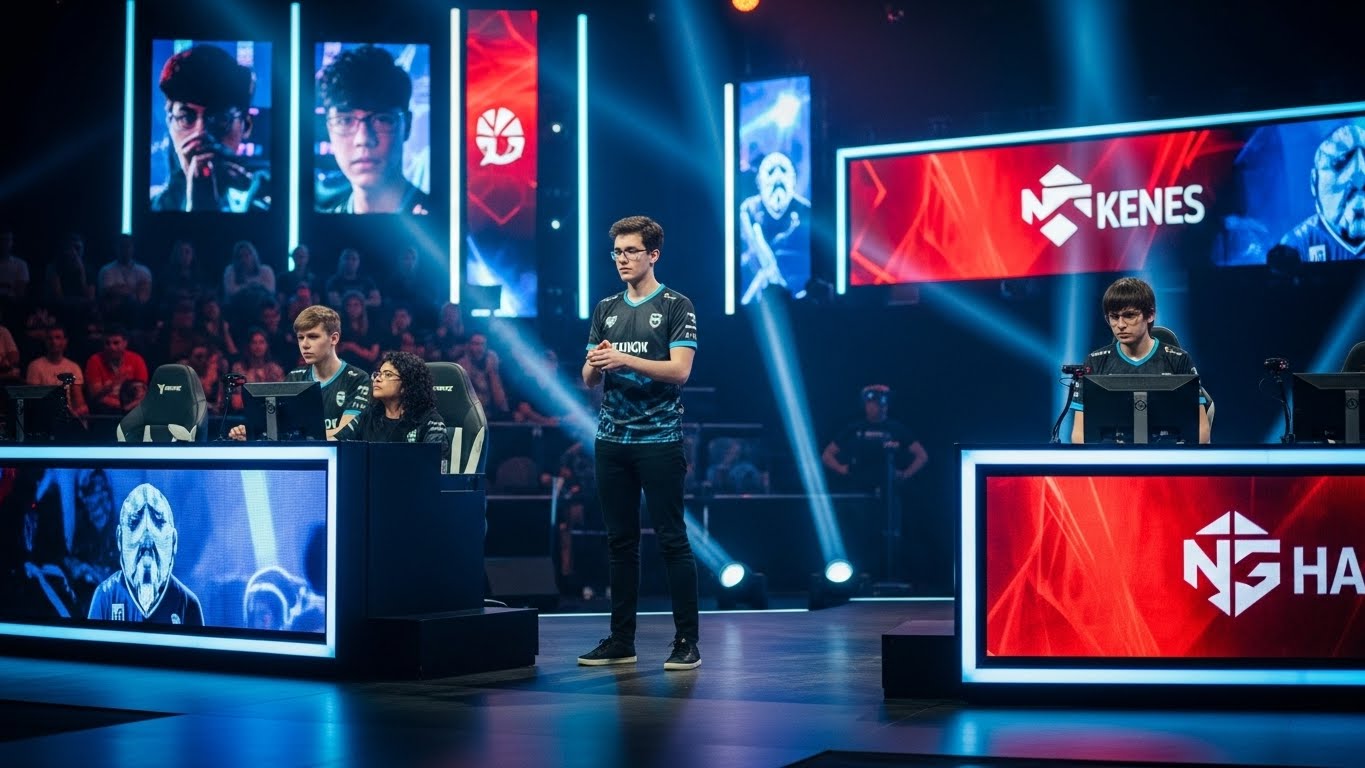
Esports has transcended entertainment to become a cultural movement. It has influenced fashion, music, and even mainstream sports. Celebrities and athletes often invest in esports teams or collaborate with gaming brands, bridging the gap between traditional and digital sports. The aesthetics of esports—from team jerseys to event design—reflect the energy and creativity of youth culture.
Moreover, esports has helped build communities that cross national and cultural boundaries. Players from different backgrounds can compete on equal footing, connected by their shared passion for gaming. Online forums, fan pages, and social media groups enable fans to interact, exchange strategies, and celebrate their favorite moments together. This sense of belonging is one of the most powerful aspects of esports.
The Role of Technology in Esports Growth
Technological advancement has been the backbone of esports. Improvements in hardware, from high-refresh-rate monitors to powerful gaming PCs, have enhanced the competitive experience. Internet infrastructure has made global tournaments possible, while streaming technologies have allowed real-time broadcasting to millions.
Virtual reality (VR) and augmented reality (AR) are expected to play increasingly significant roles in future esports events. These technologies could transform how players interact with games and how audiences experience live matches. Artificial intelligence is also influencing esports, from data analytics that improve player performance to automated production tools that enhance broadcast quality.
Challenges Facing the Esports Industry
Despite its success, esports faces several challenges that could affect its long-term sustainability. One of the major issues is player burnout. The intense training schedules and pressure to perform can lead to physical and mental health problems. Unlike traditional sports, esports lacks standardized support systems to manage player welfare.
Another challenge is maintaining competitive integrity. Issues like cheating, match-fixing, and hacking can damage the credibility of tournaments. Game developers and organizations are constantly working to implement better security and fair play measures.
Esports also grapples with inclusivity and representation. Although the industry is open to anyone with skill and dedication, female players and marginalized communities often face discrimination and harassment. Promoting diversity and ensuring a safe environment for all participants remain essential goals for the future.
The Role of Media and Storytelling
Storytelling has always been a powerful element of sports culture, and esports is no exception. Documentaries, highlight reels, and personal profiles of players help humanize the competitive scene. Media outlets now treat major esports events with the same seriousness as traditional sports coverage, offering pre-match analysis, interviews, and in-depth features.
Social media has amplified this storytelling, enabling fans to follow their favorite teams closely. Players build their personal brands through platforms like Twitter, Instagram, and TikTok, sharing behind-the-scenes moments and engaging directly with fans. This level of connection adds authenticity and emotional depth to esports fandom.
The Future of Esports
Looking ahead, esports shows no signs of slowing down. As technology continues to evolve, the line between virtual and physical competition will blur even further. Traditional sports organizations are investing in esports divisions, recognizing its potential to attract younger audiences. Governments and educational institutions are also beginning to view esports as a legitimate industry worthy of support.
The future may also see esports becoming part of major global sporting events. Discussions about including esports in the Olympic Games highlight how far it has come from its humble beginnings. With continued innovation, improved infrastructure, and broader acceptance, esports could become one of the defining cultural forces of the twenty-first century.
Community and Social Connection Through Gaming
At its heart, esports is about connection. It unites people across the globe, regardless of language, nationality, or background. Online gaming communities have become spaces where friendships are formed, teamwork is tested, and shared experiences are celebrated. The excitement of a live match, the tension of a close round, or the joy of an underdog victory are moments that bind fans and players alike.
During times of global uncertainty, esports has provided a sense of continuity and entertainment. When traditional sports paused due to world events, online tournaments continued, offering comfort and engagement to millions stuck at home. This resilience highlights the adaptability and relevance of digital competition in the modern age.
The Educational and Developmental Benefits of Esports
Beyond entertainment, esports offers significant educational and developmental benefits. Players develop critical skills such as teamwork, communication, problem-solving, and strategic thinking. The discipline required to practice regularly, manage stress, and perform under pressure mirrors the demands of many professional environments.
Esports can also foster leadership skills, as team captains and coaches learn to coordinate strategies, manage personalities, and motivate others. The analytical aspects of competitive gaming encourage logical thinking and adaptability. These skills have real-world applications in careers related to technology, management, and design.
Esports and the Mainstream Entertainment Industry
The integration of esports into mainstream entertainment continues to grow. Major television networks broadcast esports events, and streaming services produce original series based on gaming culture. Music artists collaborate with game developers, and movie studios adapt popular gaming franchises into films and shows. This cultural blending has made esports part of a larger entertainment ecosystem.
Traditional sports franchises are also embracing esports. Football clubs, basketball teams, and even Formula 1 organizations have launched esports divisions, allowing fans to engage with their favorite sports in new ways. This synergy between digital and physical competition expands audience reach and creates new opportunities for fan interaction.
Conclusion
Esports stands as one of the most remarkable developments in modern culture. It bridges technology, creativity, and competition in ways that few other industries can. From humble beginnings in university labs and arcade halls to packed stadiums and global streaming platforms, esports has reshaped what it means to be an athlete and a fan.
Its growth is not just a reflection of technological progress but also of human adaptability and passion. Esports proves that dedication, strategy, and teamwork can thrive in the digital age just as much as they do on a physical field. As it continues to evolve, esports will not only entertain but inspire, educate, and connect people across the world—cementing its place as a defining cultural force of our time.