Introduction to Esports
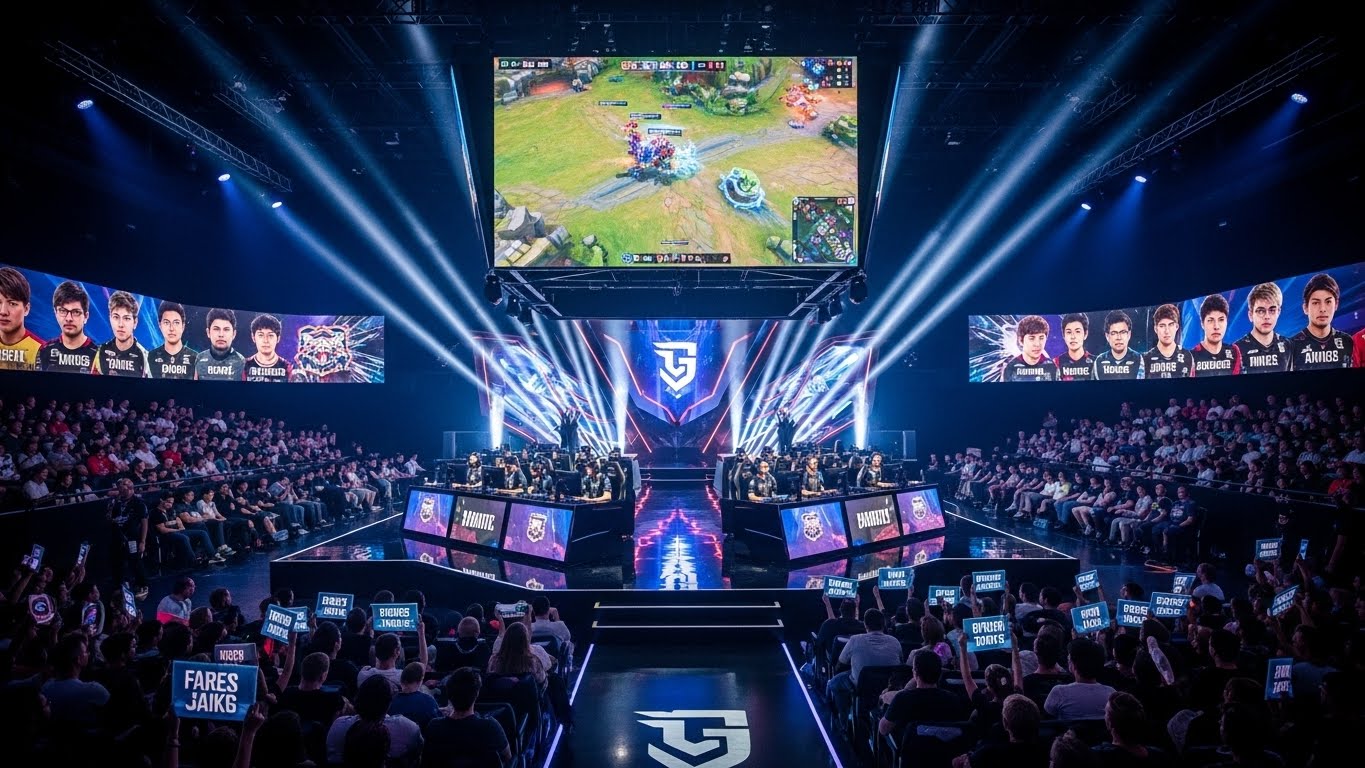
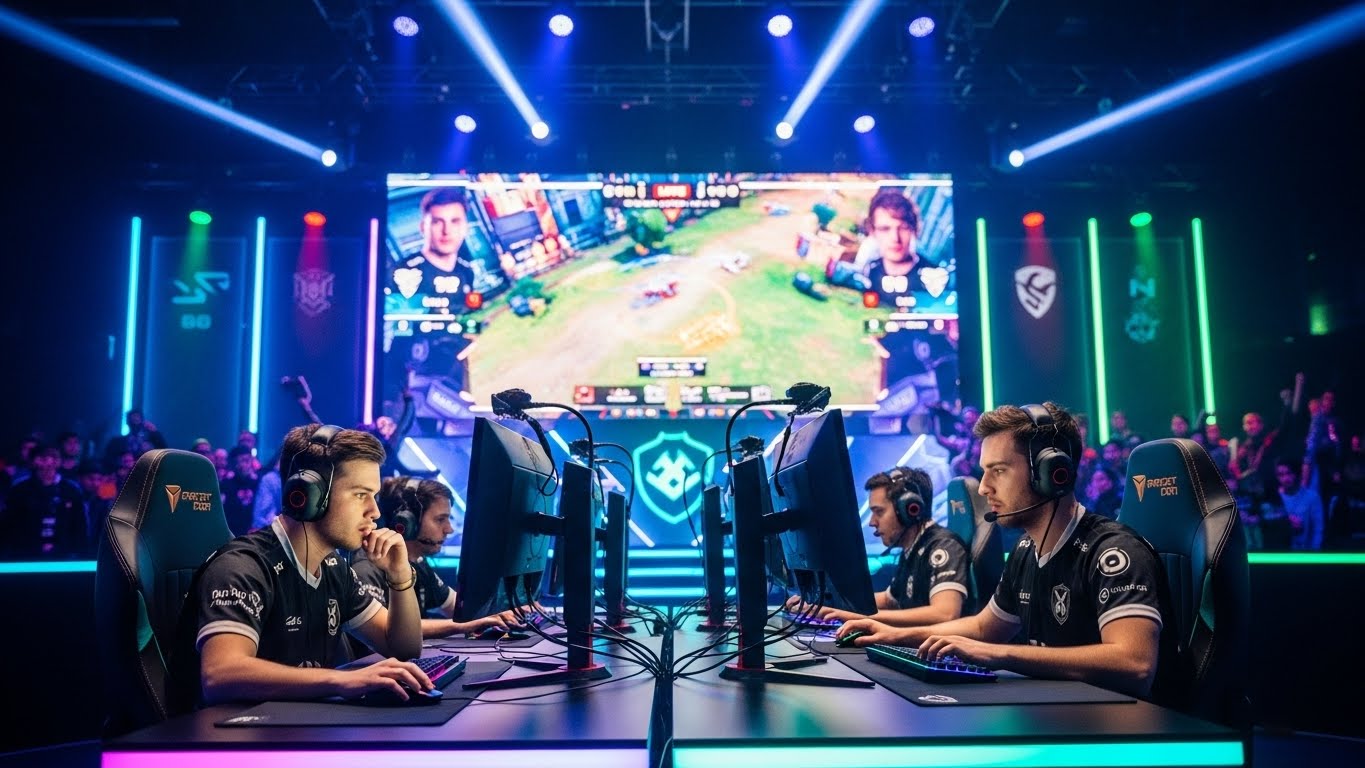
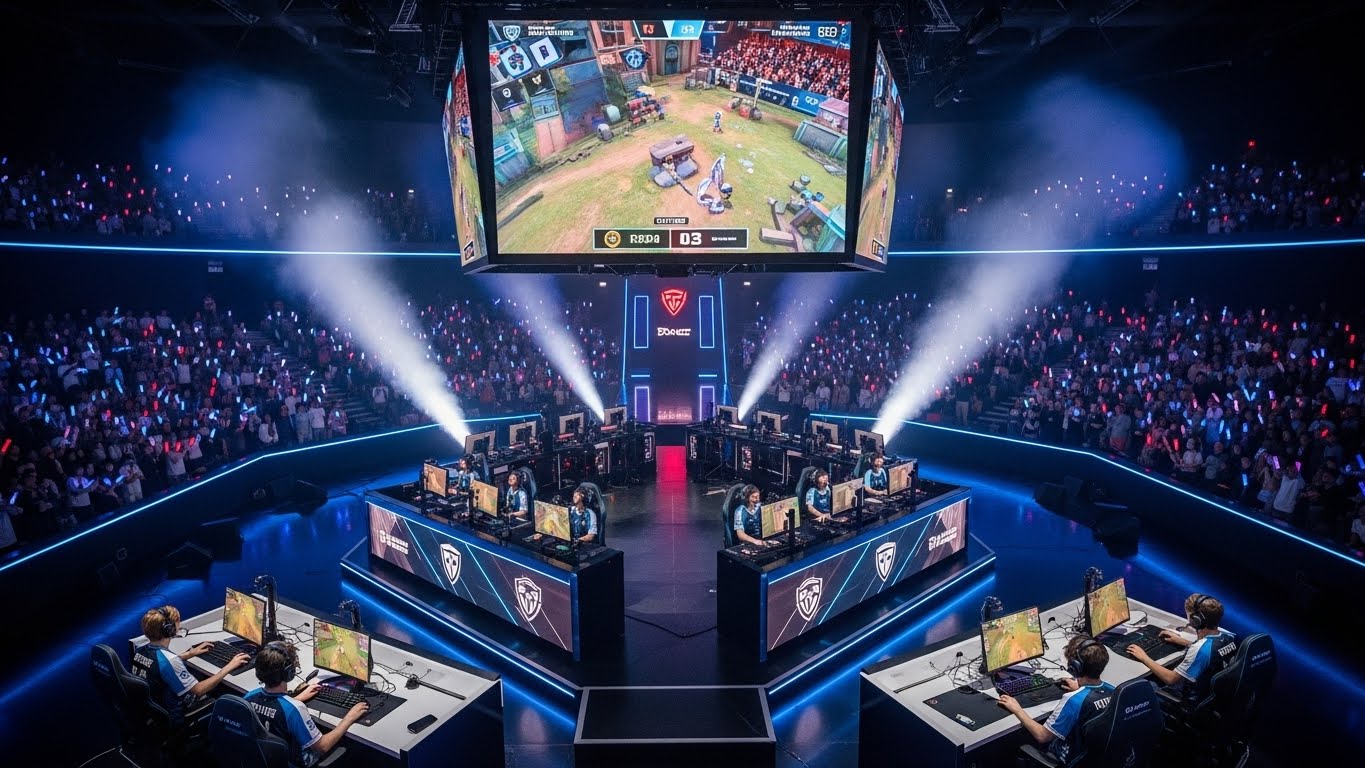
Esports, short for electronic sports, refers to organized, competitive video gaming where individuals or teams compete against one another in various games. What was once considered a niche hobby has grown into a global industry worth billions of dollars. Esports tournaments fill stadiums, attract massive online audiences, and turn players into international celebrities. The transformation from casual gaming to a professional sport is one of the most remarkable developments in modern entertainment. Today, esports is not just about playing games; it is about teamwork, strategy, psychology, technology, and passion that unite millions around the world.
The Early Days of Competitive Gaming
The roots of esports trace back to the late 1970s and early 1980s, when arcade competitions began to attract attention. The first known competitive gaming event was the Space Invaders Championship in 1980, which drew over ten thousand participants. This marked the beginning of gaming as a spectator sport. The 1990s saw the rise of personal computers and gaming consoles, giving birth to multiplayer experiences that could connect players across local networks. Games like Doom and Quake introduced the first-generation professional gamers, and the concept of LAN parties became popular among enthusiasts.
As the internet became more accessible, online gaming communities flourished. Titles like StarCraft, Counter-Strike, and Warcraft III laid the foundation for competitive gaming as we know it today. South Korea, in particular, became the epicenter of esports culture, with StarCraft tournaments broadcast on national television. This early momentum gave rise to professional gaming leagues, teams, and sponsorship deals that began shaping the structure of modern esports.
The Emergence of Esports Leagues and Organizations
The early 2000s marked a turning point for esports with the formation of organized leagues and global tournaments. The Cyberathlete Professional League (CPL), World Cyber Games (WCG), and Electronic Sports World Cup (ESWC) became pioneers in hosting international competitions. These tournaments introduced professional standards, structured brackets, and prize pools that motivated players to pursue gaming as a career rather than a pastime.
As the industry matured, new organizations began to emerge, including Major League Gaming (MLG) in North America and the Global StarCraft League (GSL) in South Korea. These leagues helped establish a consistent competitive environment that encouraged players to train, strategize, and develop fanbases. By the mid-2010s, esports had become a global phenomenon, with streaming platforms such as Twitch and YouTube Gaming amplifying its reach to millions of viewers worldwide.
The Role of Technology in Esports Growth
Technological advancements have been at the heart of esports’ evolution. High-speed internet, powerful gaming hardware, and advanced broadcasting tools have made competitive gaming accessible and enjoyable for both players and spectators. Live streaming transformed esports from a niche activity into a mainstream form of entertainment. With just a few clicks, anyone could watch their favorite players compete in real-time, fostering a new kind of relationship between gamers and audiences.
Moreover, the development of gaming peripherals—such as mechanical keyboards, high-refresh-rate monitors, and ergonomic gaming chairs—helped players perform at their best. Virtual reality, augmented reality, and artificial intelligence are expected to further transform esports in the coming years, creating immersive experiences that blur the line between physical and digital competition.
Esports Titles that Defined the Industry
Certain games have played a pivotal role in shaping esports into what it is today. Each genre has its icons that define competitive standards and attract massive fanbases.
In the first-person shooter genre, Counter-Strike and its successor Counter-Strike: Global Offensive became synonymous with teamwork and precision. The franchise remains a cornerstone of competitive gaming, with professional leagues and million-dollar tournaments. Similarly, Call of Duty and Overwatch brought fast-paced action to console and PC players alike, pushing esports into mainstream pop culture.
The multiplayer online battle arena (MOBA) genre, led by games like Dota 2 and League of Legends, revolutionized esports with strategic depth and global tournaments. The International, Dota 2’s annual championship, boasts some of the largest prize pools in esports history, while the League of Legends World Championship draws millions of live viewers.
In the realm of battle royale games, titles such as Fortnite and PUBG popularized new forms of competition that emphasize survival, creativity, and adaptability. These games not only attracted younger audiences but also expanded esports beyond traditional gaming communities.
Fighting games like Street Fighter, Tekken, and Super Smash Bros. continue to maintain a dedicated fanbase, highlighting the roots of competitive gaming through intense one-on-one matchups. Sports simulations, including FIFA and NBA 2K, bridge the gap between traditional sports and esports, offering new ways for fans to experience competition.
The Rise of Professional Esports Athletes
Professional gamers today enjoy recognition comparable to that of traditional athletes. They train rigorously, analyze gameplay, and maintain strict schedules to ensure peak performance. Many belong to well-funded teams supported by sponsors, coaches, analysts, and nutritionists.
What sets esports athletes apart is their mental agility, reflexes, and ability to make split-second decisions under pressure. Esports requires not only mechanical skill but also communication, teamwork, and emotional control. Players study opponents, devise strategies, and adapt during matches—skills comparable to those of chess grandmasters or professional athletes in physical sports.
The careers of esports athletes, however, can be short due to the intense mental strain and constant evolution of games. Many transition to streaming, coaching, or content creation after retiring from active competition, allowing them to remain influential figures within the gaming community.
The Esports Ecosystem and Its Economic Impact
The esports industry has developed into a complex ecosystem involving multiple stakeholders. Game developers, tournament organizers, sponsors, broadcasters, and fans all play integral roles in sustaining the scene. The industry’s economic impact is enormous, generating billions of dollars annually through sponsorships, merchandise, advertising, media rights, and ticket sales.
Sponsorships from major global brands, ranging from technology companies to soft drink manufacturers, highlight esports’ growing appeal. Esports events attract audiences that rival traditional sports in viewership, with major tournaments filling arenas and being broadcast across continents. Universities now offer esports scholarships, and national governments in several countries officially recognize esports athletes as professionals.
The esports economy has also spurred job creation beyond players and teams. Commentators, analysts, event organizers, graphic designers, and content creators all contribute to the growth of the industry. This expansion demonstrates that esports is not just a game but a multifaceted business ecosystem.
The Role of Streaming and Social Media in Esports
Streaming platforms have transformed how fans engage with esports. Platforms like Twitch, YouTube, and other digital media outlets allow gamers to showcase their skills, interact with audiences, and build personal brands. Viewers enjoy direct access to their favorite players, fostering a sense of community and loyalty.
Social media amplifies this connection, allowing teams and players to share behind-the-scenes content, interact with fans, and build narratives around competitions. Highlights, memes, and discussions keep esports culture vibrant and accessible. This constant engagement helps the industry maintain momentum between tournaments and ensures that players remain in the spotlight year-round.
Esports and Traditional Sports: A Converging Future
The relationship between esports and traditional sports continues to grow stronger. Many professional sports organizations have invested in esports teams, recognizing the potential for reaching younger, digitally native audiences. Football clubs, basketball franchises, and even racing organizations now have official esports divisions.
The similarities between esports and traditional sports are striking. Both require discipline, teamwork, and strategy. Both rely on training regimens, psychological preparation, and competitive spirit. The primary difference lies in the medium—one uses physical athleticism, the other mental agility and digital precision. As virtual and augmented reality technology evolves, these boundaries may blur even further.
Education and Esports: A New Academic Frontier
Esports has also entered the realm of education. Many universities worldwide now offer esports management and game design degrees. These programs teach students about event organization, marketing, broadcasting, and player development. Some institutions even host collegiate esports leagues, where students compete on behalf of their schools.
This integration of esports into academia reflects its growing legitimacy as a career path. It prepares future professionals not only to play but to manage, promote, and sustain the global industry. The academic study of esports also opens new research avenues in psychology, technology, and media studies.
Cultural and Social Impact of Esports
Esports has reshaped global entertainment culture. It transcends borders, languages, and backgrounds, bringing people together through shared passion. Online tournaments connect players from different continents, fostering friendships and rivalries that span the globe.
Moreover, esports challenges traditional notions of what it means to be an athlete or competitor. It emphasizes that skill, dedication, and intelligence can define excellence in new ways. The inclusivity of esports allows individuals who might not fit into traditional sports to excel in competitive environments.
Esports has also influenced fashion, music, and lifestyle trends. Collaborations between game developers, musicians, and clothing brands highlight the cultural relevance of gaming in modern society. Esports events often resemble concerts or festivals, complete with performances, light shows, and celebrity appearances.
Challenges Facing the Esports Industry
Despite its success, esports faces several challenges. Issues like player burnout, lack of standardized regulations, and inconsistent tournament organization remain pressing concerns. The rapid pace of game updates can alter competitive balance, forcing players to constantly adapt.
Another challenge is maintaining integrity and fairness. Match-fixing, cheating, and doping scandals have occasionally tarnished esports’ reputation. As the industry grows, establishing international governance and ethical standards becomes increasingly important.
Mental health is also a growing concern. The high pressure, intense schedules, and online scrutiny can affect players’ well-being. Many organizations now invest in psychological support and wellness programs to ensure long-term player health.
The Future of Esports
The future of esports looks incredibly promising. With technological advancements, increasing investment, and global recognition, esports is expected to become one of the dominant forms of entertainment in the 21st century. The integration of artificial intelligence, virtual reality, and 5G technology will enhance both gameplay and viewing experiences.
As the industry matures, more countries will recognize esports as an official sport, paving the way for inclusion in multi-sport events such as the Olympics. Educational and youth programs will continue to grow, ensuring that the next generation of players, developers, and organizers is well-prepared to sustain the ecosystem.
Esports will also continue to bridge the gap between digital and physical worlds. With the rise of metaverse platforms and immersive experiences, fans will be able to participate in virtual stadiums, interact with players, and feel more connected to the action than ever before.
Conclusion
Esports is more than a digital pastime—it is a global movement that redefines entertainment, competition, and community. From humble arcade beginnings to packed arenas and international championships, the journey of esports reflects human creativity, innovation, and passion. It has proven that gaming is not just about fun but about mastery, teamwork, and perseverance.
As we look ahead, esports will continue to inspire millions, create new opportunities, and shape the future of digital culture. It represents the perfect blend of technology and human skill, a testament to how far we have come in the pursuit of virtual excellence. The world of esports stands as a symbol of modern progress—a vibrant, inclusive, and ever-evolving frontier where anyone with talent and dedication can rise to global stardom.