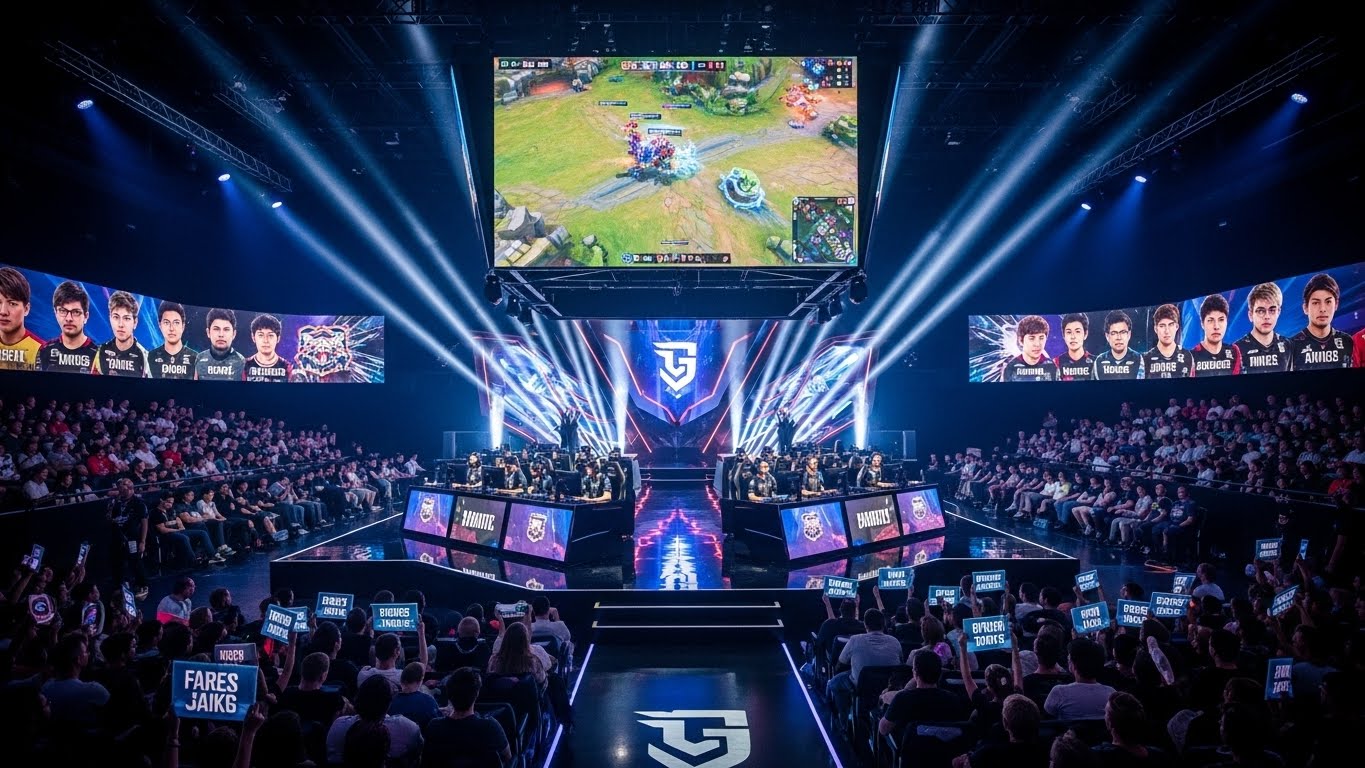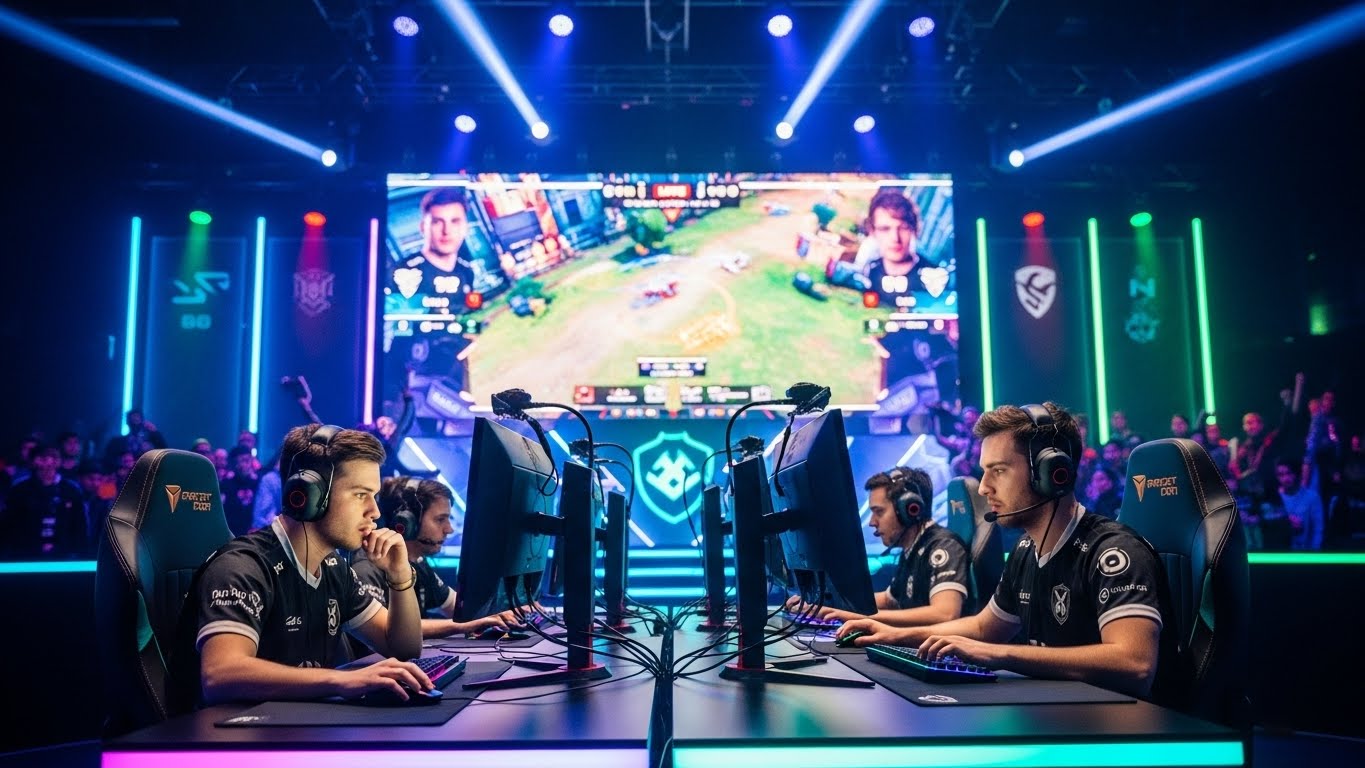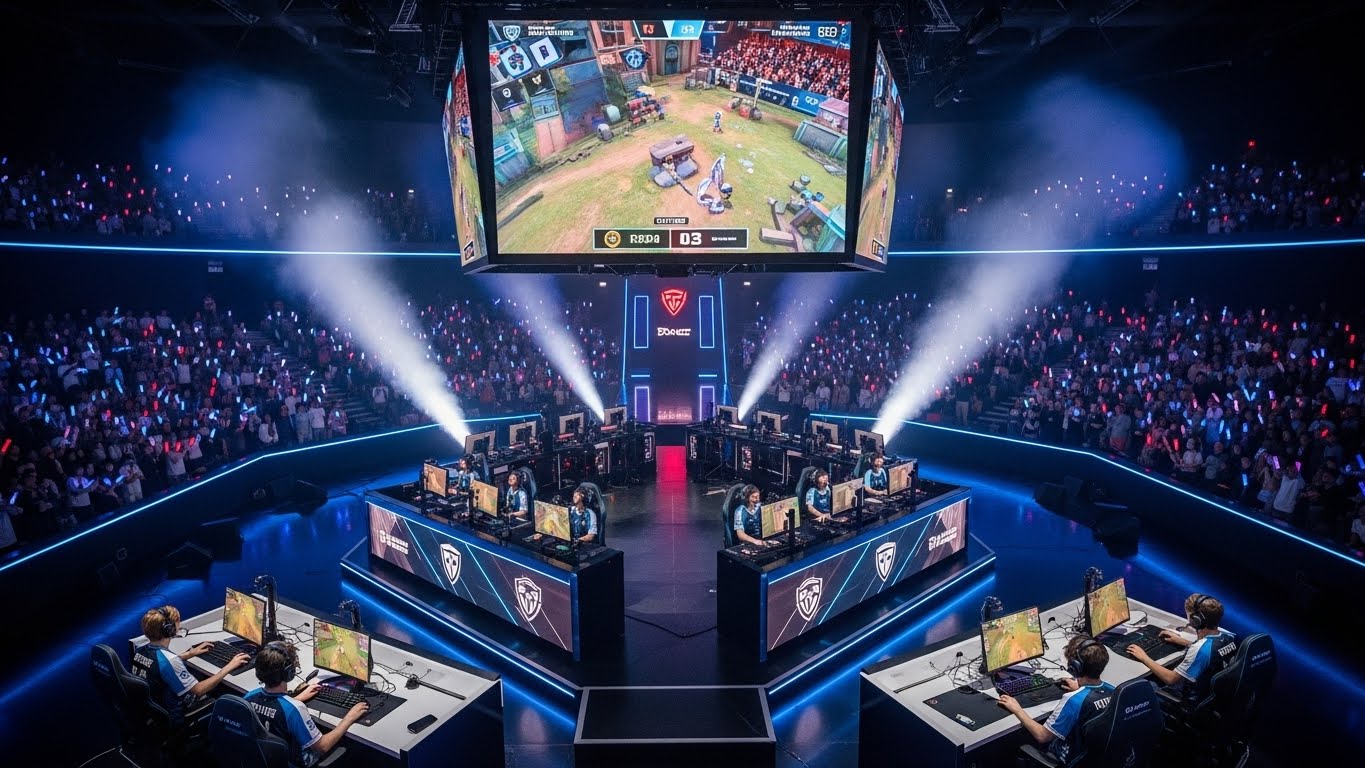
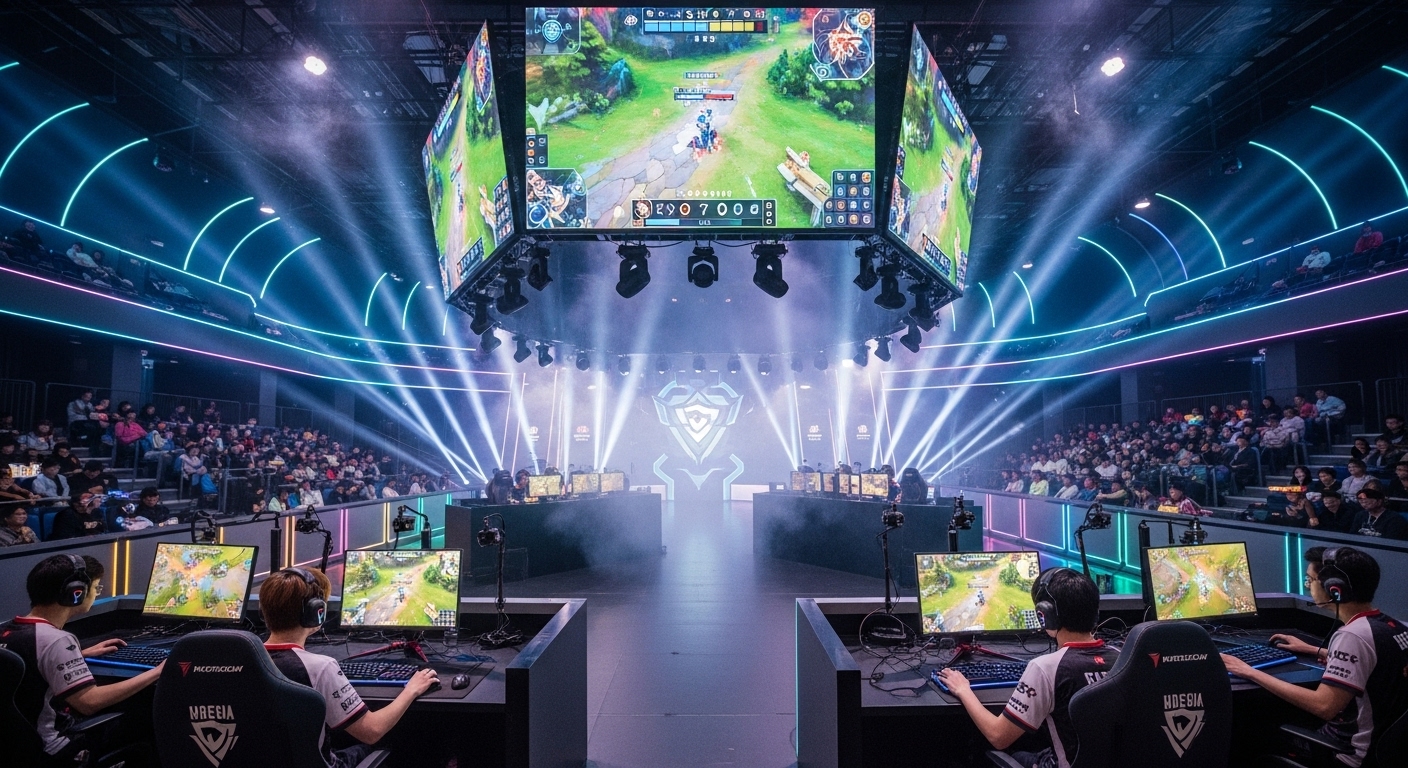
Esports, short for electronic sports, has seen a dramatic rise over the past decade, transforming from a niche hobby to a multi-billion-dollar industry that commands a global following. The world of competitive gaming is no longer limited to basement tournaments or small online streams; it has grown into a cultural phenomenon, attracting millions of fans, professional players, and sponsors. In this post, we will take a deep dive into the evolution of esports, its current state, and the exciting future it holds for gamers, fans, and the entertainment industry at large.
The Birth of Esports: From Casual Gaming to Professional Competition
The story of esports begins in the early 2000s, when gaming communities started to form and large-scale tournaments began to take shape. In the early days, gaming was primarily a solo or casual pursuit, with players enjoying titles like Quake and StarCraft on their personal computers. Local area network (LAN) parties, where gamers would gather to compete in a shared space, were some of the first seeds of what would later become a massive esports movement.
Esports’ earliest roots were primarily founded in competitive games like StarCraft and Warcraft III, where players began to organize informal tournaments. As the internet improved and became more widely accessible, these competitions moved online, allowing players from across the world to connect and compete. It was during this time that esports first showed signs of becoming a globally recognized event, with major tournaments like the World Cyber Games (WCG) and Electronic Sports World Cup (ESWC) offering cash prizes and attracting competitors from multiple continents.
However, it wasn’t until the launch of dedicated streaming platforms such as Twitch in 2011 that esports began to reach a wider audience. Viewers could now watch their favorite players compete in real-time, creating a new avenue for both fans and sponsors to get involved in the action.
The Growth of Esports: From Small Tournaments to Global Phenomenon
As the internet infrastructure grew and multiplayer games evolved, esports began to take on a more professional structure. Games like League of Legends, Dota 2, Counter-Strike: Global Offensive, and Overwatch gained massive popularity, with each developing its own competitive ecosystem. What started as small grassroots competitions quickly expanded into major global tournaments, attracting hundreds of thousands of live viewers and millions more online.
The introduction of established esports leagues like the League of Legends Championship Series (LCS) and the Overwatch League (OWL) further professionalized the scene. These leagues brought together teams of players, set specific rules for competition, and offered lucrative prize pools that could reach into the millions of dollars. As a result, esports transitioned from an amateur scene to a legitimate professional sport, with players who trained year-round, signed contracts with major organizations, and earned salaries that rivaled those of traditional athletes.
The rise of sponsorships and media coverage played a pivotal role in boosting the popularity of esports. Major tech companies like Intel, Nvidia, and Razer have been long-time sponsors of esports events, while non-tech brands like Coca-Cola, Mercedes-Benz, and Red Bull have increasingly invested in the scene. These partnerships have not only helped fund larger tournaments but also introduced esports to mainstream audiences who might otherwise not have been exposed to competitive gaming.
The Professionalization of Esports: Players, Teams, and Sponsors
One of the key factors that set esports apart from other forms of gaming is the rise of professional players and dedicated esports teams. Top-tier esports athletes are no longer just hobbyists or streamers; they are full-time professionals who dedicate hours each day to perfecting their skills. They undergo intense training regimes, often practicing for 8-12 hours per day, honing their strategies, communication, and individual gameplay to ensure peak performance during competitions.
Professional esports teams have become highly organized entities, often resembling traditional sports teams. Organizations like Cloud9, Team Liquid, T1, and Fnatic not only recruit the best players but also provide them with training facilities, coaches, analysts, and psychologists to optimize their chances of winning. Just like in traditional sports, team chemistry, strategy, and mental resilience play a huge role in determining success on the esports battlefield.
Sponsorships have become a cornerstone of the esports economy. Esports organizations and players rely on deals with companies ranging from hardware manufacturers to clothing brands. The success of teams and players often hinges on their ability to secure these lucrative sponsorships, which can provide the necessary resources to compete at the highest level. In return, sponsors gain visibility among a highly engaged and young audience who are passionate about gaming.
The explosion of esports has also led to the rise of esports broadcasters and media companies. Companies like ESL, DreamHack, and Major League Gaming (MLG) produce some of the biggest esports tournaments and competitions, broadcasting them across platforms like Twitch, YouTube, and Facebook Gaming. These broadcasts are often more than just gameplay; they incorporate high production value, with commentary, analysis, and live interaction with fans, making esports events engaging and entertaining to watch.
Esports and Traditional Sports: A Convergence of Cultures
As esports continues to gain traction, its intersection with traditional sports has become more pronounced. Major professional sports leagues like the NBA, NFL, and European football clubs have started to invest heavily in esports, recognizing its potential as a form of entertainment and a lucrative business opportunity.
Many traditional sports organizations have created their own esports teams or sponsored existing esports organizations. For example, the NBA launched its own esports league, the NBA 2K League, which features professional players competing in the basketball simulation video game NBA 2K. Football clubs like Paris Saint-Germain and Manchester City have also established esports teams, competing in games like FIFA and Rocket League. This convergence of gaming and traditional sports has helped bridge the gap between the two industries, attracting sports fans to the esports world and vice versa.
Some of the most prominent athletes in traditional sports have also shown a keen interest in esports, investing in teams or even launching their own gaming ventures. Basketball legend Michael Jordan has invested in Team Liquid, while former footballer David Beckham has backed esports organization Guild Esports. The crossover between sports and esports is creating a unique fusion of cultures, where both forms of entertainment feed off each other’s popularity.
Esports as a Cultural Movement: The Role of Fans and Communities
At the heart of esports is its passionate community of fans, players, and content creators. Esports has cultivated a unique online culture where fans can interact with their favorite players, share content, and participate in discussions about strategies, match outcomes, and upcoming tournaments. Platforms like Twitch have revolutionized how fans engage with esports, providing a space where fans can watch live gameplay, chat with streamers, and even influence the outcome of certain events through voting or crowd interactions.
The fan experience in esports is incredibly interactive. Unlike traditional sports, where fans mostly consume content passively through television or live events, esports fans can become active participants. They can chat with players during live streams, donate money to their favorite streamers, and even compete themselves in amateur tournaments or fan-organized events.
Esports has also helped foster a sense of global community, bringing together people from diverse backgrounds and cultures who share a common love for gaming. Major tournaments attract viewers from all over the world, with fans uniting to cheer for their favorite teams and players regardless of geographical location. This global reach has given esports a unique power to transcend borders, offering a truly international form of entertainment.
The Future of Esports: Expanding Horizons
As we look to the future, it’s clear that esports has no plans of slowing down. The industry is expected to continue its rapid growth, with new games, larger audiences, and bigger prize pools emerging on the horizon.
One exciting development is the potential for esports to be included in the Olympic Games. While there has been debate about the inclusion of esports in such a prestigious event, some early steps have been taken. For example, esports were featured as a demonstration event at the 2022 Asian Games, and discussions about including esports in future Olympics are ongoing. If esports does make it to the Olympic stage, it could serve as a defining moment in the evolution of competitive gaming.
Mobile esports is another area poised for significant growth. With the increasing accessibility of smartphones and mobile internet, games like PUBG Mobile and Free Fire have exploded in popularity, particularly in regions like Southeast Asia and India. Mobile esports offers an easy entry point for new players and fans, further expanding the reach of competitive gaming.
Furthermore, technological innovations like virtual reality (VR) and augmented reality (AR) could bring new dimensions to esports, offering immersive experiences that blur the line between the digital and physical worlds. As game developers continue to push the boundaries of interactive gameplay, esports could evolve in ways we can’t yet predict.
Conclusion: The Future of Entertainment
Esports is no longer just a hobby for gamers; it has become a dynamic and influential force in the entertainment industry. With its rapidly growing fanbase, increasing investment, and expanding cultural impact, esports is poised to remain at the forefront of digital entertainment for years to come.
Whether you’re a player, a fan, or someone who’s just starting to explore the world of competitive gaming, it’s clear that esports is much more than just a passing trend. It’s a cultural movement that has redefined the way we think about sports, entertainment, and digital engagement. The next decade promises to be even more exciting, and it’s an exhilarating time to be part of the esports revolution.