Esports, once considered a niche activity for gamers, has transformed into a global phenomenon. With the rise of online streaming platforms, massive sponsorships, and professional teams, esports has become a multi-billion dollar industry. In this blog post, we’ll explore the origins, growth, and future of esports, examining its impact on culture, business, and technology. By tracing the development of esports from its early days to its current state, we can appreciate how far this entertainment sector has come and where it’s heading.
Origins of Esports: The Humble Beginnings
Early Gaming Competitions
The roots of esports can be traced back to the early 1980s when competitive gaming first began to take shape. Arcade games like Pong and Space Invaders introduced the concept of competition between players, but it wasn’t until the advent of home computers that online gaming and esports began to emerge.
In 1980, Atari held the first-ever Space Invaders Championship, with over 10,000 participants. While the event itself was relatively small, it was an early indication that competitive gaming could garner attention. Fast forward to the 1990s, and more serious competitions started to form around games like Doom, Warcraft, and StarCraft, laying the foundation for what would eventually become the esports industry.
Birth of Modern Esports
The true birth of modern esports can be credited to the late 1990s and early 2000s, especially with the rise of internet cafes and the proliferation of online multiplayer games. StarCraft and Quake tournaments began to gain recognition as serious competitions. Notably, in South Korea, StarCraft became a national pastime, and the nation became a hotbed for esports talent and competition.
The late 1990s and early 2000s saw the establishment of major esports events, like the Cyberathlete Professional League (CPL) in 1997, which helped shape the future of organized tournaments. With the ability to play with others around the world, games like Counter-Strike and Warcraft III ushered in the era of multiplayer online battle arenas (MOBAs), which would go on to define competitive gaming for the next decade.
The Rise of Esports: Mainstream Acceptance
Esports in the 2000s: The Era of Professional Teams
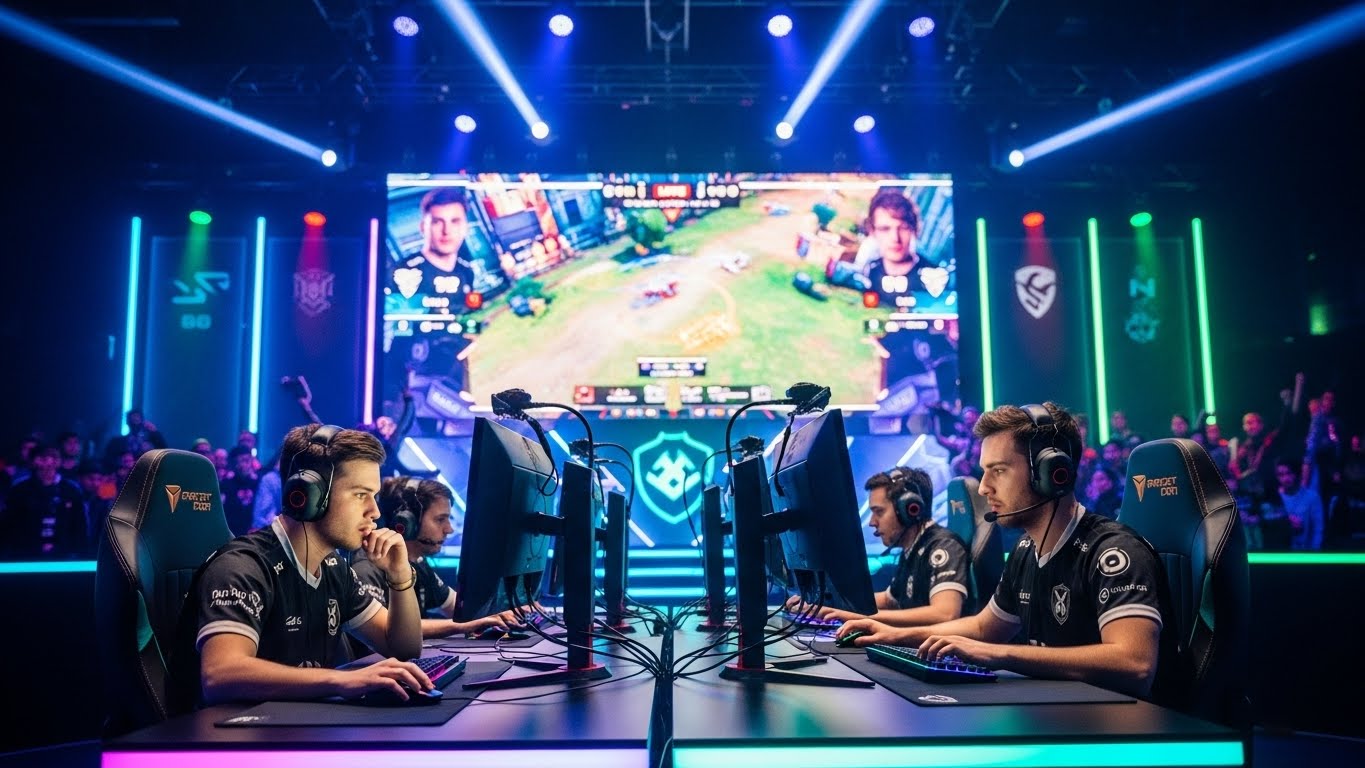
As the 2000s progressed, esports began to emerge from the shadow of casual gaming into a more professionalized scene. By the mid-2000s, large-scale tournaments like The World Cyber Games and the Electronic Sports World Cup began attracting global attention. These tournaments not only offered substantial cash prizes but also provided a platform for professional gamers to showcase their skills.
During this time, the formation of professional esports teams became more common. Teams like Fnatic and SK Gaming rose to prominence in games like Counter-Strike, while Natus Vincere (Na’Vi) emerged as one of the most successful teams in Dota 2. The success of these teams helped solidify the concept of esports as a career path for talented gamers.
The Influence of Streaming and Media
The rise of streaming platforms like Twitch in 2011 played a pivotal role in accelerating esports’ growth. Twitch allowed gamers to broadcast their matches to a global audience, providing a space for both casual players and professional teams to build fanbases. Esports enthusiasts could now watch tournaments in real-time, follow their favorite players, and engage with the community online.
Simultaneously, major broadcasters like ESPN began airing esports events, and mainstream media outlets took notice of the industry’s potential. With a growing fanbase and increased media coverage, esports began attracting sponsorship deals from major corporations. Companies like Red Bull, Intel, and Coca-Cola started investing in esports teams and events, legitimizing the scene in the eyes of the business world.
The Emergence of MOBAs and Battle Royale Games
The late 2000s and early 2010s marked a significant shift in the kinds of games that dominated the competitive gaming landscape. Multiplayer Online Battle Arenas (MOBAs), like League of Legends and Dota 2, began to dominate esports tournaments, thanks to their team-based structure and strategic depth. These games featured long, competitive matches and required coordination between players, making them ideal for esports competition.
In 2017, Fortnite and its battle royale mode exploded in popularity, capturing the attention of millions of players and viewers worldwide. Fortnite tournaments, with their massive prize pools, brought a new audience to esports, attracting casual players and streamers who had never before considered professional competition.
The esports scene began to evolve, and new genres of games were introduced into the competitive landscape. Battle royale games like Apex Legends and PUBG now sit alongside MOBAs as one of the primary genres in competitive gaming, further expanding the scope of esports.
The Current State of Esports: A Multibillion-Dollar Industry
The Growth of Esports Tournaments and Prize Pools
Today, esports is a multibillion-dollar industry, with global tournaments offering prize pools that rival those of traditional sports. The International, the world championship for Dota 2, boasts one of the largest prize pools in esports history, consistently exceeding $30 million in recent years. Other major tournaments, such as League of Legends World Championship, Overwatch League, and CS:GO Major Championships, also feature multi-million-dollar prize pools, drawing in some of the most skilled players in the world.
Esports organizations like Cloud9, Team Liquid, and G2 Esports are recognized internationally and sponsor a wide range of games, from MOBAs to first-person shooters (FPS) to fighting games. These organizations hire top-tier players and offer professional coaching, all while creating lucrative business opportunities for their sponsors and partners.
Esports as a Cultural Phenomenon
Esports has also transcended gaming and become a significant part of global pop culture. Major brands now associate themselves with esports events, seeing it as a viable advertising platform for reaching younger audiences. Partnerships with gaming conventions, movie studios, and even professional sports teams have turned esports into a mainstream cultural force.
Gamers are no longer just seen as hobbyists, but as celebrities in their own right. Professional players have amassed enormous social media followings, with many becoming influencers and content creators. Streamers like Ninja and Shroud have amassed millions of followers on platforms like Twitch and YouTube, contributing to esports’ continued mainstream success.
Furthermore, esports is now a significant component of youth culture, with millions of children and teenagers watching tournaments, following professional players, and aspiring to join esports teams. The lifestyle surrounding esports—complete with merchandise, events, and sponsorships—has created a thriving subculture that continues to grow.
The Future of Esports: What’s Next?
The Growth of Esports in Traditional Sports Arenas
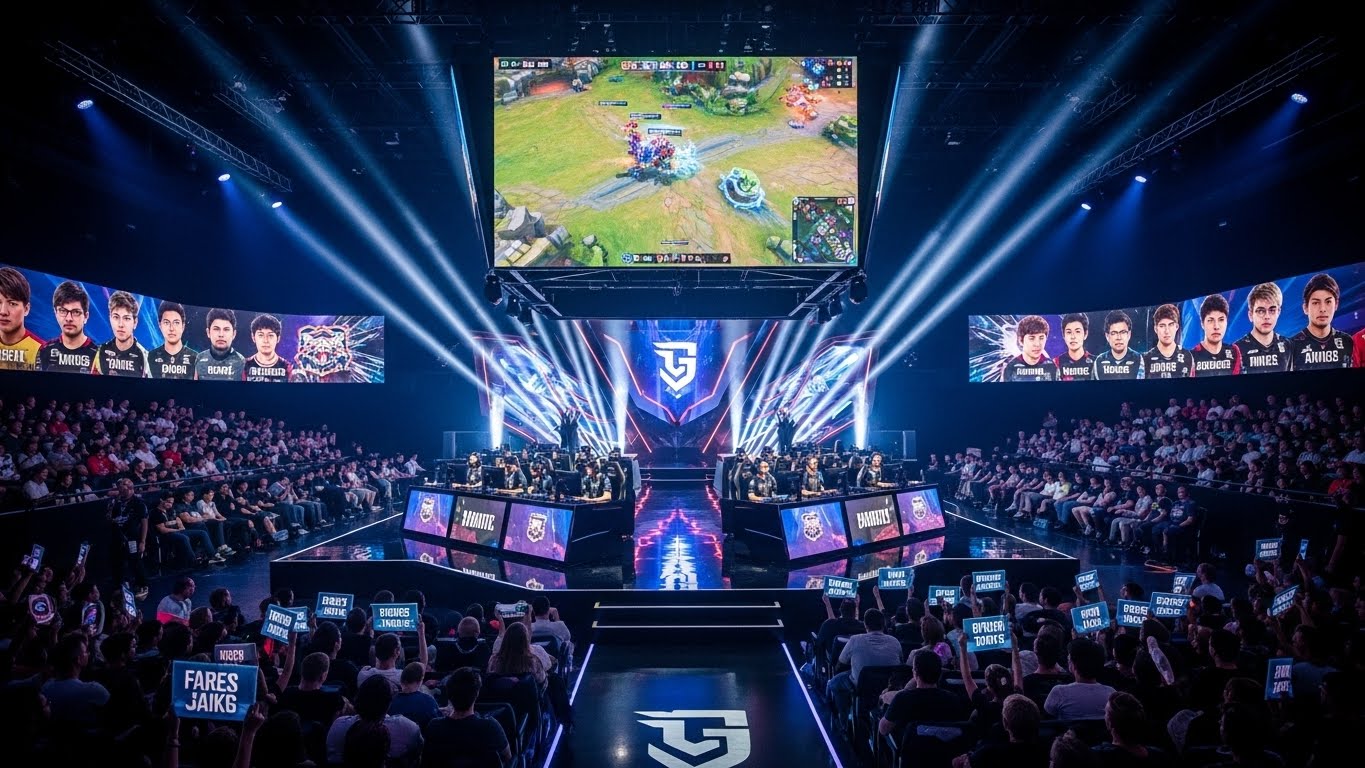
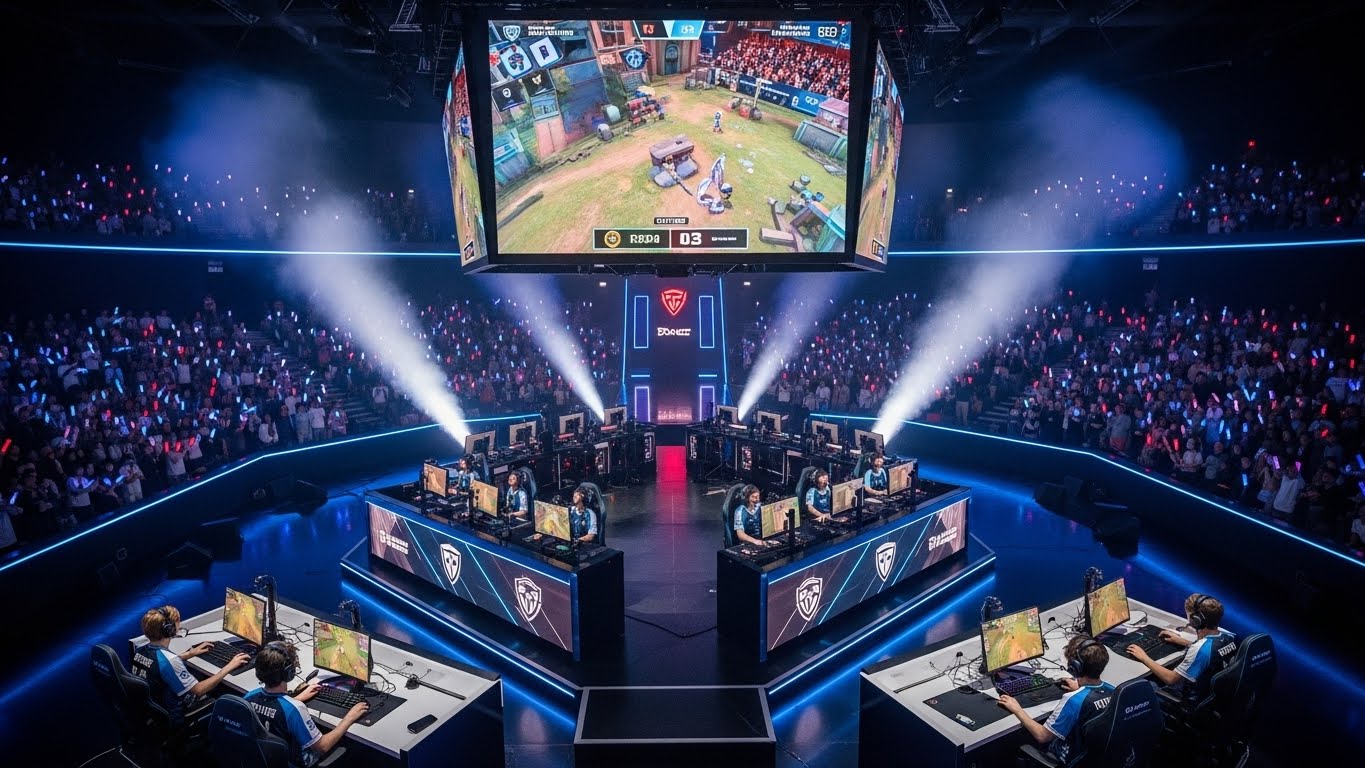
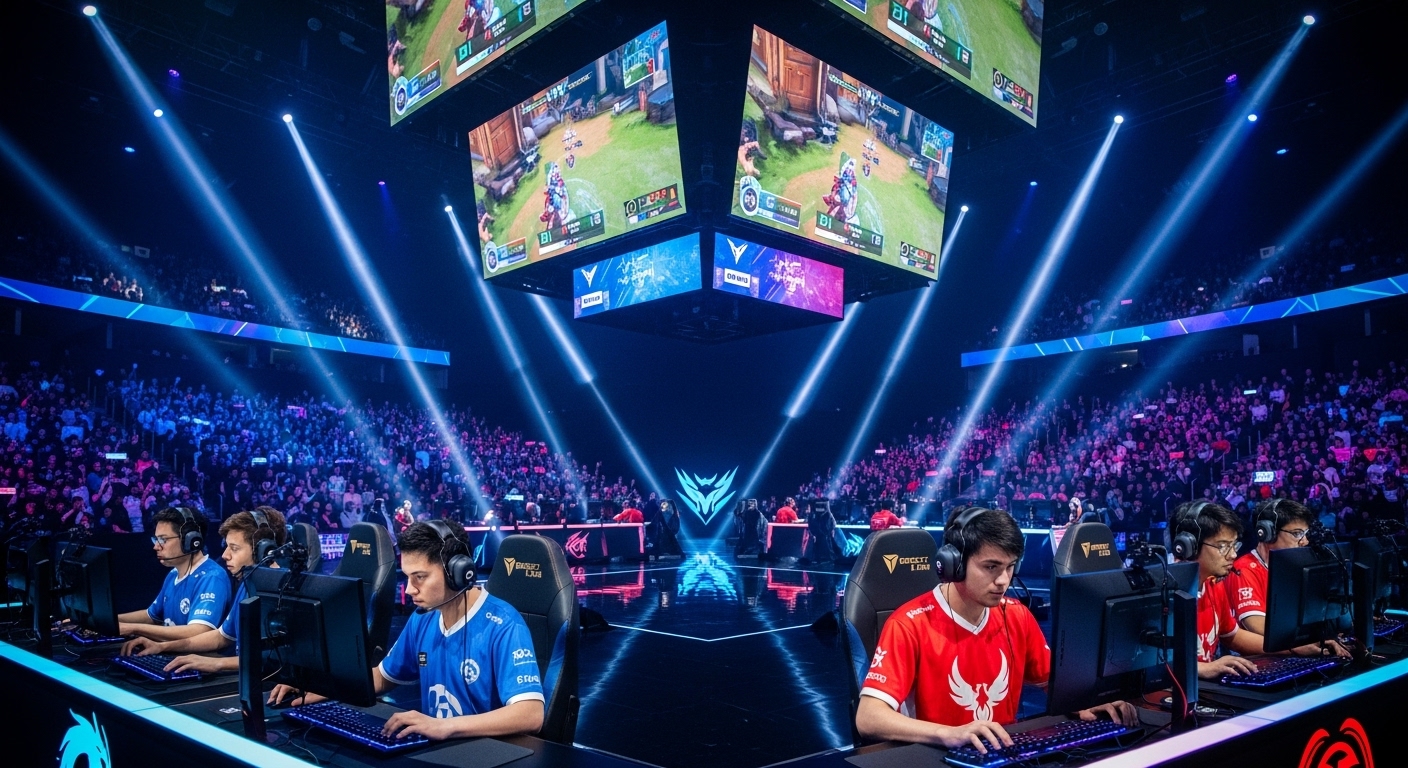
As esports continues to grow, it’s beginning to receive recognition in the traditional sports world. Esports events are now held in massive arenas, with thousands of fans attending tournaments in person. The League of Legends World Championship has sold out major venues like the Staples Center in Los Angeles and the Bird’s Nest Stadium in Beijing. With more events being held in arenas traditionally associated with sports like basketball and football, esports is being treated with the same level of respect and recognition as traditional sports.
Additionally, some universities are offering scholarships for esports players, recognizing the level of skill required to compete at the highest levels. The potential for esports to become part of the Olympics has even been discussed, as the International Olympic Committee (IOC) has shown interest in incorporating esports into future events.
Technological Innovations and New Games
The future of esports will also be shaped by advancements in technology. Virtual reality (VR) and augmented reality (AR) have the potential to revolutionize the way esports tournaments are played and watched. Imagine a tournament where fans can immerse themselves in the action using VR headsets or follow the game through 360-degree augmented reality broadcasts. The incorporation of new technologies could make esports even more accessible and engaging for fans and players alike.
Moreover, new gaming platforms and innovations in artificial intelligence (AI) could lead to new genres of competitive games, further diversifying the esports landscape. With cloud gaming and next-gen consoles, the boundaries of esports will continue to expand, providing even more opportunities for players to compete on a global stage.
Global Expansion of Esports
Esports will continue to expand globally, particularly in regions like China, Southeast Asia, and Latin America, where gaming cultures are already thriving. These areas offer untapped potential for esports organizations and brands to invest in, opening up new markets for teams, sponsorships, and events.
As the esports industry grows, so will its integration into local economies, fostering jobs in broadcasting, marketing, game development, event management, and many other areas. This growth will bring more legitimacy and sustainability to the esports ecosystem, allowing it to thrive for years to come.
Conclusion
From its humble beginnings as a small, niche hobby to becoming a global phenomenon, esports has come a long way. It has transitioned from casual competitions between friends to large-scale international events with massive prize pools, sponsorships, and fans. With the growth of streaming platforms, increased media coverage, and the development of new technologies, esports is poised to continue its rise. As it intersects with mainstream culture, esports is more than just gaming—it’s a vibrant, dynamic entertainment industry that is here to stay. The future of esports is bright, and we’re just getting started.