Esports, or competitive video gaming, has evolved from a niche hobby into a global phenomenon over the past two decades. What was once considered a pastime for enthusiasts is now a professional arena with millions of viewers, international tournaments, and lucrative career opportunities. The rise of esports reflects broader changes in technology, entertainment, and culture. It is no longer merely about playing games; it represents a dynamic industry that merges competition, storytelling, and community.
The Origins of Competitive Gaming
The roots of esports can be traced back to the late 1970s and early 1980s, when arcade competitions began to emerge. Titles like Space Invaders, Pac-Man, and Donkey Kong captivated players and fostered early gaming communities. By the 1990s, multiplayer games on personal computers and gaming consoles allowed players from different locations to compete with one another. South Korea became a particularly notable hub with the rise of StarCraft, which transformed competitive gaming into a national pastime and laid the groundwork for professional leagues.
In Western countries, games such as Counter-Strike and Quake gained popularity in the early 2000s, further fueling the growth of online communities. Internet cafes became social spaces where players could compete, strategize, and share tips. The combination of accessible technology, engaging gameplay, and community support allowed competitive gaming to flourish on a global scale.
What Makes Esports So Appealing
Esports attracts players and spectators for many reasons. At its core, it is a test of skill, strategy, and adaptability. Unlike traditional sports, where physical prowess dominates, esports rewards quick thinking, coordination, and tactical knowledge. The diversity of games—ranging from fast-paced shooters to intricate strategy titles—ensures that there is something for every type of player and fan.
For participants, esports offers a platform to showcase talent, gain recognition, and even earn a professional income. For spectators, the excitement comes from watching high-level gameplay, team rivalries, and dramatic moments unfold in real time. Online streaming platforms have made it possible for millions of fans to engage with tournaments and follow their favorite players, creating a global fanbase that transcends geographical boundaries.
Professional Opportunities in Esports
A career in esports is not limited to being a professional player. While star players often dominate the spotlight, there is an entire ecosystem that supports competitive gaming. Coaches, analysts, broadcasters, content creators, event organizers, and marketing professionals all play essential roles in the industry. Sponsorship deals, merchandise, and media rights have created a sustainable financial model that supports a wide range of careers.
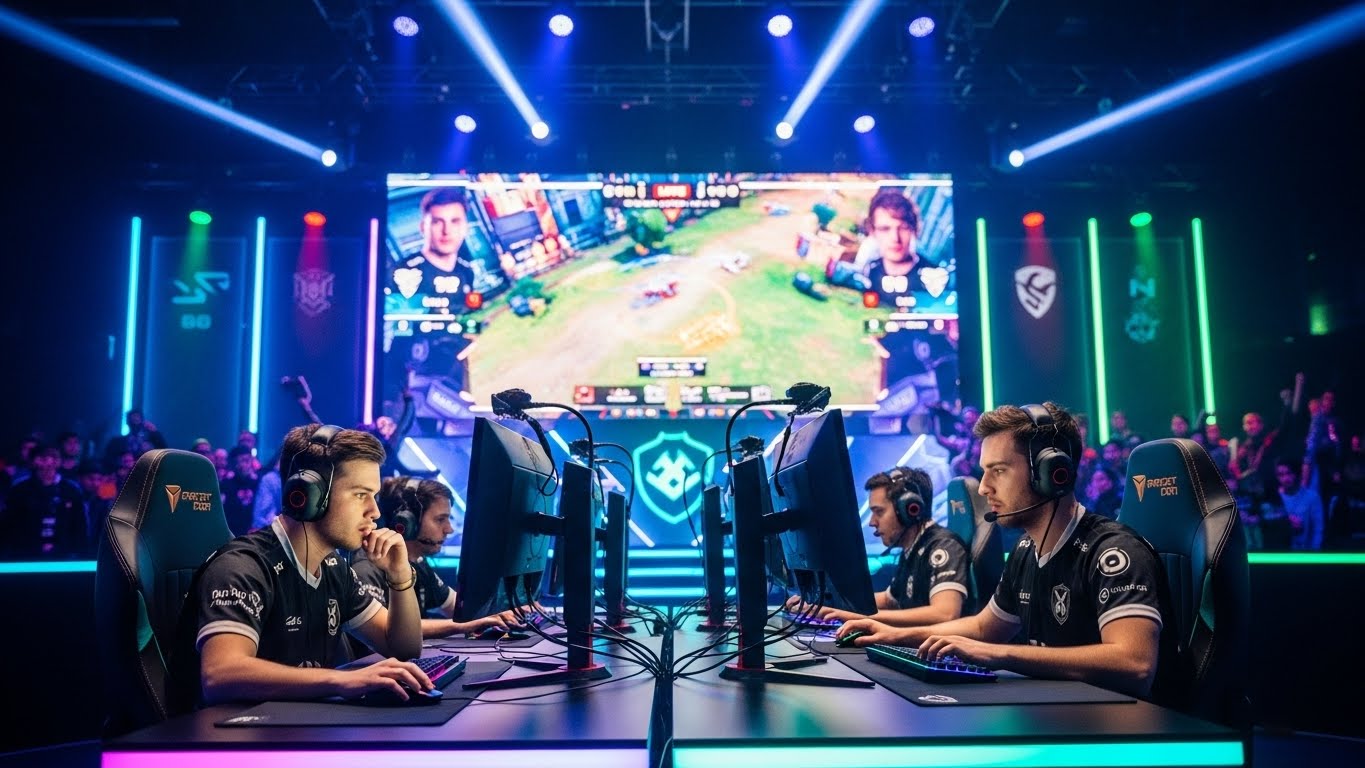
Professional players follow rigorous training regimens, often rivaling those of traditional athletes. They practice for hours each day, studying strategies, reviewing past games, and refining mechanics. Mental resilience, teamwork, and communication skills are just as important as technical proficiency. This level of professionalism underscores the fact that esports is not merely a hobby but a serious career path.
The Global Reach of Esports
Esports has grown into a worldwide phenomenon. South Korea pioneered professional gaming culture, while China has developed some of the largest tournaments and organizations. North America and Europe have cultivated their own vibrant esports scenes, particularly around games like League of Legends, Dota 2, and Fortnite.
The cultural impact of esports extends beyond gaming. It has influenced fashion, music, and popular media, with esports athletes gaining celebrity status. Online communities, social media platforms, and gaming conventions create spaces for fans to connect, discuss strategies, and celebrate their favorite teams. This international reach has transformed esports into a cultural force that unites people across different backgrounds and regions.
Spectacle and Competition: Esports Tournaments
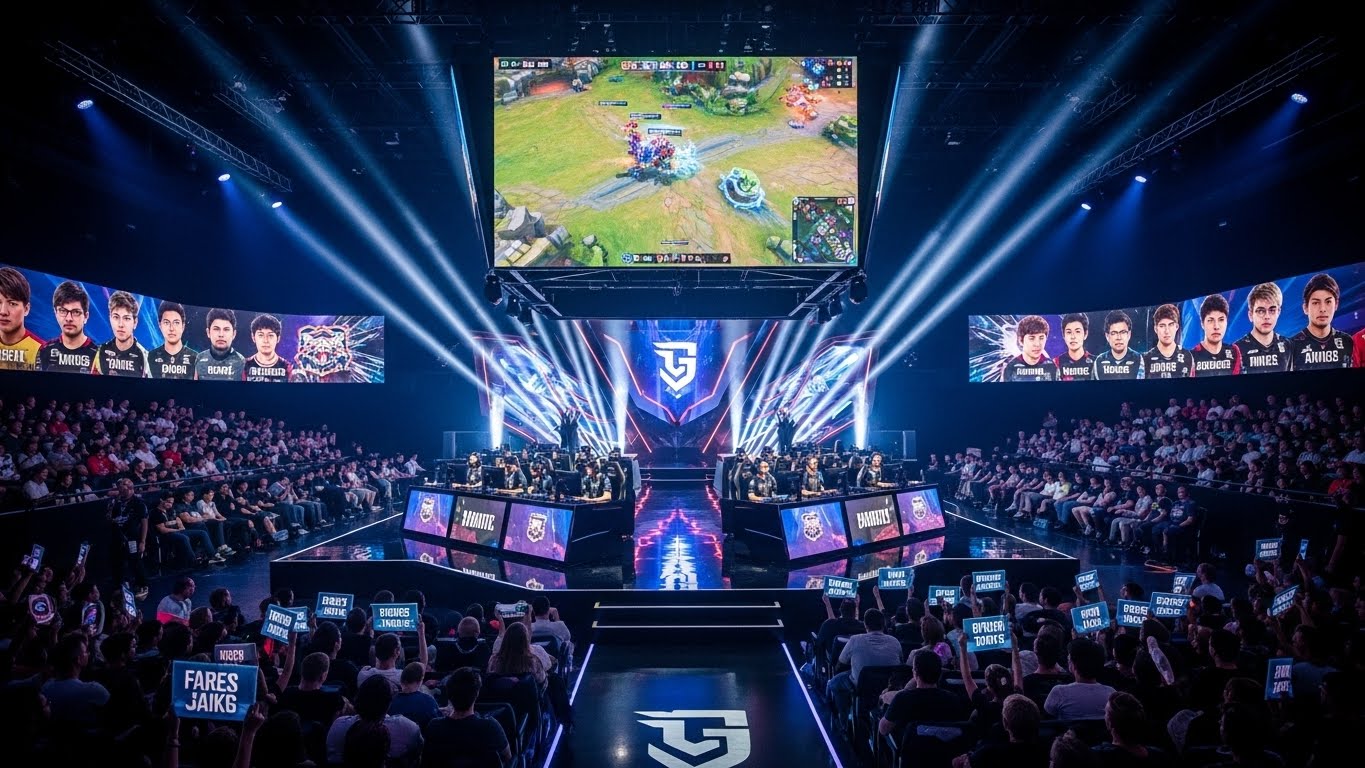
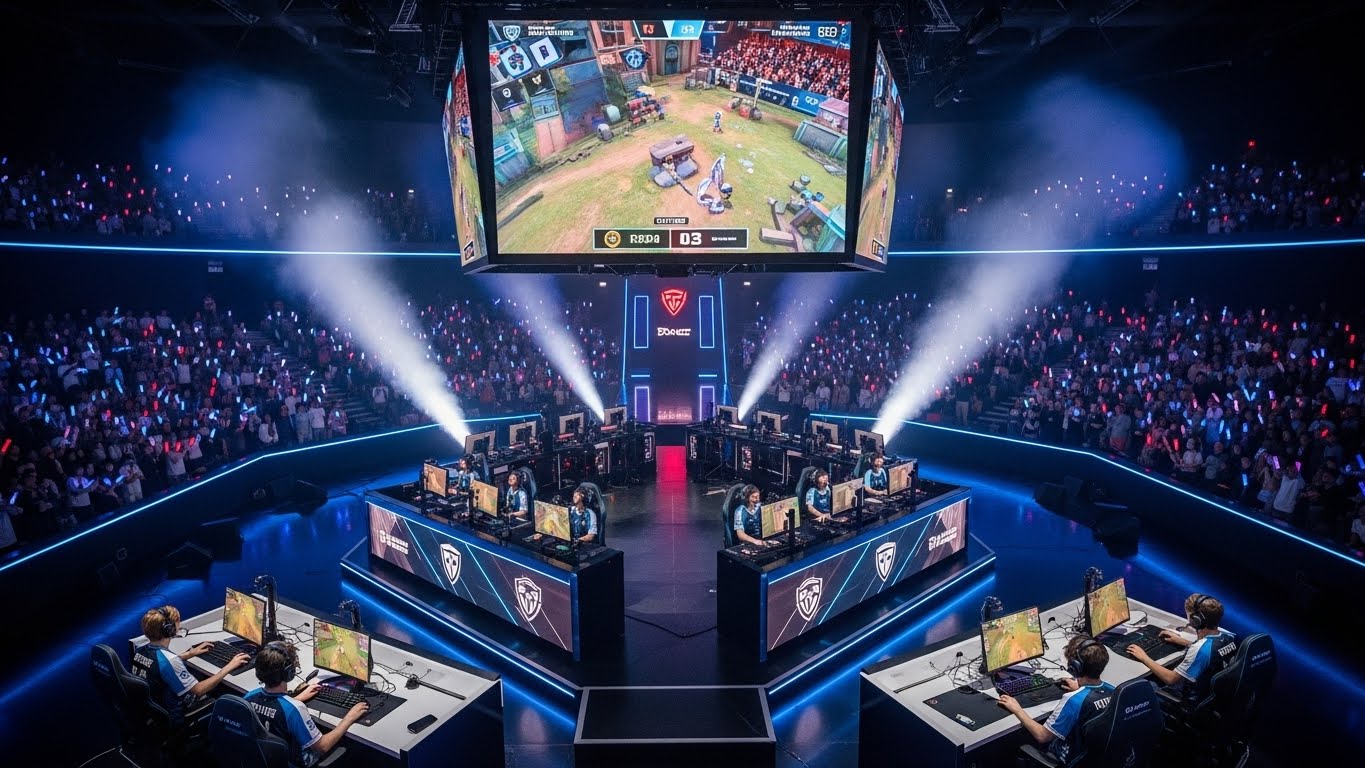
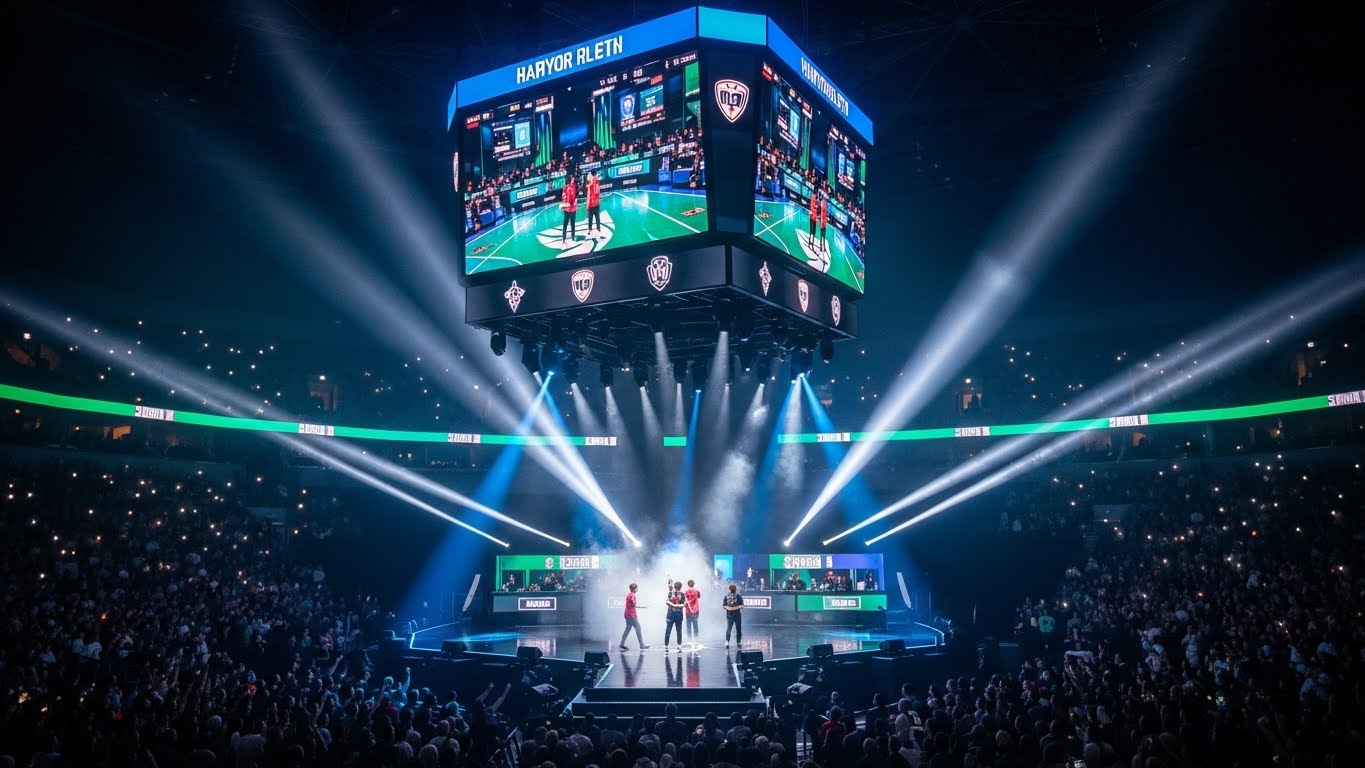
Modern esports tournaments are grand spectacles that rival traditional sports events in scale and production value. Major tournaments fill stadiums with thousands of spectators, while millions more watch online. Games such as Dota 2, League of Legends, and Counter-Strike host international competitions with multi-million-dollar prize pools.
These tournaments serve multiple purposes. They highlight elite gameplay, provide marketing opportunities for sponsors, and create narratives around players and teams. Fans become emotionally invested in rivalries, comebacks, and upsets, creating a sense of drama similar to that of traditional sports. Esports tournaments are not just competitions; they are events designed to entertain, inspire, and unite communities.
Technology: The Backbone of Esports
Technology is central to the growth and sustainability of esports. High-performance computers, fast internet connections, advanced graphics, and streaming platforms enable competitive gaming on a global scale. Live streaming has revolutionized fan engagement, allowing audiences to watch matches, interact through chat, and participate in discussions in real time.
Data analytics and artificial intelligence also play an increasingly important role. Teams use advanced analytics to evaluate player performance, develop strategies, and scout new talent. Game developers leverage technology to maintain competitive balance, improve gameplay, and create immersive experiences. The interplay between technology and esports ensures that the industry will continue to innovate and evolve.
The Mental Game: Psychology in Esports
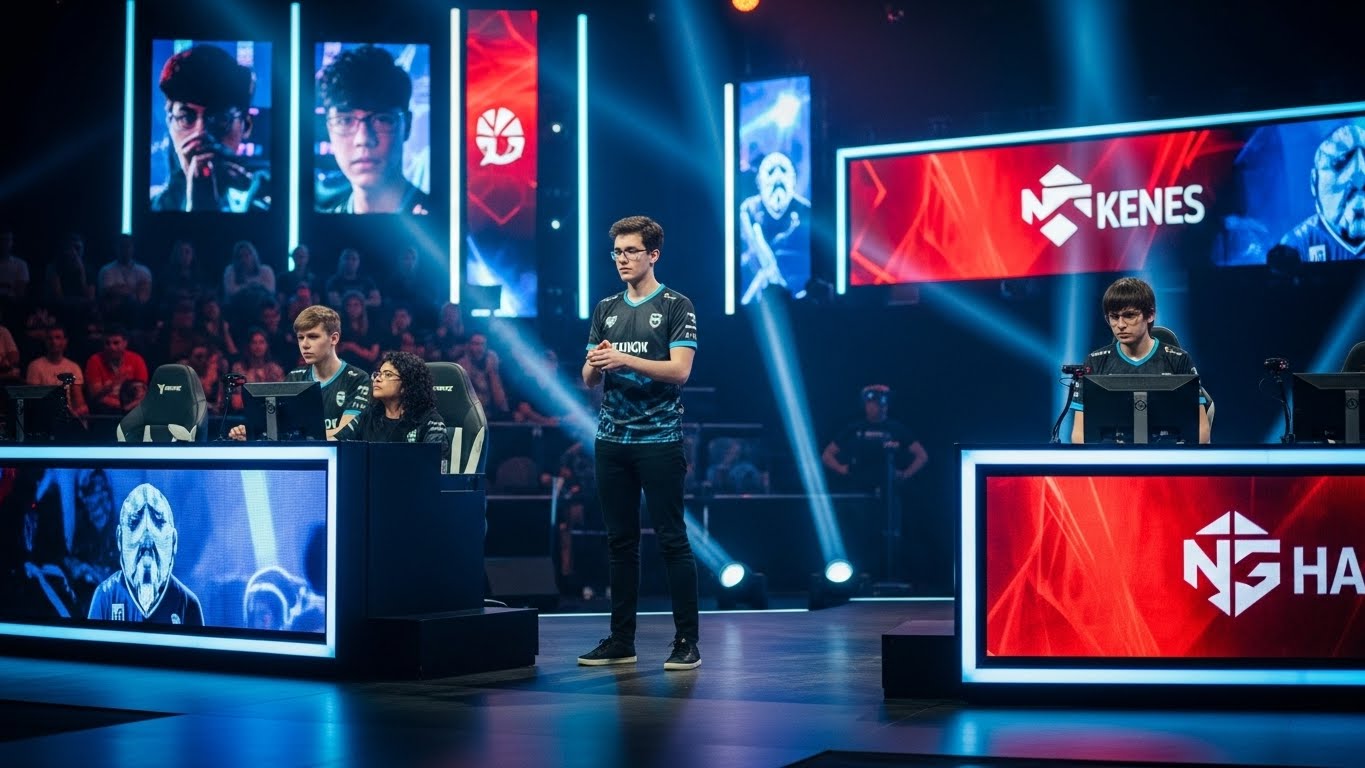
Success in esports requires more than technical skill. Players must possess mental resilience, strategic thinking, and the ability to perform under pressure. Competitive gaming can be mentally taxing, with long hours of practice, intense scrutiny from fans, and high-stakes tournaments. Developing focus, maintaining confidence, and managing stress are crucial components of a successful esports career.
Team dynamics are also critical. Communication, trust, and coordination are necessary for executing complex strategies. In many ways, esports mirrors traditional team sports in its psychological demands, emphasizing the importance of teamwork, leadership, and mental fortitude alongside individual talent.
Economic Impact of Esports
Esports is a multi-billion-dollar industry with diverse revenue streams. Prize money, sponsorship deals, media rights, merchandise, and advertising all contribute to its growth. Major brands recognize esports as a gateway to younger, tech-savvy audiences, while universities offer scholarships to competitive players, acknowledging the legitimacy of esports as a professional pursuit.
Beyond individual earnings, esports stimulates local economies. Cities that host tournaments benefit from tourism, job creation, and media exposure. The industry’s economic ecosystem demonstrates that esports is more than entertainment; it is a driver of financial growth and innovation.
Challenges Facing the Esports Industry
Despite its success, esports faces several challenges. Player burnout and mental health concerns are significant, as professional gaming demands long hours and intense focus. Legal and regulatory frameworks for tournaments, sponsorships, and online betting are still evolving, creating uncertainties. Additionally, issues of diversity and inclusivity remain, with ongoing efforts to ensure equal opportunities for all players.
Skepticism from mainstream audiences and traditional sports institutions is another hurdle. Some question the legitimacy of esports as a sport due to its digital nature. However, the strategic depth, skill requirements, and competitive rigor of esports increasingly demonstrate that it is every bit as demanding as traditional athletics.
The Future of Esports
The future of esports is promising and multifaceted. Emerging technologies such as virtual reality and augmented reality could transform competitive gaming, creating more immersive and interactive experiences. The expansion of mobile esports will reach audiences in regions with limited access to high-end gaming hardware, further broadening participation.
Educational institutions are also recognizing the potential of esports, integrating programs to develop skills in game design, management, and competition. Partnerships between traditional sports leagues, media companies, and esports organizations point toward a convergence of entertainment platforms that will redefine audience engagement and content consumption.
Conclusion
Esports has transformed from a niche hobby into a global cultural, technological, and economic force. It has redefined competition, entertainment, and career opportunities, bridging gaps between players, fans, and communities around the world. From early arcade competitions to massive international tournaments, esports has evolved into a platform where skill, strategy, and innovation meet human ambition.
The appeal of esports lies not only in the games themselves but also in the stories they create, the communities they foster, and the opportunities they provide. As technology advances and audiences grow, esports will continue to redefine the meaning of competition and entertainment in the modern world. It is more than a game—it is a testament to creativity, resilience, and the universal human desire to connect through shared experiences.
Esports is not just the future of gaming; it is a new arena where digital gladiators test their limits, and spectators witness the excitement, challenges, and triumphs of a rapidly evolving global sport.