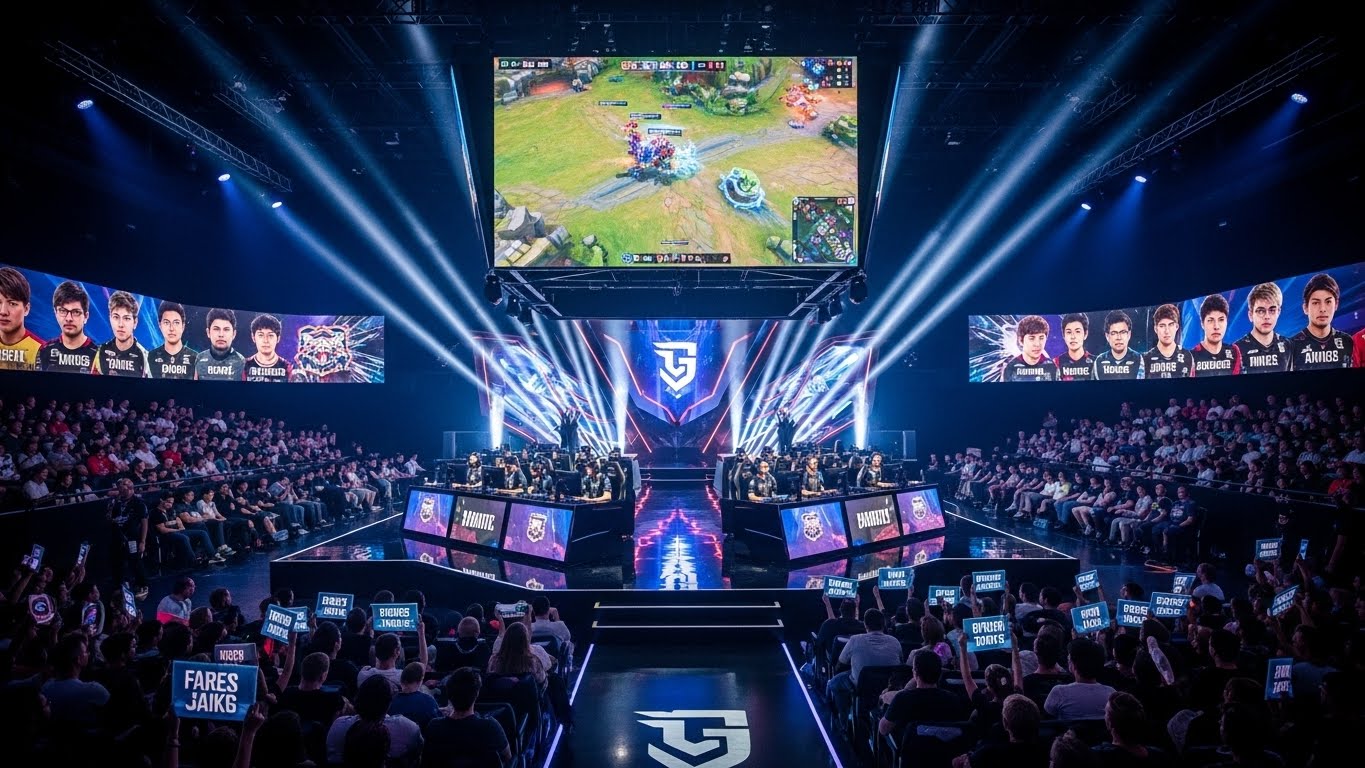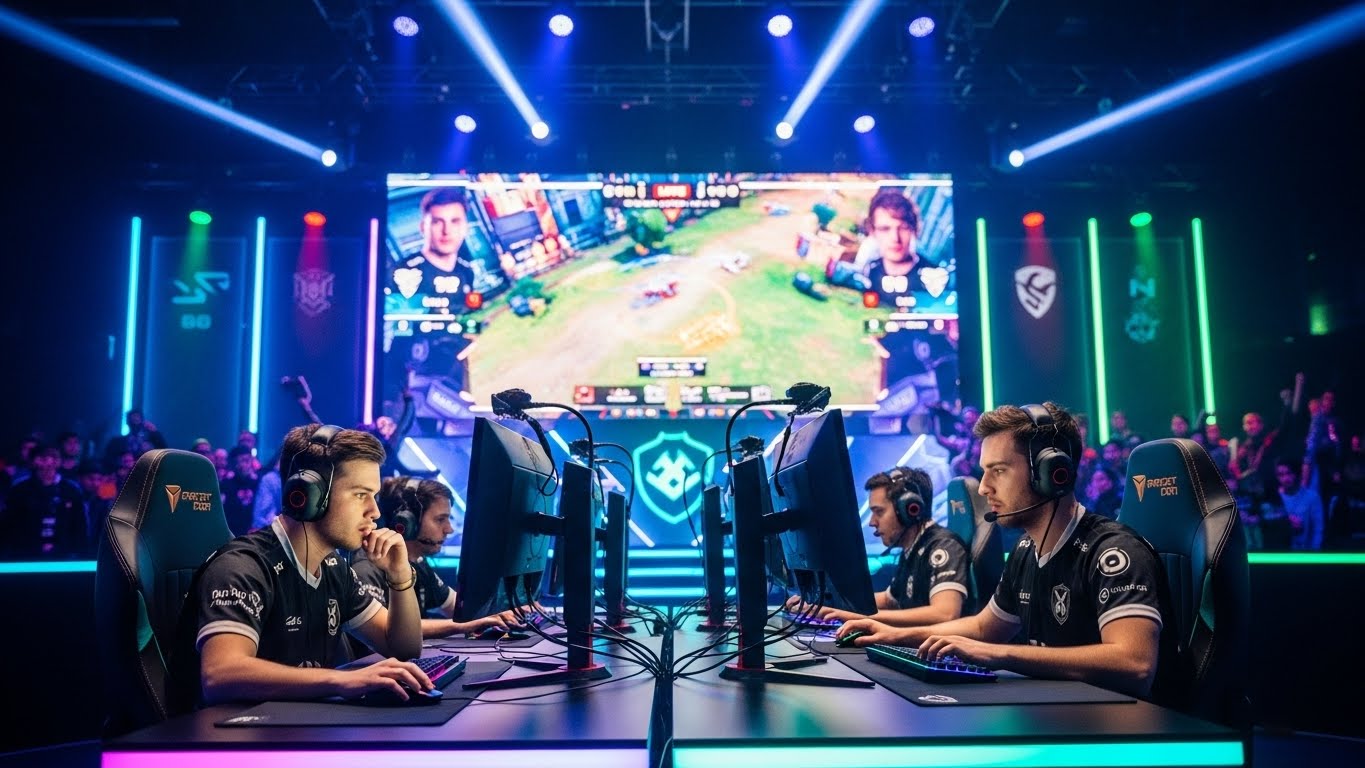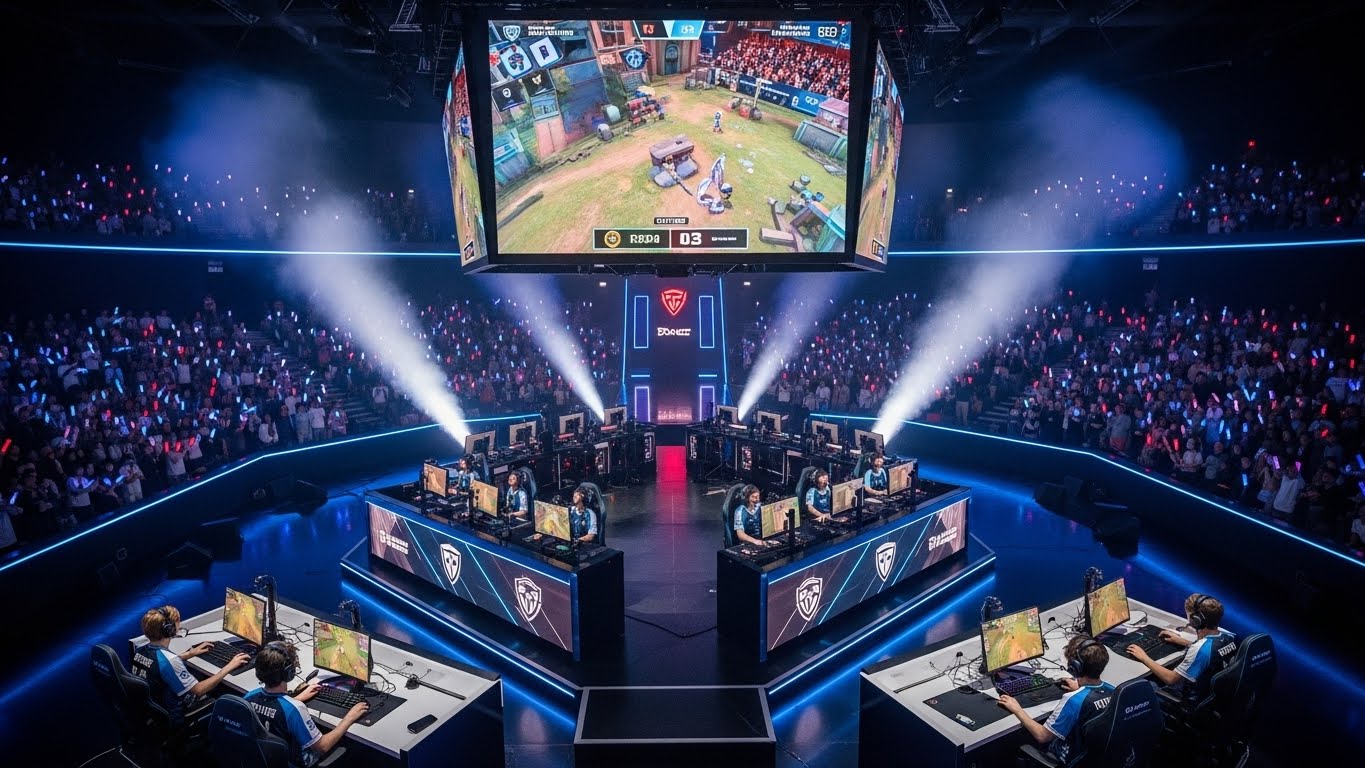

In the past few decades, esports has evolved from a niche subculture to a global phenomenon. From humble beginnings in small gaming communities to becoming a multi-billion-dollar industry, esports has captured the attention of millions of viewers worldwide. Whether it’s a virtual football match or an intense battle in a multiplayer online game, esports has become a central part of the entertainment landscape, challenging traditional sports in terms of viewership and fan engagement. This blog post will explore the rise of esports, its current impact on the entertainment industry, and its future potential.
What is Esports?
At its core, esports refers to competitive video gaming where players or teams compete in organized, multiplayer video game tournaments. These tournaments often take place both online and in front of live audiences, with professional gamers, teams, and organizations vying for prestigious titles and significant prize money. Esports spans a wide array of gaming genres, including first-person shooters (FPS), real-time strategy (RTS), multiplayer online battle arena (MOBA) games, and battle royale titles.
The defining characteristic of esports is the level of professionalism. Unlike casual gaming, where players engage in games for fun or relaxation, esports athletes dedicate hours every day to perfecting their gameplay, strategies, and teamwork. These athletes train like professional sports players, continuously improving their skills to stay competitive in high-stakes tournaments.
The Emergence and Growth of Esports
While competitive gaming has existed in some form since the 1970s, the modern era of esports began in the late 1990s. The first organized video game tournament, the Red Annihilation competition for the game Quake, took place in 1997 and attracted attention for its professional-level gameplay. However, it wasn’t until the early 2000s that esports started to gain real momentum, largely thanks to the rise of internet cafes and competitive games like StarCraft in South Korea.
South Korea became a hotspot for competitive gaming, largely due to the government’s efforts to promote internet connectivity and gaming infrastructure. In 2000, the StarCraft game reached a level of popularity so high that television networks began broadcasting matches, and StarCraft leagues were established. These leagues would eventually become a foundation for the professional gaming scene we know today.
In the 2010s, platforms like Twitch revolutionized esports. Twitch, a live streaming service for gamers, allowed players to broadcast their gameplay to a global audience. This significantly increased the visibility of esports and allowed fans to watch live tournaments, interact with players, and even contribute financially via donations. As a result, esports began to attract more sponsors, media coverage, and, most importantly, larger audiences.
The Esports Ecosystem: Players, Teams, and Tournaments
Esports is more than just about the games—it’s about the entire ecosystem that supports them. This includes professional players, teams, organizers, fans, and media partners.
Professional Players and Teams
Professional esports players are individuals who compete in tournaments as part of a team or as solo players. These athletes dedicate their lives to their craft, often training for hours every day to perfect their gameplay and strategy. In many ways, professional gamers train and prepare just like traditional athletes. Some esports players even participate in coaching sessions, while others spend significant time studying game mechanics and watching competitor matches to better understand their opponents’ strategies.
Teams are another critical part of the esports ecosystem. Similar to traditional sports, esports teams comprise players who work together to compete in tournaments. These teams are often backed by organizations, which provide them with the resources, coaches, and analysts needed to succeed. Teams like Cloud9, Team Liquid, and Fnatic are among the most well-known and successful in the world.
Esports organizations sign players to contracts and manage their professional careers. They also provide equipment, sponsorships, and guidance to ensure their players are prepared for the physical and mental demands of high-level competition.
Esports Tournaments and Leagues
Tournaments and leagues are at the heart of the esports industry. Some of the most prestigious esports events include The International (for Dota 2), League of Legends World Championship, Overwatch League, and CS:GO Major Championships. These tournaments attract players from across the globe to compete for substantial prize pools, often amounting to millions of dollars.
The structure of esports tournaments can vary widely depending on the game and the region. Some competitions are one-time events, such as The International, while others take the form of seasonal leagues, like the League of Legends Championship Series or the Overwatch League.
Tournaments can be broadcast live to millions of fans via platforms like Twitch and YouTube. Viewers watch not only for the gameplay but for the spectacle that accompanies professional esports events, including the intense rivalries, emotional moments, and celebrations of victory.
The Financial Impact of Esports
Esports is no longer just a hobby or side interest; it’s a multi-billion-dollar industry. According to industry reports, global esports revenue exceeded $1 billion in 2020 and is expected to grow rapidly in the coming years. The financial success of esports comes from various revenue streams, including advertising, sponsorships, media rights, ticket sales, merchandise, and prize pools.
Sponsorships and Advertising
One of the primary sources of revenue for esports is sponsorship. Major global brands, such as Red Bull, Intel, Coca-Cola, and Mercedes-Benz, sponsor esports teams, events, and players. This creates mutually beneficial partnerships where companies can engage with a young, tech-savvy audience. As a result, esports tournaments are often heavily branded, with sponsors visible on team jerseys, tournament signage, and live broadcasts.
Esports sponsorships are also increasingly seen as a means of tapping into the millennial and Gen Z market. The majority of esports fans are young, tech-savvy individuals who spend a considerable amount of time online. This demographic is highly attractive to brands looking to advertise products that resonate with a digital-first generation.
Prize Pools and Earnings
The prize money in esports can be astronomical. The International, the premier Dota 2 event, has consistently boasted the largest prize pools in the industry, with the 2021 tournament offering over $40 million. Other games, such as Fortnite, League of Legends, and CS:GO, also feature massive prize pools. For many professional players, esports can be a highly lucrative career, with top players earning substantial salaries from tournament wins, sponsorships, and streaming.
In addition to prize money, top esports players can earn income through content creation, brand endorsements, and streaming on platforms like Twitch or YouTube Gaming. These revenue streams further solidify esports as a viable career for talented players.
Media Rights and Broadcasting
As esports gains popularity, traditional media companies are increasingly looking to get involved. Some of the biggest esports tournaments are now broadcast on major television networks, including ESPN and TBS. Media rights for esports tournaments have become a valuable commodity as broadcasters compete to secure the rights to stream these events.
Streaming platforms like Twitch, YouTube Gaming, and Facebook Gaming have made esports accessible to a global audience. Fans can watch tournaments live, engage with commentators, and interact with players in real-time. These platforms also serve as a major source of revenue, with esports tournaments often generating millions of views and engaging a highly interactive fanbase.
The Future of Esports
As esports continues to expand, its future seems even more promising. The rise of virtual reality (VR) and augmented reality (AR) could revolutionize how esports are played and experienced. VR technology could create fully immersive esports experiences, where players are physically inside the game environment, adding a new layer of excitement and challenge.
In addition, the continued integration of esports into mainstream media could help grow its reach even further. Just as traditional sports have their place in sports networks like ESPN, esports is beginning to gain coverage on mainstream television and digital media platforms. More companies are looking to invest in esports as a legitimate form of entertainment.
The inclusion of esports in traditional sports events and collaborations with well-known sports organizations is also likely to increase. The NBA, NFL, and other sports leagues are already investing in esports teams and tournaments, recognizing the potential for crossover appeal between esports and traditional sports fans.
Conclusion: Esports – A New Era of Competition and Entertainment
Esports is much more than a passing trend; it is the future of competitive entertainment. As the industry continues to grow, esports will continue to transform how we think about gaming, sports, and live entertainment. With millions of passionate fans, lucrative sponsorships, and professional players at the top of their game, esports has firmly established itself as a global phenomenon.
The excitement and intensity of esports competitions, coupled with the technological innovations that will shape its future, ensure that it will remain a central part of our digital culture for years to come. Whether you’re a gamer or a spectator, there’s no doubt that esports has permanently changed the entertainment landscape. The question is not whether esports is here to stay, but how it will continue to evolve as one of the most exciting and dynamic industries in the world.