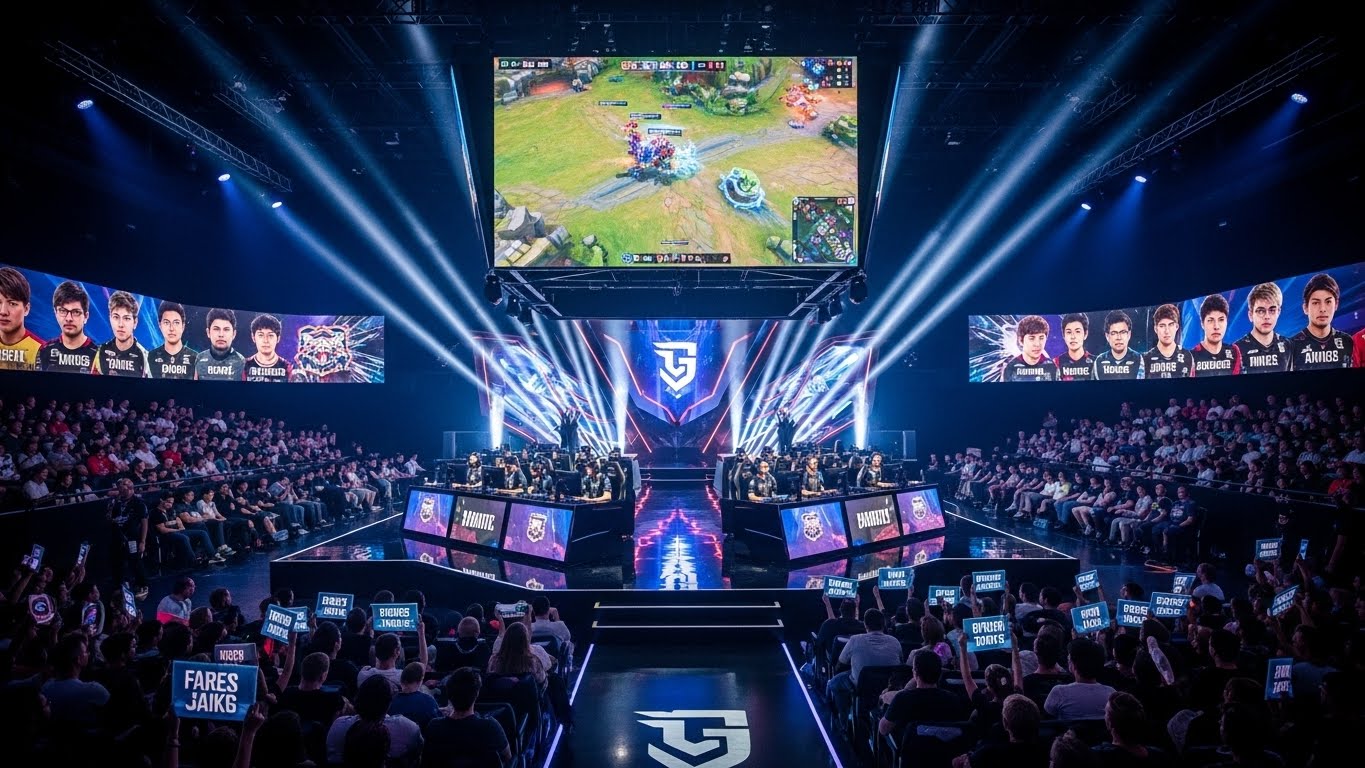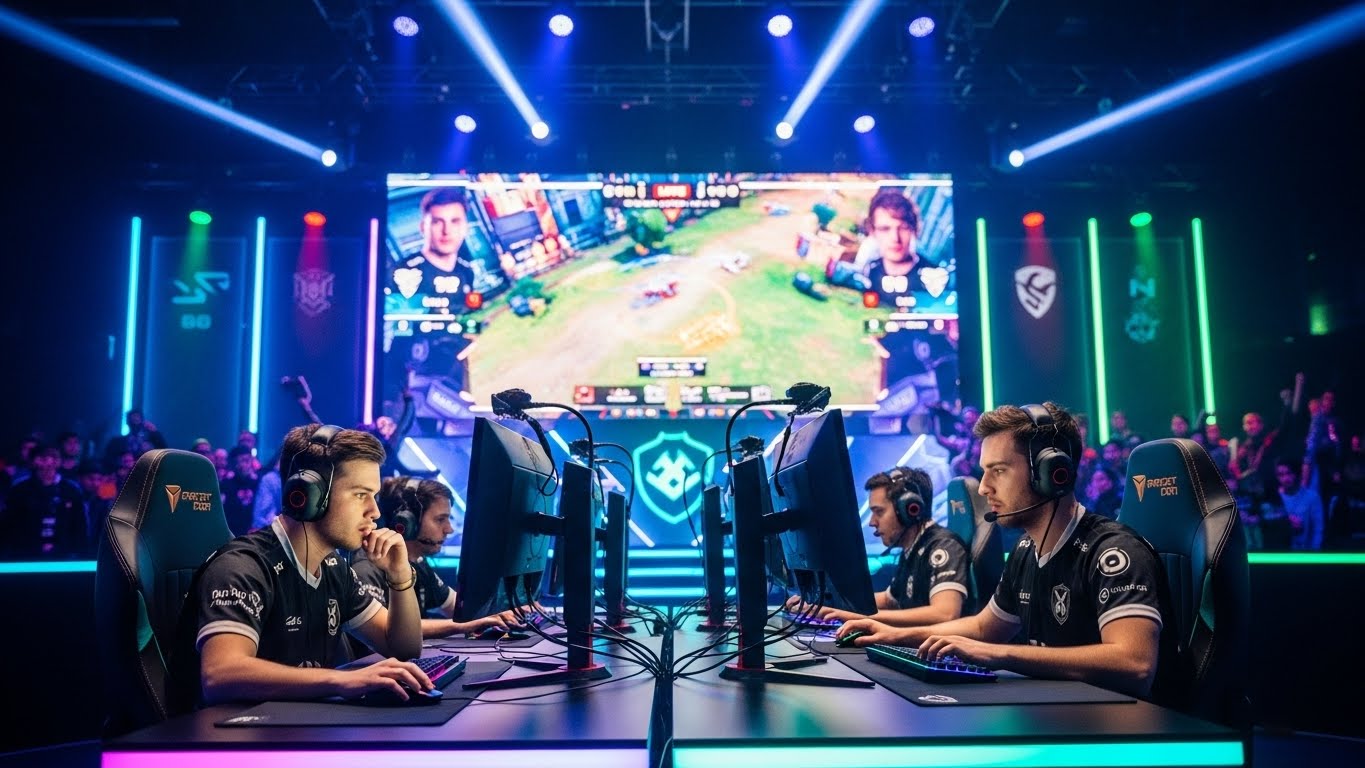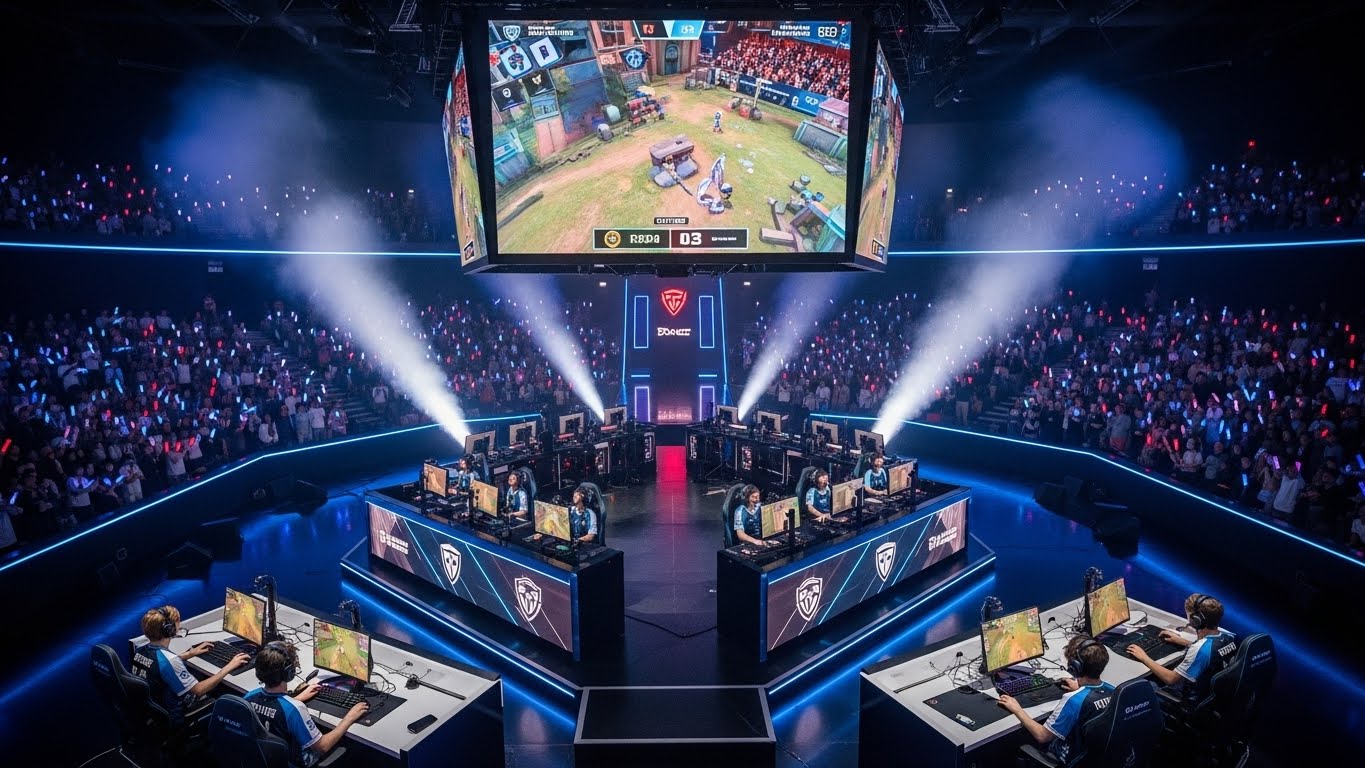
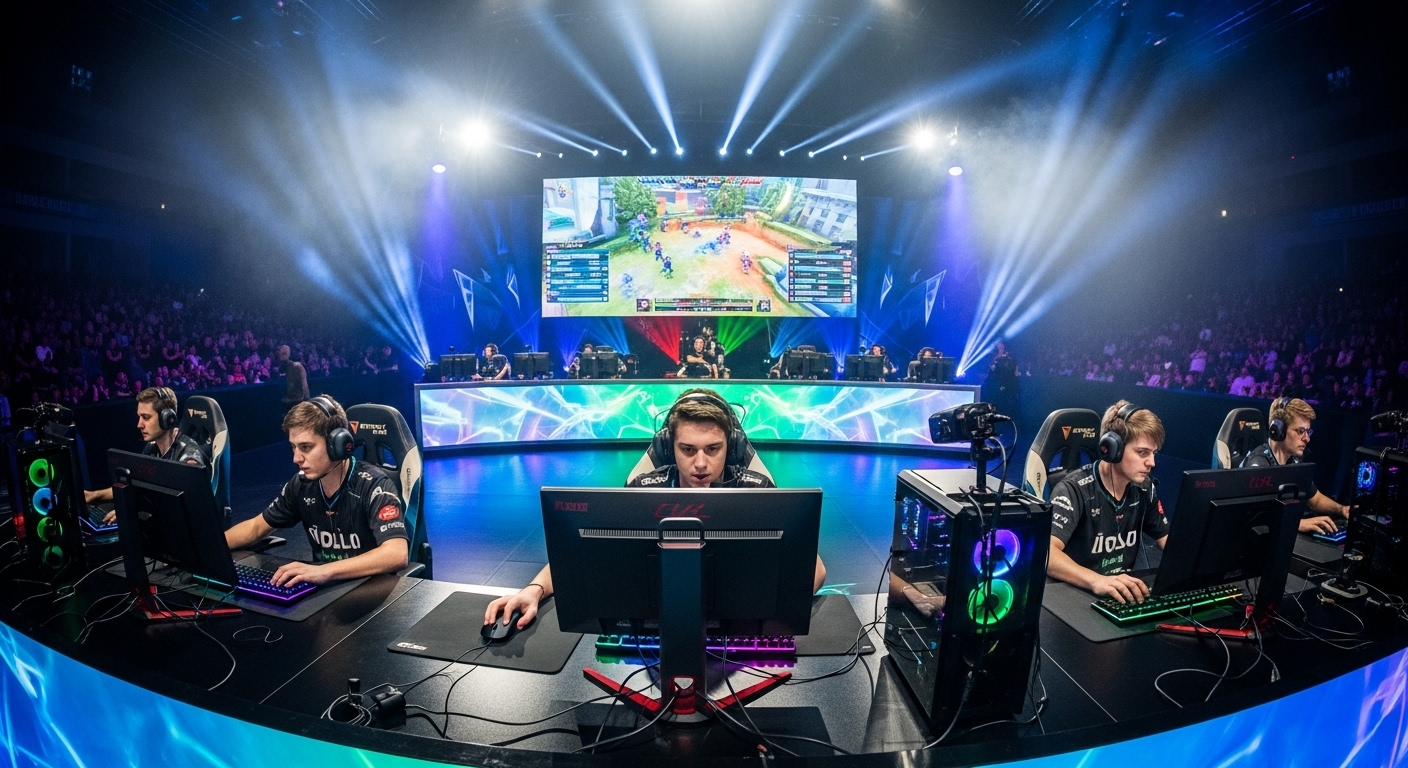
Esports, short for electronic sports, has evolved from niche hobbyist competitions into a global phenomenon with professional leagues, massive audiences, and significant economic impact. Over the past two decades, Esports has grown from simple multiplayer competitions into a sophisticated, highly competitive industry that rivals traditional sports in both popularity and cultural relevance. This blog explores the multifaceted world of Esports, tracing its history, examining its impact, and forecasting its future in an increasingly digital society.
The Origins of Competitive Gaming
The roots of Esports can be traced back to the early days of video games. In the 1970s and 1980s, arcades became the breeding ground for competitive gaming. Players would gather in these neon-lit halls, not just for fun but to prove their mastery over games like Space Invaders, Pac-Man, and Donkey Kong. The first known competitive gaming event, the 1980 Space Invaders Championship, drew over ten thousand participants in the United States. This event showcased the early appeal of competitive gaming: a mix of skill, strategy, and community.
As home consoles and personal computers became more common in the 1980s and 1990s, competitive gaming expanded into living rooms and local gaming clubs. Titles such as Street Fighter II and StarCraft began to define the competitive gaming landscape. Players discovered that mastery of these games could bring prestige, recognition, and sometimes even small financial rewards, setting the stage for Esports’ future professionalization.
The Evolution of Esports into a Global Industry
The turn of the millennium marked a critical shift for Esports. The rise of the internet made online multiplayer gaming accessible to millions, enabling players from different regions to compete against one another in real-time. Games like Counter-Strike, Warcraft III, and Halo pioneered online competitive communities and introduced the concept of team-based strategy at a professional level.
Professional Esports leagues started to emerge, particularly in South Korea, where games like StarCraft: Brood War were broadcast on television, attracting hundreds of thousands of viewers. This era demonstrated that gaming could be more than entertainment—it could be a spectator sport. Sponsorships and advertising began to flow into these competitions, legitimizing the industry economically and culturally.
By the 2010s, Esports had grown into a truly global phenomenon. Games like League of Legends, Dota 2, and Overwatch created professional circuits with international tournaments, million-dollar prize pools, and audiences in the tens of millions. Platforms such as Twitch and YouTube Gaming allowed fans to watch live gameplay, interact with streamers, and follow their favorite teams from anywhere in the world. Esports had officially entered the mainstream.
Understanding the Esports Ecosystem
The Esports ecosystem is complex, consisting of players, teams, organizers, sponsors, streaming platforms, and fans. Each component plays a crucial role in sustaining the industry.
Players are the central figure in this ecosystem. Professional Esports athletes dedicate countless hours to perfecting their skills, often starting their careers in their teens. Like traditional athletes, they follow strict training regimens, including strategy analysis, reaction time exercises, and team coordination drills.
Teams provide structure and support for players. Organizations like T1, Cloud9, and Fnatic invest in coaching staff, analysts, and marketing teams to maximize both competitive success and brand growth. Teams not only compete but also build fan bases through merchandise, content creation, and social media engagement.
Tournaments and leagues are the backbone of Esports. Events like The International, League of Legends World Championship, and CS:GO Major Championships bring together top teams and players to compete for prestige and prize money. Organizers also focus on creating immersive fan experiences, with live audiences, high-quality production, and interactive digital platforms.
Sponsors and advertisers fund Esports growth. Brands ranging from technology companies to mainstream consumer goods recognize the value of reaching Esports’ young, tech-savvy audience. Sponsorship deals provide financial support to players and teams, while also driving advertising revenue for streaming platforms and event organizers.
Popular Esports Titles and Genres
Esports covers a wide variety of game genres, each with its own competitive scene and fan base. Some of the most popular categories include:
MOBA (Multiplayer Online Battle Arena): Games like League of Legends and Dota 2 dominate this genre. Teams of five players battle to destroy each other’s bases, requiring strategic planning, coordination, and adaptability. MOBAs are celebrated for their depth and complexity, which makes them exciting for spectators.
FPS (First-Person Shooter): Titles like Counter-Strike: Global Offensive, Call of Duty, and Valorant exemplify this fast-paced genre. Success depends on precision, reflexes, and tactical decision-making. FPS games often feature smaller teams but intense, high-stakes matches that are thrilling to watch.
Battle Royale: Games such as Fortnite and PUBG combine survival mechanics with last-man-standing competition. This genre’s unpredictable gameplay creates moments of tension and excitement, drawing large audiences and a strong streaming community.
Sports Simulations and Fighting Games: Titles like FIFA, NBA 2K, Street Fighter, and Tekken simulate real-world sports or one-on-one combat. These games allow both casual and competitive players to test their skills in a digital arena.
Each genre offers unique opportunities for competition, storytelling, and audience engagement. The diversity of games ensures that Esports can appeal to a broad range of players and fans.
Esports and Streaming Culture
Streaming platforms have been instrumental in Esports’ growth. Twitch, YouTube Gaming, and other platforms allow fans to watch live matches, interact with players, and participate in gaming communities. This interactive viewing experience sets Esports apart from traditional sports, fostering a sense of connection between players and audiences.
Streamers often serve as influencers, bridging the gap between casual gaming and professional Esports. Popular streamers create content that entertains, educates, and inspires new players, expanding the overall ecosystem. The rise of streaming has also created new revenue streams, such as subscriptions, donations, and sponsorships, further fueling the growth of Esports.
Economic Impact of Esports
Esports has grown into a multi-billion-dollar industry with significant economic implications. Revenue comes from multiple streams, including tournament prize pools, team sponsorships, advertising, streaming subscriptions, and merchandise sales. Major tournaments can generate millions in ticket sales, while high-profile players and teams command lucrative contracts with sponsors.
Countries around the world are investing in Esports as an economic driver. South Korea, China, and the United States have established professional leagues, training facilities, and government-supported initiatives to nurture Esports talent. This investment not only boosts the economy but also positions Esports as a legitimate career path for aspiring players.
The Social Impact of Esports
Esports is more than an industry; it’s a cultural phenomenon with far-reaching social implications. It provides a sense of community, especially for individuals who may feel isolated or marginalized. Online gaming communities bring people together across geographic, cultural, and linguistic boundaries.
Esports also challenges traditional perceptions of athleticism and competition. Professional gamers demonstrate skill, discipline, and teamwork comparable to traditional sports athletes. This has helped foster broader acceptance of Esports as a legitimate form of competition and entertainment.
Challenges Facing the Esports Industry
Despite its rapid growth, Esports faces several challenges. Player burnout is a significant concern due to the demanding training schedules, constant travel, and intense competition. Mental health and wellness are increasingly recognized as critical issues, prompting organizations to provide support systems and counseling for players.
Another challenge is ensuring fair competition. Cheating, match-fixing, and unethical behavior can undermine the integrity of Esports. Developers and organizers continuously work to implement anti-cheat systems, monitoring tools, and strict regulations to maintain a level playing field.
The industry also grapples with issues of inclusivity and diversity. While Esports has global reach, female players, minorities, and individuals from underrepresented regions often face barriers to entry. Creating an inclusive environment is essential for sustaining growth and fostering innovation.
The Future of Esports
The future of Esports is promising and filled with potential. Technological advancements such as virtual reality (VR) and augmented reality (AR) may redefine gameplay and viewer experiences. Imagine immersive arenas where spectators feel as if they are inside the game itself, or VR competitions that test players’ physical and cognitive skills simultaneously.
Esports is also likely to become further integrated with mainstream entertainment. Crossovers with movies, music, and traditional sports can create hybrid events that attract new audiences. Additionally, educational institutions are increasingly offering scholarships, training programs, and Esports courses, cementing the industry’s long-term legitimacy.
As Esports continues to mature, it may redefine the boundaries of competition, entertainment, and community engagement. The industry’s growth is not just a trend—it is a cultural shift that reflects the digital age and the evolving ways people interact with technology.
Conclusion
Esports has transformed from humble arcade competitions into a global powerhouse, captivating millions of players and spectators worldwide. Its growth demonstrates the power of digital communities, the appeal of skill-based competition, and the economic potential of interactive entertainment. From MOBAs to FPS games, from streaming platforms to massive international tournaments, Esports represents a new era in how people compete, connect, and consume entertainment.
The journey of Esports is a testament to innovation, passion, and perseverance. As technology advances and global interest grows, Esports will continue to shape the future of sports, media, and culture. Whether you are a player, fan, or industry observer, one thing is clear: Esports is not just a game—it’s a revolution.