Esports has evolved from a niche hobby into a global powerhouse, redefining the way people play, watch, and connect through games. With professional leagues, international tournaments, and millions of fans worldwide, esports is more than entertainment—it is a cultural movement shaping the future of competition.
The Evolution of Esports
Competitive gaming has come a long way from local arcade contests and LAN parties. Today, esports is a sophisticated ecosystem with professional teams, coaches, and sponsorship deals. Genres like multiplayer online battle arenas, first-person shooters, and strategy games dominate the competitive scene, turning passionate players into full-time athletes. This evolution highlights how gaming has matured into a respected and recognized profession.
The Life of a Professional Player
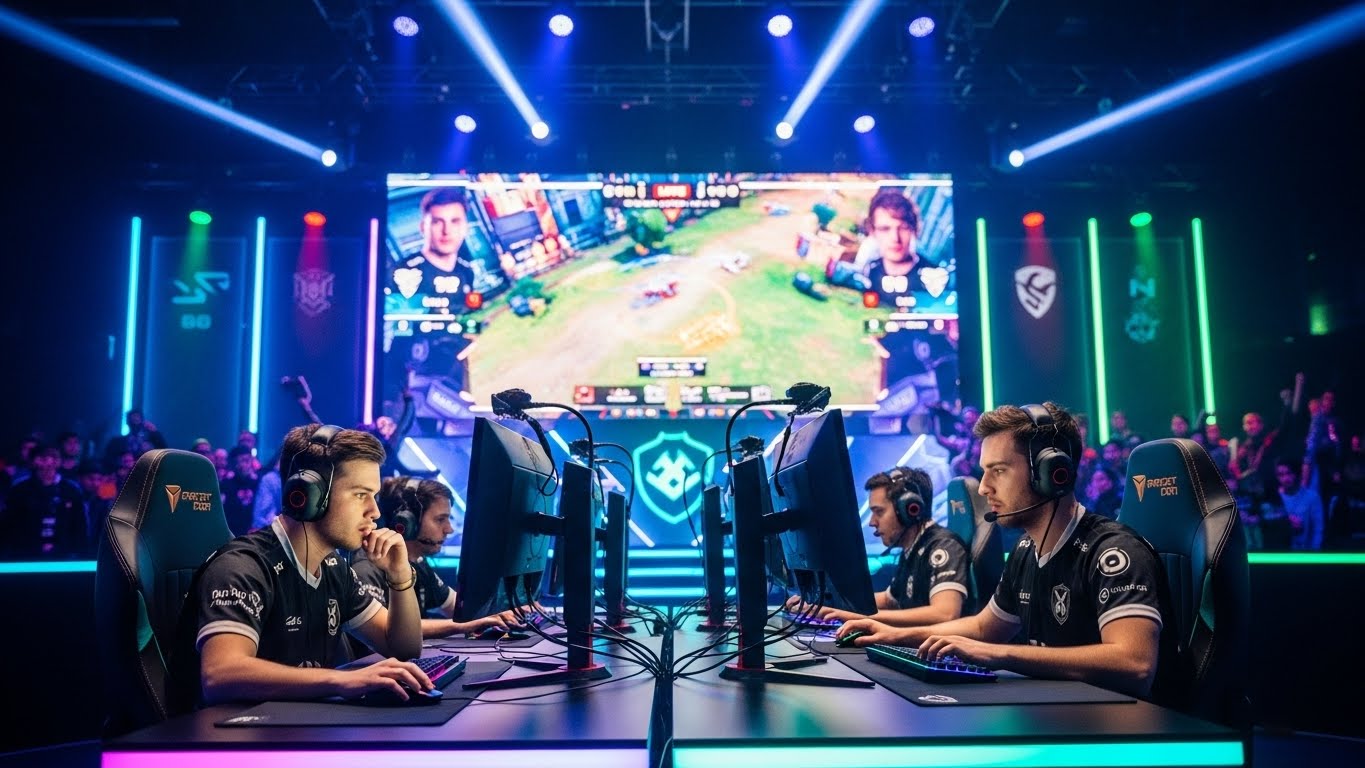
Being a professional esports athlete requires discipline, strategy, and dedication. Players often train for several hours a day, analyzing gameplay, developing teamwork, and honing their reflexes. Beyond skill, mental resilience is key, as intense competition can be both physically and psychologically demanding. Streaming and interacting with fans also play a major role, allowing players to build personal brands while connecting with their community.
The Spectacle of Esports Tournaments
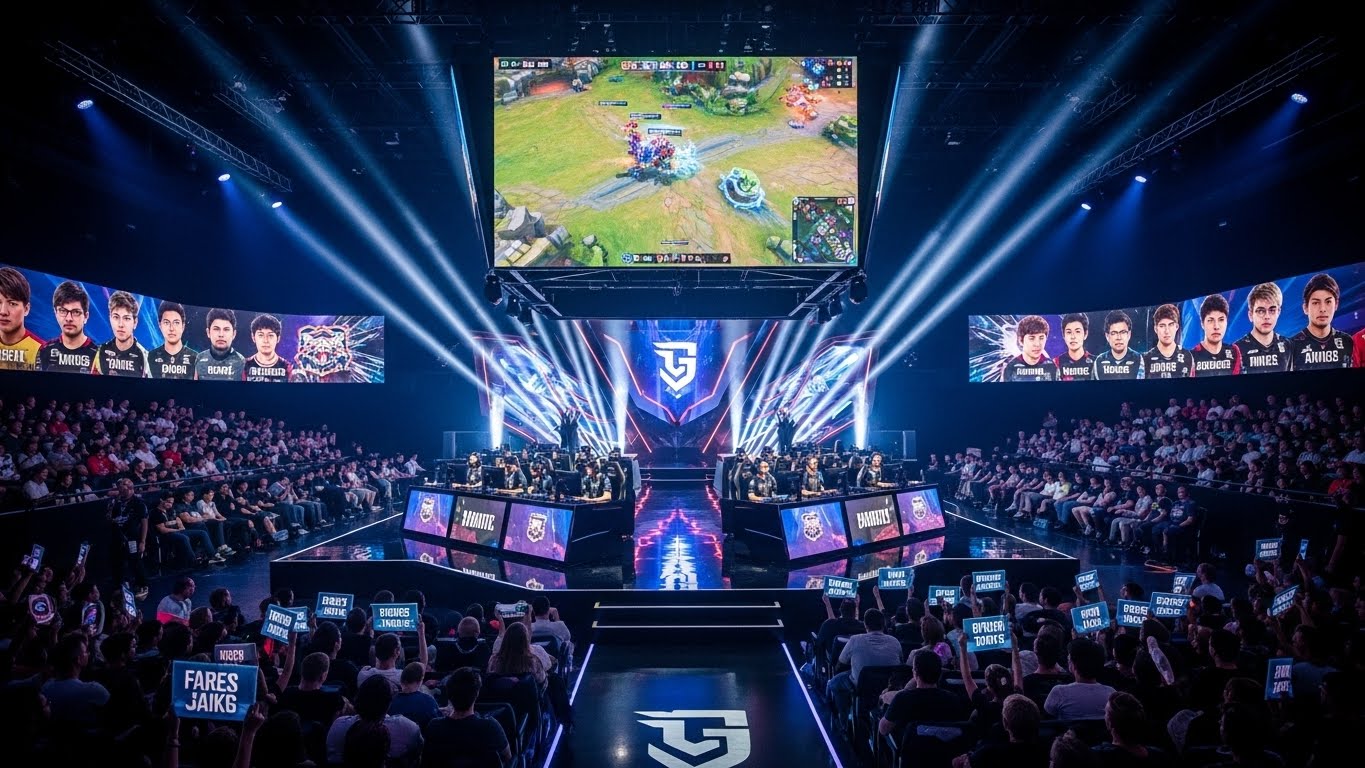
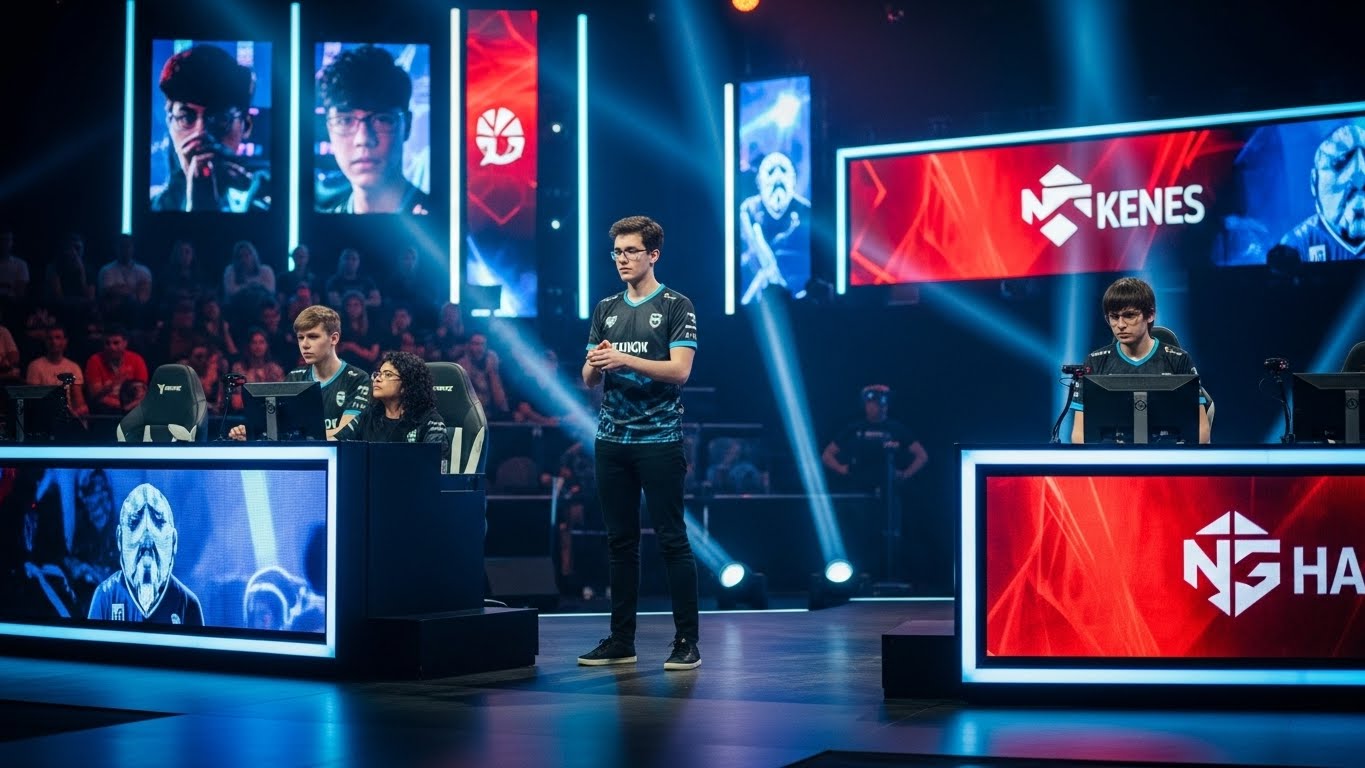
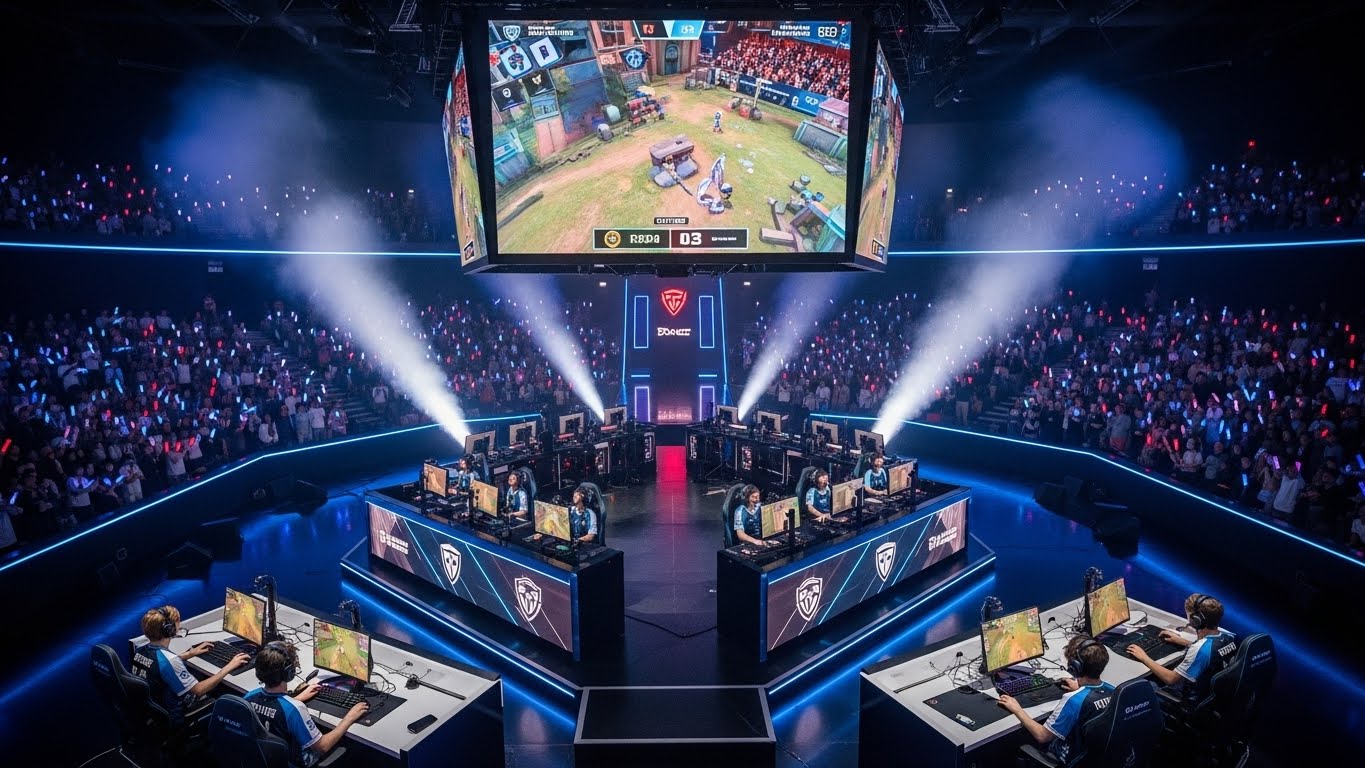
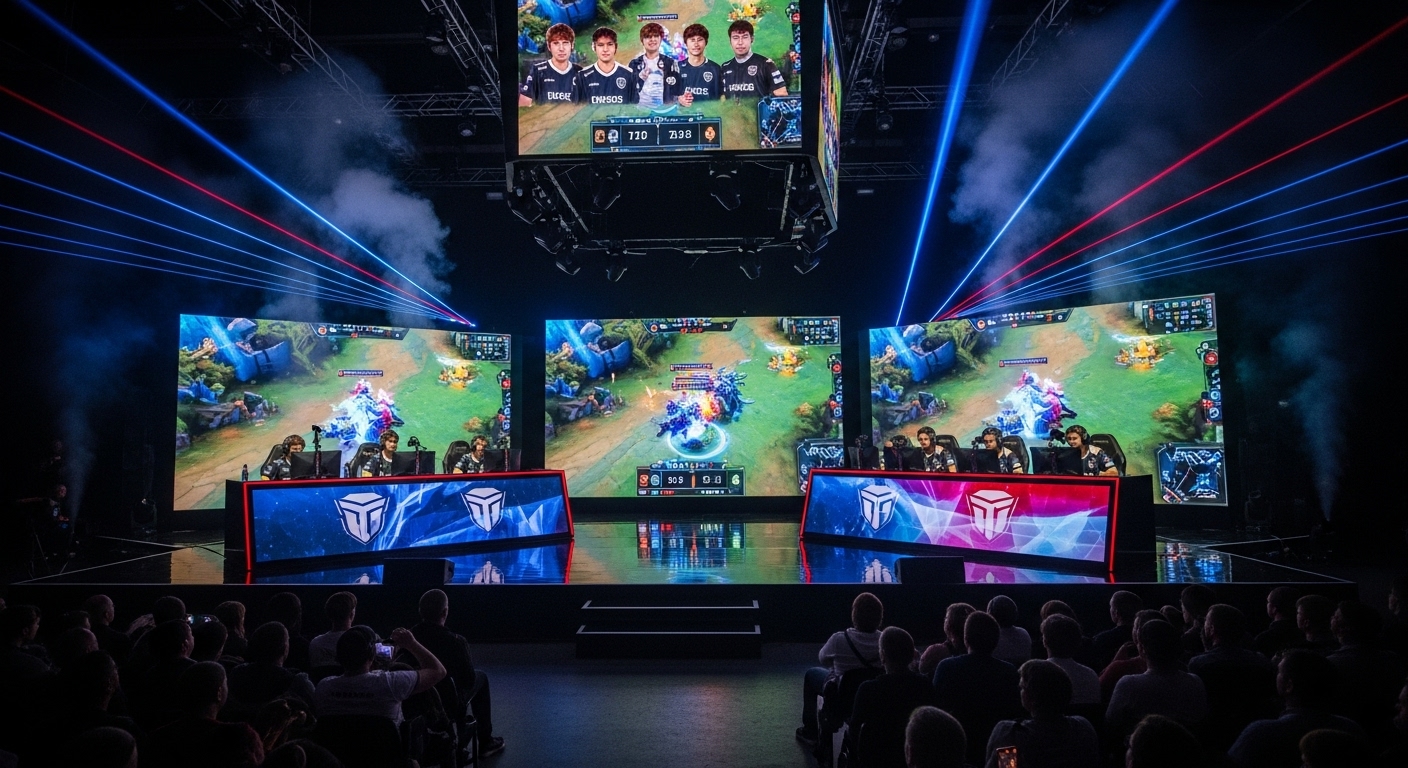
Esports tournaments are more than competitions—they are events that captivate global audiences. Major championships draw fans from all over the world, filling arenas and streaming platforms with excitement. Spectators follow their favorite teams, celebrate victories, and discuss strategies, creating a sense of community that rivals traditional sports fandom. These events demonstrate the widespread appeal and growing legitimacy of esports as a professional domain.
Technology Powering the Game
The growth of esports is fueled by advancements in technology. High-speed internet, state-of-the-art gaming equipment, and streaming services enable seamless global competition. Data analytics and artificial intelligence help teams optimize strategies, while innovations like virtual and augmented reality promise to transform how players and fans experience the game. Technology is not just a tool—it is the backbone of the esports revolution.
Career Opportunities Beyond Playing
Esports is a multi-faceted industry offering opportunities beyond playing professionally. Coaching, event management, marketing, content creation, and broadcasting are all critical roles supporting the ecosystem. Educational programs are emerging to train aspiring professionals, highlighting the legitimacy and long-term potential of careers within esports.
Cultural Impact and Community
Esports is more than gaming—it is a social phenomenon. It fosters global communities, encourages teamwork, and provides a platform for creativity and self-expression. Fashion, music, and entertainment are increasingly influenced by gaming culture, making esports a significant part of modern youth culture and a bridge between digital and real-world interactions.
Conclusion
Esports is no longer just a pastime—it is a global movement that blends competition, technology, and community. Its rapid growth showcases the power of gaming to unite people, inspire careers, and shape culture. As esports continues to expand, it will redefine what it means to compete, entertain, and connect in the digital age.