Introduction: The Evolution of a Digital Sport
Esports, once considered a niche hobby for tech enthusiasts, has transformed into one of the fastest-growing entertainment industries in the world. What began as small gaming tournaments in local arcades has evolved into stadium-filling events, multi-million-dollar prize pools, and a global fanbase that rivals traditional sports. Today, esports stands as a cultural movement that merges competition, technology, community, and innovation. This blog explores how esports grew to dominate modern entertainment, the elements that make it so popular, and what the future holds for this digital sport.
The Birth of Esports and Its Early Growth
While competitive gaming dates back to the early 1970s, the modern esports era truly began in the late 1990s with the rise of PC gaming and online connectivity. Players no longer had to gather in one physical location; they could now challenge opponents from across the world. Iconic games like StarCraft, Counter-Strike, and Warcraft III set the stage for organized tournaments, professional teams, and gaming leagues.
By the 2000s, countries like South Korea embraced gaming culture with unmatched enthusiasm. Dedicated esports stadiums were built, gaming channels aired matches live, and professional players became celebrities. This early adoption laid the foundation for esports to grow into a global powerhouse. As broadband internet expanded globally, competitive gaming followed closely behind, attracting players from every continent.
Why Esports Captures Millions: The Appeal of Digital Competition
The rapid growth of esports is no accident. It thrives because it taps into human passions that have existed for centuries: competition, storytelling, and community. Unlike traditional sports, esports is accessible to anyone with a device and an internet connection. A person does not need extraordinary physical abilities to participate; skill, strategy, and dedication are what matter.
The ease of access makes esports particularly appealing to younger audiences who grew up in a digital world. They relate naturally to virtual environments, interactive entertainment, and online communities. Esports also offers immediate feedback and constant updates, keeping the experience fresh and engaging year-round.
On top of this, esports games often come with deep lore, artistic design, and evolving gameplay mechanics. This combination creates an immersive experience that pulls viewers and players into a fast-paced, dynamic universe.
The Rise of Professional Esports Athletes
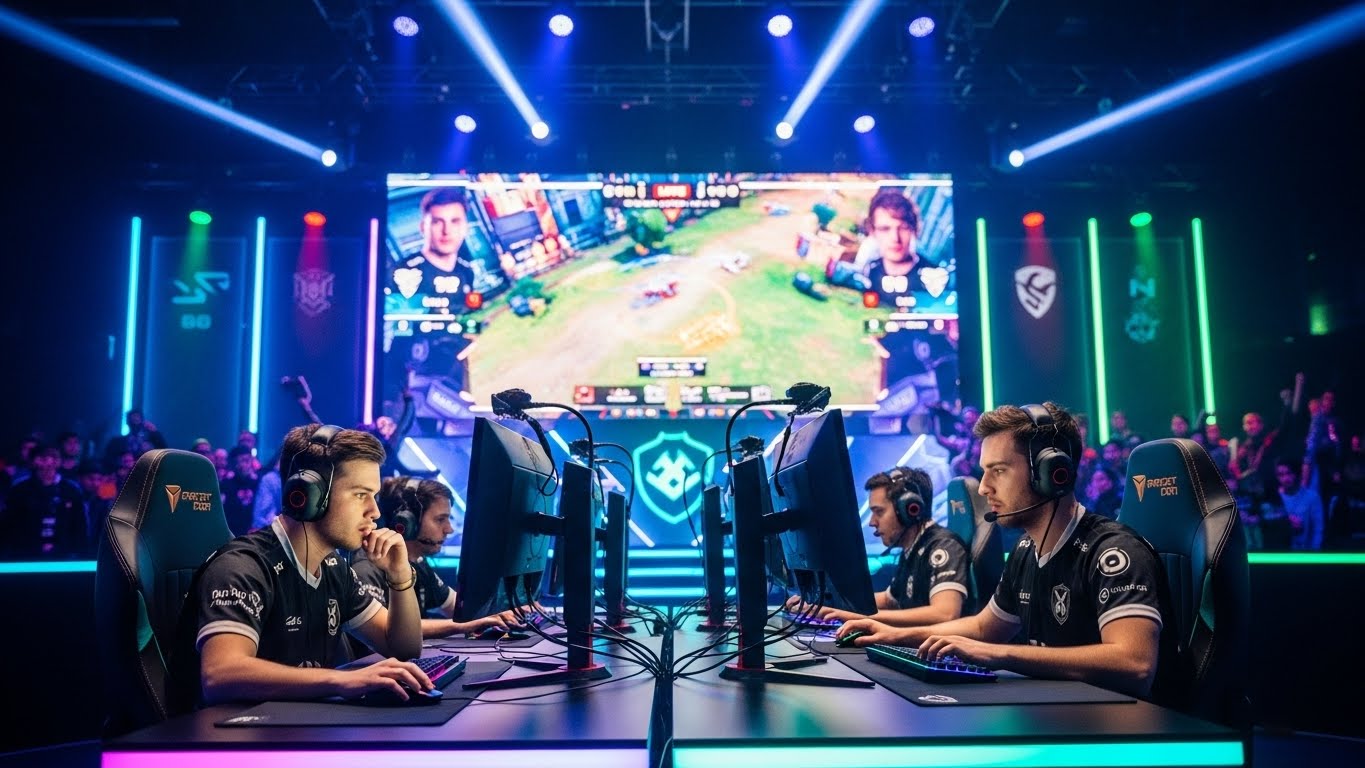
In recent years, esports players have achieved a status similar to professional athletes in traditional sports. They undergo rigorous training schedules, work closely with coaches and analysts, and study strategies for hours each day. A typical professional gamer can train anywhere from six to twelve hours daily, refining reflexes, communication, and tactical decision-making.
Esports teams function like major sports organizations. They hire managers, fitness coaches, nutritionists, and mental health experts to support their players. Players sign contracts, receive salaries, and often earn additional income from sponsorships, tournament winnings, and fan donations.
This level of professionalism reflects how seriously the world now views esports. It is not just a pastime—it is a demanding career requiring discipline, teamwork, and creativity.
Major Esports Titles That Shaped the Industry
The esports ecosystem covers numerous genres, each with its own passionate community. Some of the most influential titles include:
Multiplayer Battle Arenas: Games like League of Legends and Dota 2 established massive competitive scenes. Their strategic depth and team-focused gameplay attract millions of viewers annually.
First-Person Shooters: Counter-Strike, Overwatch, and Valorant remain popular for their fast-paced action, precise mechanics, and thrilling clutch moments.
Battle Royale Games: Titles such as Fortnite and PUBG redefined competitive gaming by introducing survival-based mechanics and unpredictable match dynamics.
Sports and Racing Games: FIFA, NBA 2K, and sim-racing titles draw fans who enjoy traditional sports in a digital format.
Each game has created its own ecosystem of tournaments, fanbases, and professional organizations, contributing to the diversity and strength of esports as a whole.
Esports Arenas: Where Digital Meets Real-World Energy
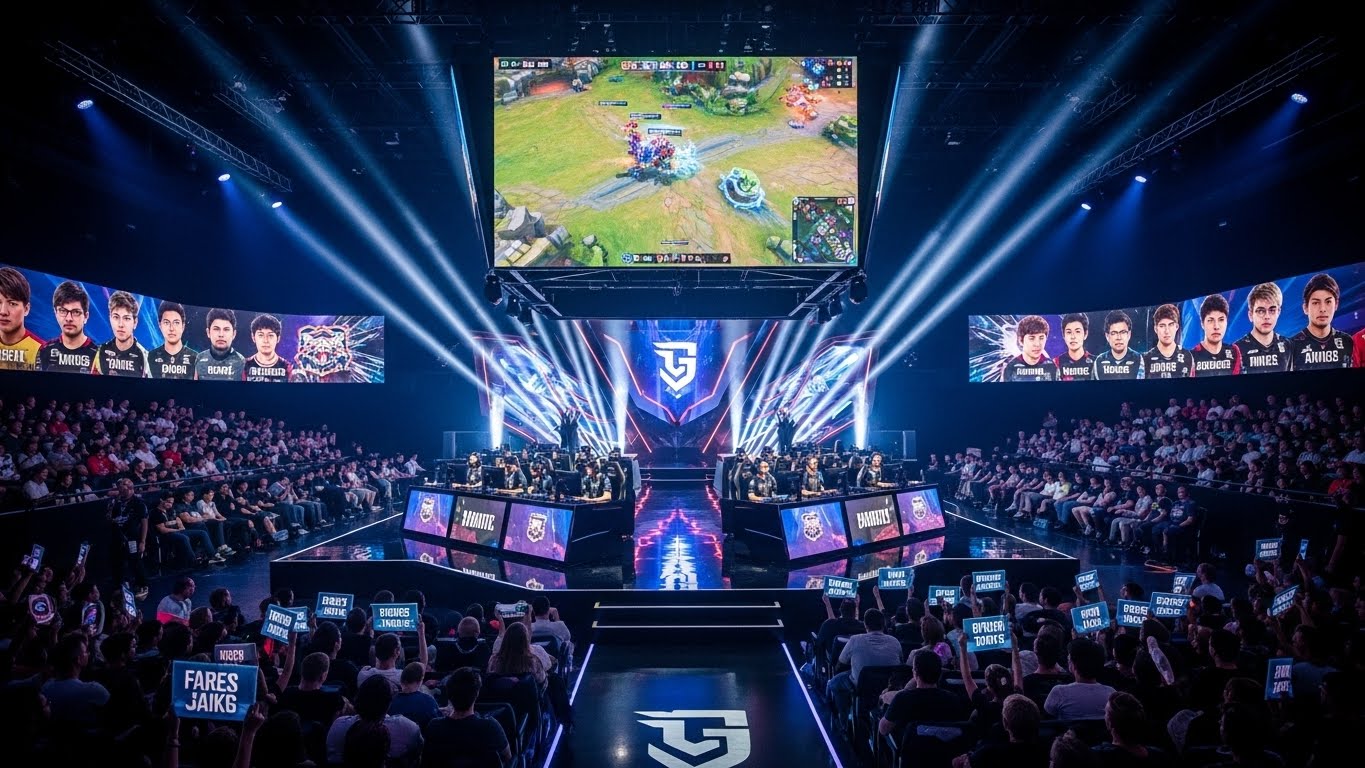
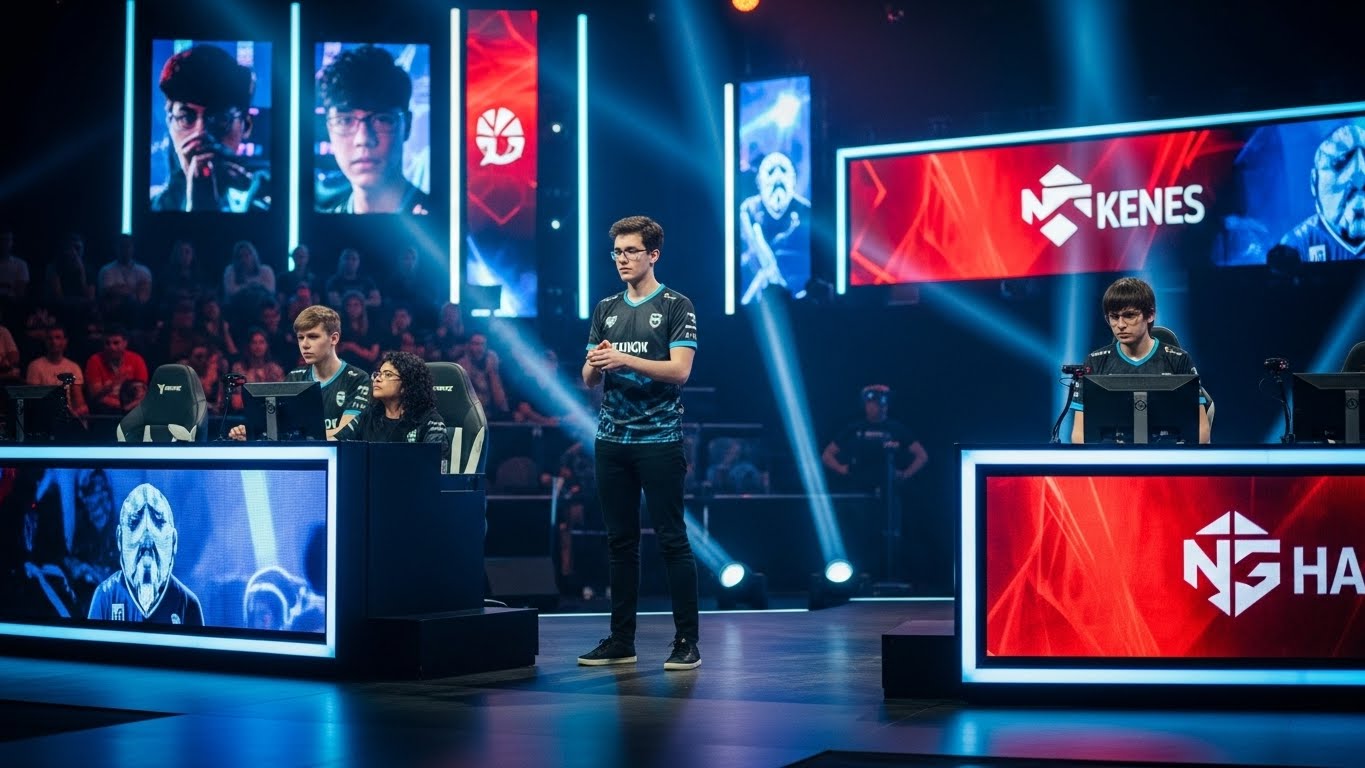
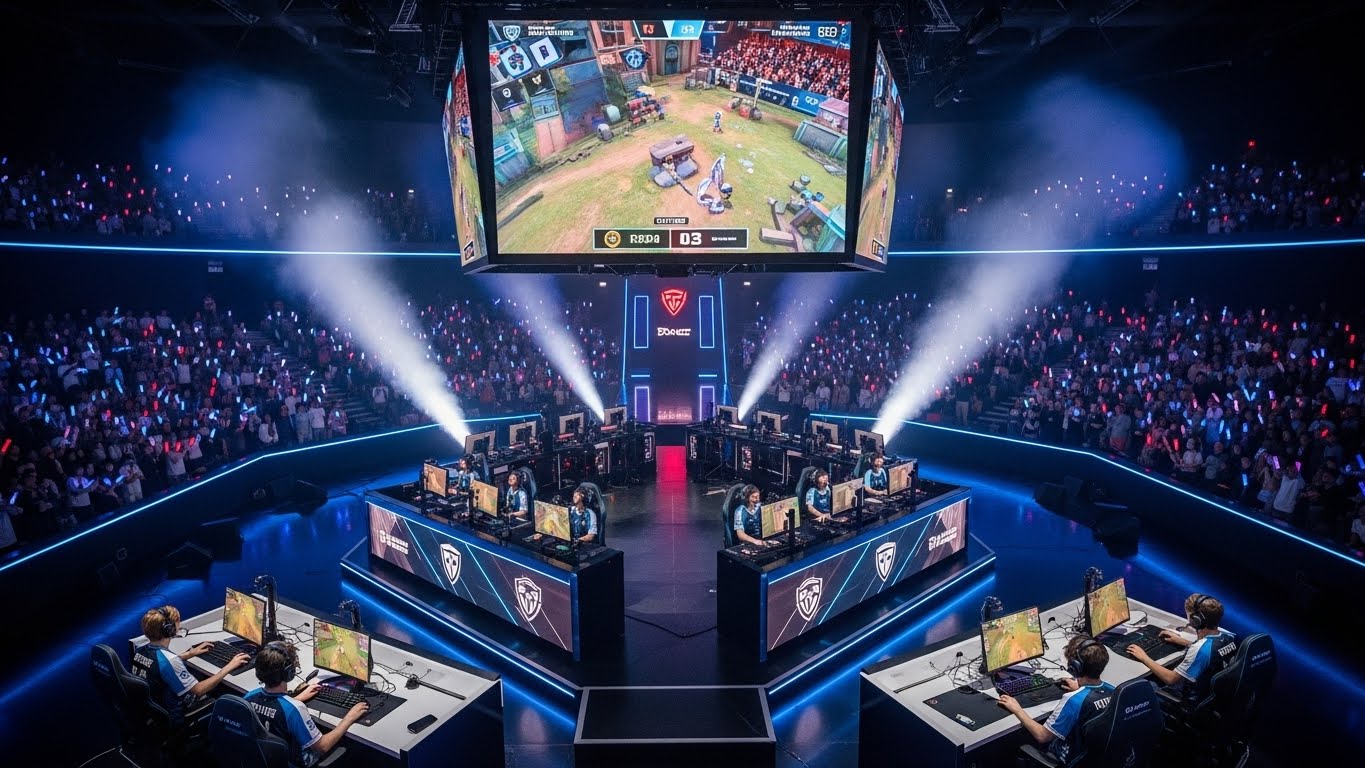
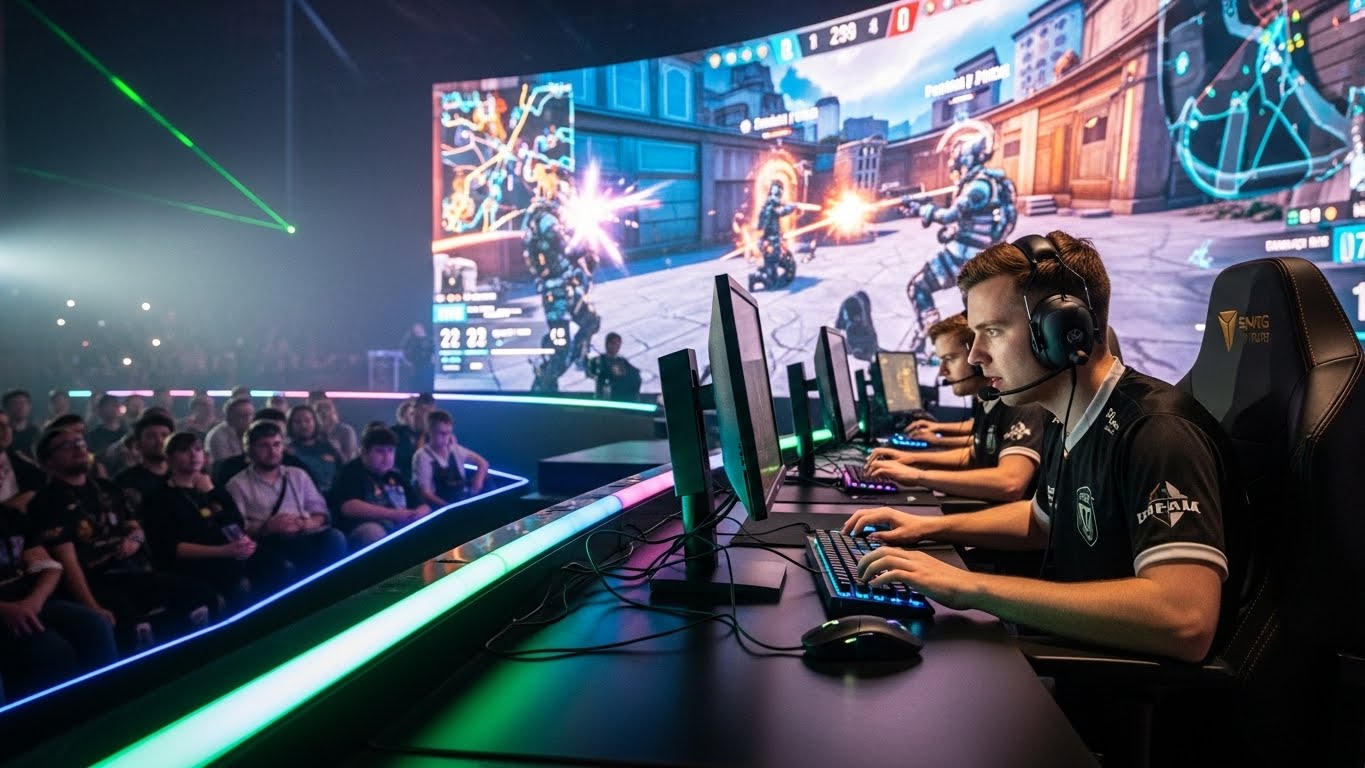
Esports events are no longer limited to computer screens. Today, live tournaments take place in massive arenas, drawing crowds comparable to concerts and traditional sporting events. Fans cheer for their favorite teams, wave banners, and wear jerseys. The energy in an esports arena is electric—every headshot, game-winning play, or last-second strategy shift ignites roaring excitement.
These events often include stage lighting, pyrotechnics, and large LED displays that transform matches into theatrical spectacles. The sense of community created at these events reminds us that esports is not just about screens and controllers—it is about shared passion and the thrill of competition.
Streaming Platforms: The Heartbeat of Esports Culture
One of the biggest driving forces behind esports growth is live streaming. Platforms dedicated to gaming have allowed fans to watch their favorite players practice, compete, or simply chat in real time. This creates a stronger bond between players and fans compared to traditional sports.
Streamers can build global audiences from their bedrooms, providing insights into their strategies, personalities, and daily lives. This transparency and interaction form a unique relationship between entertainers and viewers. Many professional players began their careers as streamers, showcasing their talents to the world until esports teams recruited them.
Streaming also democratizes content creation. Anyone with skill and charisma can rise to prominence if they resonate with an audience.
Esports as a Lucrative Global Industry
Esports has grown into a multi-billion-dollar industry driven by sponsorships, advertising, merchandise, event tickets, and media rights. Tech giants, energy drink brands, car manufacturers, and apparel companies all invest heavily in the industry. This influx of sponsorship money helps teams expand their operations, improve training facilities, and scout new talent.
Prize pools for major tournaments often reach staggering amounts. Some world championships award tens of millions of dollars to winning teams. With such financial incentives, esports is increasingly viewed as a legitimate professional pursuit.
Moreover, universities around the world now offer esports scholarships, fostering young talent and opening pathways for aspiring players who dream of going pro.
The Social Impact of Esports on Youth and Culture
Esports does more than entertain—it shapes modern culture. For many young people, gaming is a social activity that connects them with friends from around the globe. Esports also teaches valuable life skills such as teamwork, communication, problem-solving, and resilience.
Many schools integrate esports clubs to encourage leadership and collaboration among students. These clubs create safe, supportive communities where students of all backgrounds can thrive. Esports also supports careers beyond playing, including coaching, event management, broadcasting, game design, and marketing.
The industry opens diverse opportunities for creative and technical talent, making it an important part of the digital economy.
Challenges Facing the Esports Industry
Despite its growth, esports faces challenges that must be addressed for long-term sustainability. Concerns include player burnout, unpredictable career longevity, balancing education with training schedules, and maintaining mental health. Because esports careers often begin at a young age, proper support systems are crucial.
Another challenge lies in maintaining competitive integrity. Issues such as cheating, match-fixing, and online toxicity can damage public trust. Game developers, tournament organizers, and governing bodies must work together to create fair, safe environments for players.
Finally, the rapid rise of esports means regulations and industry standards are still evolving. As esports continues to professionalize, clearer guidelines must be established around contracts, player rights, and team responsibilities.
The Future of Esports: What Comes Next
The future of esports holds immense potential. With advancements in technology such as virtual reality, augmented reality, and artificial intelligence, competitive gaming will become even more immersive and innovative. We may see virtual arenas where players compete inside fully interactive digital environments.
Esports is also on track to become more globalized. Regions like Africa, Southeast Asia, and South America are rapidly growing in gaming culture, bringing new players, ideas, and fanbases.
There is growing discussion about esports being included in major international sporting events. Whether or not that happens, it is clear that esports has earned its place on the world stage.
Conclusion: A Cultural Revolution Beyond Gaming
Esports is more than a trend—it is a cultural revolution that blends technology, creativity, and competition in ways no other industry can match. It connects millions across borders, offers exciting career opportunities, and continues to push the boundaries of what entertainment can be.
What began as simple gaming tournaments has transformed into a global movement. Esports continues to rise beyond screens, shaping the future of sports, media, and digital culture. And this journey is only just beginning.