Introduction: The Rapid Growth of Esports
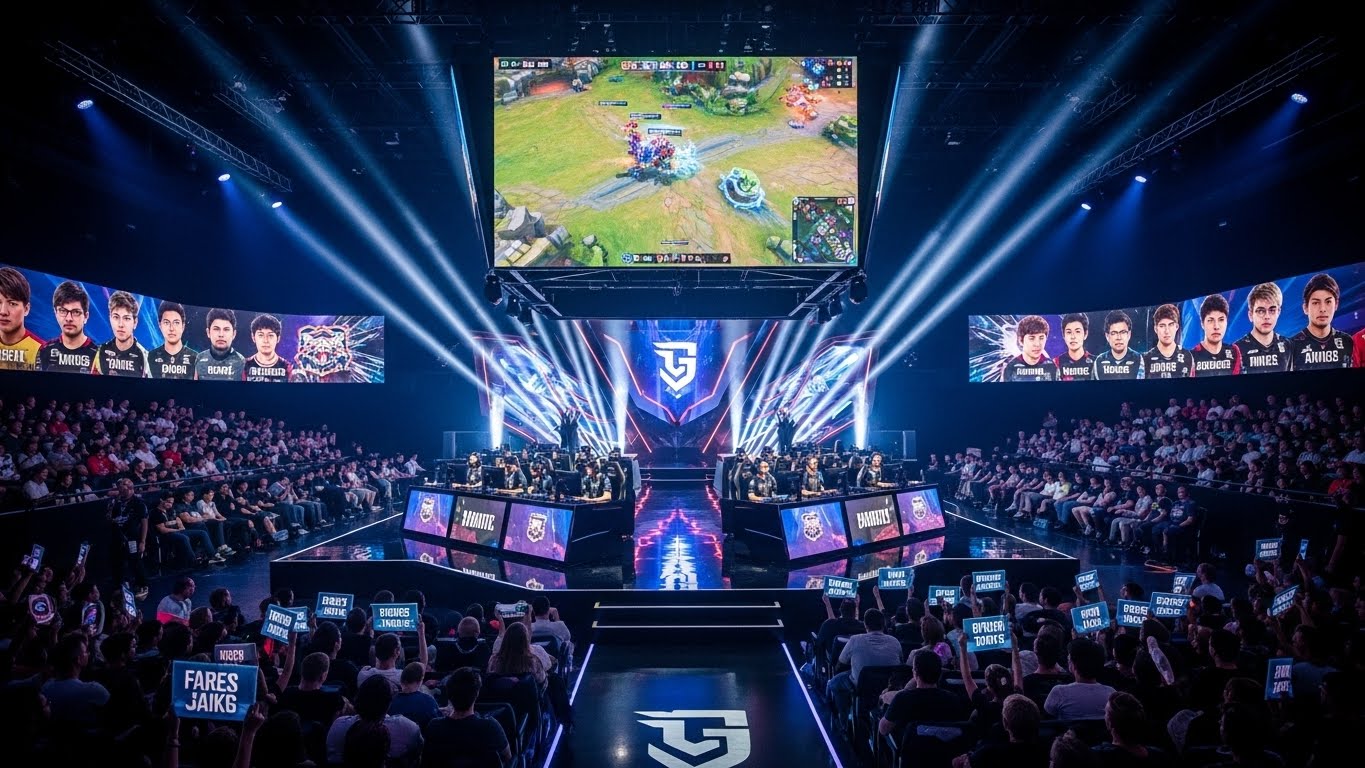
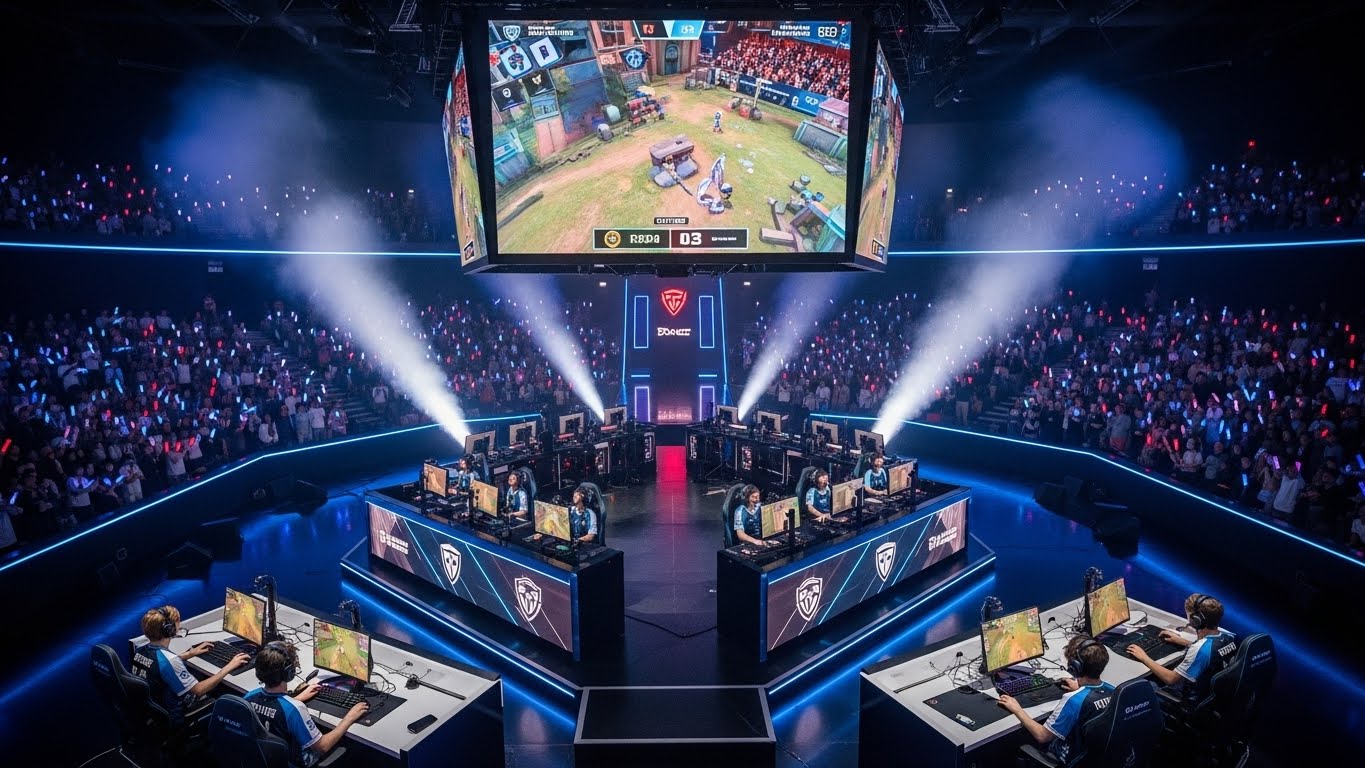
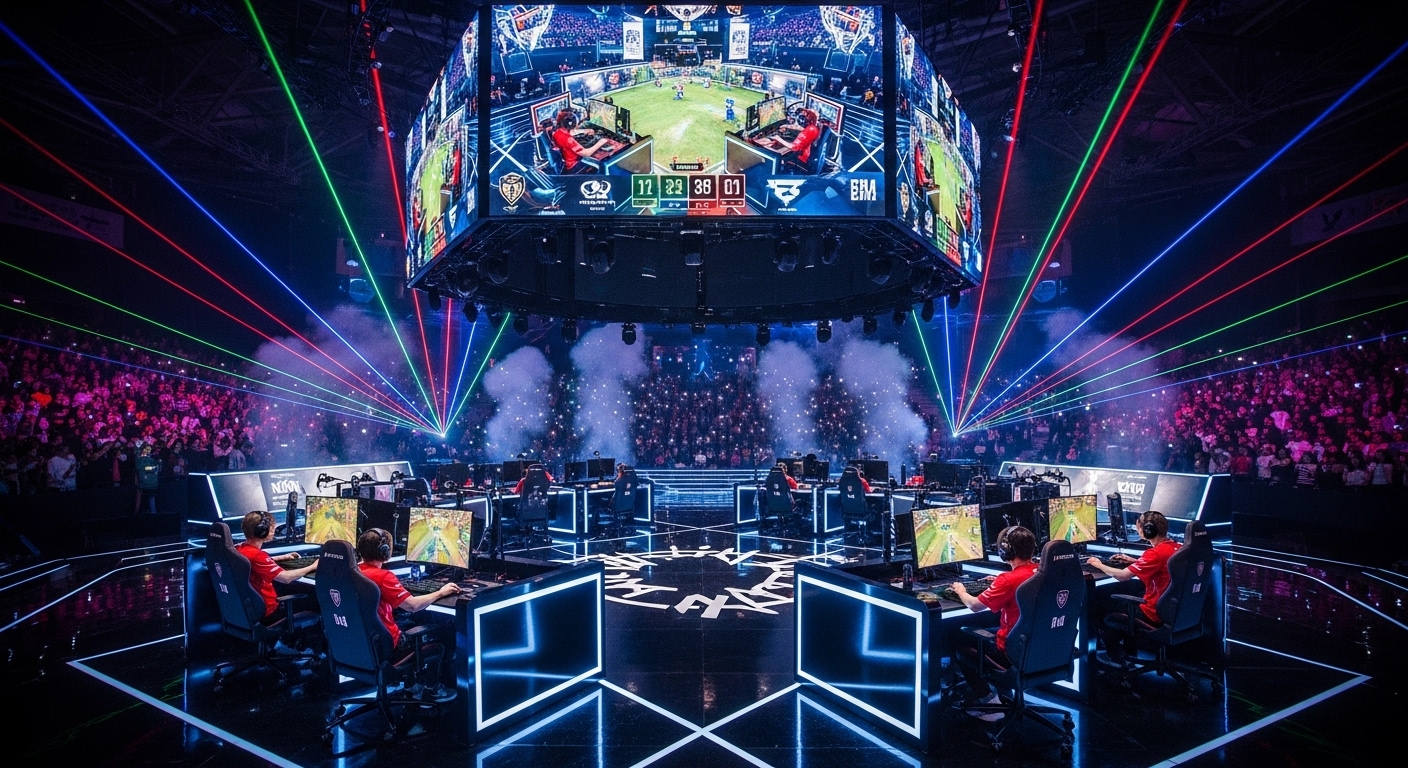
In recent years, esports has evolved from a niche hobby into a worldwide cultural and economic powerhouse. What was once just a group of enthusiasts competing for bragging rights in basements and arcades has now turned into a global phenomenon with massive audiences and multi-million-dollar prize pools. As technology and gaming culture have advanced, esports has become one of the most exciting sectors of the entertainment world, attracting millions of fans, sponsors, and players who are pushing the boundaries of what competitive gaming can be.
What Exactly is Esports?
At its core, esports refers to organized multiplayer video game competitions, particularly between professional players, individually or in teams. These games are typically broadcasted to live audiences on streaming platforms like Twitch and YouTube. Unlike casual gaming, esports demands incredible skill, strategy, and teamwork. Popular games such as League of Legends, Counter-Strike, Fortnite, and Overwatch are just a few examples that have contributed to esports’ rapid growth. The competitive nature and high level of play make esports similar to traditional sports, with professional athletes striving to hone their skills in order to compete at the highest levels.
The Esports Ecosystem: A Thriving Industry
Esports is no longer just about the players—it’s a complete ecosystem that involves a wide range of roles and professions. From team coaches and analysts to event organizers, broadcasters, and sponsors, the esports world offers numerous career opportunities. Players, of course, remain at the center of the action, but surrounding them are a multitude of individuals working behind the scenes to support their careers and help the industry grow.
For many professional gamers, sponsorships and streaming are the keys to their success. Companies from various sectors, including tech, energy drinks, and apparel, have recognized the value of esports as a marketing platform. These sponsorships provide players with the necessary financial backing to compete at the highest level, while also allowing brands to tap into a dedicated, younger demographic.
The Global Appeal of Esports
One of the most remarkable aspects of esports is its global reach. Tournaments and competitions take place in every corner of the world, and the community is united by a shared love of gaming, regardless of language, geography, or background. The online nature of esports allows people from different countries to compete and watch from the comfort of their homes, breaking down traditional barriers seen in other sports. Major esports events like The International and the League of Legends World Championship attract viewers in the tens of millions, rivaling traditional sports events like the Super Bowl in terms of viewership.
The Economics of Esports
Esports is not just about the thrill of competition—it’s also an incredibly lucrative business. In 2023, the global esports market was valued at over $1.3 billion, and it continues to grow each year. Revenue comes from a variety of sources, including sponsorships, media rights, merchandise sales, and ticket sales for live events. Streaming platforms like Twitch have become the primary way for fans to engage with esports, creating additional revenue streams through ads and subscriptions.
Prize money in esports tournaments has skyrocketed in recent years. For example, The International Dota 2 tournament regularly boasts prize pools in the tens of millions of dollars, with the 2021 edition offering a staggering $40 million. This level of prize money makes esports a legitimate career path for many players, and it has opened up professional gaming as an alternative to traditional sports for young people around the world.
Technology and Innovation Driving Esports Forward
The growth of esports is deeply intertwined with the rapid advancements in technology. The rise of high-speed internet, improved gaming hardware, and powerful streaming platforms have all played a key role in making esports more accessible and entertaining. The use of live streaming, interactive features, and social media has connected players with fans in real-time, creating an engaging viewing experience that draws in millions of spectators.
Additionally, innovations in virtual reality (VR) and augmented reality (AR) hold the potential to revolutionize the esports industry. These technologies could provide even more immersive experiences for both players and spectators, creating new ways to interact with games and competitions.
Challenges Facing the Esports Industry
Despite its rapid growth, esports faces a number of challenges. One of the major concerns is the physical and mental health of professional players. The intense training schedules, long hours of gameplay, and pressure to perform can take a toll on players’ well-being. There have been instances of burnout, anxiety, and even physical injury due to the repetitive nature of gaming.
Moreover, the issue of toxicity within gaming communities has been a persistent problem. While the esports community is large and diverse, negative behaviors such as harassment and cheating remain a significant issue. Addressing these problems through improved community guidelines and better moderation is essential for ensuring the long-term sustainability of the industry.
The Future of Esports
Looking ahead, the future of esports looks incredibly promising. The continued growth of mobile gaming will likely expand the reach of esports even further, as mobile devices become a more viable platform for competitive gaming. The integration of esports into educational institutions is also a positive development, as universities around the world now offer esports scholarships and have built esports arenas on campuses. This will help legitimize esports as a respected career path and open new doors for young players to develop their skills.
Additionally, new technologies, such as VR and AI-powered analytics, will continue to push the boundaries of esports competitions. These innovations could create even more immersive and engaging experiences for both players and viewers alike, keeping the esports industry fresh and exciting for years to come.
Conclusion: Esports as a Global Phenomenon
Esports is no longer a passing trend—it’s a global movement that has reshaped the entertainment landscape. With its ever-expanding audience, lucrative career opportunities, and global appeal, esports is here to stay. As technology continues to evolve, so too will the way we experience competitive gaming, making esports an integral part of modern culture. Whether you’re a player, a fan, or someone interested in the business side of things, esports offers something for everyone, and its future has never been brighter.