Esports, short for electronic sports, has grown from an underground hobby to a worldwide phenomenon. In just a few short years, competitive gaming has become one of the most lucrative and widely watched entertainment sectors in the world. But what exactly is esports, and how did it evolve into what it is today? Let’s explore the explosive rise of esports, its cultural impact, and what the future holds for the industry.
What is Esports?
At its core, esports is organized, multiplayer video game competition, often involving professional players or teams. While casual gaming has been a long-standing hobby for millions, esports takes this passion to the next level with structured tournaments and professional organizations. Esports spans a wide variety of game genres, including real-time strategy games like StarCraft, multiplayer online battle arenas (MOBA) like League of Legends and Dota 2, first-person shooters (FPS) like Counter-Strike and Call of Duty, and battle royale games like Fortnite and Apex Legends.
The key difference between casual gaming and esports is the level of organization. Esports events range from small local competitions to massive global tournaments, with high stakes and substantial prize pools. These tournaments often attract thousands of live spectators and millions of online viewers who watch the action unfold on platforms like Twitch, YouTube Gaming, and Facebook Gaming.
The Surge in Popularity: How Esports Took Over
Esports has undergone explosive growth over the past decade. Once considered a niche market, it is now a mainstream industry with a global fanbase. According to industry reports, the global esports audience is expected to exceed 500 million by 2026. Much of this growth can be attributed to the rise of live streaming platforms, where fans can watch their favorite players and teams in real-time. Platforms like Twitch, which was founded in 2011, have played a crucial role in building a dedicated community around esports.
As viewership increased, so did investment. Major brands and companies across various industries, including tech, gaming, and even traditional sports, began pouring money into esports sponsorships and marketing. From gaming peripherals to apparel and energy drinks, esports has become an avenue for global brands to reach younger, tech-savvy audiences. Even traditional sports organizations, such as the NBA and NFL, have invested in esports teams or leagues, recognizing its growing influence.
Esports as a Professional Career
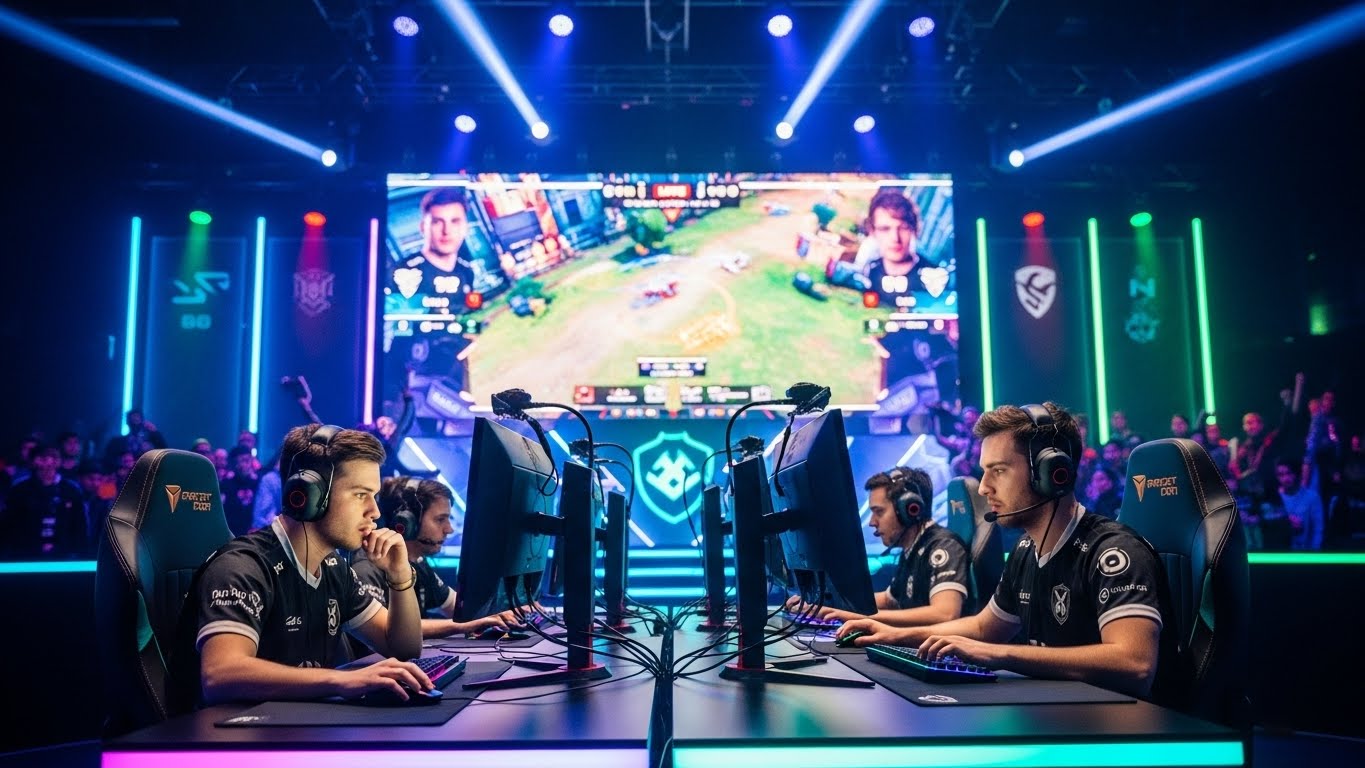
For many gamers, what was once a hobby has turned into a full-time career. The rise of professional esports teams has created job opportunities for not just players but also coaches, analysts, managers, and content creators. Professional gamers, like athletes in traditional sports, train intensely, practicing for hours a day to hone their skills and strategies. Esports organizations often offer salaries, sponsorships, and performance-based incentives, making it possible for top-tier players to make a living from gaming.
The most successful esports players can earn millions in prize money and sponsorships, with some becoming celebrities in their own right. Players like Faker (Lee Sang-hyeok), Ninja (Tyler Blevins), and s1mple (Oleksandr Kostyliev) have not only achieved incredible success in their respective games but have also become influential figures with massive online followings.
Esports has also opened the door for content creators, who can stream gameplay and build a fanbase through platforms like Twitch and YouTube. These creators earn revenue through ad revenue, donations, subscriptions, and brand partnerships, contributing to the broader esports ecosystem.
The Global Scale of Esports Tournaments
One of the most exciting aspects of esports is the sheer scale of its tournaments. High-stakes events like The International for Dota 2, the League of Legends World Championship, and the CS:GO Major Championships attract millions of viewers worldwide and offer prize pools that rival traditional sports tournaments. For example, The International 2021 had a prize pool of over $40 million, the largest in esports history at the time.
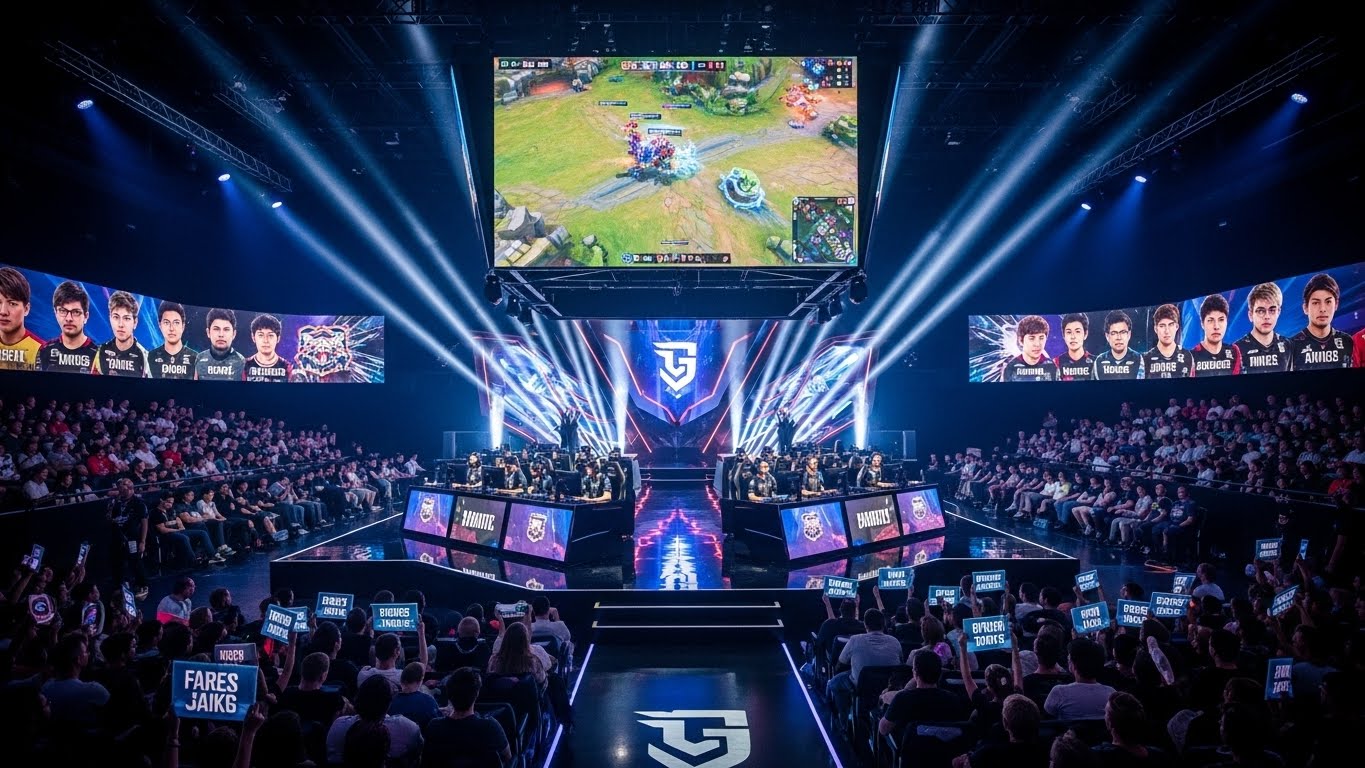
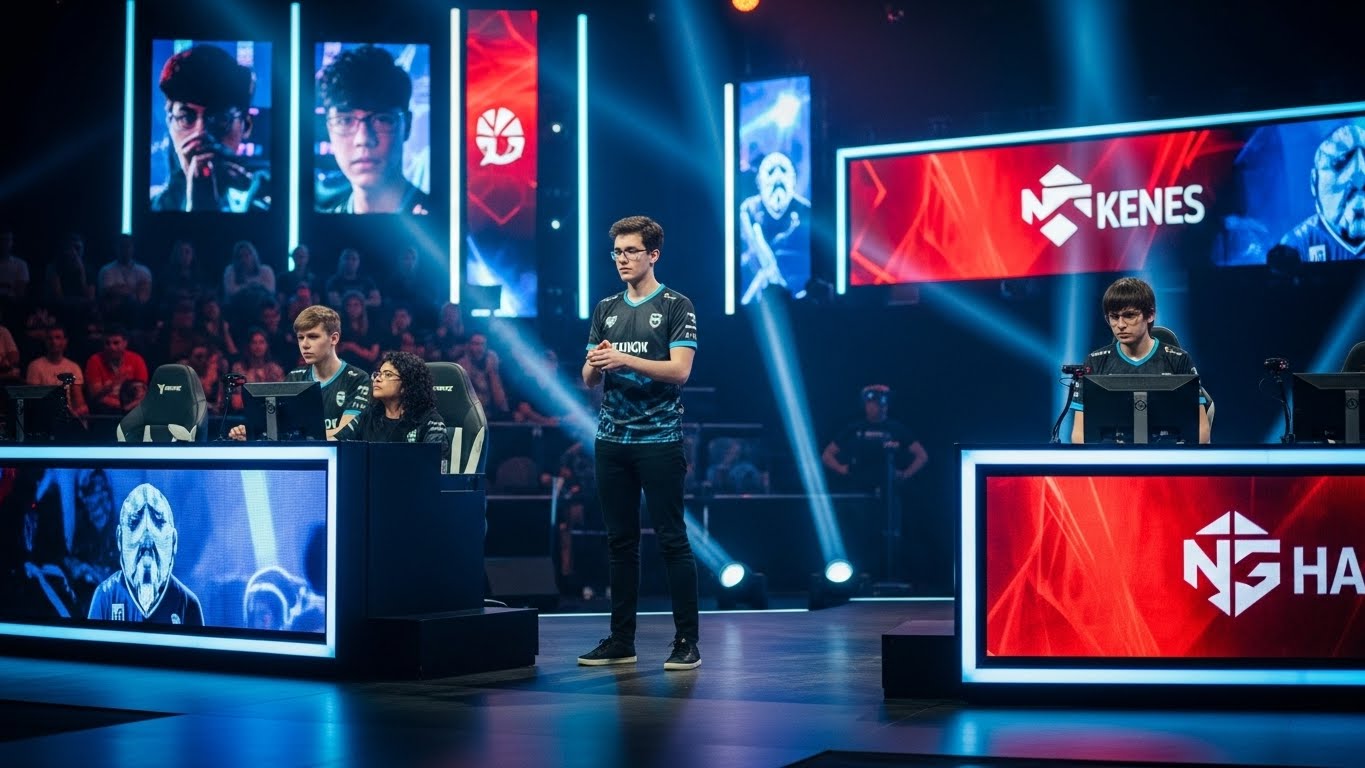
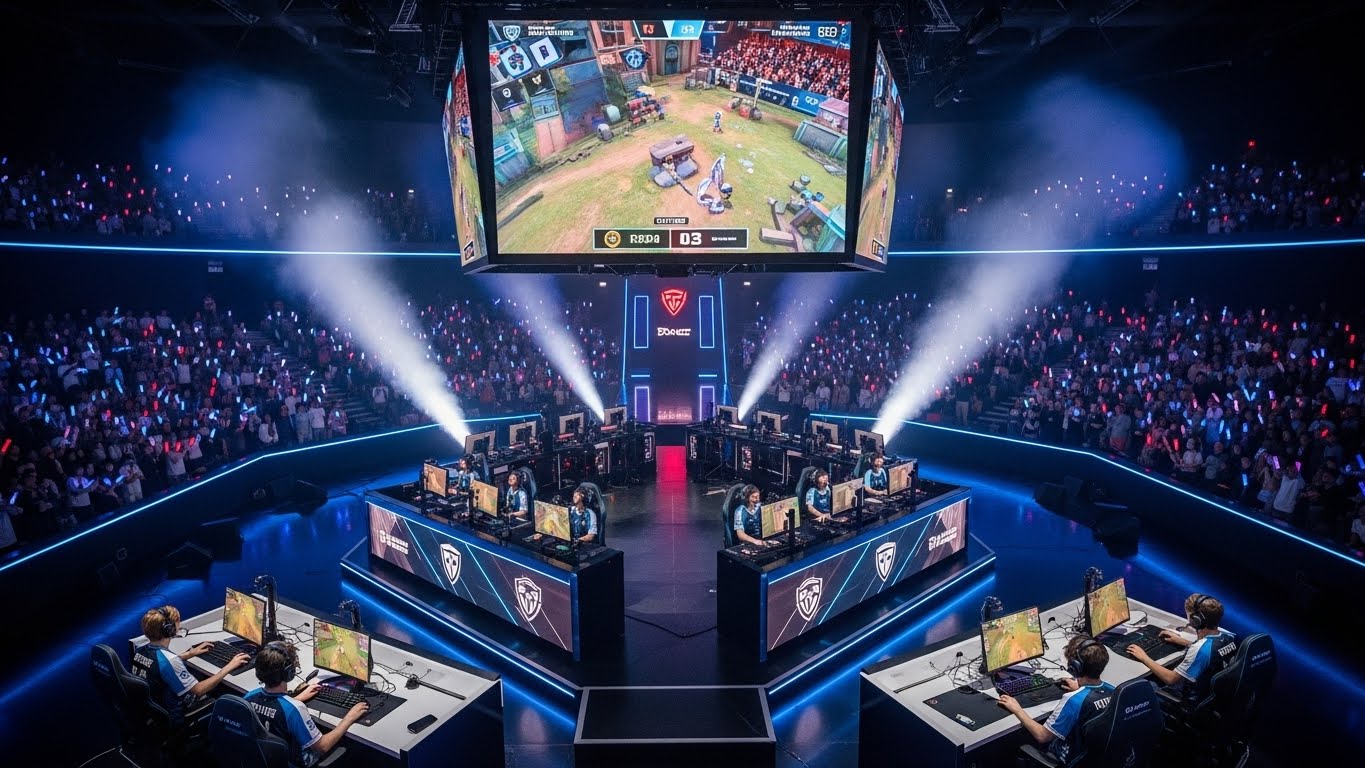
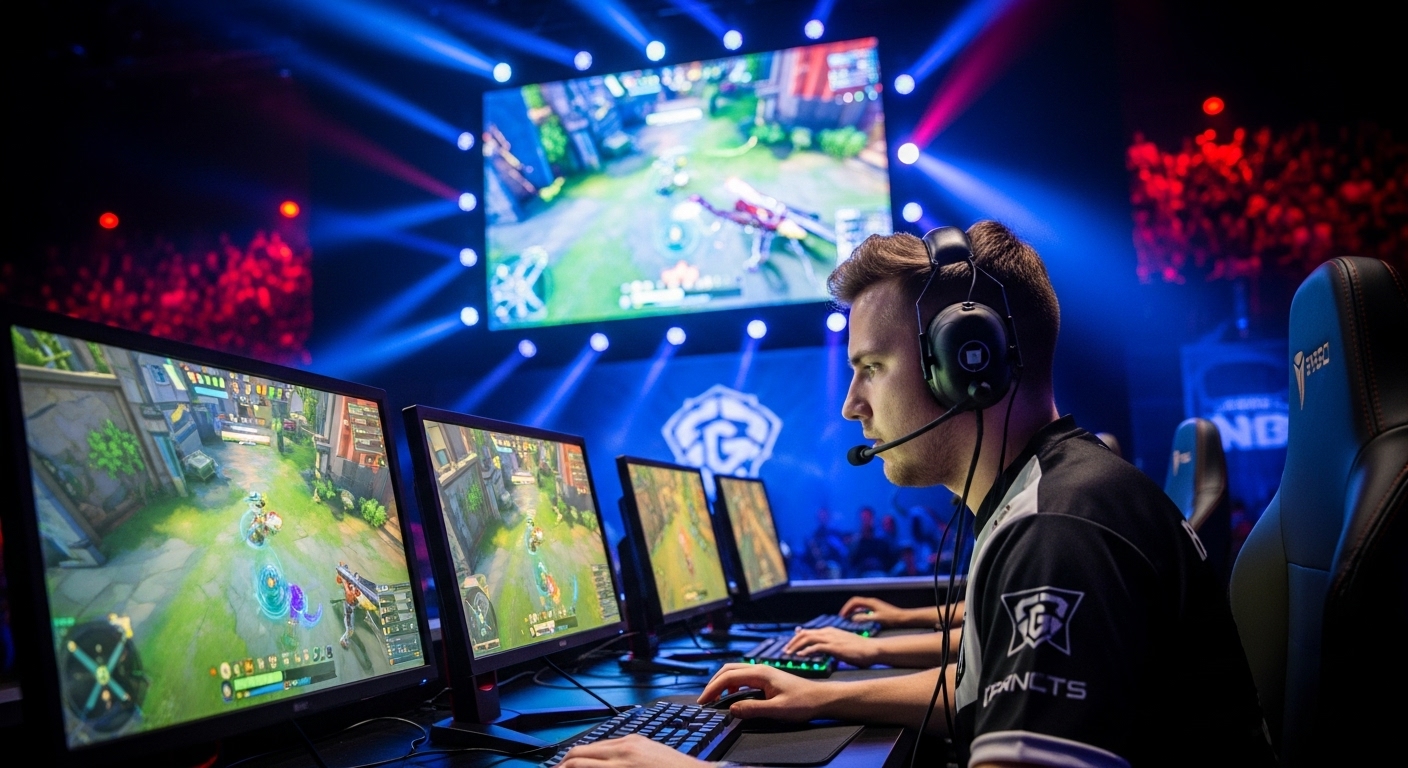
Esports tournaments are not just about the game; they’re full-blown spectacles. These events take place in large arenas, with thousands of fans cheering on their favorite teams. The production quality of these tournaments rivals that of traditional sports events, with live commentary, on-screen stats, and even post-game analysis. The excitement of these tournaments is contagious, and it’s not uncommon for fans to follow their favorite teams or players year-round, anticipating their next big win.
The Role of Streaming and Social Media
A key element of esports’ success is its accessibility. With the advent of streaming platforms like Twitch and YouTube Gaming, fans can watch live esports tournaments, engage with streamers, and follow their favorite players without leaving their homes. These platforms have revolutionized the way esports is consumed, offering real-time access to global audiences.
Streaming allows fans to connect directly with players through live chats, which creates a more personal and interactive viewing experience. This is a significant difference from traditional sports, where fans usually watch passively. In esports, fans often feel like they are part of the action, communicating with the players and other viewers. This sense of community is one of the driving factors behind esports’ rapid rise.
Social media also plays a major role in the esports ecosystem. Platforms like Twitter, Instagram, and TikTok allow players, teams, and fans to share highlights, updates, and behind-the-scenes content. This constant engagement keeps fans invested in the esports scene and helps to drive the popularity of tournaments and players.
The Future of Esports: Growth, Challenges, and Opportunities
The future of esports looks incredibly bright, but it is not without its challenges. One of the major hurdles is the health and well-being of professional players. Long hours spent gaming can lead to physical issues such as eye strain, carpal tunnel syndrome, and posture problems. Mental health is also a concern, as the pressure to perform at the highest level can lead to burnout, anxiety, and depression. As the industry grows, it will be important for teams and organizations to prioritize player wellness and implement support systems to help players cope with the stresses of professional gaming.
Another challenge is the increasing issue of toxicity and harassment in the esports community. While the gaming world has made strides in combating negative behavior, it remains a persistent problem, especially in competitive environments. Many organizations are taking steps to foster more inclusive and respectful communities, but it will require ongoing efforts from all stakeholders to create positive change.
Despite these challenges, the opportunities for growth in esports are vast. As technology continues to evolve, esports could see even more innovations, such as virtual reality (VR) and augmented reality (AR) experiences. The potential for mobile esports is another exciting area, as more people around the world play games on their smartphones.
Esports also has the potential to integrate more with traditional sports, with events like the Asian Games and discussions about esports in the Olympic Games. This could bring esports to an even wider audience, further legitimizing it as a global sport.
Conclusion: Esports is the Future of Competition
Esports has come a long way from its humble beginnings as a niche interest to becoming a major global industry. With its professional leagues, massive prize pools, and passionate fanbase, esports is transforming the way we think about competitive entertainment. Whether you’re a casual gamer, a dedicated fan, or a player aspiring to go pro, esports offers a dynamic and exciting world that continues to grow and evolve.
As technology advances and the industry matures, the future of esports looks limitless. With its ability to engage millions of viewers worldwide and provide a platform for players to build careers, esports is set to remain a dominant force in the world of competitive entertainment for years to come.