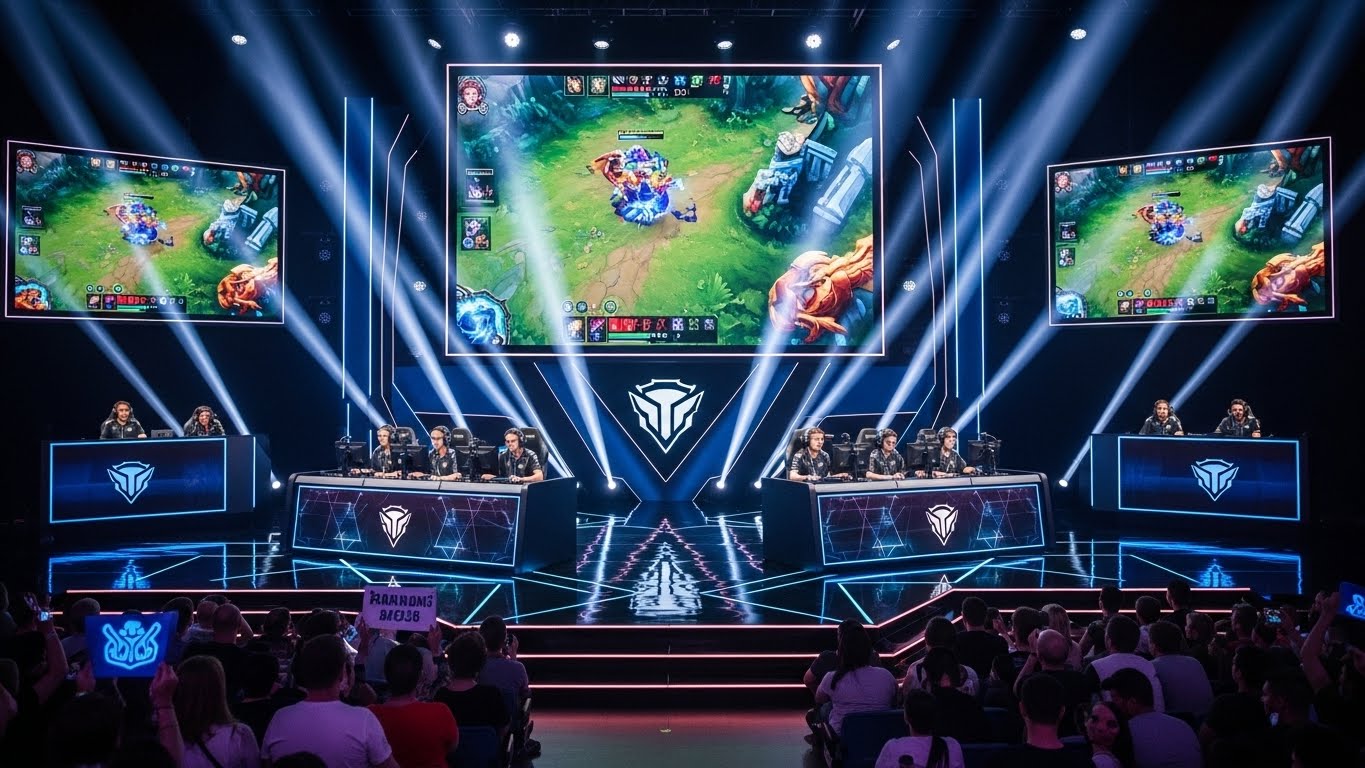
Introduction: The Transformation of Gaming into a Global Sport
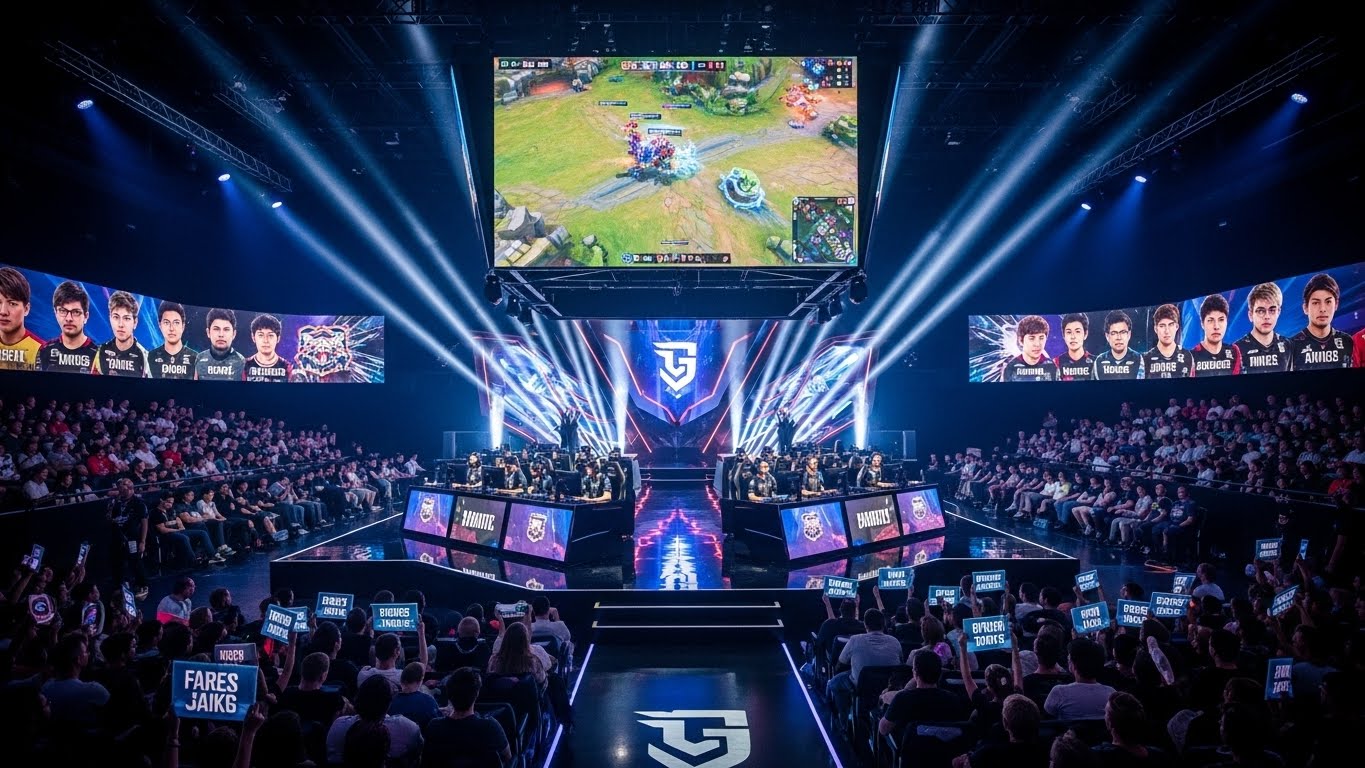
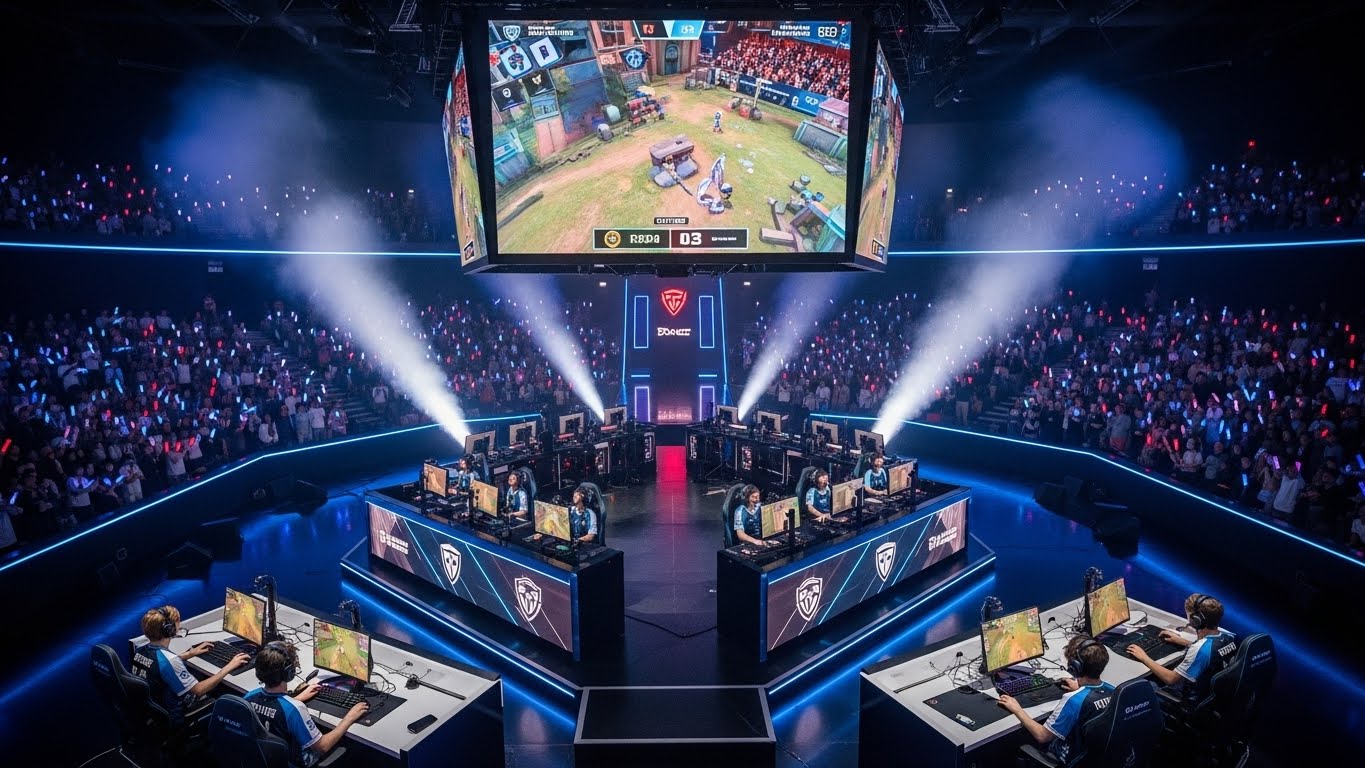
Esports, short for electronic sports, has emerged as one of the most dynamic and rapidly growing forms of entertainment in the modern world. Once considered a hobby reserved for teenagers in basements, esports has transformed into a global phenomenon, with professional leagues, sponsorships, and audiences that rival traditional sports. From international tournaments that fill stadiums to online streams reaching millions of viewers, competitive gaming has become a serious career path for players, a profitable venture for businesses, and an engaging form of entertainment for fans.
The growth of esports reflects broader changes in society, technology, and culture. It is a phenomenon that blends skill, strategy, technology, and community, creating a unique ecosystem that transcends national and cultural boundaries. Understanding esports requires looking at its evolution, the players and teams that define it, its economic and cultural impact, and the challenges it faces in sustaining its meteoric rise.
The Evolution of Competitive Gaming
Competitive gaming has existed in some form for decades, beginning with arcade high-score competitions in the 1970s and 1980s. Early players would challenge each other in games like Pac-Man, Donkey Kong, and Space Invaders, often competing for recognition within local gaming communities. The introduction of home consoles and personal computers expanded the reach of gaming, allowing more people to participate and organize competitions on a larger scale.
The real breakthrough in esports came with the rise of the internet. Online multiplayer gaming allowed people from different cities, countries, and continents to compete in real time. Games like StarCraft, Counter-Strike, and Warcraft III laid the foundation for professional esports, creating communities of highly skilled players and organized competitions. By the late 2000s, live streaming platforms made it possible for fans to watch gameplay from anywhere in the world, transforming esports into a spectator sport and providing a platform for professional players to gain visibility and recognition.
Accessibility and Appeal: Why Esports Thrives
One of the main reasons esports has grown so rapidly is its accessibility. Unlike traditional sports, which often require specialized facilities, equipment, and physical training, esports can be played with a computer or console and a stable internet connection. This low barrier to entry allows millions of people worldwide to participate or spectate, democratizing the experience of competitive play.
Esports also offers a wide variety of game genres, catering to diverse interests. First-person shooters test reflexes and precision, real-time strategy games demand careful planning and tactical thinking, multiplayer online battle arenas emphasize teamwork and communication, and sports simulations bring virtual versions of traditional games to life. The constant updates and evolving strategies of these games keep competitions fresh, giving both players and fans new challenges to engage with.
Finally, the sense of community surrounding esports is a major driver of its popularity. Fans interact through social media, streaming chats, forums, and fan content, creating a vibrant ecosystem that goes beyond watching games. Esports spectators are active participants, contributing to discussions, analyzing strategies, and supporting their favorite players and teams.
Professional Players: The New Age of Athletes
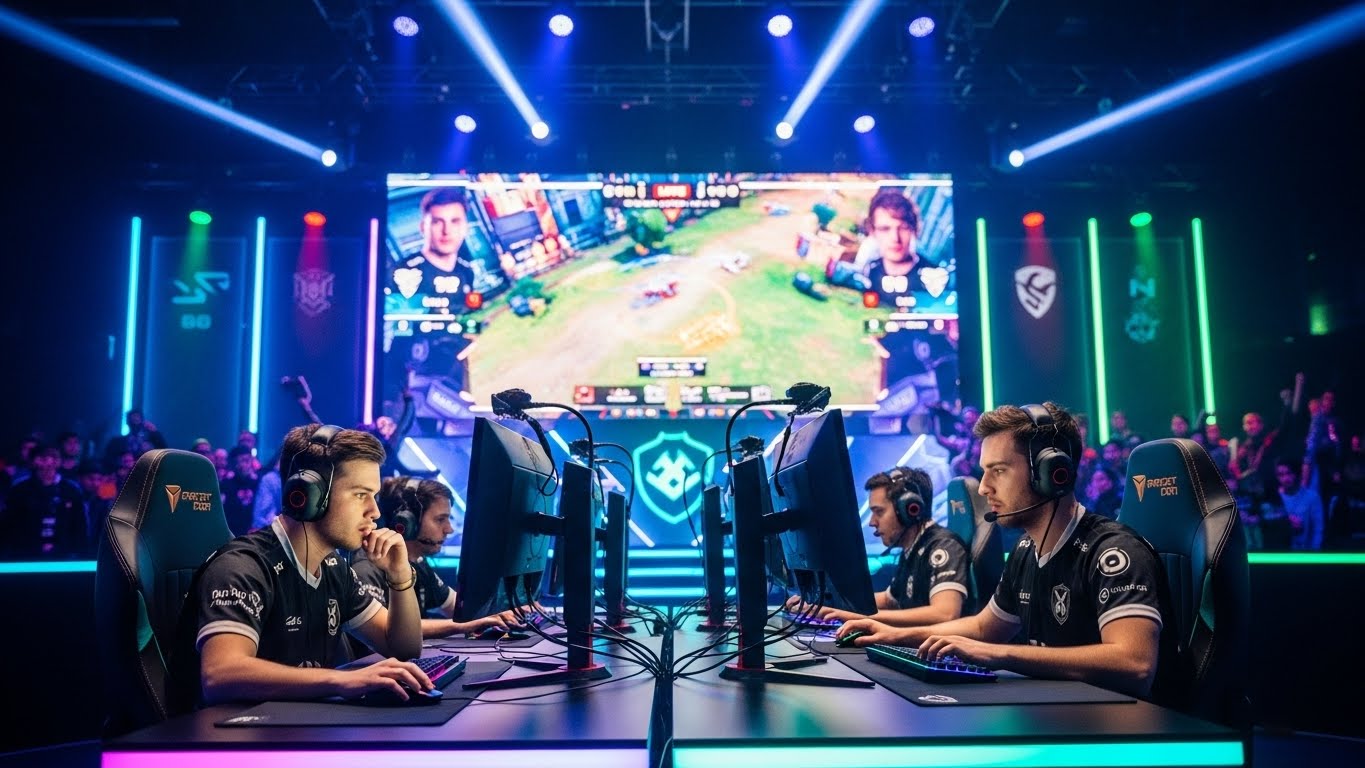
Professional esports players are among the most skilled and dedicated individuals in the gaming world. Many begin training in their early teens, spending hours daily honing their abilities, analyzing gameplay, and practicing strategies. Top teams provide a structured environment with coaches, analysts, nutritionists, and psychologists to ensure players are performing at their peak both mentally and physically.
Teams operate like traditional sports franchises. They sign contracts with players, compete in domestic and international leagues, develop merchandise, and cultivate a loyal fan base. Large tournaments offer substantial prize pools, often reaching millions of dollars, attracting global media attention and sponsorships. For players, esports is not just a hobby—it is a legitimate career path with opportunities for growth, branding, and influence.
Famous esports athletes have gained celebrity status, appearing on television, attending conventions, and influencing gaming culture worldwide. Their success inspires countless young gamers to pursue professional careers, further fueling the growth and legitimacy of esports.
The Spectator Experience: Beyond Watching
Esports spectatorship is unique, combining elements of traditional sports with innovative digital experiences. Fans watch matches live through streaming platforms, often engaging with multiple camera angles, instant replays, and on-screen statistics that offer detailed insights into the gameplay. Unlike conventional sports, esports allows fans to see exactly what players see, creating a highly immersive experience.
Commentators, known as casters, play a crucial role in enhancing the excitement. They explain complex strategies, highlight pivotal moments, and convey the emotion of the game to viewers. Their energy and storytelling turn matches into narratives that captivate audiences, making even casual viewers invested in the outcome. The interactive nature of online platforms, including live chat and social media discussions, allows spectators to feel like part of the action, creating a participatory culture around esports events.
Economic Impact: Esports as an Industry
The esports industry has grown into a multibillion-dollar global business. Revenue comes from sponsorships, media rights, advertisements, merchandise sales, and ticket sales for live events. Major corporations from diverse industries, including technology, automotive, fashion, and entertainment, recognize esports as a valuable marketing platform, targeting highly engaged and digitally savvy audiences.
Streaming platforms and content creation have also become major revenue streams. Thousands of streamers, analysts, and content creators contribute to the ecosystem, providing fans with entertainment, tutorials, and insights. The economic impact of esports extends beyond players and teams, creating job opportunities in production, marketing, event management, and digital media. It is an industry where creativity, technology, and business intersect, driving innovation and cultural influence.
Esports in Education: Building Skills and Opportunities
Educational institutions have increasingly embraced esports as a legitimate field for skill development and career preparation. Schools and universities host esports teams, clubs, and competitive leagues, sometimes offering scholarships to talented players. These programs teach students valuable skills such as strategic thinking, teamwork, communication, and leadership.
Esports programs in schools provide structured environments where students can learn from experienced coaches, participate in tournaments, and engage with a broader community. Students develop both digital literacy and critical thinking, preparing them for careers in gaming, technology, media, and other fields. By integrating esports into education, institutions recognize gaming as more than entertainment—it is a tool for personal growth and professional development.
Physical and Mental Preparation in Esports
Success in esports requires both mental acuity and physical readiness. Players need quick reflexes, strategic thinking, and sustained focus to perform at high levels. Many professional teams employ psychologists and wellness experts to help players manage stress, maintain confidence, and avoid burnout.
Physical fitness is also essential. Players engage in exercises to improve posture, hand-eye coordination, and overall health, preventing injuries from long gaming sessions. Proper nutrition and rest are critical for maintaining peak performance. In esports, mental and physical preparation are intertwined, demonstrating that competitive gaming is both intellectually and physically demanding.
Challenges Facing the Industry
Despite its growth, esports faces several challenges. Player burnout is a significant concern due to long training hours, frequent travel, and high performance expectations. The industry also needs consistent regulations to ensure fair play, protect young players, and address contractual disputes.
Online toxicity and harassment remain ongoing problems, requiring organizations and developers to create safer and more inclusive environments. Cheating, hacking, and unfair gameplay practices must be monitored to maintain integrity. As the industry expands, maintaining balance between growth, sustainability, and ethical standards will be crucial for its long-term success.
The Future of Esports
The future of esports is full of potential. Advances in virtual reality and augmented reality may introduce entirely new forms of competitive gameplay. Artificial intelligence could enhance player training and strategy analysis. Cross-platform competition may expand, allowing players on different devices to compete together seamlessly.
Esports may also gain recognition on national and international levels, with standardized leagues, youth programs, and national teams. Media production, storytelling, and interactive experiences will continue to evolve, blurring the line between gaming and entertainment. As esports continues to grow, it will shape the future of digital culture, competition, and global connectivity.
Conclusion: Esports as a Cultural and Competitive Force
Esports is more than just competitive gaming; it is a cultural movement that bridges communities, fosters creativity, and redefines entertainment. It provides career opportunities, engages millions of fans, and pushes the boundaries of technology and human skill.
From its humble beginnings in arcades to massive international tournaments, esports has proven that competition thrives in the digital age. It is a global phenomenon that celebrates strategy, skill, teamwork, and innovation. As esports continues to evolve, it will remain a defining force in both digital culture and modern entertainment, demonstrating that the competitive spirit can flourish in new and exciting ways.