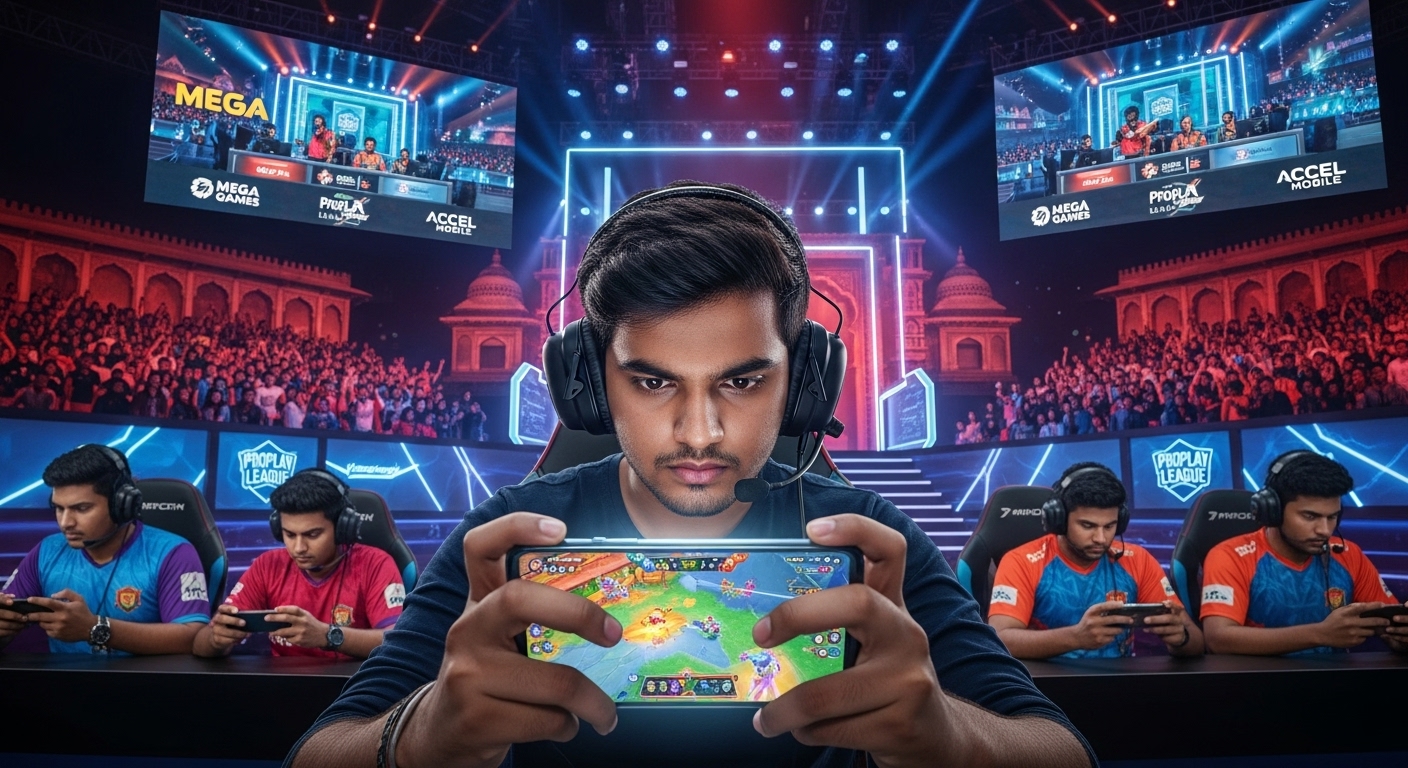
Esports is everywhere — stadiums filling with fans, streamers drawing audiences rivaling prime-time TV, sponsors pouring millions into franchise teams. But Japan’s relationship with competitive gaming has always been… uniquely Japanese. Rather than copy the Western, hit-the-gas model of franchising, venture capital, and big cash prize pools, Japan has blended its deep gaming culture, conservative legal environment, corporate stewardship, and grassroots venues into an approach that looks different from Korea, China, or North America. The result is an esports ecosystem shaped by history, regulation, creativity, and a focus on sustainable, culturally aligned growth.
This post explores how Japan’s approach to esports is different, why that difference matters, and what it means for players, organizers, brands, and fans both inside and outside Japan.
1 — A gaming nation with a cautious esports evolution
Japan is one of the world’s oldest and most storied gaming markets. Household-name companies (Nintendo, Sony, Capcom, Square Enix, Konami) built entire genres and created global franchises. But when global esports exploded in the 2010s, Japan didn’t immediately follow the same path. Why?
A lot of it comes down to the intersection of culture and law. Japan’s gaming culture has historically emphasized arcade and console play, social game centers (the “game center”), and single-player masterpieces — not PC esports with massive cash tournaments. At the same time, long-standing interpretations of Japanese gambling and prize laws made it difficult for many types of tournaments to offer large prize pools without legal scrutiny. That combination slowed a fast, VC-driven esports boom and nudged the industry toward a different route: one led by publishers, unions, corporations, and curated public spaces rather than an open, grassroots surge of independent tournament promoters
2 — The role of JeSU and publisher-led stewardship
One of the clearest expressions of Japan’s distinct model is the Japan Esports Union (JeSU). Formed in 2018, JeSU brought together game publishers, tournament operators, and related stakeholders to create standards for pro certification, tournament structure, and player welfare. Rather than a wild west of promoters and third-party leagues taking over, major publishers and industry groups in Japan have taken a central role in shaping the competitive ecosystem.
That has pros and cons. On the positive side, publisher stewardship helps align esports events with IP strategy, protect family-friendly brand images, and build sustainable career paths (certified pro players, coaching programs, and recognized leagues). On the downside, it can limit community-led tournament innovation and slow independent organizers who want to run events outside publisher ecosystems. But the net effect is a deliberate, coordinated approach to growth — one that reflects Japan’s broader corporate culture of careful planning and brand protectio
3 — Legal constraints and creative workarounds
Perhaps the biggest single factor shaping Japan’s esports uniqueness is law. For years, Japanese regulations around prize money and events were interpreted in ways that effectively discouraged the large open prize pools common in other countries. Tournaments funded by player registration fees were sometimes viewed under gambling statutes, and some community events were constrained to small prize caps. This regulatory reality pushed the scene to be more publisher- or sponsor-funded and to emphasize non-monetary incentives, marketing partnerships, or smaller, legal prize structures.
Those restrictions forced creativity. Organizers devised ways to make events viable without violating regulations: sponsorship-backed prize pools, marketing-driven giveaways, certifications that allow official pro status, and community festivals that emphasize show matches and exhibition play. Over time, discussions between industry groups, lawyers, and government actors have softened some barriers and clarified rules — but legal prudence remains a core feature of Japan’s esports DNA.
4 — Console-first, mobile-friendly: the platform mix is different
Globally, esports often means PC-first titles: Dota, League of Legends, CS:GO, Valorant. In Japan, console and mobile titles have been dominant for cultural and market reasons. Japan’s gaming history is tightly woven with consoles (PlayStation, Nintendo), handhelds, and arcade culture. Titles that thrive in Japan — from fighting games to mobile RPGs and rhythm games — often reflect local tastes and thus shape the competitive scene differently.
Fighting games are an especially good example. Japan has a long, proud fighting-game community (Street Fighter, Tekken, Guilty Gear, and more) with high-skill grassroots tournaments that date back decades. Those communities emphasize technical skill, arcades and local venues, and a culture of respect and apprenticeship that feeds the competitive ladder. Meanwhile, mobile esports — a global growth area — finds fertile ground in Japan’s smartphone-first youth, creating competitive circuits for mobile-native titles.
5 — Brick-and-mortar game centers, stadium-style experiences, and hybrid spaces
Japan’s densely populated cities and long tradition of game centers (arcades) and dedicated entertainment complexes gave the esports scene a uniquely physical flavor. Instead of exclusively online qualifiers funneling into stadium finals, Japan blends in-person venues with broadcast-ready arenas and experiential hubs that connect the communal arcade feel with modern esports production.
Tourism and municipal initiatives have leaned into esports as part of cultural and entertainment offerings. City-supported esports hubs, public gaming spaces, VR/AR attractions, and corporate-built arenas are part of Japan’s playbook — blending local engagement with polished events that attract both domestic and international fans. Places like specialized esports facilities and entertainment towers offer a family-friendly, experiential approach that sits well with Japan’s love of location-based leisure.
6 — Corporate investment that protects IP and fandom
Major Japanese publishers often treat esports as an extension of their IP strategy rather than as a separate, speculative business. That means companies invest in competitive play in ways that protect the game’s brand: curated leagues, controlled prize structures, and official certifications. Rather than external franchising deals dominated by investors who acquire team slots, the Japanese approach often keeps IP holders central to how competitions run.
This IP-centric model has advantages. It reduces friction around licensing, aligns in-game monetization with esports spectacle, and ensures that tournaments reinforce the core gameplay experience. The trade-off is that the industry sometimes grows slower and looks less like the free-market sports-style circuits seen elsewhere. For brands and publishers, though, it’s a rational approach that protects long-term value.
7 — Grassroots — still alive, but different
Despite the top-down role of publishers and the legal constraints of the past, grassroots scenes have remained resilient in Japan — they’ve just adapted. Local arcade tournaments, university clubs, streaming communities, and fighting-game meetups continue to be critical talent pipelines. Those grassroots ecosystems emphasize mentorship, local reputation, and steady skill development rather than overnight pro stardom.
That mix — grassroots depth plus publisher-led safety — creates a distinctive talent ecosystem: technically strong players who often come up through tight-knit local scenes but then transition into more regulated professional structures if they choose. The grassroots culture also keeps communities healthy, because organizers and players share strong social bonds and a sense of honor that goes beyond prize money.
8 — Fans, viewership patterns, and cultural preferences
Japanese esports fans share some things with their international counterparts — passion, fandom, and social communities — but there are cultural differences in how they engage. Many fans prefer in-person experiences (events, game centers, themed cafés), and they value curated, family-friendly productions. Streams and content often emphasize character, storytelling, and polished presentation. There’s also a deep appreciation for mastery and craft: fans respect high-skill play, technical nuance, and player personalities who show humility and dedication.
These preferences shape how events are packaged. Expect events that emphasize showmanship, variety stages (exhibitions + tournament matches), cosplay-friendly environments, and collaborations with broader pop-culture sectors like anime, music, and tech. For brands, that’s an opportunity: Japan’s esports events are a bridge between gaming, pop culture, and tourism.
9 — Government and municipal involvement: mindful support
Local governments in Japan have increasingly recognized esports as a cultural and economic asset. That support tends to be pragmatic and measured: funding for community facilities, inclusion of esports in youth or tourism strategies, and grants for events that boost local spending and international recognition.
The government’s role is rarely laissez-faire. Instead, it’s targeted: build an esports hub here, promote events that align with family-friendly entertainment there, and partner with publishers to attract youth engagement without creating social harm. This cautious but supportive stance reflects broader Japanese policy styles — incremental, pilot-driven, and often public-private in execution. Such collaboration reduces the chance of disruptive bubbles and aims to integrate esports into the wider creative economy.
10 — Market growth: strong but measured
Data from multiple market observers show Japan’s esports market growing rapidly, though from a different baseline than some other regions. Estimates vary — one research snapshot placed the 2024 market in the tens to low hundreds of millions of dollars and predicts substantial growth through the decade as sponsorship, media rights, and event experiences scale. This growth will be shaped by Japan’s unique mix of ticketed live entertainment, publisher-run leagues, and mobile/console-oriented esports.
11 — Player careers, taxation, and professionalization
As esports careers become more viable in Japan, questions around status, taxation, and employment structures have come to the fore. Prize earnings can be taxable, and many pro organizations offer salaried positions, sponsorship deals, and structured contracts that resemble traditional sports employment. Japan’s professionalization path tends to be formal and paperwork-heavy — again reflecting a cultural preference for stability and clear rules. For aspiring pro players, that means slightly slower but often more stable career tracks: training houses and corporate sponsorships may be more common than “go pro with no safety net” gambits.
12 — The strengths of Japan’s model
Japan’s approach comes with several notable strengths that suggest it will continue to be an influential model:
- Brand protection — Publishers control IP and the competitive narrative, keeping franchises healthy and aligned with long-term monetization.
- Sustainable growth — With corporate and municipal backing, investments tend to be patient and integrated into broader cultural initiatives, avoiding boom-bust cycles.
- Community depth — Long-established arcade and fighting-game cultures cultivate high skill ceilings and deep local scenes.
- Family- and tourism-friendly offerings — Events are designed to be accessible and entertaining beyond hardcore fans, attracting diverse audiences and tourists
- Legal clarity over time — As rules around prizes and events have become clearer, the industry can pursue larger-scale endeavors while staying compliant
13 — The trade-offs and challenges
No system is perfect, and Japan’s model faces challenges:
- Slower commercial scaling: A more measured approach can mean fewer mega-franchises and slower international dominance in certain global esports titles.
- Potential innovation bottlenecks: Heavy publisher control can limit indie tournament innovation or alternative league formats.
- Legal legacies: Even with clarifications, lingering regulatory complexity still requires careful legal work and can raise costs for event organizers.
- Platform shifts: Global esports’ PC-centric trends sometimes diverge from Japan’s console/mobile preferences, making cross-border competitive success in certain titles uneven.
These are real trade-offs — but they’re not fatal. Many of them are simply the price of building an industry that’s integrated into national culture and that prioritizes longevity over flash.
14 — Where Japan leads: authenticity, craft, and crossover culture
Outside of pure metrics, Japan’s esports approach leads in intangible but powerful ways. The country excels at creating experiences that blend gaming with broader cultural touchpoints — anime collabs with tournaments, music acts performing at LAN finals, VR attractions that turn esports into wider entertainment. That ability to cross-pollinate audiences is a strategic advantage: esports events become showcases for Japanese creativity, tourism, and tech rather than only competition.
Japan’s fighting-game community also remains an example the world watches closely: deep local talent, tight technical scenes, and a global influence that belies prize-pool size. Those cultural roots create an authenticity that sponsors and fans value — and that global esports ecosystems sometimes struggle to replicate.
15 — What the world can learn from Japan
For other countries and stakeholders, Japan offers a few lessons:
- Align esports with culture and IP: Integrating competitive play with local entertainment values and intellectual property can create long-term value instead of chasing short-term prize-driven growth.
- Use public-private pilots: City-backed hubs and publisher partnerships can test models that scale without speculative excess.
- Protect communities while professionalizing: Formal certifications and clear pro pathways help players convert community skills into careers without destroying local scenes.
- Design events for wider audiences: Family-friendly, experiential events attr
16 — The future: hybrid growth, more international showcases, and evolution of policy
Looking ahead, Japan is likely to keep its distinctive blend but pursue bolder moves. Expect more hybrid events (local qualifiers + polished finals), increasing mobile esports prominence, and bigger publisher-backed international showcases. Large Japanese companies are also investing in arenas and experience centers — physical spaces that function as both development hubs and tourist attractions — which could launch next-generation event formats that mix esports, VR, and live entertainment. Corporate arenas and experiential towers will give Japan domestic flagship events that can compete for international attention.
Policy will continue to matter. As the legal environment evolves and market data accumulates, we’ll likely see clearer frameworks that allow larger prize pools and regulated betting products (if Japan decides to go that route), making the competitive landscape more
17 — Practical takeaways for stakeholders
If you’re an organizer, player, brand, or policymaker interested in Japan’s esports scene, here’s what matters:
- Organizers: Work closely with IP holders and legal counsel. Sponsor-driven prize models and brand partnerships are often safer and more scalable than fee-funded prize pools. Build events that are broadcast-friendly and family-accessibl
- Players: Local scenes and arcade/fighting-game circuits are powerful skill factories. Consider publisher certification paths and team contracts for stability. Prepare for a pro career with tax and contract literacy
- Brands: Invest in experiential activation. Japan rewards high-quality, polished events and cross-media tie-ins (anime, music, pop culture). Sponsor certified leagues or municipal hubs for visibility and goodwill
- Policymakers: Pilot hub models with clear safety frameworks, support youth programs, and clarify prize/tax rules to unlock investment while managing social risks. Public-private partnerships can stretch limited budgets into long-term cultural assets.
18 — Short case studies (quick snapshots)
- Publisher-centered leagues: Multiple Japanese publishers operate official competitive circuits that protect IP and present polished content. Those leagues prioritize brand-aligned competitors and long-term outlook over speculative prize fight
- Arcade and fighting-game culture: Local arcades continue to produce elite talent in fighting games; the scene’s social norms (mentorship, local reputation) produce players who often excel on international stages despite smaller domestic prize
- Municipal esports hubs: City tourism and municipal efforts create esports centers that double as community facilities and tourist attractions — a model that embeds esports in public life and local economies.
- Experience venues & corporate arenas: Corporations and entertainment groups invest in multi-level VR/AR and esports spaces to attract fans, teams, and tourists — a long-term play to grow ecosystem infrastructure.
19 — Final thoughts: a distinct path, not a lesser one
Japan’s esports story isn’t one of being behind or out of step. It’s an example of a major gaming nation choosing a different route — one that values IP stewardship, cultural fit, legal caution, and community depth. That path looks different from the venture-fueled, prize-focused narratives we see elsewhere, but it’s coherent with Japan’s broader cultural and business instincts. As the global esports economy expands and cross-border collaboration increases, Japan’s hybrid model will likely influence how events, leagues, and cities around the world think about building sustainable competitive ecosystems.