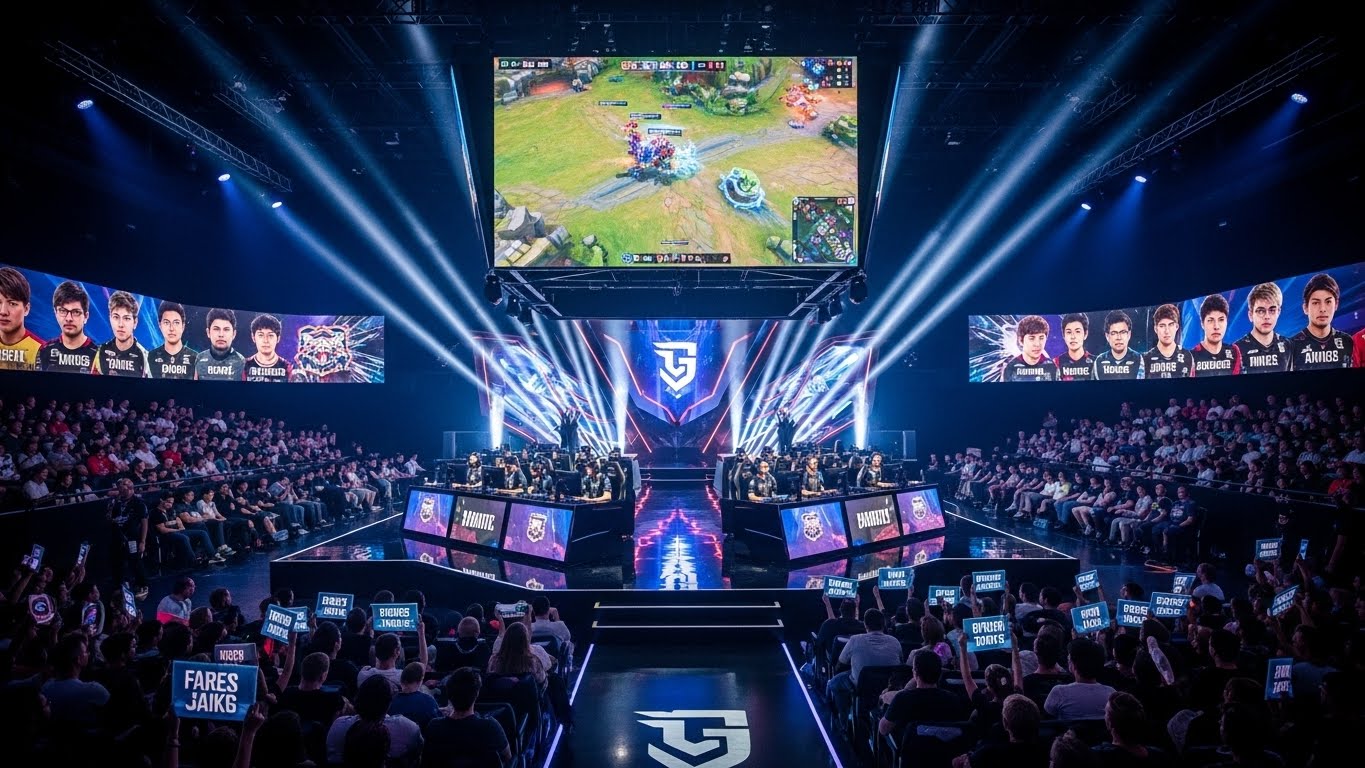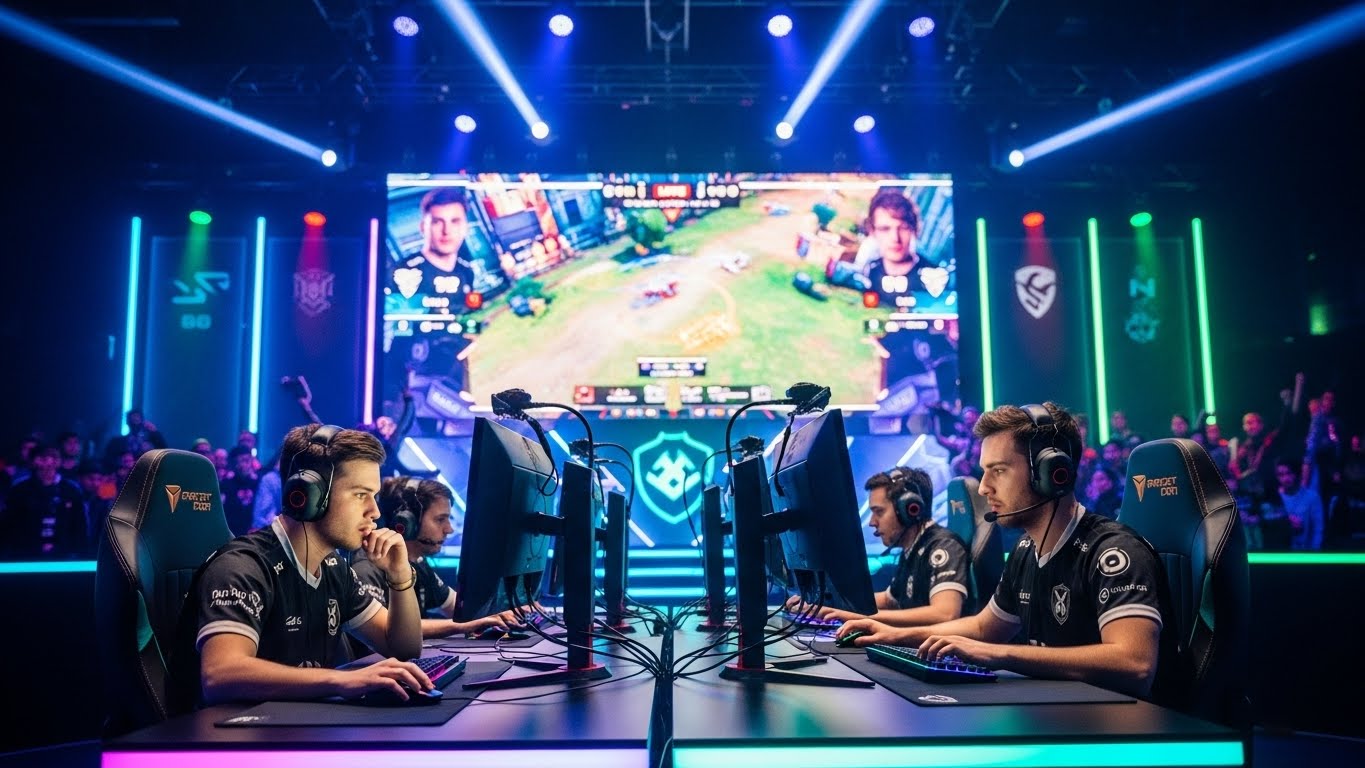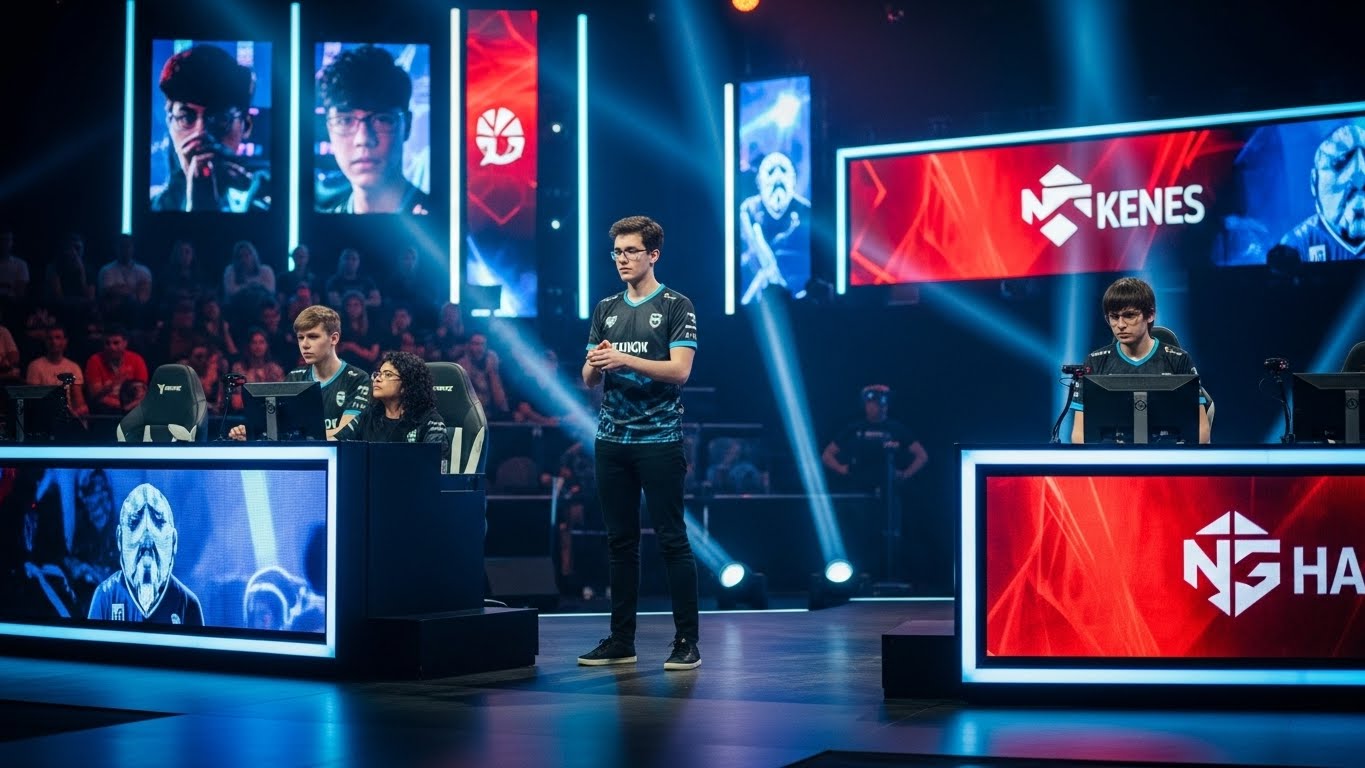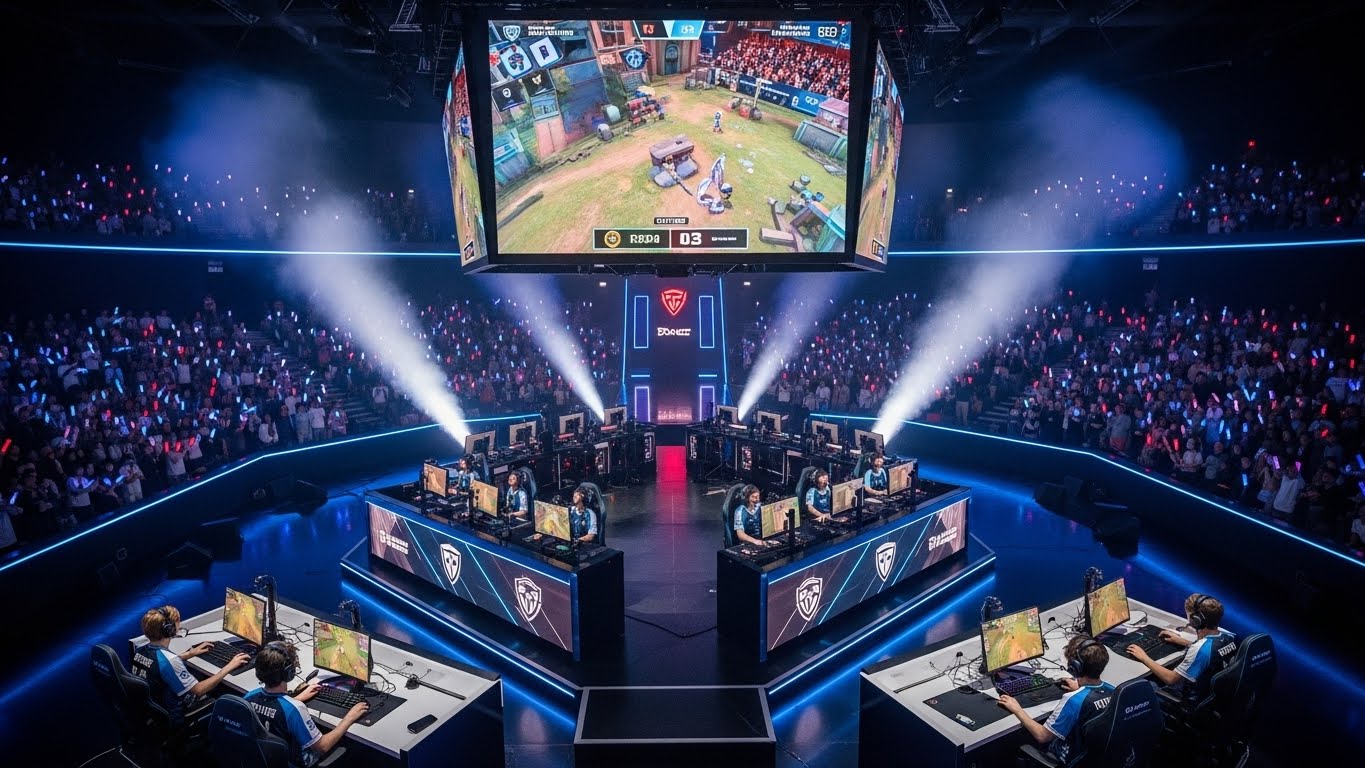

Esports, the competitive world of video gaming, has transformed dramatically over the past few decades. What began as a niche pastime for dedicated enthusiasts has evolved into a global phenomenon, captivating millions of fans and attracting players, sponsors, and media attention on a scale comparable to traditional sports. Today, esports combines strategy, skill, teamwork, and entertainment in ways that continue to redefine competition in the digital age. Unlike casual gaming, esports demands rigorous training, mental resilience, and precision, making it both an athletic and intellectual pursuit.
The Origins of Competitive Gaming
The roots of esports date back to the late 1970s and early 1980s, when arcade gaming and early consoles became widely popular. High score competitions in games like Space Invaders, Pac-Man, and Donkey Kong created the first communities of competitive players. While these contests were often informal and localized, they established the culture of rivalry, mastery, and recognition that would later define esports. These early competitions highlighted the human desire to challenge oneself, achieve skillful play, and share accomplishments with a community of peers. They laid the groundwork for competitive gaming as a structured and recognized form of entertainment.
LAN Tournaments: Bringing Players Together
By the 1990s, the rise of local area networks, or LANs, revolutionized competitive gaming. LAN tournaments allowed multiple players to connect their computers within the same network, enabling real-time multiplayer matches. Games such as Quake, Counter-Strike, and StarCraft became the central titles of this era, emphasizing strategy, precision, and teamwork. LAN events often took place in community centers, gaming cafes, or conventions, creating physical spaces where players could compete, spectate, and socialize. These tournaments fostered the first organized competitive communities, where rivalries developed, teams formed, and strategies were honed—foundational elements for modern professional esports.
The Internet and the Global Expansion of Esports
The advent of the internet in the early 2000s was a turning point for competitive gaming. Online multiplayer games allowed players from around the world to compete in real-time, breaking geographic limitations. Titles like DotA, Warcraft III, and Counter-Strike became cultural landmarks, fostering international communities and competitive ecosystems. Online leaderboards, ranking systems, and forums helped organize competition and provide recognition for top players. The internet enabled spectators to watch matches live, discuss strategies, and form fan communities, transforming competitive gaming into a spectator sport and paving the way for professionalization.
Professionalization of Esports
As esports gained popularity, structured leagues and professional teams began to emerge. Players could now dedicate themselves full-time to competition, earning salaries and sponsorships that legitimized gaming as a career. Games such as League of Legends, Dota 2, Overwatch, and Call of Duty became central to the professional esports landscape. Teams operated with coaching staff, analysts, and support personnel to optimize performance, much like traditional sports franchises. Professionalization elevated competition levels, attracted broader audiences, and drew significant investments from corporate sponsors. Esports had transformed from a hobby into a legitimate global industry.
The Role of Streaming Platforms
Streaming platforms have been essential in popularizing esports. Twitch, YouTube Gaming, and other services allow players to broadcast their matches live, interact with fans, and build personal brands. Streaming transformed esports from a niche activity into mainstream entertainment. Fans could follow their favorite players, learn strategies, and participate in community conversations in real-time. Many professional players also stream regularly outside tournaments, creating additional income through subscriptions, donations, and sponsorship deals. Streaming democratized esports, providing a platform for talent discovery and community engagement on a global scale.
Global Tournaments and Championships
International competitions are a defining feature of modern esports. Events such as The International for Dota 2, the League of Legends World Championship, and the Fortnite World Cup attract millions of viewers and multi-million-dollar prize pools. These tournaments are meticulously produced, featuring live commentary, expert analysis, and elaborate stage setups. They foster intense rivalries and narrative-driven experiences that engage fans emotionally. Global competitions also demonstrate esports’ universality, as players from different cultures compete, and fans worldwide connect over shared experiences of triumph, defeat, and spectacle.
Esports as a Spectator Sport
Esports has become a legitimate spectator sport, offering unique appeal through interactive and immersive experiences. Fans enjoy observing complex strategies, rapid decision-making, and high-skill gameplay. Live commentary, analysis, and storytelling add context and excitement, helping audiences understand and appreciate the depth of competition. Spectators actively engage through chat platforms, forums, and social media, predicting outcomes, celebrating victories, and analyzing gameplay. Unlike traditional sports, esports combines digital interactivity with competition, creating a new form of spectator engagement that resonates with a global, tech-savvy audience.
The Economic Impact of Esports
Esports has developed into a multi-billion-dollar industry with diverse revenue streams. Sponsorships, advertising, media rights, merchandise, and ticket sales drive financial growth. Corporations from technology, lifestyle, and entertainment sectors invest heavily in esports to reach highly engaged audiences. Sponsorship deals provide teams and players with financial stability, enabling them to focus on training and performance. Streaming platforms generate revenue through subscriptions, donations, and advertisements. Tournaments offer prize pools that incentivize elite competition. The economic infrastructure of esports ensures that it is sustainable, professional, and capable of long-term growth.
Technology Driving Esports
Technology underpins every aspect of esports. High-performance computers, gaming peripherals, and network infrastructure ensure smooth, competitive gameplay. Data analytics tools help teams optimize performance, study opponents, and refine strategies. Emerging technologies, including virtual reality and augmented reality, are expanding the possibilities for immersive gameplay and audience interaction. Technology has not only made esports possible but has also enabled its rapid globalization, connecting players and fans across continents in real-time.
Esports Culture and Community
Esports has developed a vibrant, global culture. Fans form communities around games, players, and teams, participating in discussions, fan art, cosplay, and live events. Online forums and social media platforms facilitate interaction, allowing fans to share strategies, celebrate victories, and build connections. This culture emphasizes creativity, collaboration, and passion, making esports more than a competitive activity. It creates a sense of belonging and identity among participants and audiences, transcending geographical and cultural boundaries.
Careers in Esports
Esports offers career opportunities beyond playing professionally. Coaches, analysts, commentators, event organizers, content creators, and marketing professionals all contribute to the industry. Educational institutions are beginning to recognize esports as a legitimate career path, offering scholarships, academies, and programs to train aspiring professionals. Career paths in esports require dedication, strategic thinking, and communication skills, highlighting the professionalism and rigor needed to thrive in this evolving industry.
The Psychological Demands of Esports
Competitive gaming places significant mental demands on players. Maintaining focus, making split-second decisions, and performing under high-pressure conditions are essential skills. Team-based games require effective communication, leadership, and collaboration. Mental resilience, emotional control, and stress management are critical for sustained performance. Sports psychologists increasingly work with esports teams to optimize mental health, prevent burnout, and improve performance. Understanding the psychological aspect of esports underscores its legitimacy as a demanding and professional discipline.
Diversity and Inclusion in Esports
Esports has historically been male-dominated, but initiatives are promoting diversity and inclusion. Women, LGBTQ+ individuals, and other underrepresented groups are increasingly participating in competitive gaming. Inclusive tournaments, mentorship programs, and community initiatives aim to create equitable opportunities. Diverse representation enriches the competitive environment, bringing new perspectives and strategies. Esports’ digital nature allows it to transcend traditional social barriers, fostering communities united by passion, skill, and creativity.
Challenges Facing Esports
Despite its success, esports faces challenges that must be addressed. Player health, including physical strain, mental fatigue, and burnout, is a significant concern. Ethical issues such as cheating, match-fixing, and doping require vigilant oversight. Revenue distribution and monetization models remain complex, and accessibility in regions with limited technology is an ongoing challenge. Overcoming these obstacles is crucial for maintaining credibility, sustainability, and long-term growth in the esports industry.
The Future of Esports
The future of esports promises continued innovation and growth. Cloud gaming, artificial intelligence, virtual reality, and augmented reality will redefine competitive gameplay and audience experiences. Global connectivity will expand audiences, while partnerships with traditional sports and media will create hybrid events and new formats. Personalized content and immersive experiences will become standard, while inclusivity and community engagement will remain central. Esports is poised to continue evolving, blending entertainment, competition, and technology in ways that redefine global culture.
Conclusion
Esports has grown from local arcade competitions to a global, professional, and cultural phenomenon. It combines skill, strategy, technology, and storytelling to create an ecosystem that attracts millions of players and fans worldwide. Professional teams, organized leagues, streaming platforms, and international tournaments have elevated esports to mainstream recognition. Beyond competition, esports fosters community, creativity, and cultural exchange, connecting players and fans across borders. With continued technological innovation, professionalization, and inclusivity, esports is not just a trend—it is a lasting revolution in entertainment and competitive culture, redefining how the world plays, watches, and engages with games.